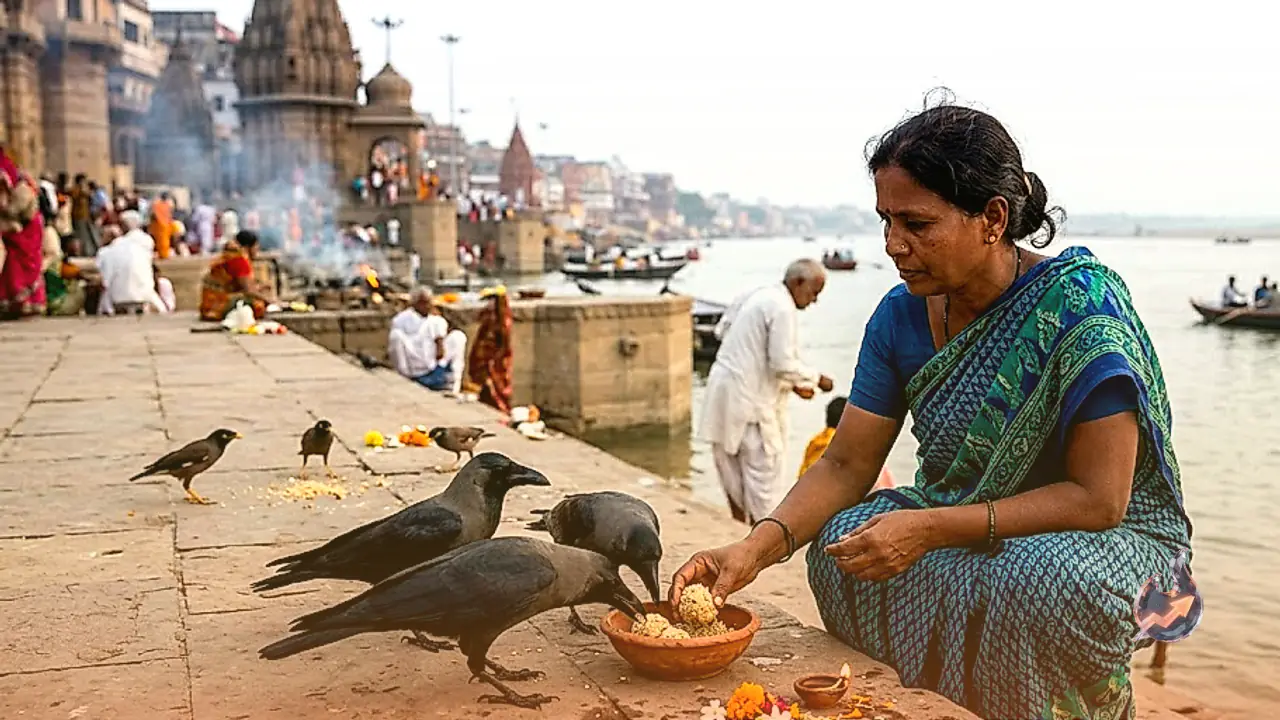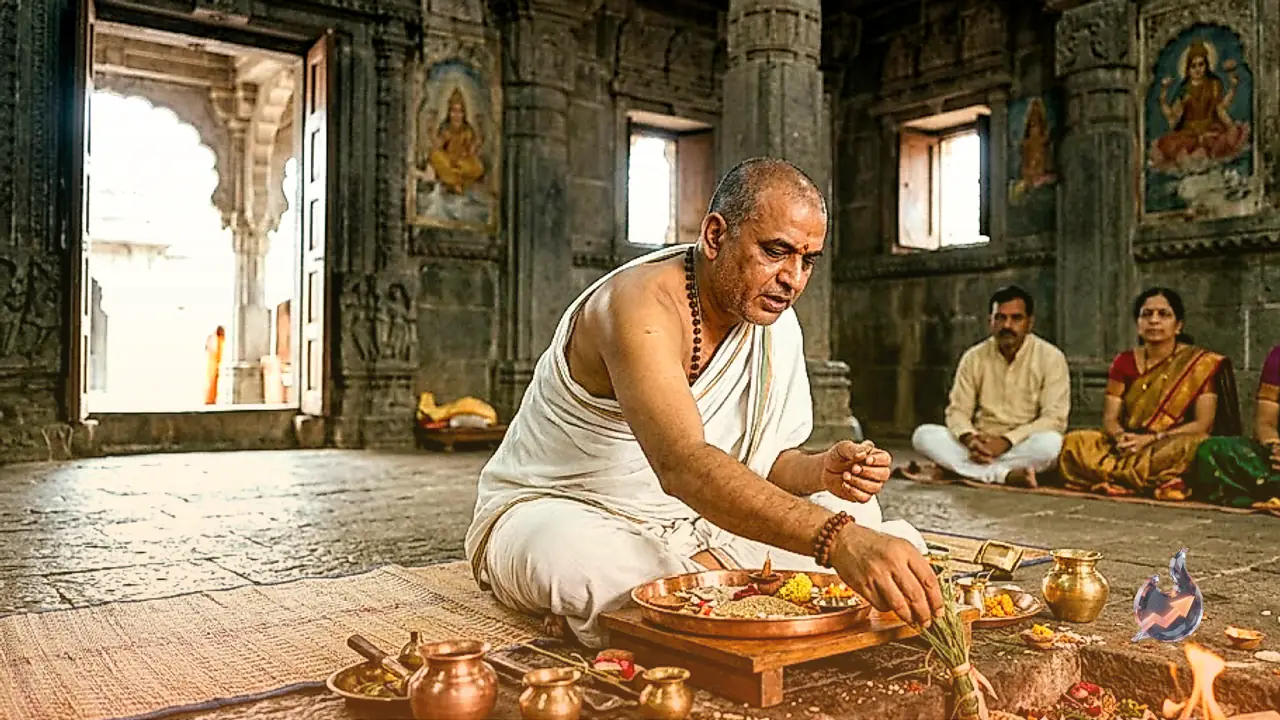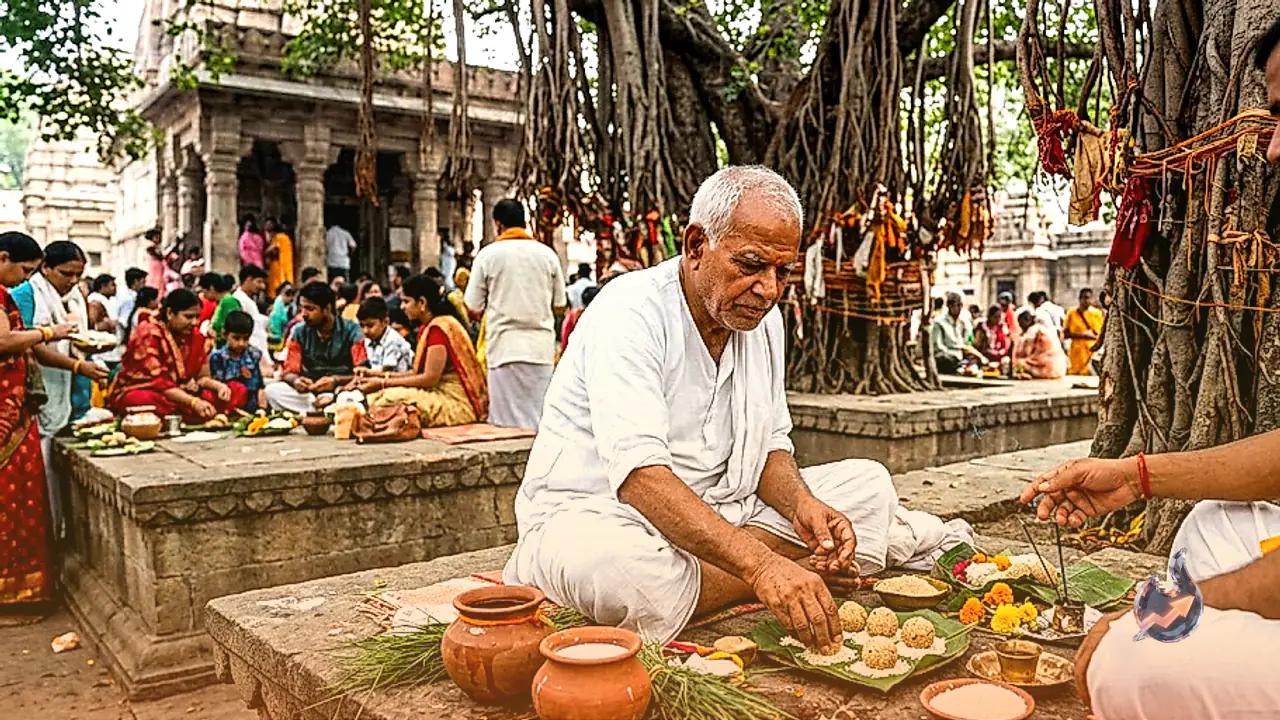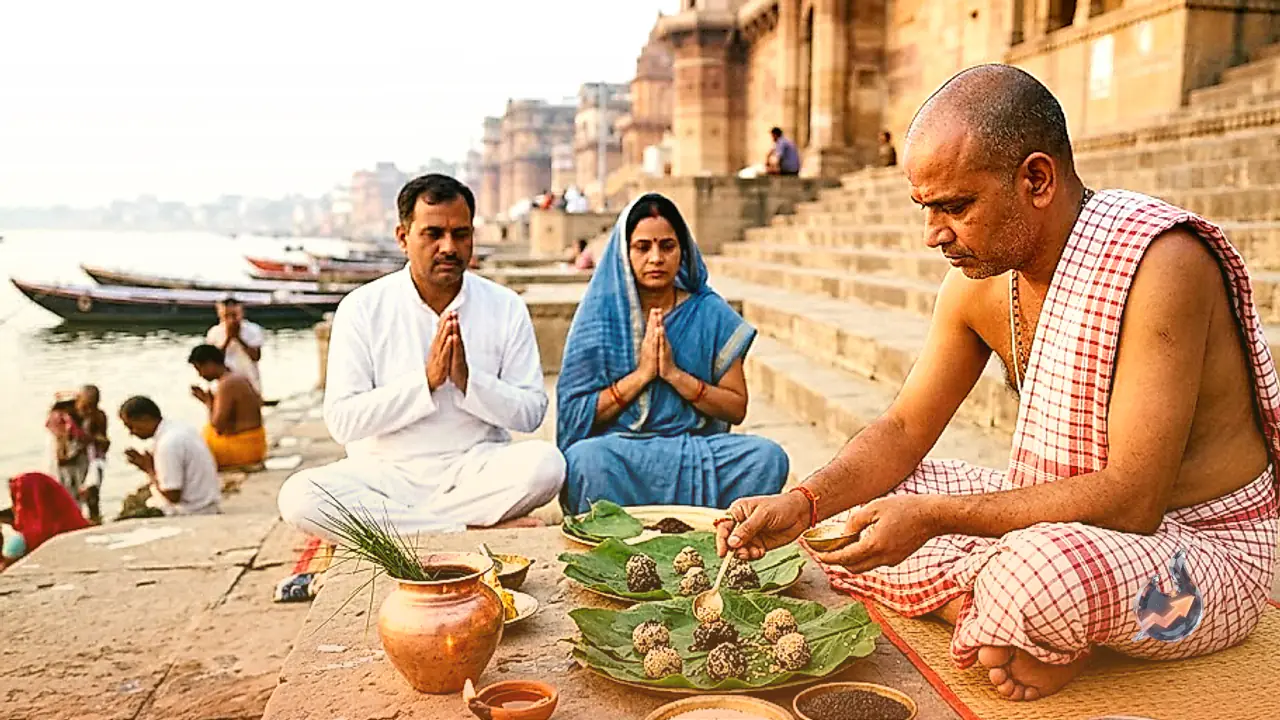




















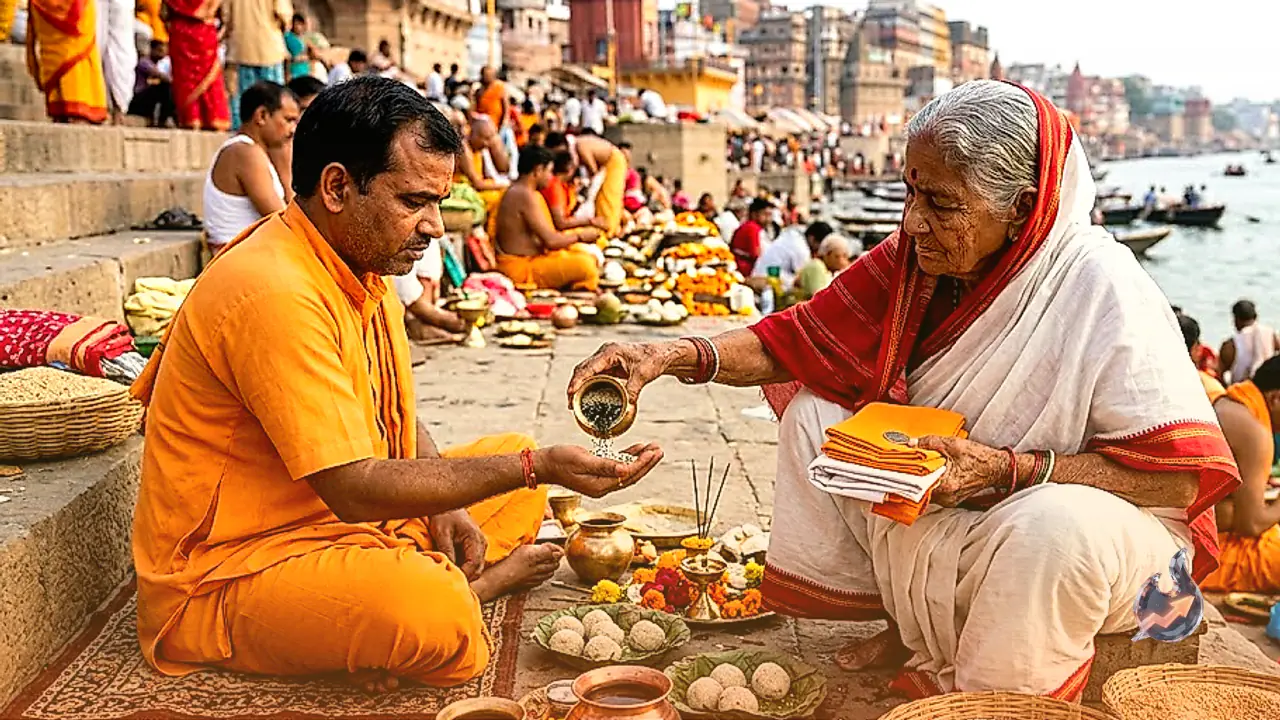

The sacred period of Pitru Paksha holds immense spiritual significance for honoring departed ancestors and praying for the peaceful journey of their souls. During this fortnight, families perform rituals such as Shradh, Tarpan, and Pind Daan with deep reverence. Religious traditions also place exceptional emphasis on charity and benevolent offerings during this auspicious phase. According to traditional beliefs, performing acts of charity with genuine devotion appeases ancestral spirits, frees the household from Pitru Dosh, and fosters lasting domestic peace and prosperity. This year, Pitru Paksha concludes on 10 October 2026, marking the sacred day of Sarva Pitru Amavasya. Understanding which specific items are considered most beneficial to donate can help individuals gain optimal spiritual merit.
The Primacy of Black Sesame Seeds
Offering black sesame seeds is regarded as the most meritorious act of charity during Pitru Paksha. Traditional religious beliefs hold that donating black sesame brings immense joy to ancestral spirits. Engaging in this simple yet powerful gesture is believed to swiftly alleviate persistent hardships, remove obstacles from one's life, and bring mental tranquility.
Donations of Silver Items
For individuals who possess the financial means, donating articles made of silver is considered highly auspicious throughout Pitru Paksha. This can include gifting silver utensils, coins, or other crafted objects. Making such offerings is traditionally believed to draw the benevolent grace of ancestors, ensuring financial stability, growth in wealth, and continuous abundance in the home.
Offering Food Grains and Feeding the Needy
Food charity forms an indispensable pillar of ancestral rituals. During this period, one should reverently feed Brahmins and distribute food grains to impoverished or destitute individuals. Donating raw or cooked food ensures the spiritual satiation of ancestors, which in turn is believed to bestow blessings of family growth, continuity, and lineage well-being.
Gifting Clean and New Clothing
Presenting garments to Brahmins or underprivileged people is another recommended practice during Pitru Paksha. However, it is vital to ensure that all gifted clothes are completely new, clean, and in pristine condition. Religious customs strictly prohibit the donation of torn, soiled, or second-hand clothes during Shradh ceremonies, as substandard offerings are considered disrespectful.
Essential Groceries, Books, and Household Goods
Beyond the primary offerings, donating rice, salt, pure ghee, other food provisions, and educational books is also highly commended during this time. Gifting practical articles of daily utility serves as a wholesome offering that pleases the ancestors, inviting harmonious vibes, comfort, and steady prosperity into the family household.
Vital Rules to Observe While Giving Charity
The spiritual fruits of charity are realized fully only when donations are carried out according to prescribed ethical and ritual decorum. Adhering to several foundational guidelines during Pitru Paksha is essential
- Selfless Devotion: Every donation must be made with pure reverence and without any pride, display of wealth, or expectation of social praise.
- Remembering Ancestors: While handing over offerings, quietly meditate upon your ancestors and express profound gratitude for their enduring lineage and guidance.
- Selecting Worthy Recipients: After concluding Shradh or Pind Daan rites, donations should be presented directly to an eligible, qualified, and deserving Brahmin.
- Use the Right Hand: Religious rituals mandate that all charitable items must be handed over using the right hand.
- Avoid Damaged Goods: Stale food items, worn-out garments, and broken or damaged household objects must strictly never be donated.
- Maintain Modesty: Avoid boasting about or publicly discussing your charitable deeds after they are performed, as quiet and modest donations retain the highest spiritual merit.