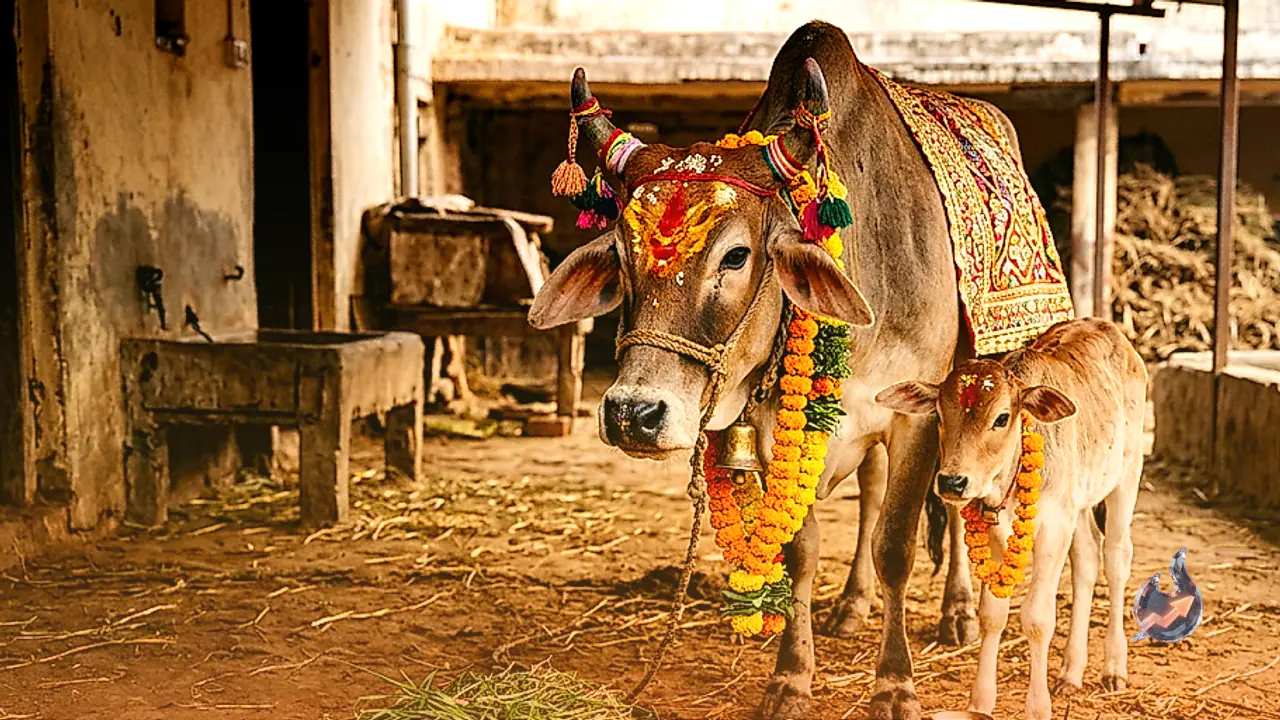























The holy festival of Janmashtami marks the birth of Lord Krishna and is celebrated with immense devotion across the country. In the year 2026, Janmashtami will be observed on 4 September 2026. Along with traditional worship rituals, incorporating specific practices with peacock feathers on this day is believed to bring extraordinary blessings, peace, and prosperity. In Vedic astrology and Hindu tradition, the peacock feather holds immense spiritual significance. Lord Krishna lovingly adorns a peacock feather upon his crown, making it a sacred symbol of purity and divine energy. Astrological scriptures suggest that placing peacock feathers in specific areas of the home on Janmashtami helps eliminate negative energies, planetary afflictions, and structural Vastu defects.
Installing Peacock Feathers at the Main Entrance for Protection
The main entrance of a residence serves as the primary gateway for energy flow. According to astrological principles, peacock feathers possess inherent qualities that neutralize the adverse effects of Rahu Dosh and Kalsarp Dosh. Placing a peacock feather right above the main door on the auspicious occasion of Janmashtami acts as a spiritual protective shield. This simple practice prevents negative vibrations, evil eyes, and disharmony from entering the living space. Furthermore, the divine blessings of Lord Krishna foster spiritual growth, domestic harmony, and steady professional advancement for all family members residing in the household.
Placing Peacock Feathers in the Wealth Vault for Financial Growth
For individuals seeking financial stability and freedom from monetary stress, a special ritual involving the sacred feather is recommended on Janmashtami. On the morning of 4 September 2026, devotees should place a fresh, undamaged peacock feather at the lotus feet of Lord Krishna's idol. Proceed with the routine morning prayers and the elaborate midnight Janmashtami worship. Following the midnight rituals, carefully retrieve the sanctified peacock feather from the deity's feet and place it inside your safe, cash locker, or wealth box. Religious beliefs hold that this practice ensures a continuous flow of wealth, guards against unexpected financial losses, alleviates Vastu flaws, and protects family members from recurring health ailments.
Enhancing Children's Concentration and Academic Success
Parents noticing a lack of focus in their children's studies or frequent susceptibility to negative influences can utilize the spiritual energy of the peacock feather on Janmashtami. During the evening worship, purify a peacock feather by sprinkling a few drops of holy Gangajal over it. Once the prayers conclude, place this blessed feather on the child's study table or keep it under their pillow. Astrologically, the subtle vibrations emitted by the purified feather help soothe the mind, sharpen memory retention, and boost focus. Additionally, it safeguards the child from evil eyes and negative psychological distractions, paving the way for academic growth.
Fostering Marital Harmony with Bedroom Vastu Placement
Maintaining warmth, mutual understanding, and affection in marital life is essential for a peaceful household. Vastu Shastra emphasizes the placement of peacock feathers to resolve interpersonal conflicts between spouses. On the day of Janmashtami, hanging a pair of two peacock feathers together on the East or North wall of the master bedroom is highly beneficial. The Eastern and Northern directions are associated with positive magnetic waves and clarity of thought. Aligning peacock feathers along these walls dissolves residual misunderstandings, deepens emotional bonding between partners, and establishes long-term tranquility throughout the family environment.