




















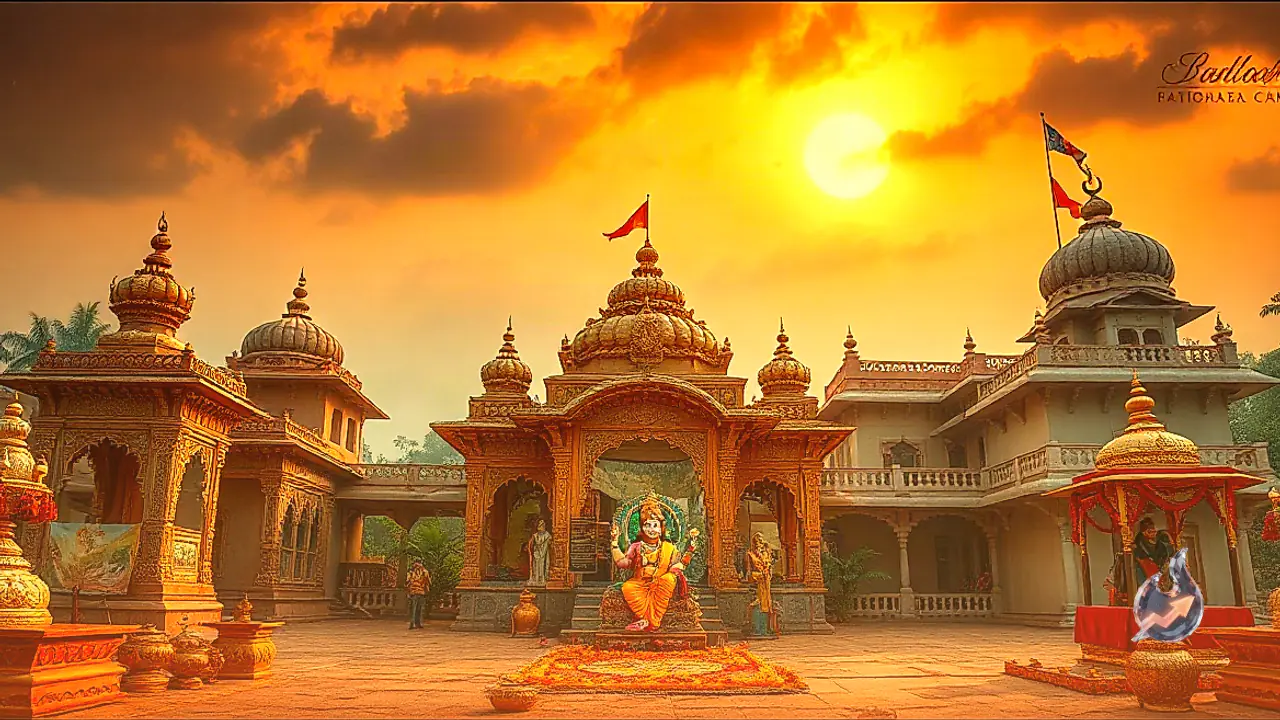

In Hindu tradition, the Ashtami tithi of the Krishna Paksha in the month of Bhadrapada holds great spiritual significance. On this auspicious date, devotees across the world celebrate Janmashtami, the birth anniversary of Lord Shri Krishna, with deep devotion and joy. This year, the festival falls on September 4, 2026. On this holy occasion, believers observe a fast and perform special rituals for Bal Gopal, also known as Laddu Gopal. At midnight, marking the exact hour of the deity's birth, a ritual bath (abhishek) with panchamrit is conducted. To ensure smooth preparation for the celebrations, here is the detailed checklist of mandatory puja samagri and the traditional worship procedure.
Attire and Decoration Essentials (Vastra & Shringar)
Adorning Laddu Gopal with vibrant clothes and traditional ornaments is a central ritual of Janmashtami. Devotees take delight in decorating the deity with carefully chosen items
- Laddu Gopal Dress: Specially tailored outfits in bright yellow or red colors.
- Crown and Earrings (Mukut & Kundal): A decorative crown made of Kundan or fresh flowers, along with matching earrings.
- Flute and Vaijayanti Mala: A small flute, which is sacred to Shri Krishna, and a traditional garland made of Vaijayanti seeds.
- Peacock Feather (Mor Pankh): A natural peacock feather attached to the crown.
- Fresh Flower Garlands: Fragrant garlands strung from fresh blossoms.
Items for Holy Bath and Abhishek
Precisely at midnight, an elaborate bathing ritual is performed for Laddu Gopal. The essential ingredients for this ceremony include
- Abhishek Tray: A wide, clean metallic plate or vessel (thali) to place the deity during the bath.
- Panchamrit Ingredients: Fresh raw cow's milk, curd (yogurt), pure desi ghee, honey, and natural sugar or crushed rock sugar (mishri).
- Holy Water: Sacred Ganga water (Gangajal) and pure drinking water for rinsing.
Worship, Tilak, and Lamp Materials
Standard worship accessories are needed to carry out the panchopachar or shodashopachar rituals
- Tilak and Akshat: Roli (vermilion), yellow sandalwood paste (chandan), and whole unbroken rice grains (akshat).
- Incense and Fragrance: High-quality incense sticks (agarbatti), dhoop, and natural perfume (itra).
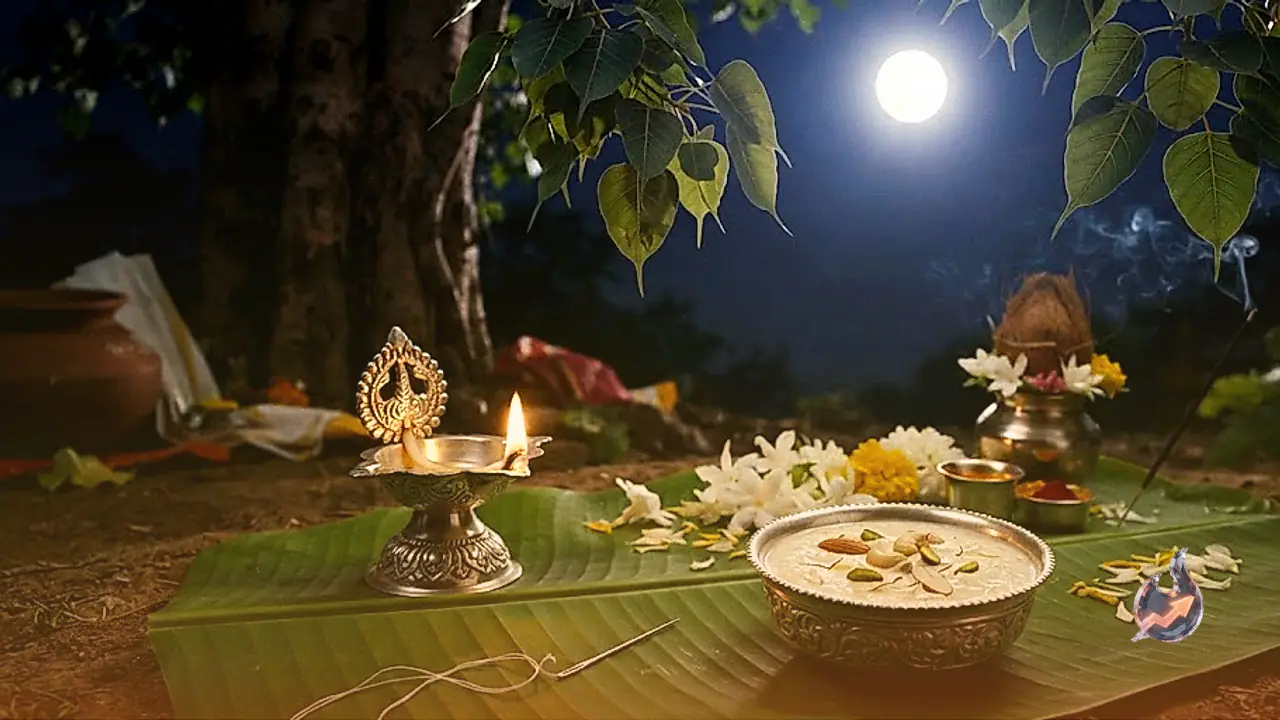
- Lamps and Lighting: Pure ghee lamps (diyas), setup for an unbroken flame (akhand jyoti), camphor (kapoor), and a matchbox.
Sacred Offerings and Bhog Items
Shri Krishna is fond of milk products and simple traditional sweets. The sacred bhog offered on Janmashtami includes
- Dhaniya Panjiri: A traditional mixture of roasted coriander powder, ghee, and sugar, which serves as the primary prasad.
- Butter and Sugar Candy (Makkhan & Mishri): Freshly churned butter and rock sugar, the favorite treat of Bal Gopal.
- Panchamrit: The consecrated sweet mixture prepared during the bath.
- Fruits and Makhana Kheer: Seasonal fruits such as bananas and apples, alongside sweet foxnut pudding (makhana kheer).
- Tulsi Leaves (Tulsi Dal): Holy basil leaves are indispensable, as no offering to Lord Krishna is considered complete without them.
Additional Ceremonial Requirements
To enhance the festive ambiance and execute every scriptural requirement, keep these additional items handy
- Decorated Swing (Jhula): A beautifully adorned cradle or swing for placing the deity.
- Conch Shell and Bell: A shankh and ghanti to sound during the midnight birth celebration and final aarti.
- Door Toran and Sacred Leaves: Festive bandanwar for the doorway and five sacred leaves (Panch Pallav: Banyan, Gular, Peepal, Mango, and Pakar) for kalash placement.
- Ritual Offerings: Whole coriander seeds, Durva grass, coconut (Shriphal), and a prepared betel leaf (tambool) wrapped with a clove.
Step-by-Step Janmashtami Puja Rituals
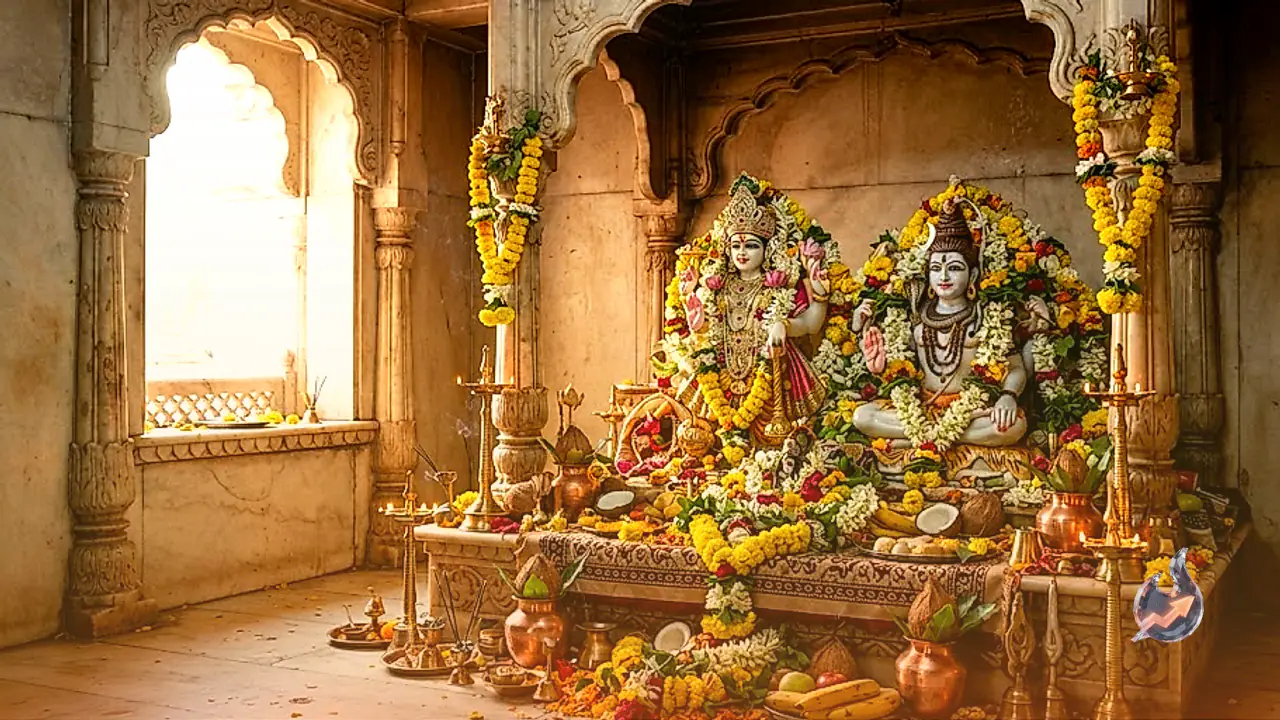
Performing the Janmashtami puja following traditional guidelines brings peace and prosperity to the household. Begin by thoroughly cleaning the home altar and laying a yellow cloth over a raised platform (chowki) to install the idol of Bal Gopal. Arrange the swing, flute, peacock feather, and flowers around the deity.
Dress Lord Krishna in his yellow attire, place the crown and Tulsi garland on him, and seat him in the swing. As midnight approaches, prepare for the divine birth celebration. Exactly at 12:00 AM, place Laddu Gopal in the abhishek thali and perform the ceremonial bath using panchamrit followed by Gangajal. Gently pat the idol dry, dress him in fresh garments, and adorn him with divine shringar.
Following the bath, apply yellow chandan and roli tilak, offer akshat, light the ghee lamp and incense, and present the sacred bhog comprising makkhan, mishri, dhaniya panjiri, panchamrit, fruits, coconut, and Tulsi leaves. Devotees should then chant the sacred mantra Om Namo Bhagavate Vasudevaya 108 times. Conclude the worship by sounding the conch shell and ringing bells while performing the aarti, then gently rock Bal Gopal in his swing to celebrate his birth.