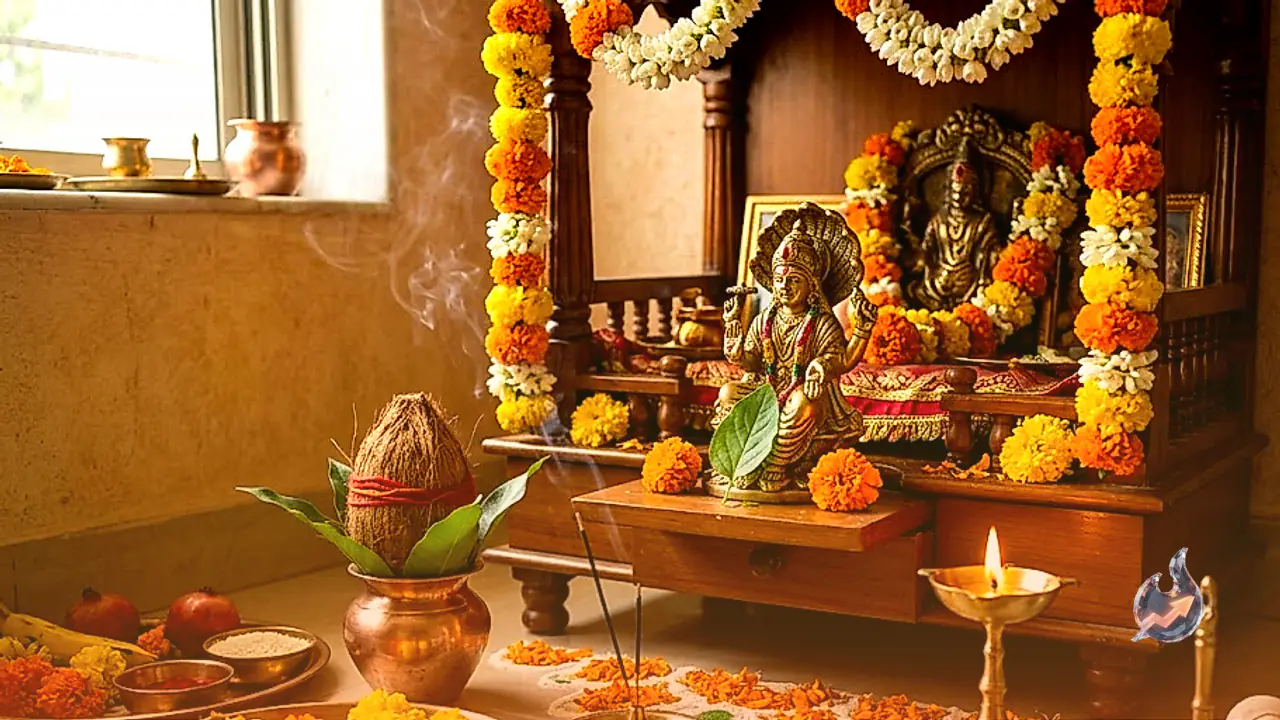




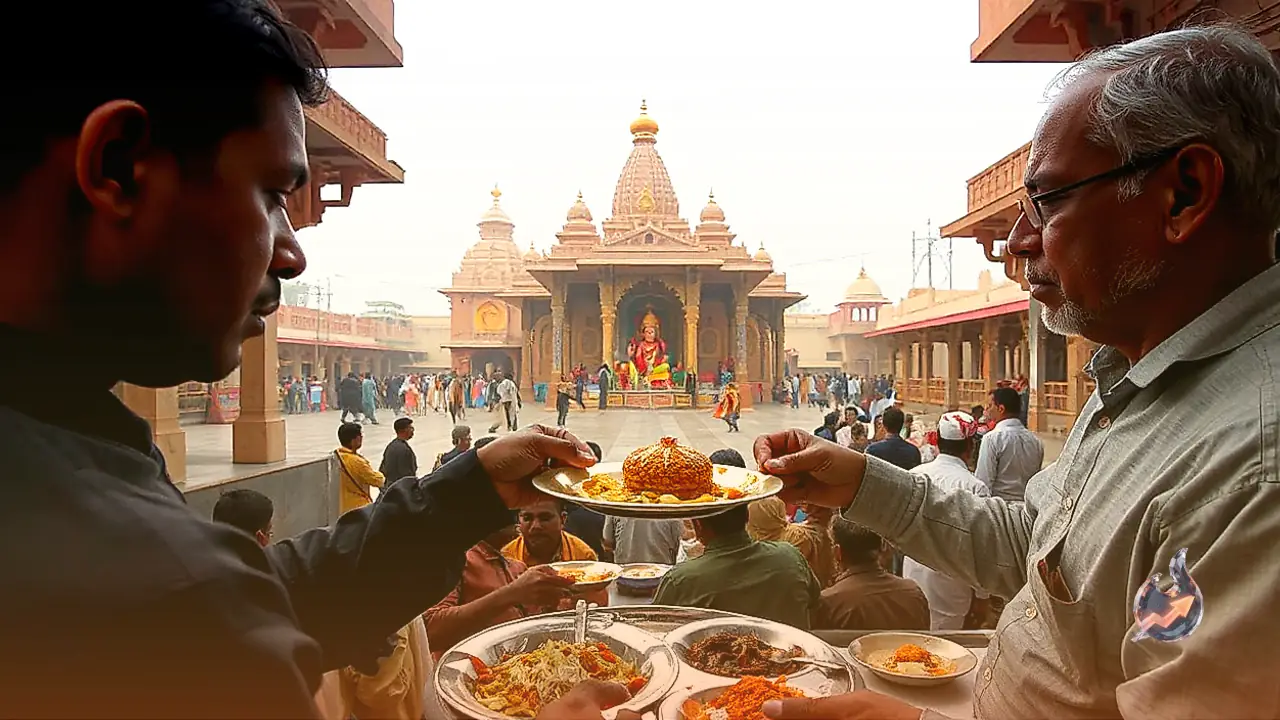
















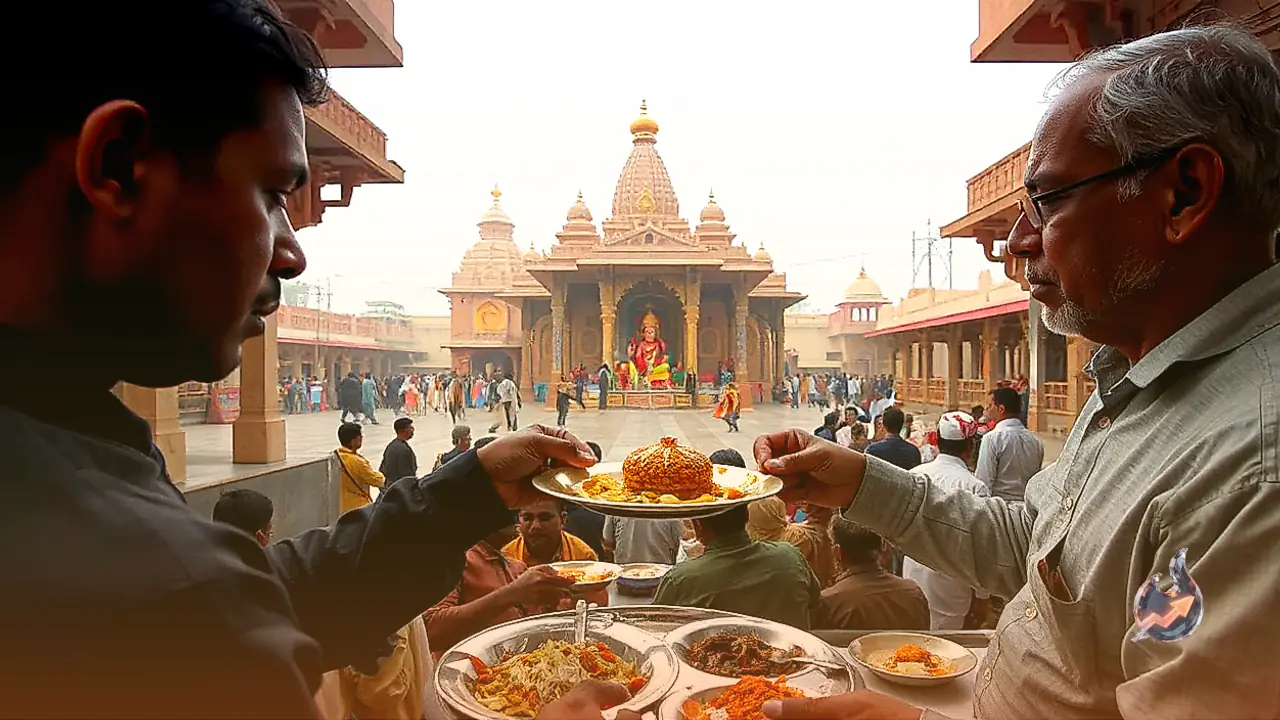

The holy month of Sawan is currently underway, a period dedicated entirely to the worship and devotion of Lord Shiva. Temples dedicated to the deity witness massive crowds of worshippers who offer water, flowers, bel leaves, bhang, and datura to the deity. Along with these ritual items, various forms of edible offerings or prasadam are also presented upon the Shivling. Food offered to the divine is considered immensely sacred, and traditions dictate that consuming it showers the blessings of the deity upon the devotee.
The Dilemma Over Eating Prasadam
For a long time, a common debate among devotees has centered on whether the prasadam placed on a Shivling is meant to be consumed by everyone or if certain portions should be avoided. To clear this confusion, insights were sought directly from a prominent priest at the Deoghar Baidyanath Temple.
Insights From the Baidyanath Temple Priest
Pramod Shringari, a renowned pilgrimage priest at the Baidyanath Temple, explained that in Sanatan Dharma, offering naivedhya during the worship of any deity is mandatory, and rituals remain incomplete without it. Similarly, worship offered to Lord Bholenath includes naivedhya alongside other items, which is referred to as prasadam. This offering is regarded as extremely pure and virtuous, and consuming it is believed to wash away even the gravest of sins.
Freedom From Severe Sins
According to the priest, sacred texts dictate that prasadam placed upon various forms of Shivlings should be accepted and consumed immediately. Doing so is believed to grant liberation even from grave sins like brahma hatya. In particular, the prasadam of a Jyotirlinga should definitely be eaten. However, a crucial distinction exists regarding exactly where the offering is placed on the structure.
Understanding Chanda and the Rules of Consumption
The priest elaborated that a force or entity known as Chanda resides directly on top of the Shivling. Chanda is named as the eighth son of Kuber, the god of wealth. Consequently, any prasadam placed directly over the top of the Shivling must not be consumed, as that portion belongs to spirits, pishachas, chandals, and demons. Instead, the prasadam placed adjacent to or beside the Shivling should be eaten, as it is akin to nectar and bestows immense spiritual merit.