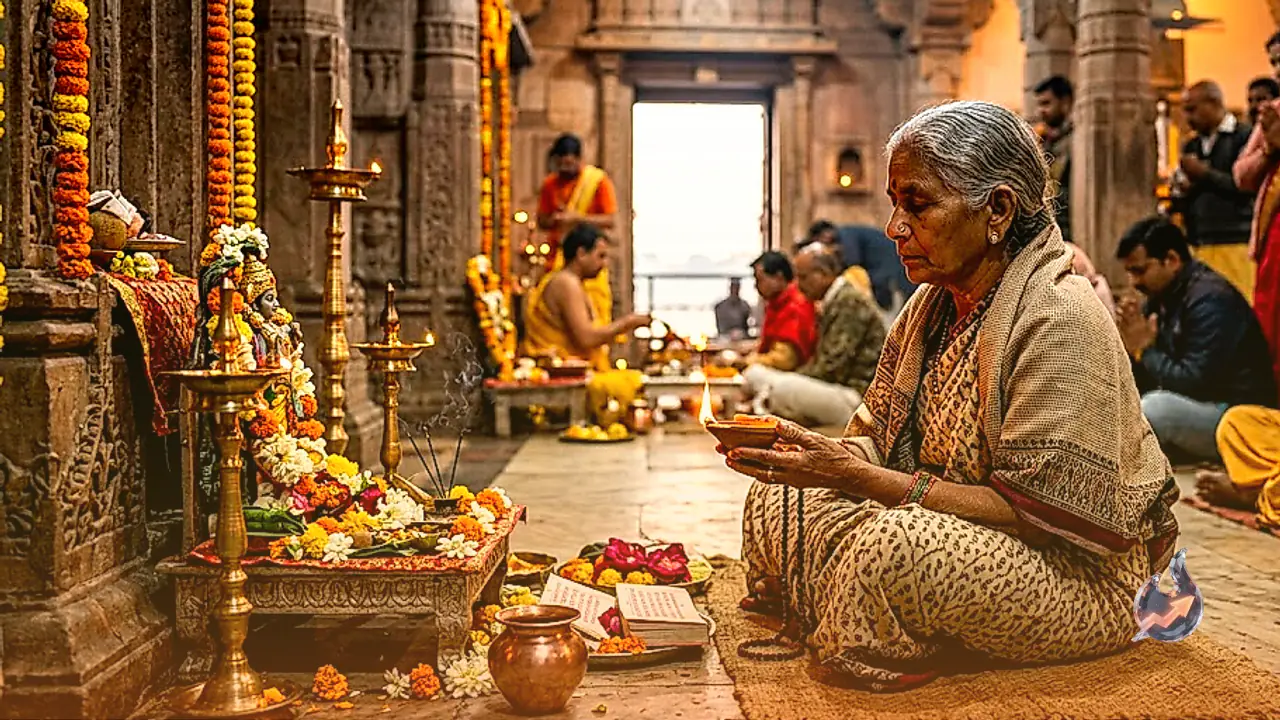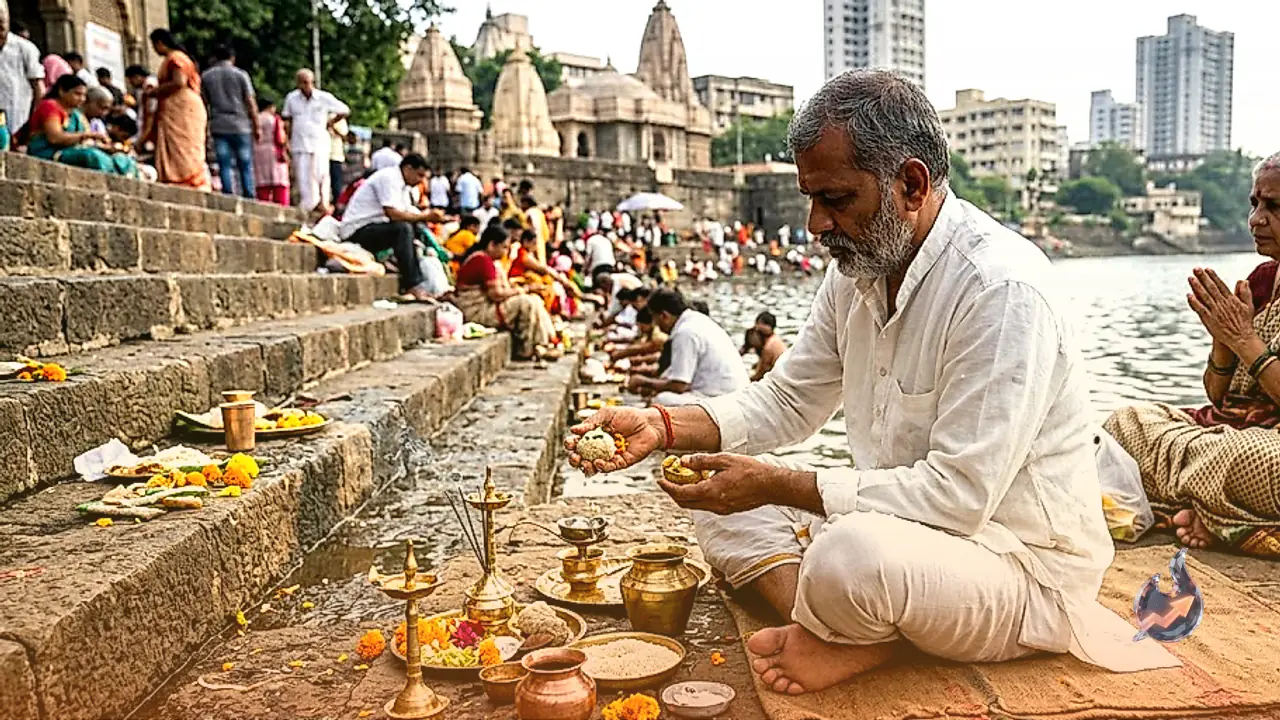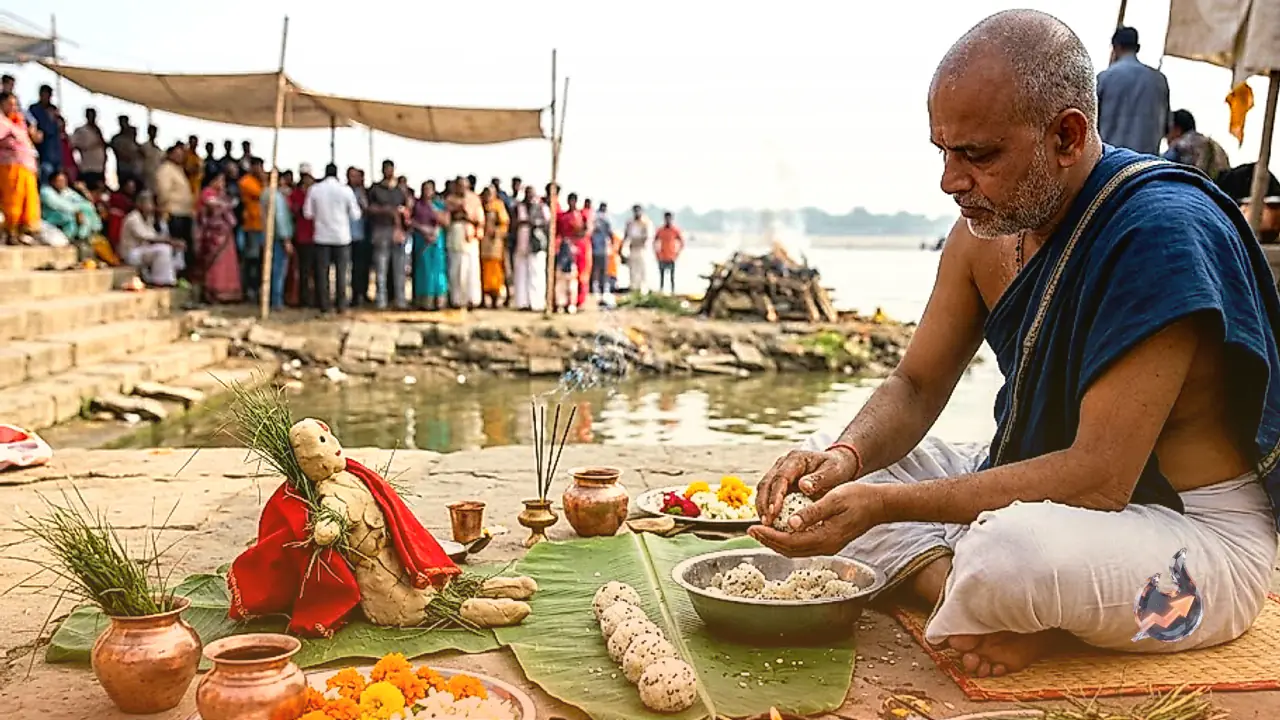























Sanatan traditions accord ancestors a status equal to deities, which is why Hindu households honor departed souls through regular prayers and dedicated Shradh rituals during the period of Pitru Paksha. According to the traditional almanac, this sacred fortnight begins on the Purnima of the Bhadrapada month and draws to a close on the Amavasya of the Ashwin month. In the year 2026, Pitru Paksha begins on September 26 and concludes on September 10. Across these 15 to 16 days, families offer food, water, and prayers on specific lunar dates aligned with each ancestor's departure.
How Lunar Death Tithi Determines the Exact Ritual Day
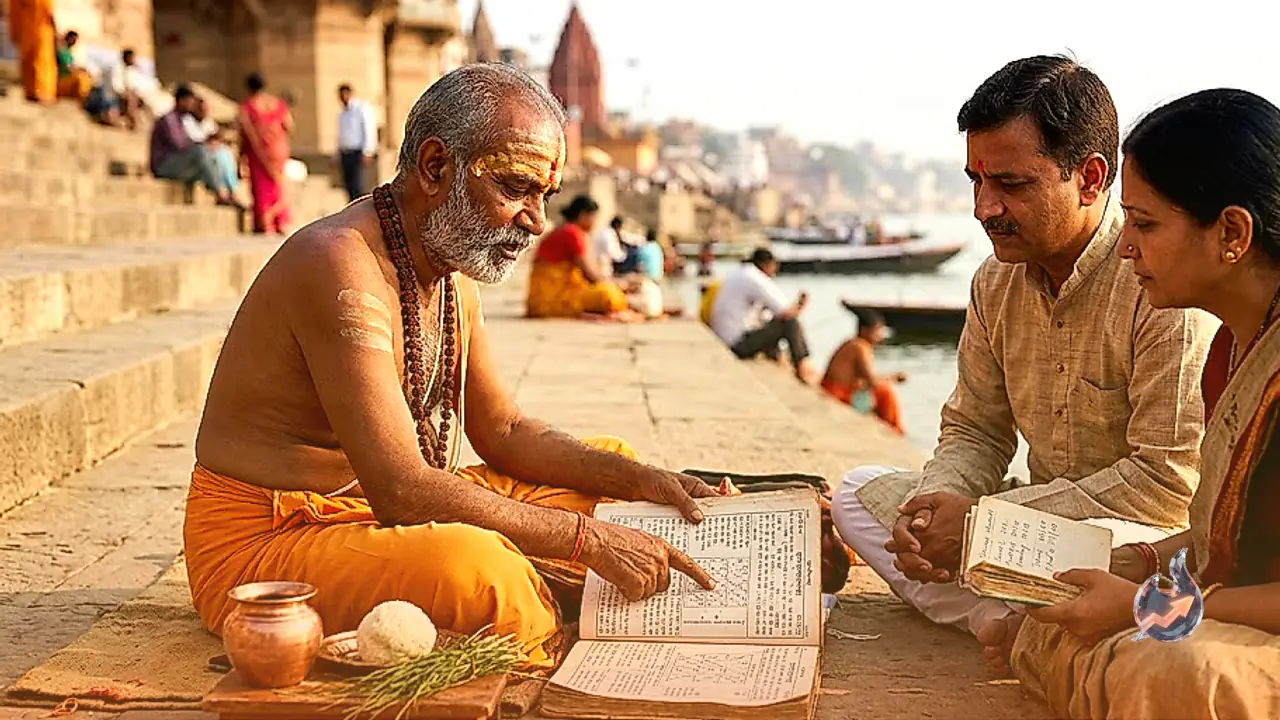
The precise date for performing Shradh rituals during Pitru Paksha is decided directly by the ancestor's date of passing according to the lunar calendar. Regardless of the month or fortnight in which an ancestor died during the year, their commemorative rituals must be observed on that exact matching tithi during Pitru Paksha. For instance, if an individual passed away on the Dwitiya tithi of either the waxing or waning lunar phase in any month, their Shradh ceremony is conducted strictly on the Dwitiya of Pitru Paksha. In 2026, the Dwitiya tithi falls on September 28.
Families are advised never to base Shradh dates on the Gregorian calendar. The calculation must rely entirely on the Hindu Panchang and its lunar day reckoning. Verifying the specific tithi on which the ancestor passed away ensures that rituals correspond accurately to traditional scriptural mandates.
Specific Rules for Special Situations and Unknown Dates
Religious traditions outline clear guidance for cases involving accidental deaths, untraceable dates, or special life stages.
- Matru Navami for married women: Mothers, sisters, or daughters who passed away while their husbands were still alive are traditionally commemorated on the Navami tithi of Pitru Paksha. Known as Matru Navami, this day is regarded as exceptionally auspicious for satisfying maternal ancestors and seeking their goodwill.
- Sarva Pitru Amavasya for accidents and unknown dates: When the exact death tithi of an ancestor is not known, or if an individual lost their life in an accident, natural disaster, or unforeseen event, their rites are performed on the final day, Amavasya. Commonly referred to as Sarva Pitru Amavasya, offerings made on this day are believed to reach and appease all forgotten or unrecorded ancestors, bringing auspicious outcomes to the household.
- Ekadashi and Dwadashi for ascetics: In instances where a family member had renounced worldly life to take up Sanyas prior to passing away, their Shradh rites are properly observed on either the Ekadashi or Dwadashi tithi of Pitru Paksha.