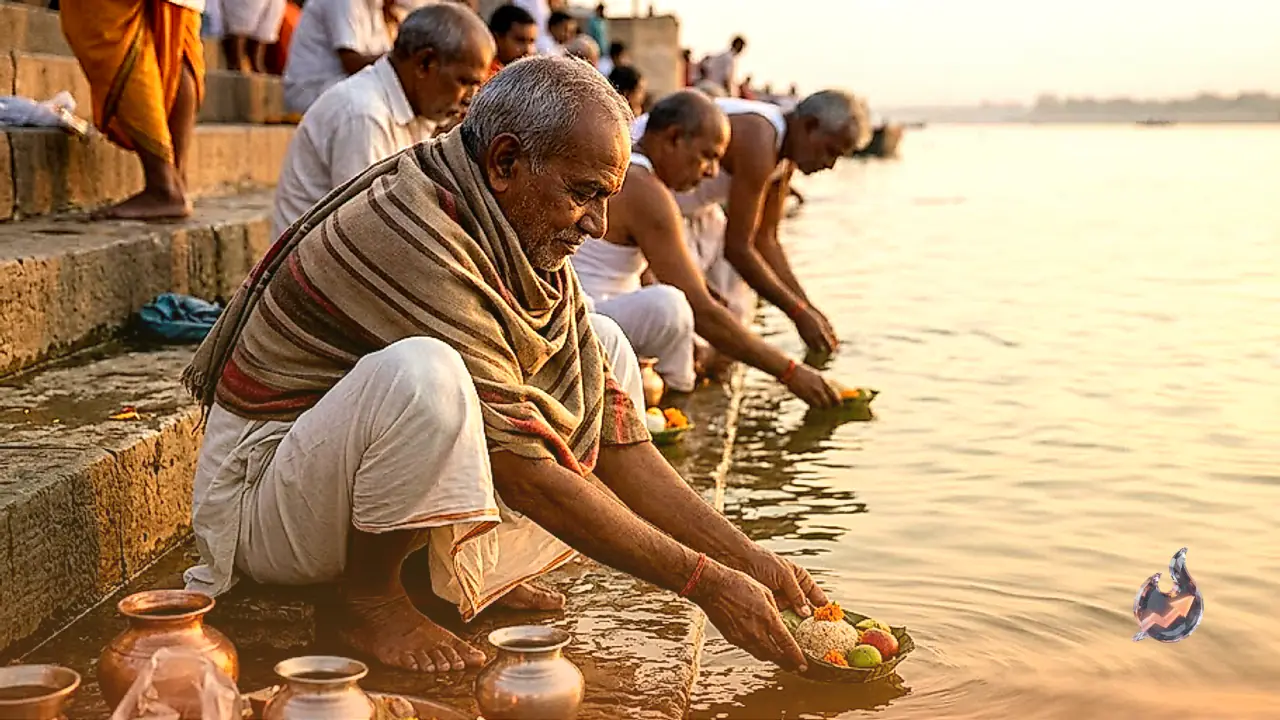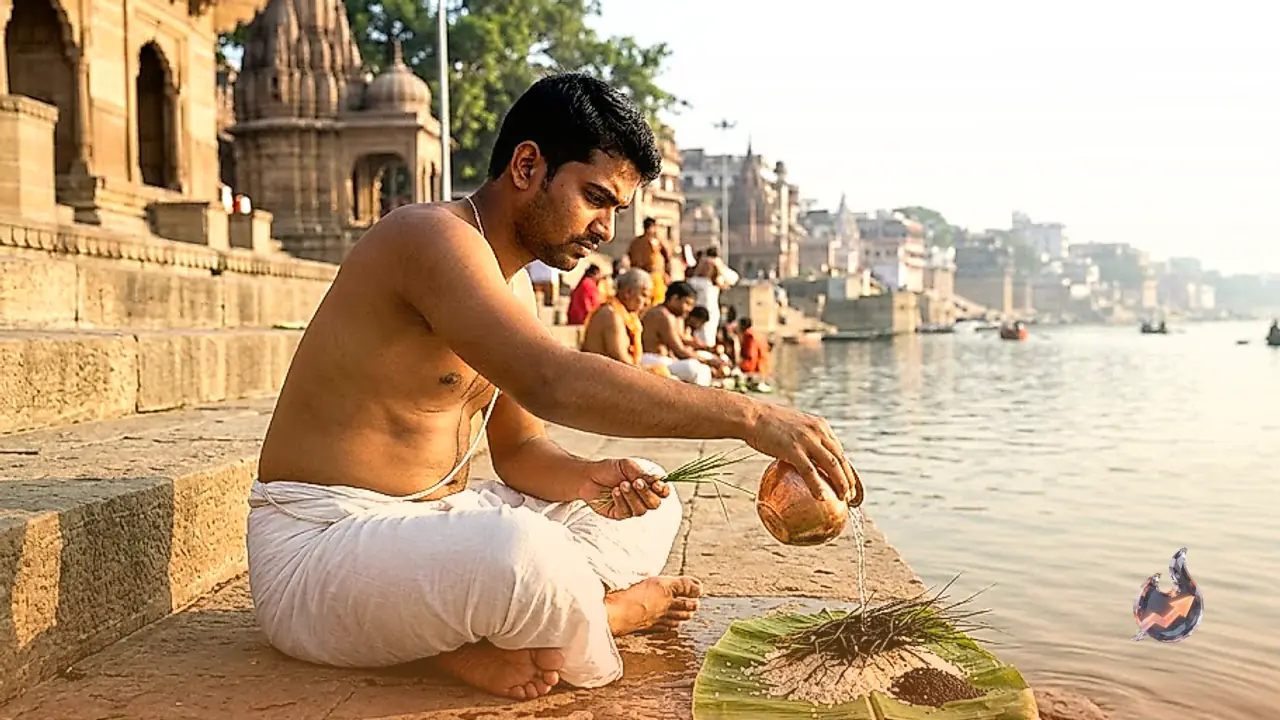





















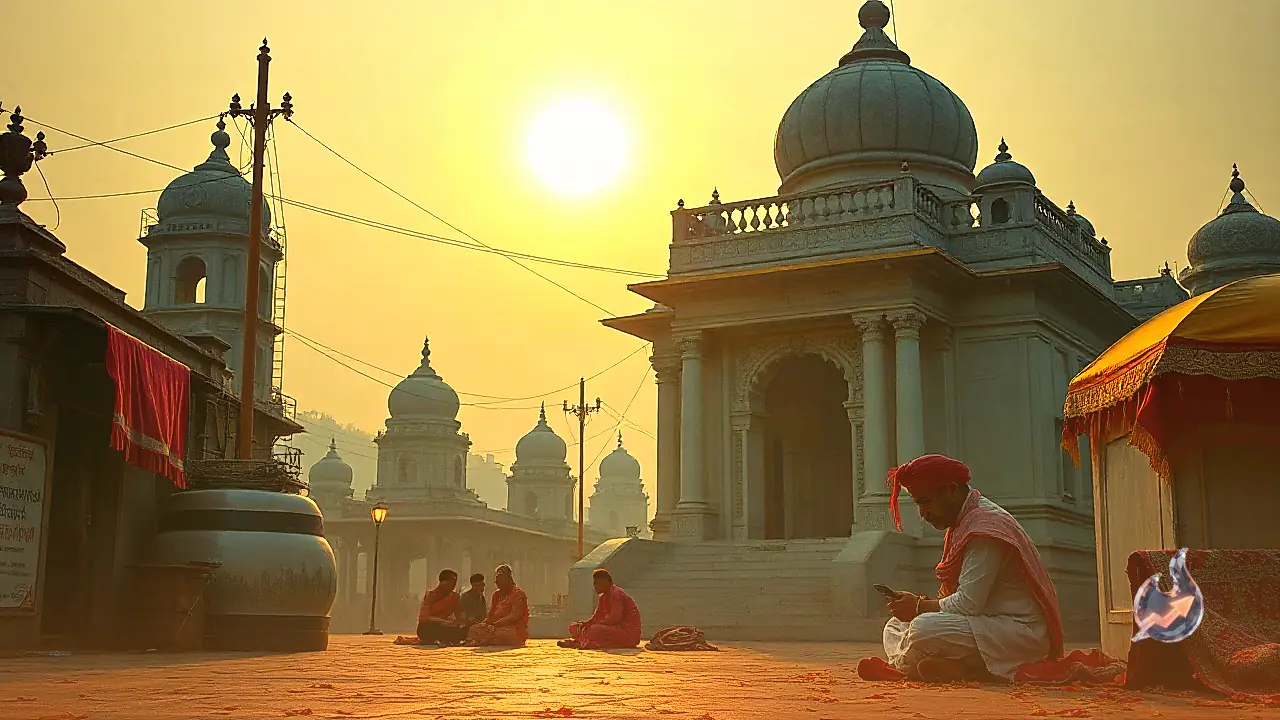

In Hindu religious traditions, Pitru Paksha represents an intensely sacred fortnight dedicated to honouring departed ancestors through tarpan, pinda daan, and charitable offerings. The annual observance provides families an opportunity to express deep gratitude to previous generations while seeking their blessings for peace and prosperity. This year, Pitru Paksha commences on 26 September. Each tithi or lunar day throughout this period carries distinct spiritual significance and corresponds directly to the specific lunar date on which an individual passed away. According to Acharya Indu Prakash, conducting ancestral rituals on the appropriate day satisfies the departed souls and brings immense material and spiritual rewards to the family.
Purnima Shraddha: 26 September
The ceremonial observances begin with the Purnima Shraddha scheduled for 26 September. This initial day is specifically reserved for those ancestors who passed away on a full moon day across any lunar month of the year. Performing memorial rites on Purnima carries substantial spiritual merit for the household. Participating in charity and tarpan on this occasion blesses the performer and their family with refined intellect, physical vitality, harmonious lineage through children and grandchildren, and enduring material prosperity.
Pratipada Shraddha: 27 September
The rites for Pratipada will be conducted on 27 September. This date is designated for honouring family members who departed on the Pratipada tithi of either Shukla Paksha or Krishna Paksha in any month. Fulfilling ancestral obligations on Pratipada is traditionally believed to enhance the practitioner's mental clarity and wisdom. Furthermore, this ritual fosters overall well-being, ensures lineage continuity through blessed offspring, and secures long-term familial wealth.
Dwitiya Shraddha: 28 September
The Dwitiya tithi rituals fall on 28 September, addressing all ancestors who passed away on the second day of either lunar fortnight throughout the calendar year. In classical scriptures, this observance is also referred to as Praushthapadi Shraddha. Offering tarpan and food on Dwitiya is associated with tangible financial growth. The household performing these rites is said to experience steady accumulation of wealth and uninterrupted access to comfort and resources.
Tritiya Shraddha: 29 September
Tritiya Shraddha takes place on 29 September, serving those who breathed their last on the third lunar day of any fortnight. Dedicated ceremonies on this day hold particular significance for removing obstacles. Tradition dictates that offering rituals on Tritiya protects the individual from hidden adversaries, nullifies hostile intentions, and liberates the practitioner from persistent anxieties and troubles.
Chaturthi Shraddha: 30 September
The ancestral observances for Chaturthi will take place on 30 September. This day caters to relatives whose demise occurred on the fourth tithi of either Krishna or Shukla Paksha. The spiritual outcome linked with Chaturthi Shraddha is uniquely defensive. Undertaking the sacred obligations on this date is believed to grant the individual intuitive foresight regarding impending hostilities or potential harm orchestrated by ill-wishers, enabling proactive safeguards.
Panchami and Shashthi Shraddha: 1 October
Rituals for both Panchami and Shashthi will converge on 1 October this year. This day is reserved for honouring deceased family members who passed away on either the fifth or sixth tithi of any lunar month. Additionally, there is a special injunction for individuals who departed while unmarried; their shraddha is also performed on this combined date. Performing rites on this occasion invokes the generous grace of Goddess Lakshmi, ensuring stable fortunes and sustained economic prosperity.
Saptami Shraddha: 2 October
Saptami Shraddha is scheduled for 2 October, dedicated to individuals who left their mortal bodies on the seventh day of any lunar fortnight. Engaging in pious offerings on Saptami is considered equal in spiritual virtue to performing major sacred yajnas. The devotee who organizes shraddha on this day is rewarded with elevated thoughts, mental purity, and profound spiritual distinction.
Ashtami Shraddha: 3 October
The eighth lunar day observance, or Ashtami Shraddha, will be performed on 3 October. It covers all ancestors whose earthly journey concluded on the Ashtami tithi of any month. Honouring forebears on this particular day is regarded as exceptionally fruitful. The scriptures indicate that the practitioner who completes these rituals attains all-round abundance, encompassing social respect, domestic stability, and holistic success.
Navami Shraddha: 4 October
The sacred rites of Navami will be observed on 4 October, honoring ancestors who passed away on the ninth tithi. This date carries profound significance for the departed matriarchs and married women who passed away before their husbands. Consequently, it is popularly revered as Matru Navami. Conducting memorial rituals on this day honors feminine ancestral lineage, bestowing profound marital happiness, domestic harmony, and elevated social stature upon the devotee.
Dashami Shraddha: 5 October
Dashami Shraddha is set for 5 October, designated for relatives who departed on the tenth day of either fortnight. This observance directly correlates with financial stability and resilience. Fulfilling the duties of Dashami Shraddha ensures that the family remains protected against poverty, enjoying an enduring flow of fortune and financial security across generations.
Ekadashi Shraddha: 6 October
The Ekadashi tithi observance falls on 6 October, catering to souls who passed away on the eleventh lunar day. Among all the dates of Pitru Paksha, Ekadashi is celebrated as one of the most auspicious and meritorious. Undertaking pious ceremonies on this day blesses the devotee with sacred knowledge of the scriptures, profound intellectual awakening, and persistent affluence.
Dwadashi Shraddha: 7 October
Dwadashi Shraddha will be conducted on 7 October. It addresses family members who died on the twelfth tithi of any fortnight. In addition, this specific day is strictly prescribed for performing the death anniversaries of individuals who had embraced renunciation or sannyasa prior to their demise. Families observing Dwadashi Shraddha are said to be blessed with an abundance of food grains, ensuring their household never encounters shortages.
Trayodashi Shraddha: 8 October
The rites for Trayodashi take place on 8 October, covering those who passed away on the thirteenth day of either lunar cycle. A notable prescription for Trayodashi is that it is also reserved for departed newborn infants. Completing ancestral ceremonies on this day blesses the performer with superior wisdom, worthy progeny, sharp retention capacity, genuine independence, vitality, and longevity.
Chaturdashi Shraddha: 9 October
Chaturdashi Shraddha will occur on 9 October, dedicated to souls whose natural death occurred on the fourteenth tithi. Crucially, this date is universally appointed for commemorating ancestors who suffered unnatural or premature deaths, such as those caused by accidents, weapons, violence, or poison. Performing tarpan on Chaturdashi pacifies troubled spirits and protects the living family members from sudden perils, accidents, and unfounded fears.