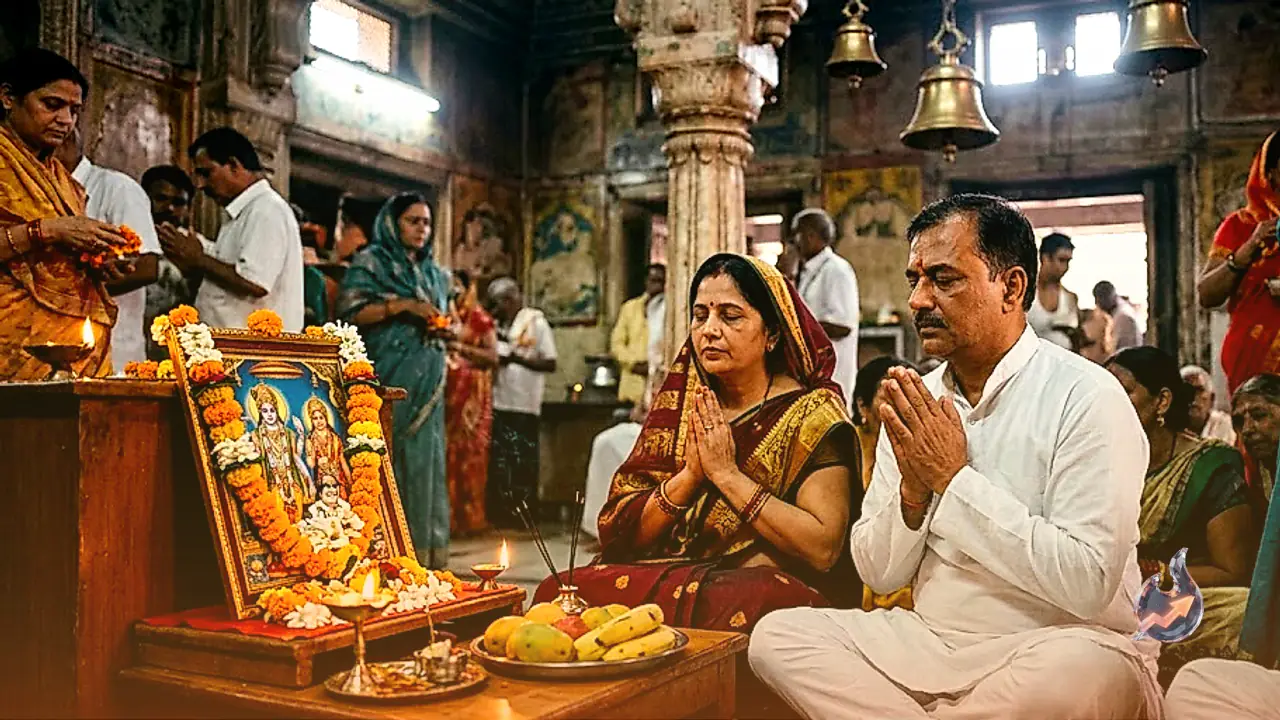





















According to the Hindu calendar, there are four Navratris celebrated throughout the year, but the Ashadha Gupt Navratri is considered the most critical period for deep spiritual practice and the worship of the Divine Mother. This festival commences on the Pratipada Tithi of the Shukla Paksha in the month of Ashadha and lasts for nine days. During this sacred period, devotees immerse themselves in the worship of Maa Durga, engage in chanting mantras, perform intense tantric practices, and offer prayers to the ten Mahavidyas. There is a deep-rooted belief that these intense rituals allow devotees to attain the divine grace of the Goddess and foster profound spiritual growth.
A Rare Celestial Arrival
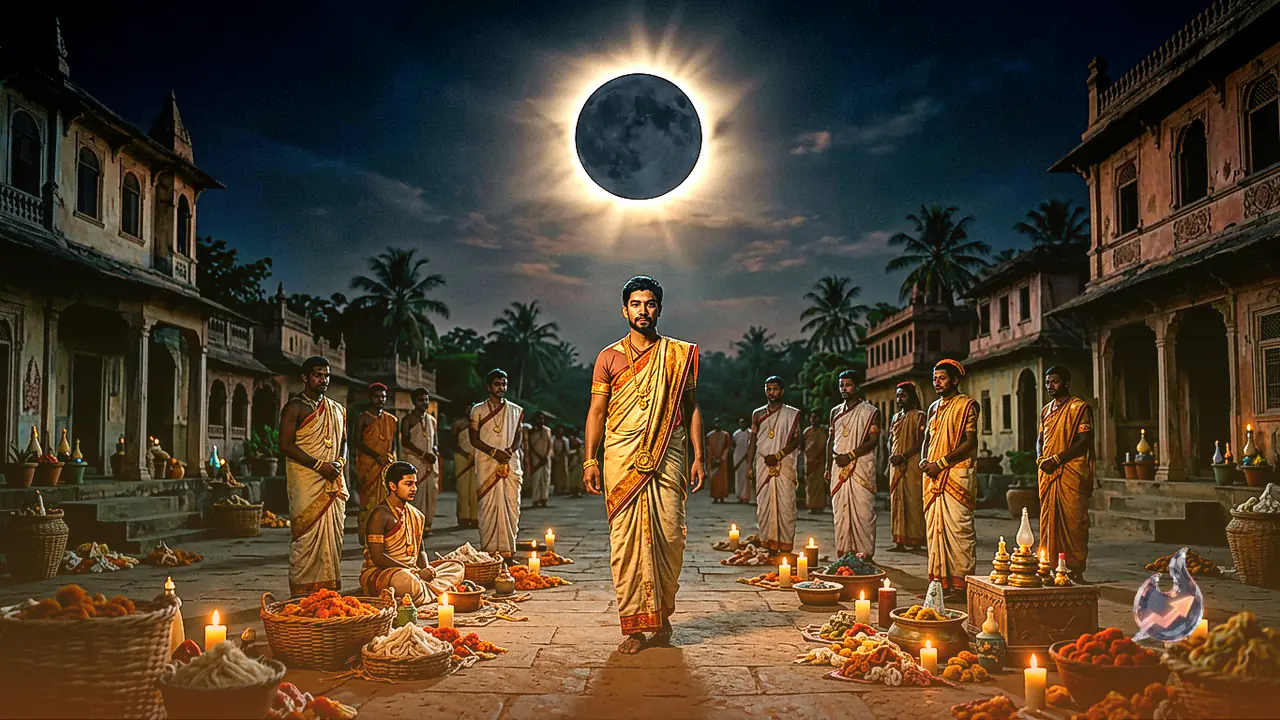
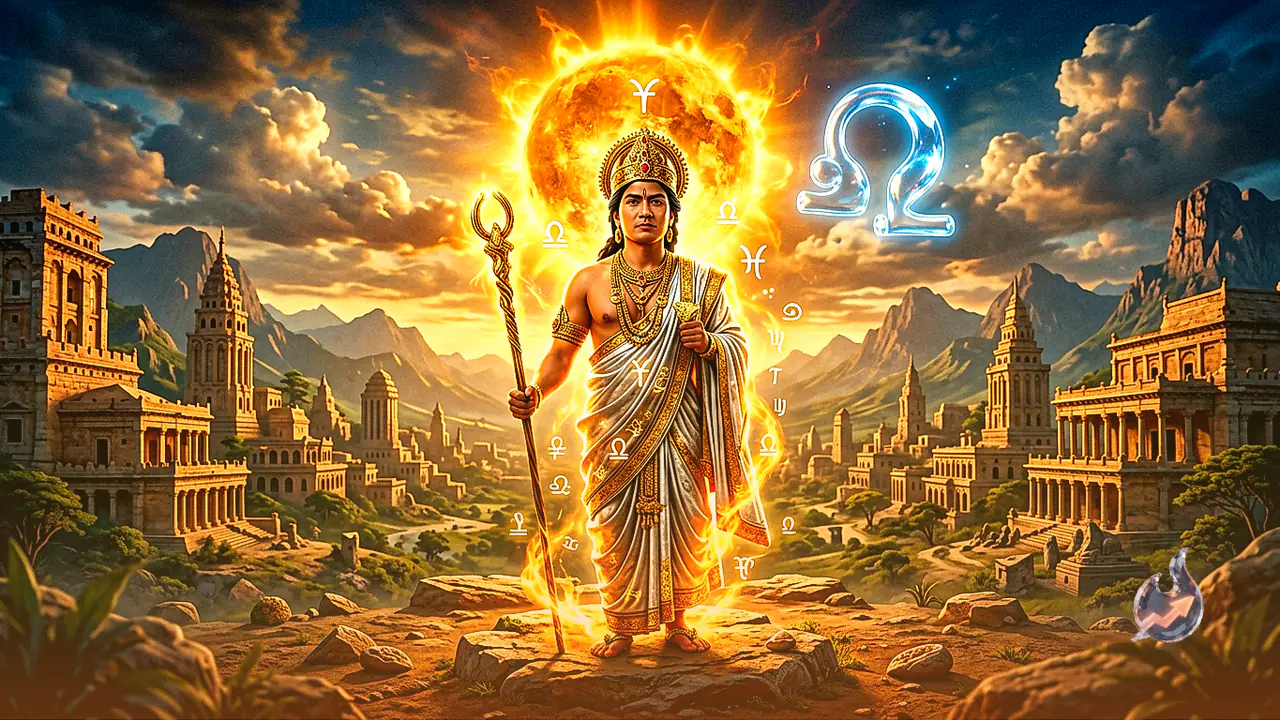
This year, Gupt Navratri is set to begin on July 15. What makes this particular occasion extraordinary is that it coincides with a rare celestial event that occurs only once every 12 years: the formation of the Gajkesari Yoga alongside the Budh Pushya Yoga. Vedic astrology confirms that on July 15, the Pushya Nakshatra will be active, and the Moon will be positioned in the Cancer sign. Since Jupiter takes 12 years to transit through a single sign, its conjunction with the Moon creates the highly auspicious Gajkesari Yoga, making this an exceptionally powerful time for spiritual endeavors.
The Goddess Arrives by Boat
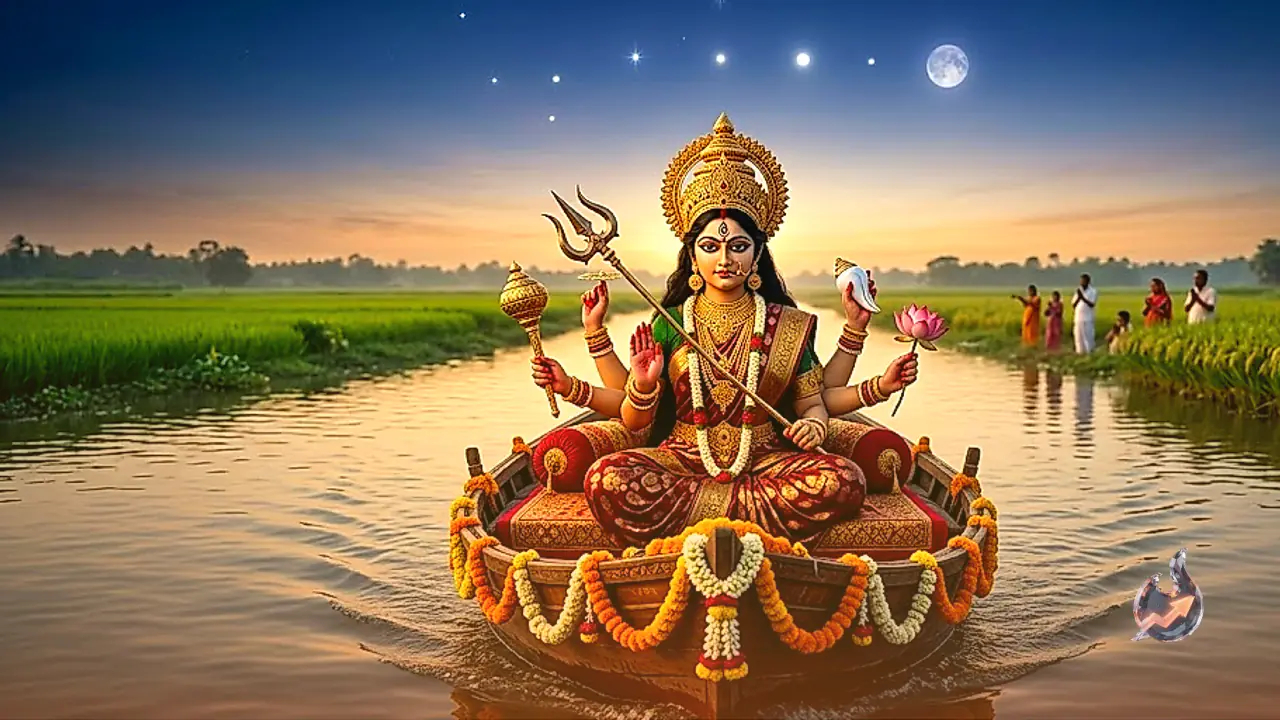
Religious scriptures dictate that the vehicle or 'vahana' of the Goddess is determined by the day of the week on which the Navratri begins. Since this year’s Gupt Navratri starts on a Monday (July 15), the Mother Goddess is arriving on a boat. According to the Devi Bhagavata Purana, arriving on a boat is an auspicious omen, symbolizing abundant rainfall, widespread prosperity, and significant progress in agriculture. For agrarian regions, this is regarded as a sign of great fortune. It is believed that the Goddess arriving via boat signifies the alleviation of the devotees' sufferings and the ushering in of happiness and abundance.
Special Rituals in Ujjain
In the holy city of Ujjain, preparations are underway for special observances throughout Gupt Navratri. Renowned ancient temples, including the Harsiddhi Temple, Baglamukhi Temple, Garhkalika Temple, and Chausath Yogini Temple, as well as other prominent Sidhpeeths, will host elaborate rituals and worship. Throughout these nine days, devotees will seek the blessings of the ten Mahavidyas, including Maa Kali, Tara, Tripura Sundari, Bhuvaneshwari, and Baglamukhi. The festival will conclude on the ninth day with the traditional Havan and Purnahuti.