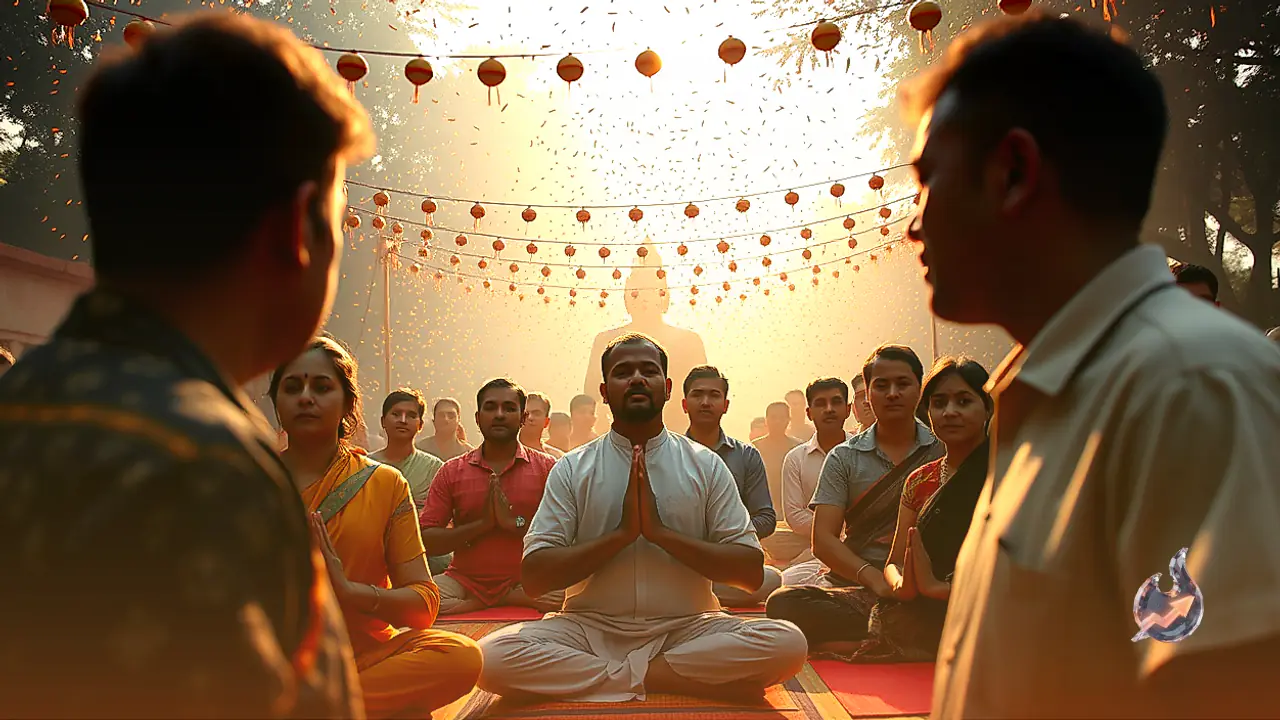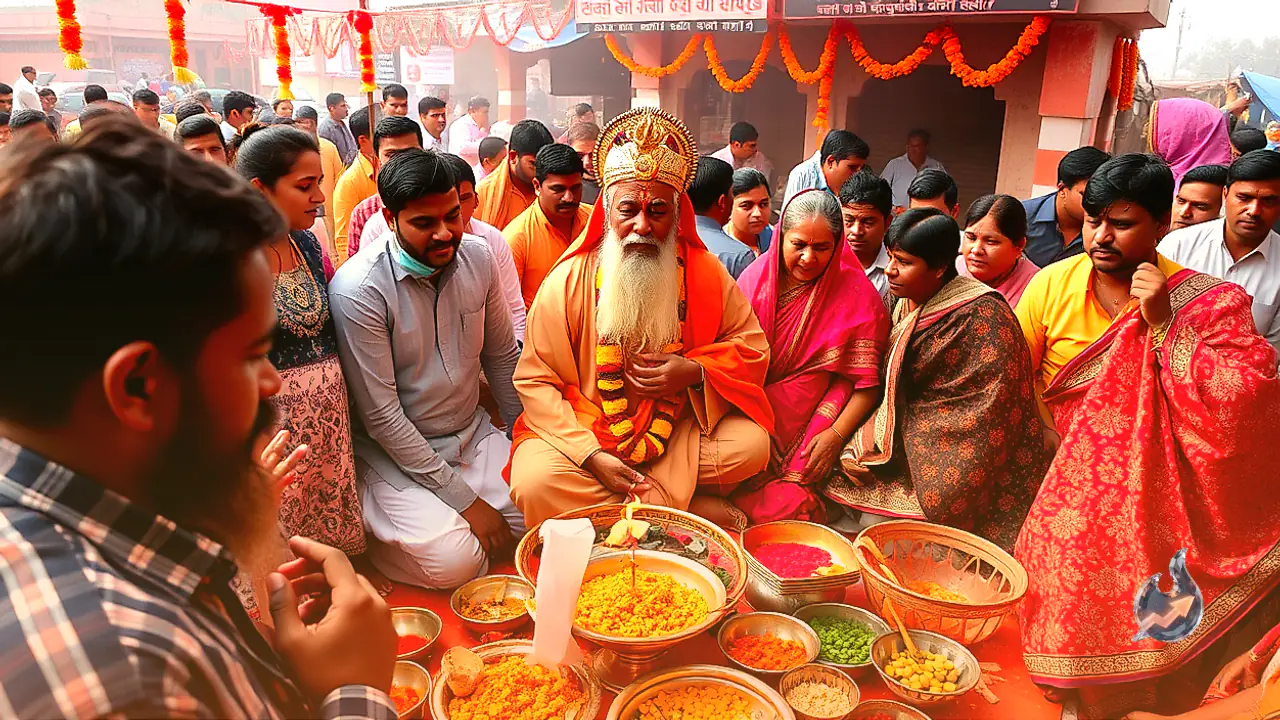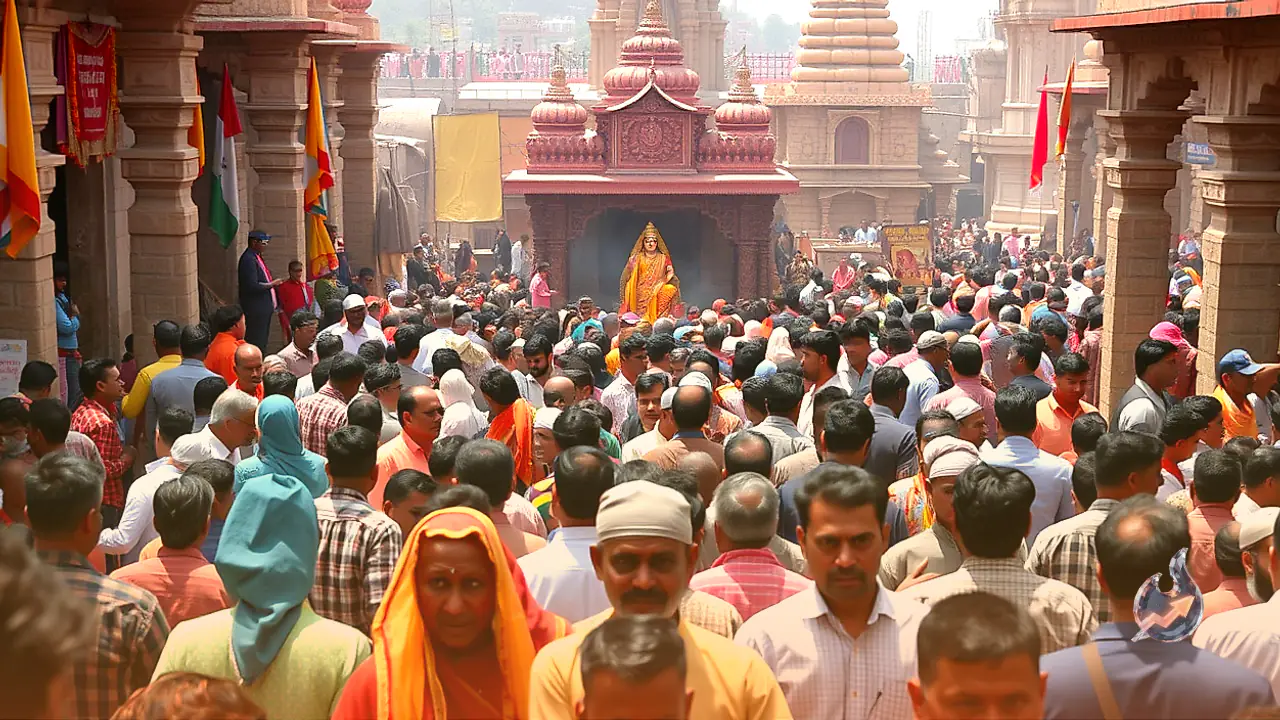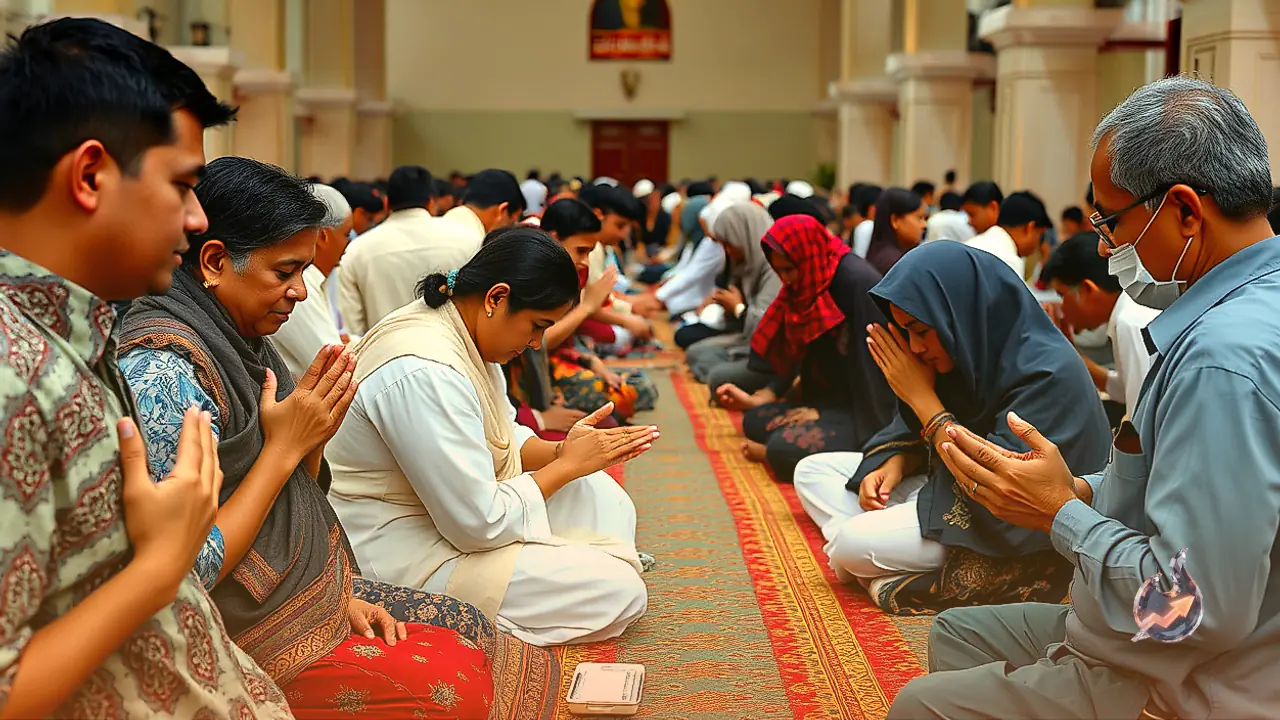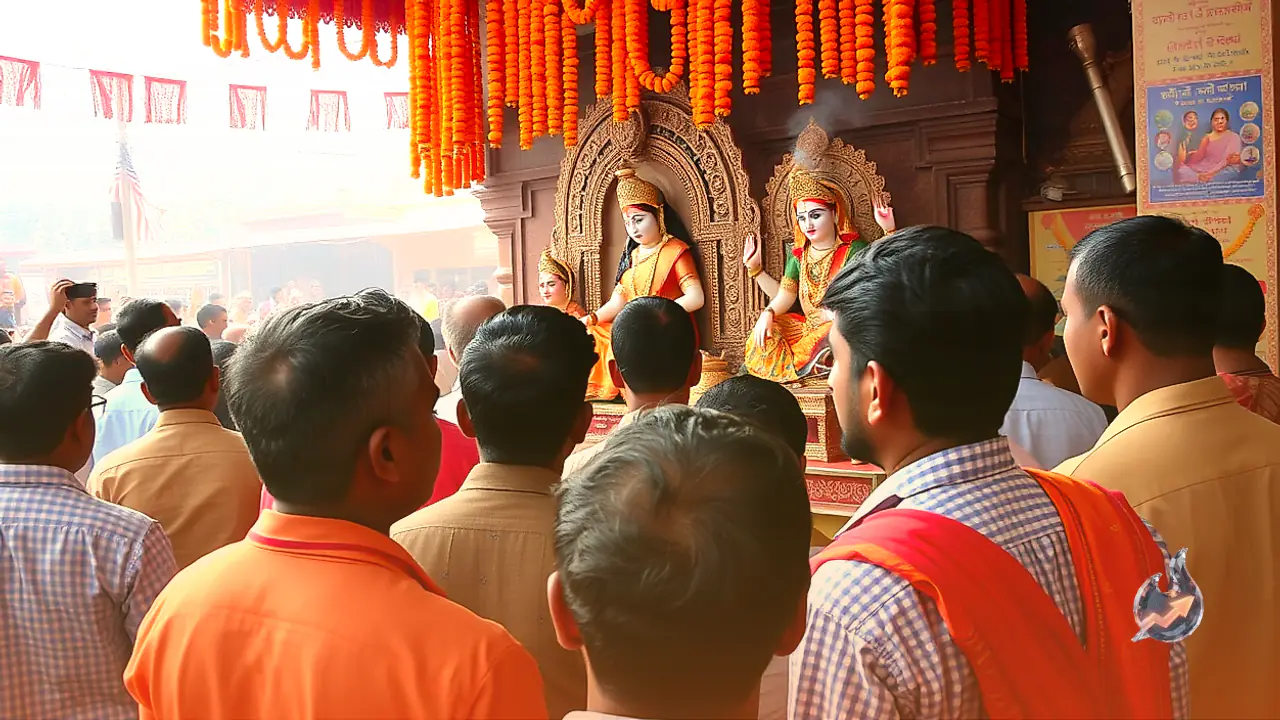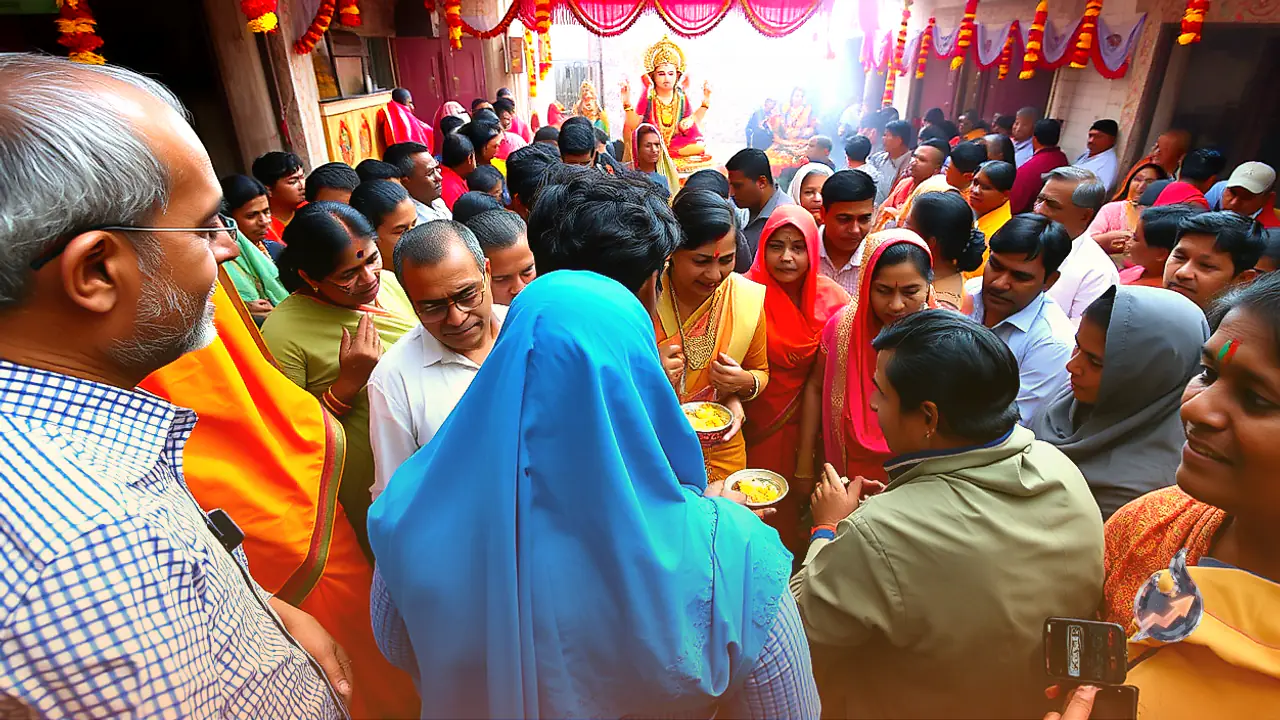

















Devotees across the country are preparing for the sacred observance of Ashwin month's divine feminine festival. Within the Hindu traditional calendar, four distinct Navratri windows occur every year. Among these, the spiritual cycles falling in the months of Magha and Ashadha are reserved as Gupt Navratri for esoteric spiritual practices. Conversely, the celebrations during Chaitra and Ashwin are observed on a grand scale by household devotees. The autumn festival, Sharadiya Navratri 2026, officially commences on Sunday, October 11, ushering in days of focused fasting, chanting, and prayers dedicated to seeking peace, well-being, and material harmony.
Significance of Goddess Durga's Arrival on an Elephant
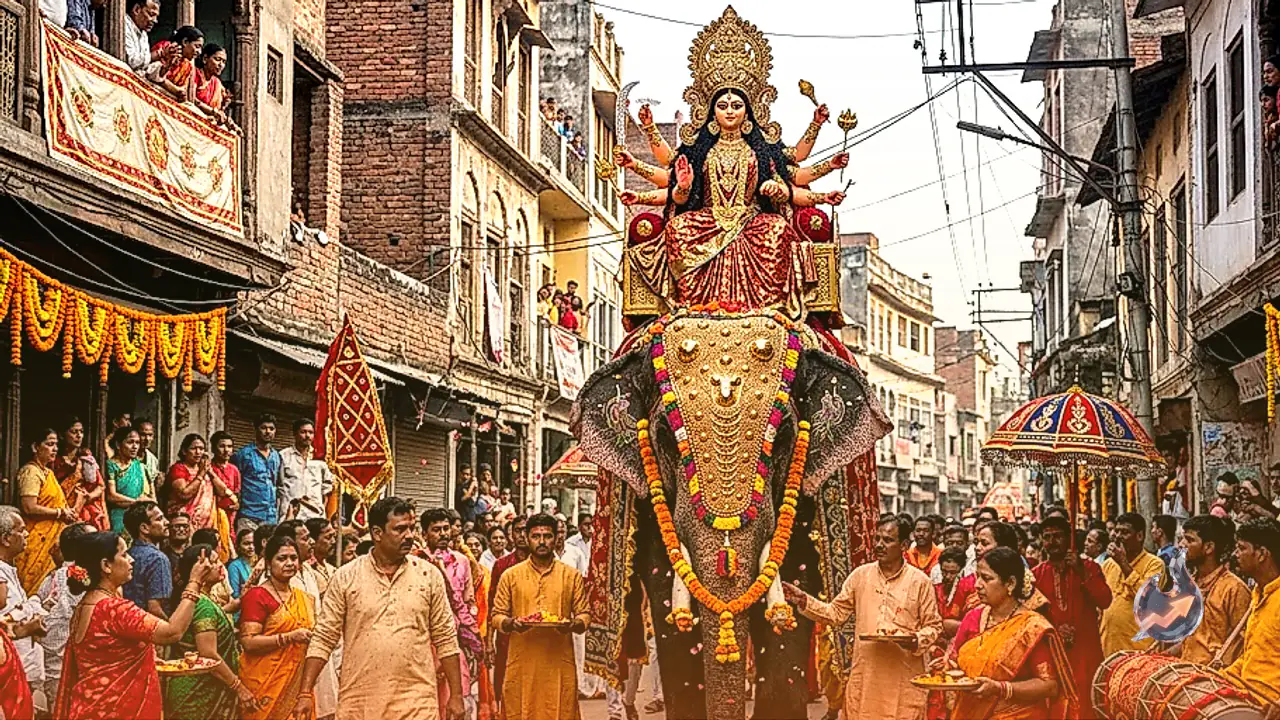
Scriptural customs hold that the specific weekday on which Navratri starts determines the vehicle chosen by the Goddess for her cosmic arrival. Because the first day falls on a Sunday in 2026, religious tradition marks the elephant as her designated vehicle. Within astrological tradition, an elephant represents unshakeable stability, peace, and bountiful prosperity. The symbolic presence of an elephant arrival is traditionally regarded as an omen of abundant agricultural rainfall, high grain yields, and general economic flourishing across communities.
Auspicious Timings for Ghatasthapana
The sacred invocation of the Goddess begins with the installation of the ritual urn, known as Ghatasthapana, on the opening morning. For devotees organizing their morning prayers, the primary Ghatasthapana window runs from 6:19 AM until 10:12 AM. For those seeking an afternoon alternate, the Abhijit Muhurat window opens at 11:44 AM and extends until 12:31 PM. Adhering to these sanctioned times is considered spiritually auspicious for initiating festive rituals.
Why the Festival Extends to 10 Days
While the Sharadiya celebration typically spans nine successive days, calendar adjustments in lunar dates have lengthened the duration of the 2026 festivities to ten days. According to the panchang, the Saptami tithi will be observed across two separate days, adding a full day to the festive schedule. Commencing on October 11, the cycle will conclude on October 20 alongside Vijayadashami and Dussehra. The devotional core remains centered on worshipping the nine manifestations of the Goddess, meaning the scriptural count of nine forms stays preserved even as the observance timeline spans ten calendar days.
Daily Schedule for Sharadiya Navratri 2026
The daily sequence of devotional rituals across the ten-day period proceeds as follows
- October 11: Pratipada tithi brings the ceremonial Ghatasthapana along with prayers to Maa Shailputri.
- October 12: Dwitiya tithi is dedicated to the penance and discipline of Maa Brahmacharini.
- October 13: Tritiya tithi features worship of Maa Chandraghanta.
- October 14: Chaturthi tithi is assigned to the invocation of Maa Kushmanda.
- October 15: Panchami tithi marks rituals honoring Maa Skandamata.
- October 16: Shashthi tithi centers on ceremonies celebrating Maa Katyayani.
- October 17: Saptami tithi is devoted to the fierce grace of Maa Kalaratri.
- October 18: The Saptami tithi continues, aligning with Mahanisha Puja and Durga Ashtami observances.
- October 19: Confluence of Ashtami and Navami tithis, accompanied by the traditional Kanya Pujan feast.
- October 20: Culmination of Navami ceremonies followed by the festival of Vijayadashami and Dussehra.
Spiritual Reflection and Self-Discipline
Observing the nine sacred aspects of divine power is treated as an avenue to purge personal negativity and invoke spiritual balance. Engaging in fasting, mental restraint, and charitable deeds over these ten days allows households to renew spiritual focus. The extended ten-day duration concluding on October 20 offers an expanded window for contemplation and sacred celebrations.