
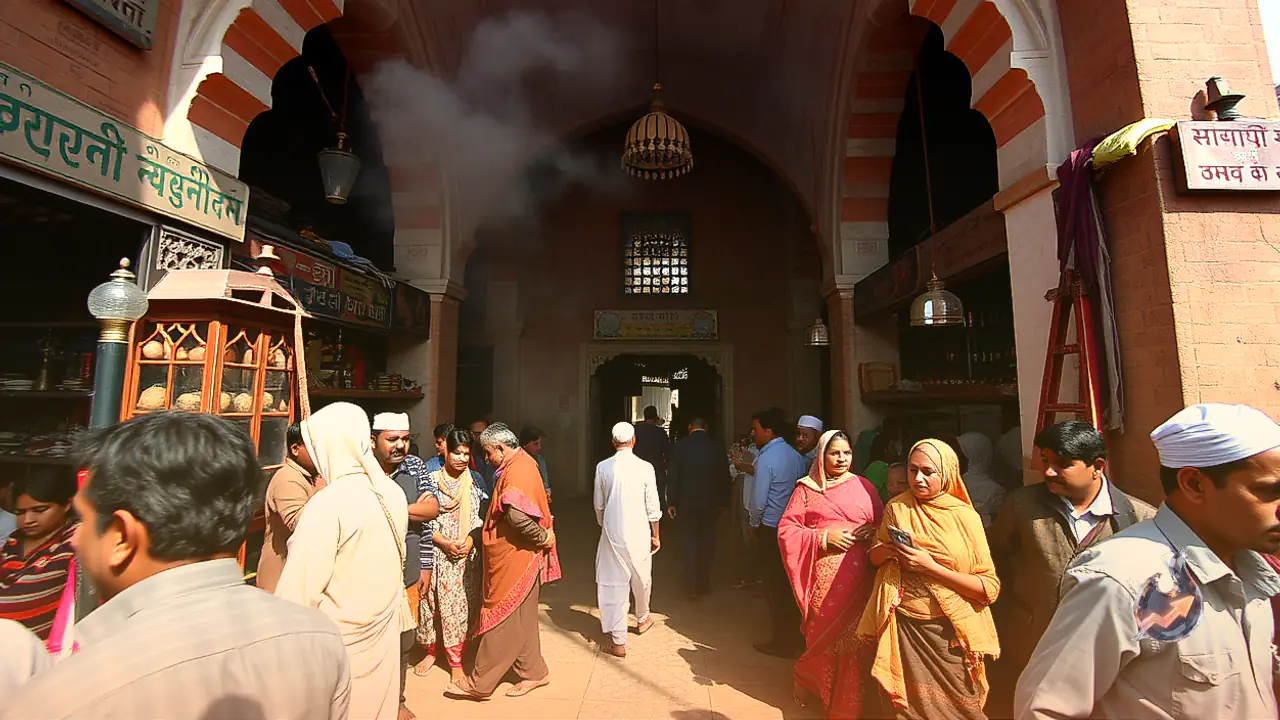

















Hyderabad, widely recognized for its rich Deccan heritage and historic monuments, is home to a unique confluence of regional traditions from across India. A prime illustration of this cultural harmony is the Sri I Mataji Temple located at Jeedimetla, also known as Subhash Nagar, in the Quthbullapur area. Carved meticulously from red sandstone in traditional Rajasthani style, this majestic temple has established itself as an important centre of devotion and northern architectural heritage in southern India.
Foundation by the Seervi Community
The temple was founded in February 2008 through the initiatives of the Seervi Samaj Trust. Members of the migrant Seervi and Marwari communities, who relocated from Rajasthan to Hyderabad for business and livelihoods, built this sanctuary to preserve their religious customs and cultural identity in the city. Over time, the shrine has evolved into a prominent place of prayer and mental solace for devotees across the region.
Spiritual Roots in Bilara and the Akhand Jyot
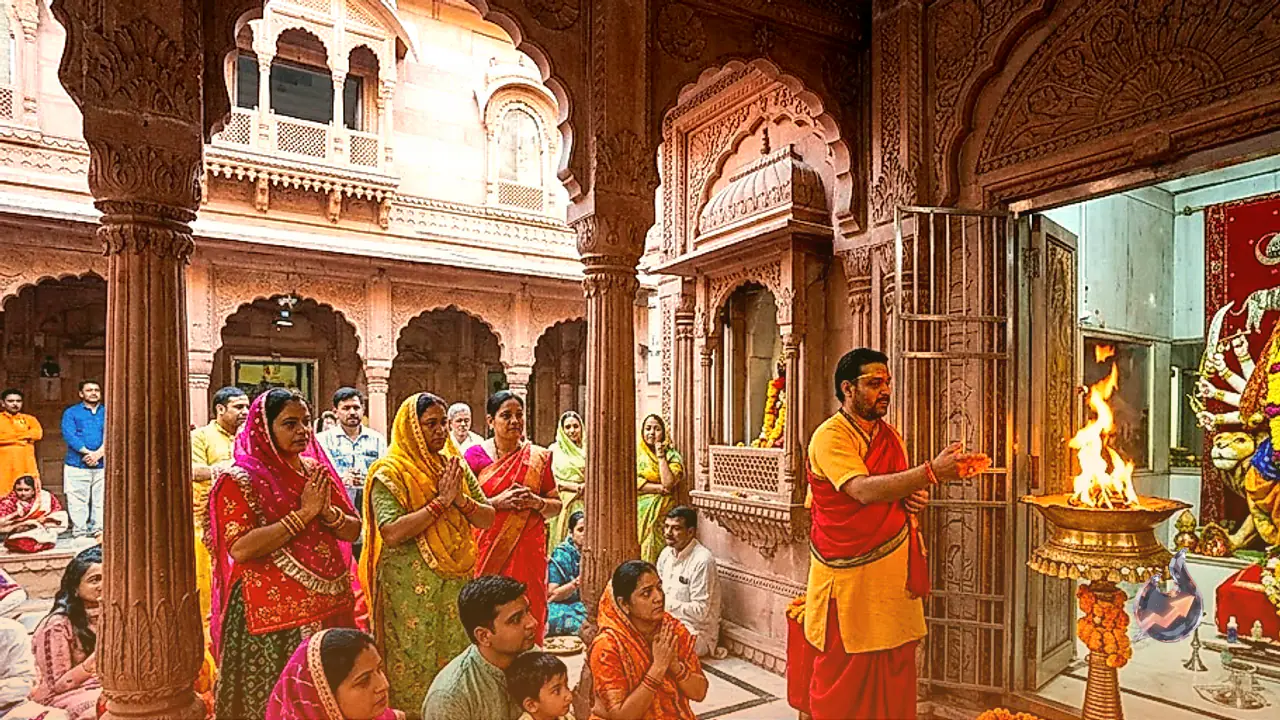
According to the head priest of the shrine, I Mataji is revered as an incarnation of the divine feminine power, Maa Amba Hinglaj. Her primary historical seat is situated in Bilara, within Rajasthan's Jodhpur district. When the Jeedimetla temple was consecrated in 2008, a sacred eternal flame, known as the Akhand Jyot, was brought directly from the main shrine in Bilara. This holy flame burns continuously inside the sanctum sanctorum.
Fort-Inspired Architecture and Sanctum Deities
The structural design of the temple draws heavy inspiration from the grand palaces and historic forts of Rajasthan. The premises are adorned with ornate jharokhas, carved pavilions or chhatris, intricate red sandstone work, and expansive gateway portals. Inside the sanctum sanctorum sits a magnificent 16-armed idol of I Mataji sculpted from pristine white marble, holding various divine weapons and auspicious symbols in her hands. Images of Lord Ganesha and Lord Hanuman grace the sanctum entrance. Furthermore, the shrine houses an idol of Kshetrapal Bhairavnath to the right of the main deity and Radha-Krishna on the left, alongside a large dedicated havan kund built within the grounds.
Festivals and Pilgrim Amenities
Religious rituals and ceremonies take place at the temple throughout the year. During both the Chaitra and Sharadiya Navratri festivals, the temple hosts nine days of special yagyas, havan ceremonies, Chandi Path recitations, Kanya Bhoj, and large-scale community feasts or annadanam. To support visiting pilgrims and travellers arriving from distant regions and other states, the premises offer a well-maintained residential building along with organized food arrangements.