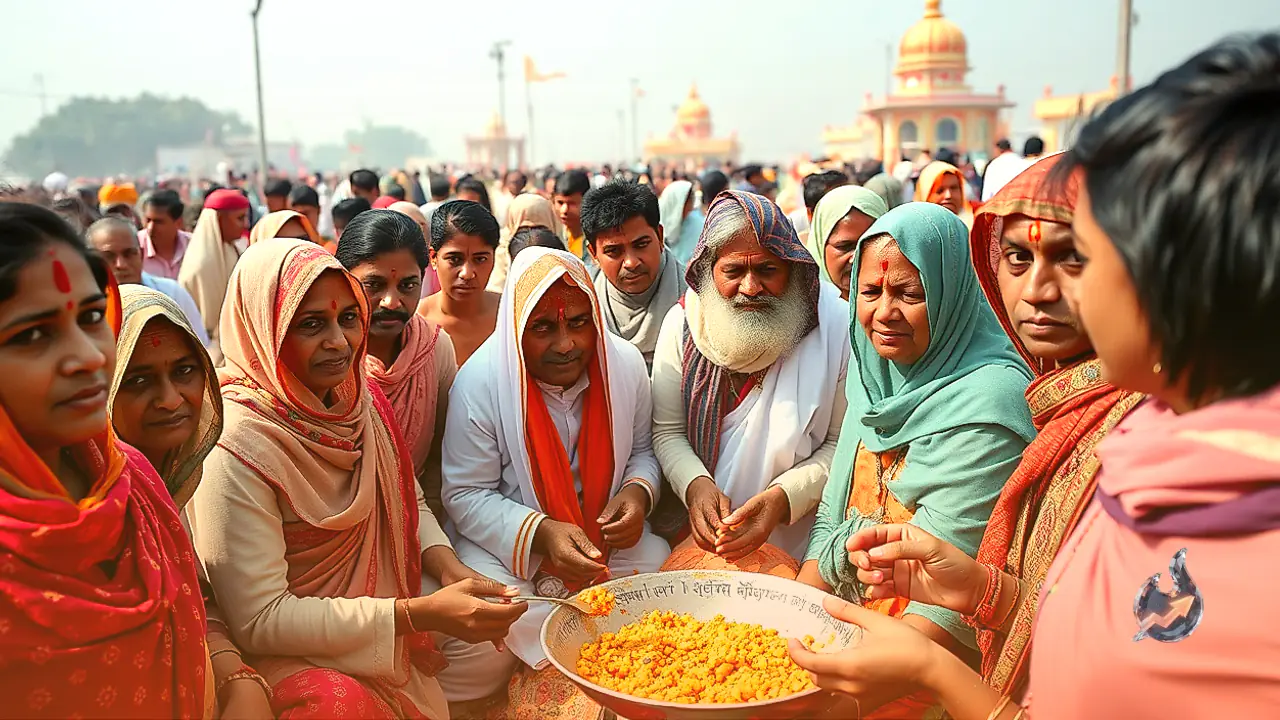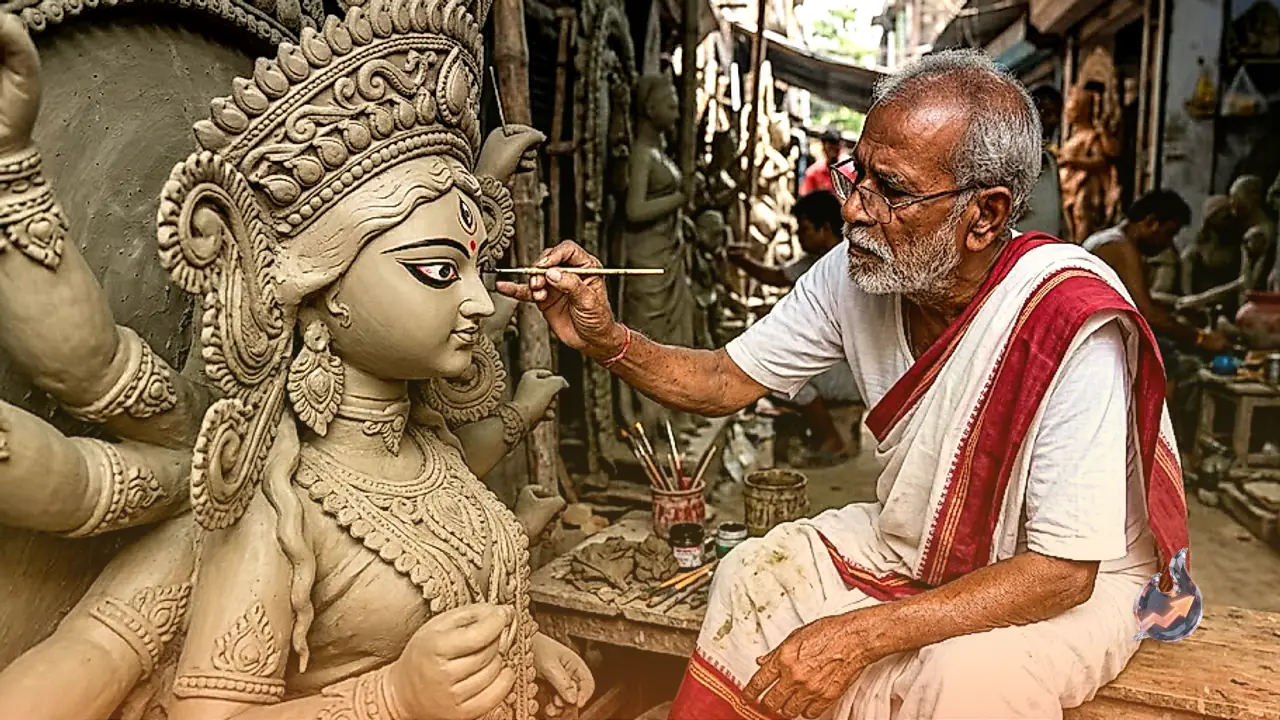


















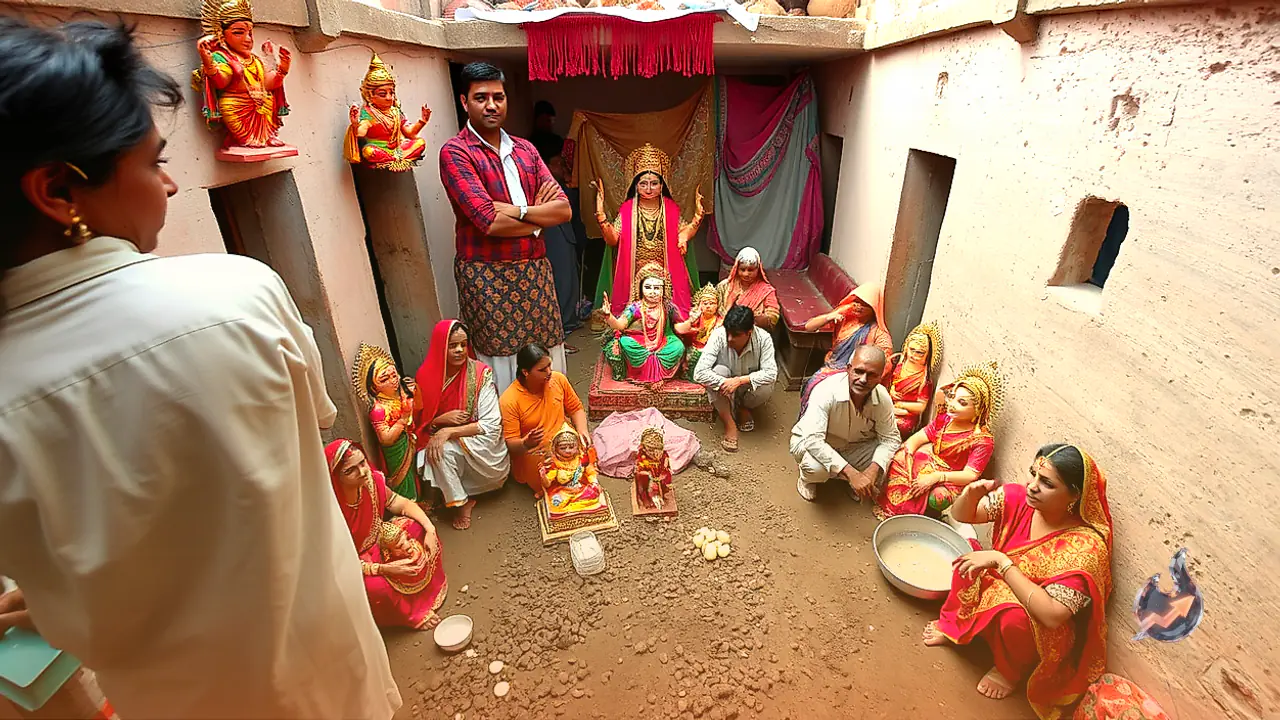
With the arrival of Navratri, the installation of grand and imposing idols of Goddess Durga begins in full swing across the country. In the Purvanchal belt, particularly in Jaunpur, traditional sculptors immerse themselves in the idol-making process months in advance. Steeped in devotion and heritage, this creative ritual entails several customs that often catch observers by surprise. Chief among these traditions is the practice of blending earth collected from courtesan courtyards into the sculpting clay. Far from being a mere oddity, this long-standing custom carries profound religious, cultural, and social significance. The entire sculpting endeavor commences with this uniquely blended sacred clay, revered in traditional practice as Punya Maati.
The Concept of Punya Maati and Social Inclusion
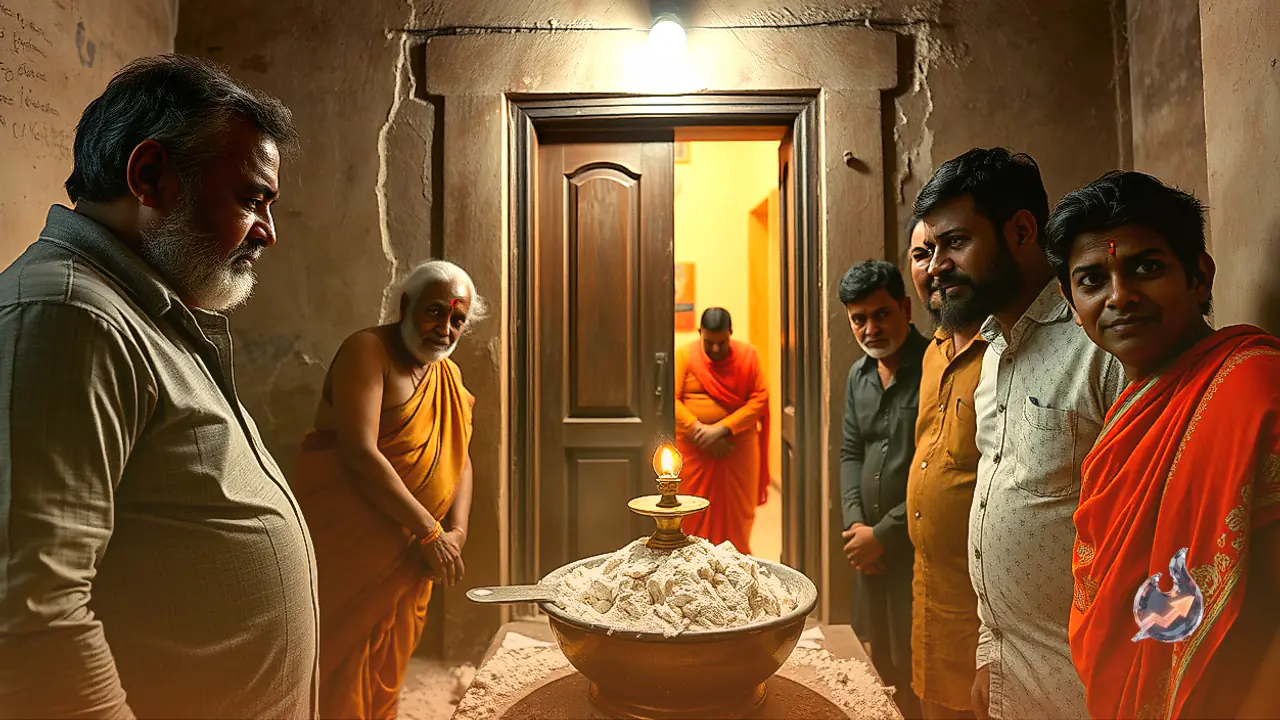
When craftsmen prepare the clay base for the deity, they combine sacred mud gathered from the banks of the river Ganga with soil sourced from areas where courtesan quarters were situated. Experienced artisans based in Jaunpur explain that under traditional beliefs, the sacred form of Goddess Durga cannot be deemed complete unless it incorporates an essence from every stratum of society. Infusing earth from the doorstep of a courtesan symbolizes that the Mother Goddess belongs not only to ascetic monks, pious householders, or devoted pilgrims, but equally to those individuals whom mainstream society has frequently pushed to the peripheries.
A Generational Custom Reflecting Universal Grace
Local artisans emphasize that the ritual of procuring this soil is an ancestral inheritance passed down through generations. The religious message underlying the ritual is that no segment of humanity can be excluded from the all-encompassing power of Goddess Durga. By deliberately taking earth from quarters that conventional society often stigmatized or marginalized, the practice delivers a clear message: divine benevolence and grace fall upon everyone without distinction or prejudice.
The Festive Landscape of Jaunpur
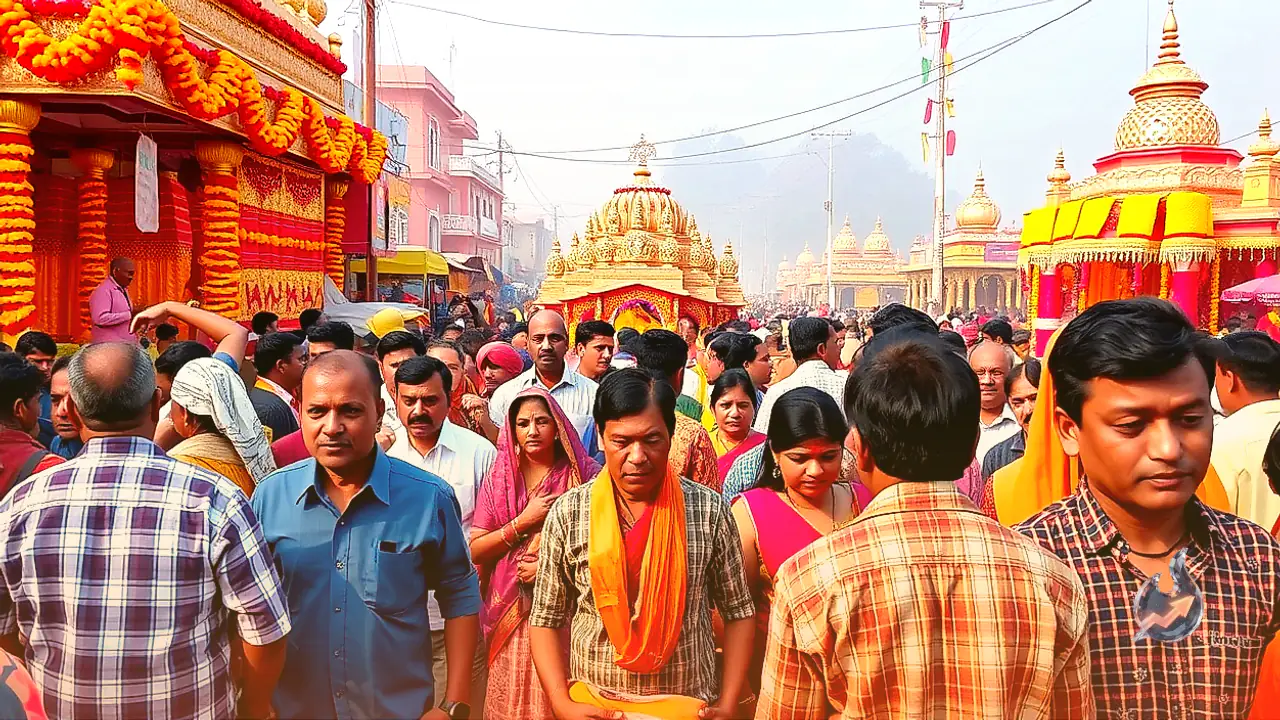
During the festive stretch of Navratri, Durga idols are installed across hundreds of public pandals and temples throughout Jaunpur. The visual appeal and meticulous craftsmanship displayed in these idols draw vast crowds of devotees. Every phase of production, from outlining the expressive eyes of the Goddess to crafting the delicate details of her divine weapons, demands intense concentration and artisan skill. Across this prolonged timeline, the initial selection and preparation of the clay remains the most critical foundation. This essential requirement explains why the discipline of Punya Maati continues to be observed with deep reverence.
Reflections From Master Sculptors
Recalling the traditional principles handed down by previous generations, a veteran artisan from Jaunpur noted, “हमारे गुरु कहा करते थे कि मां दुर्गा की मूर्ति बनाने के लिए मिट्टी केवल खेत या नदी की नहीं ली जाती, बल्कि उसमें वह आस्था भी मिलाई जाती है, जो समाज के हर तबके से आती है।” The artisan further elaborated that collecting soil from courtesan lodgings remains essential because human emotions, heartfelt wishes, and the diverse shades of life exist there as well. Because Goddess Durga serves as the protector of all living beings, this philosophy of total social integration remains visibly reflected everywhere from the narrow workshop lanes of Jaunpur to its grandest public festival pandals.