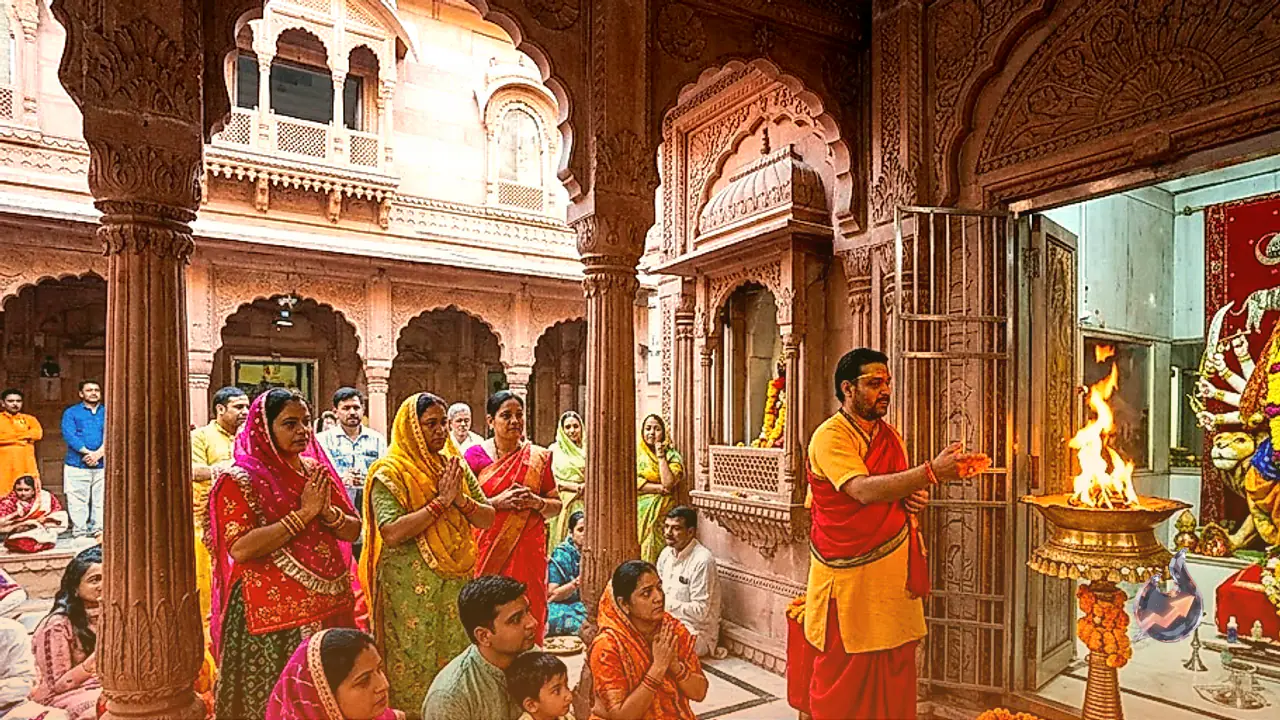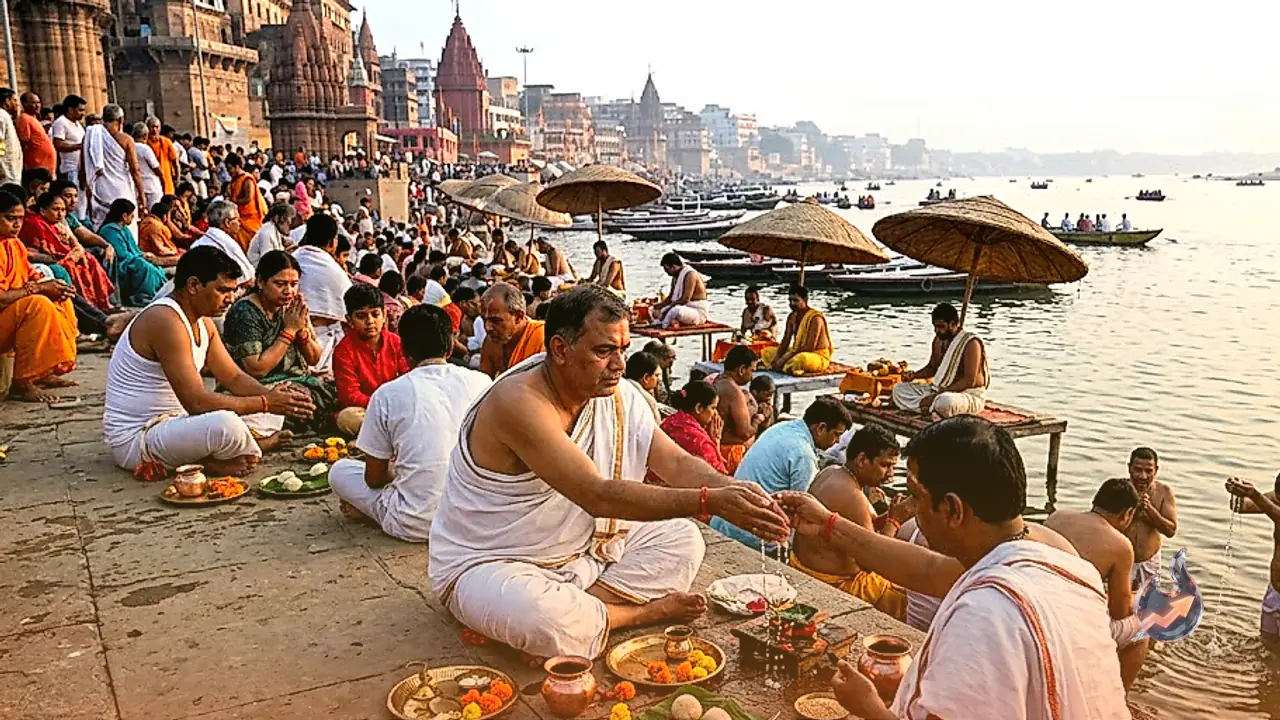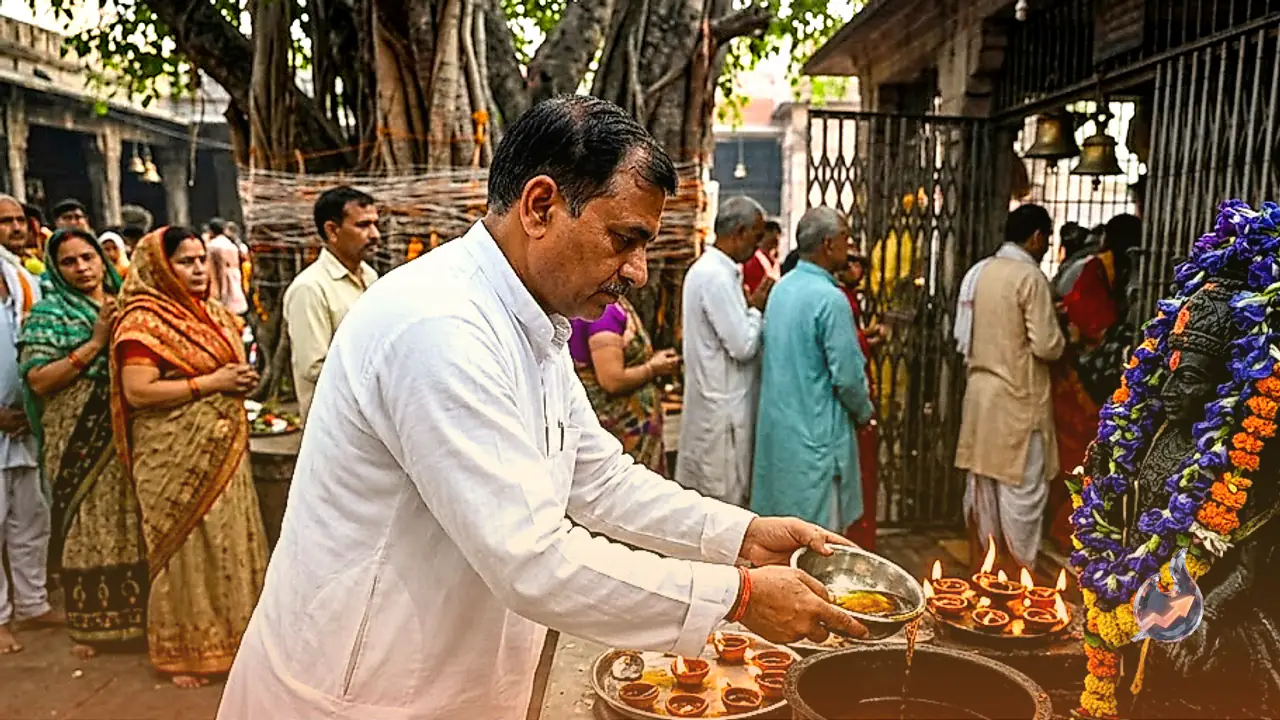


















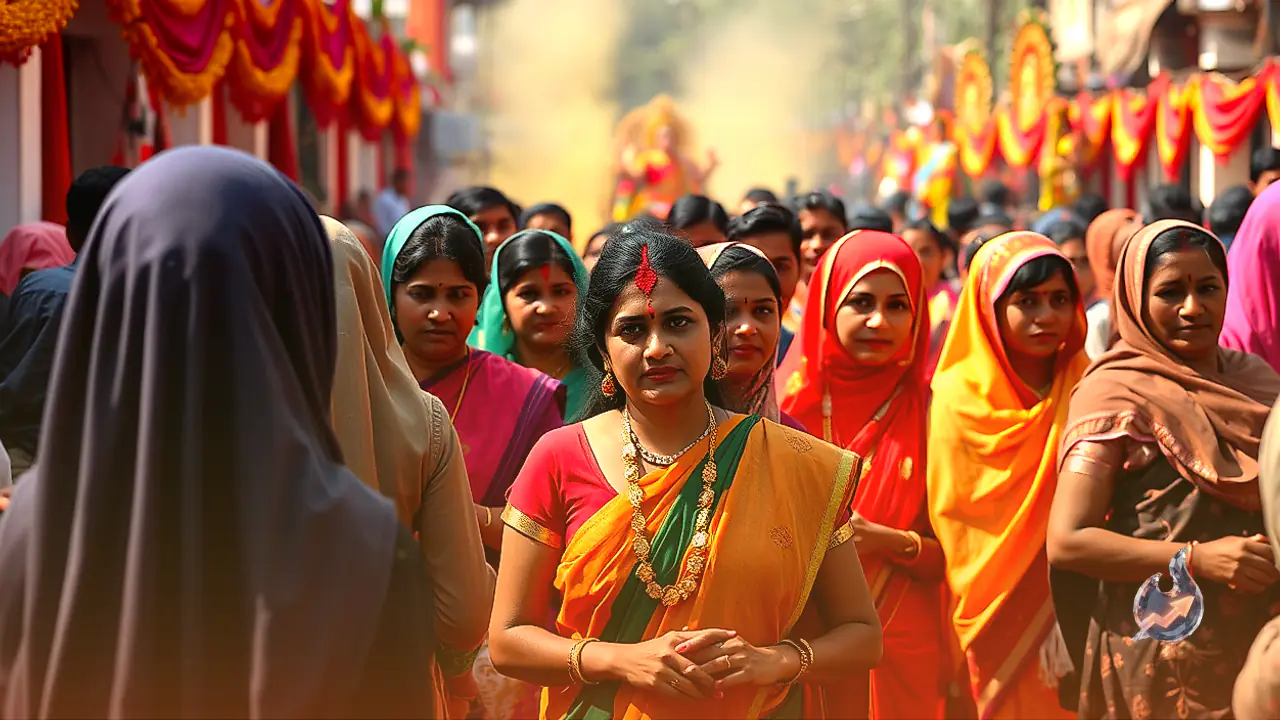

Shardiya Navratri represents one of the most auspicious and revered observances across the Sanatan tradition. Commencing on the Pratipada date of the Ashwin Shukla Paksha and concluding on the Navami date, the sacred nine-day period is devoted to the reverent worship of the nine distinct forms of Goddess Durga. As the celebratory season approaches, devotees frequently reflect upon which particular shades of attire best align with the divine energies invoked on each corresponding day. Selecting the appropriate garments in harmony with daily traditions is widely believed to deepen devotional focus and welcome auspiciousness into domestic rituals.
Daily Color Schedule from Day One to Day Nine
Each date of the festival aligns directly with an individual manifestation of the Goddess alongside a dedicated auspicious shade. On day one, falling on 11 October (Sunday), the worship of Maa Shailputri is observed wearing orange attire. Moving to day two on 12 October (Monday), white garments are recommended for the adoration of Maa Brahmacharini. Day three on 13 October (Tuesday) invites devotees to dress in red for the worship of Maa Chandraghanta.
On day four, falling on 14 October (Wednesday), dark blue or royal blue marks the ritual veneration of Maa Kushmanda. Day five on 15 October (Thursday) honors Maa Skandamata with the wearing of yellow attire. Day six on 16 October (Friday) features green garments to seek the blessings of Maa Katyayani. Day seven on 17 October (Saturday) is marked by grey clothing dedicated to Maa Kalaratri. Day eight on 18 October (Sunday) brings purple apparel for the prayers offered to Maa Mahagauri. Finally, day nine on 19 October (Monday) concludes the festival with peacock green garments honoring Maa Siddhidatri.
Spiritual Symbolism and Meaning Behind Each Hue
Beyond external presentation, every designated hue holds a defined symbolic connection to spiritual well-being and personal conduct. Orange, observed on the opening day, embodies vitality, warmth, and buoyant optimism, instilling a refreshed sense of inner determination as rituals begin. The serene white of the second day communicates pristine purity, tranquility, and inner focus, offering devotees mental composure under the grace of Maa Brahmacharini. On the third day, red radiates courage, fortitude, and protective strength, encouraging an unwavering spirit through the reverence of Maa Chandraghanta.
Royal blue on the fourth day reflects vastness, grandeur, and grounding stability, supporting steady contemplation during prayers to Maa Kushmanda. Yellow on the fifth day signifies intellectual brilliance, optimism, and warm joy, serving as a bright tribute to Maa Skandamata. Green on the sixth day mirrors renewal, fertility, and the flourishing power of nature, welcoming supportive beginnings under the shelter of Maa Katyayani.
Grey on the seventh day fosters emotional restraint, mature balance, and clarity of thought, aiding worshipers seeking fortitude against adversity from Maa Kalaratri. Purple on the eighth day is linked to noble aspirations, elevated ambition, and deep spiritual exploration as devotion turns to Maa Mahagauri. Concluding the nine days, peacock green on the ninth day embodies refined uniqueness and profound compassion, setting a harmonious close to celebrations as blessings are sought from Maa Siddhidatri.