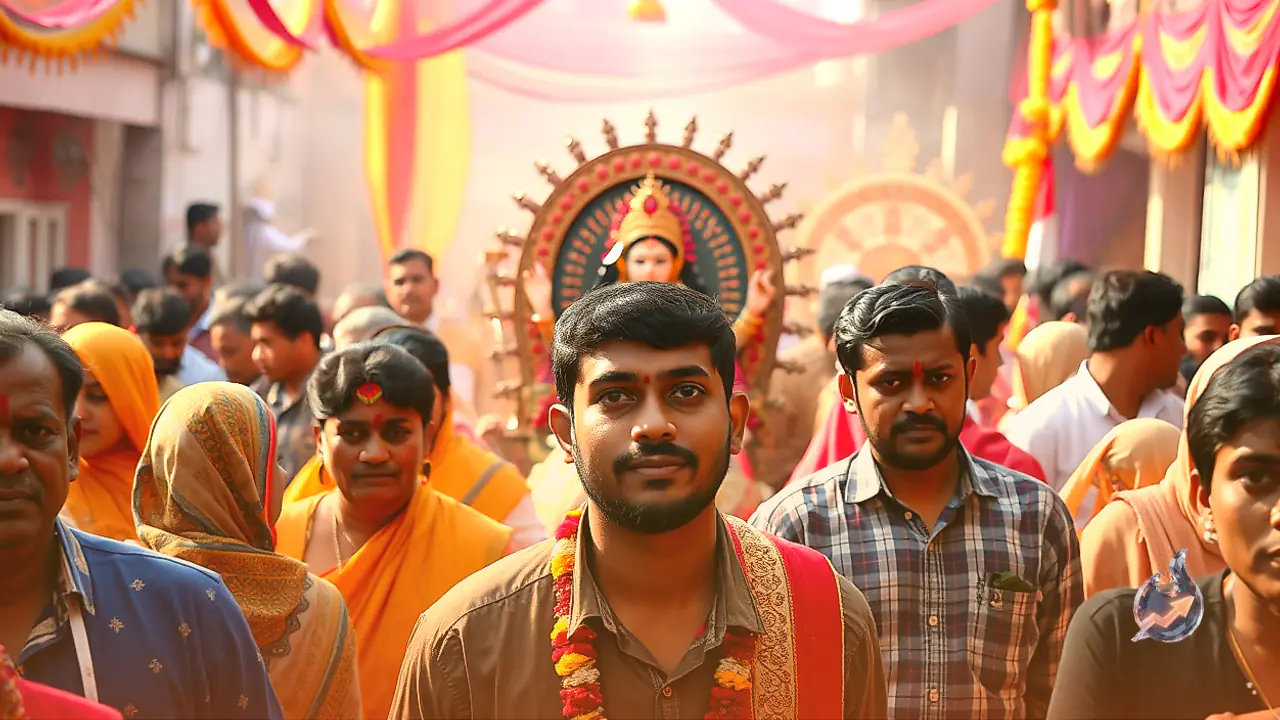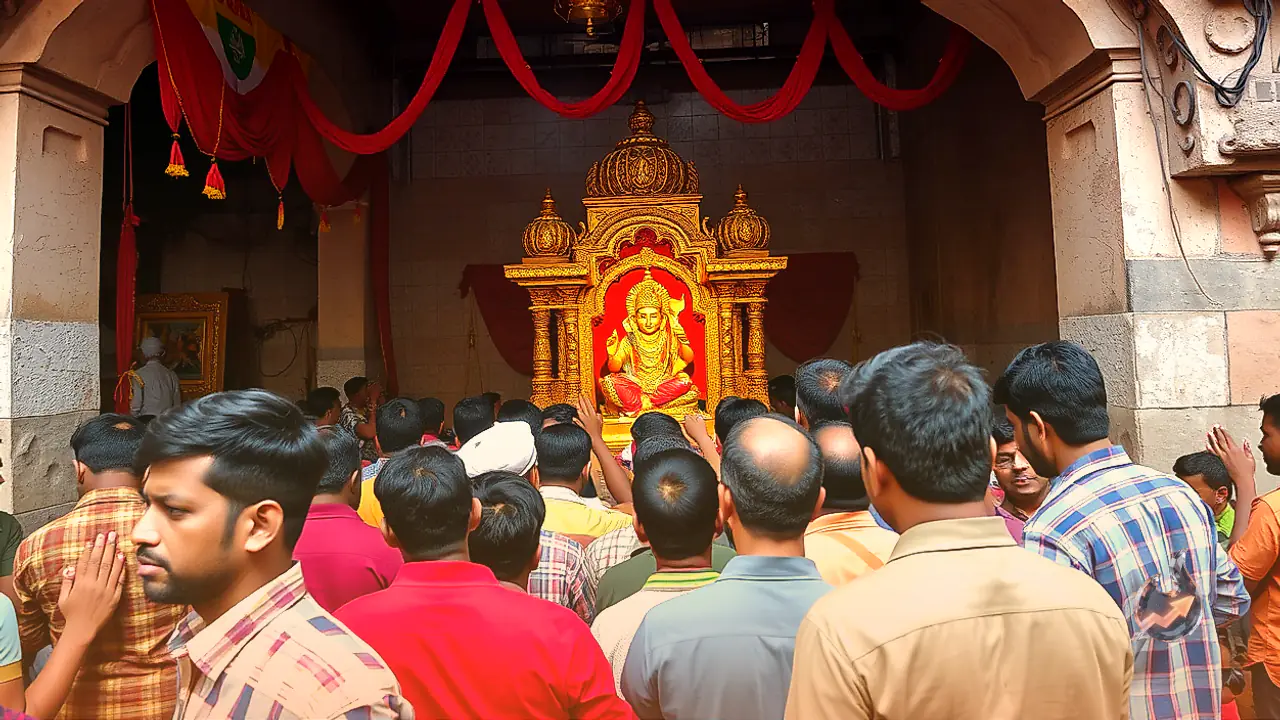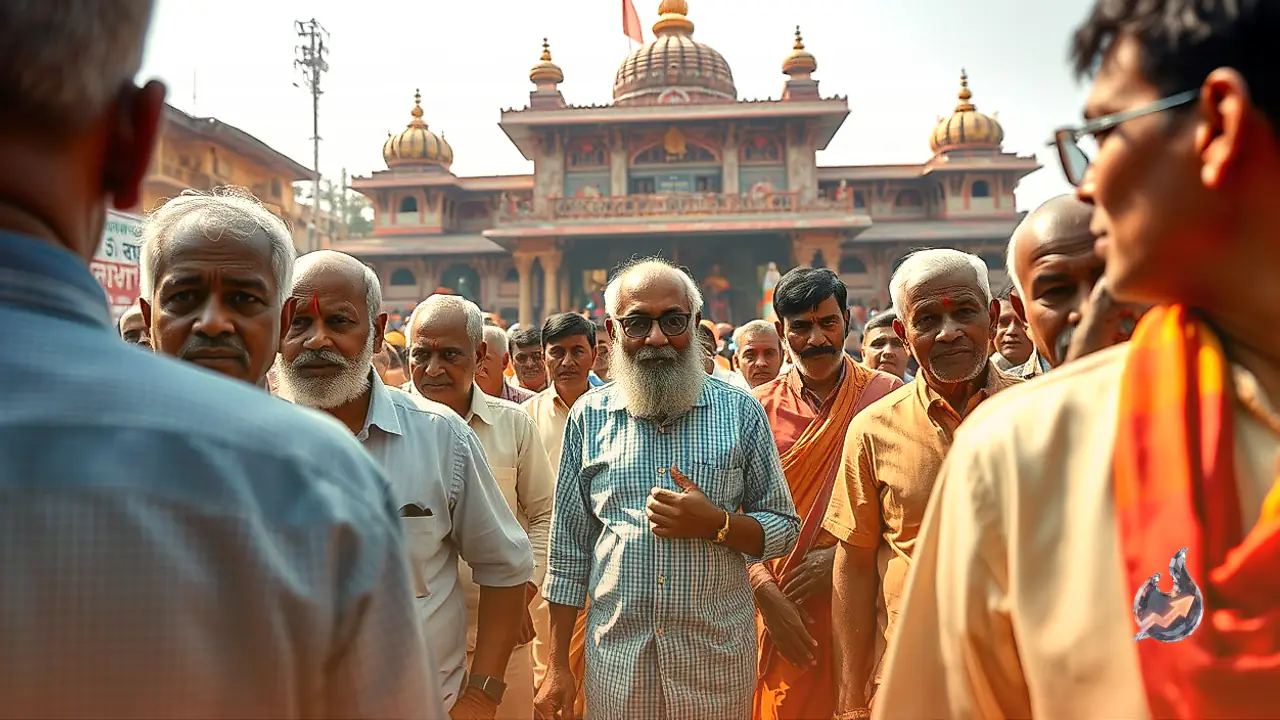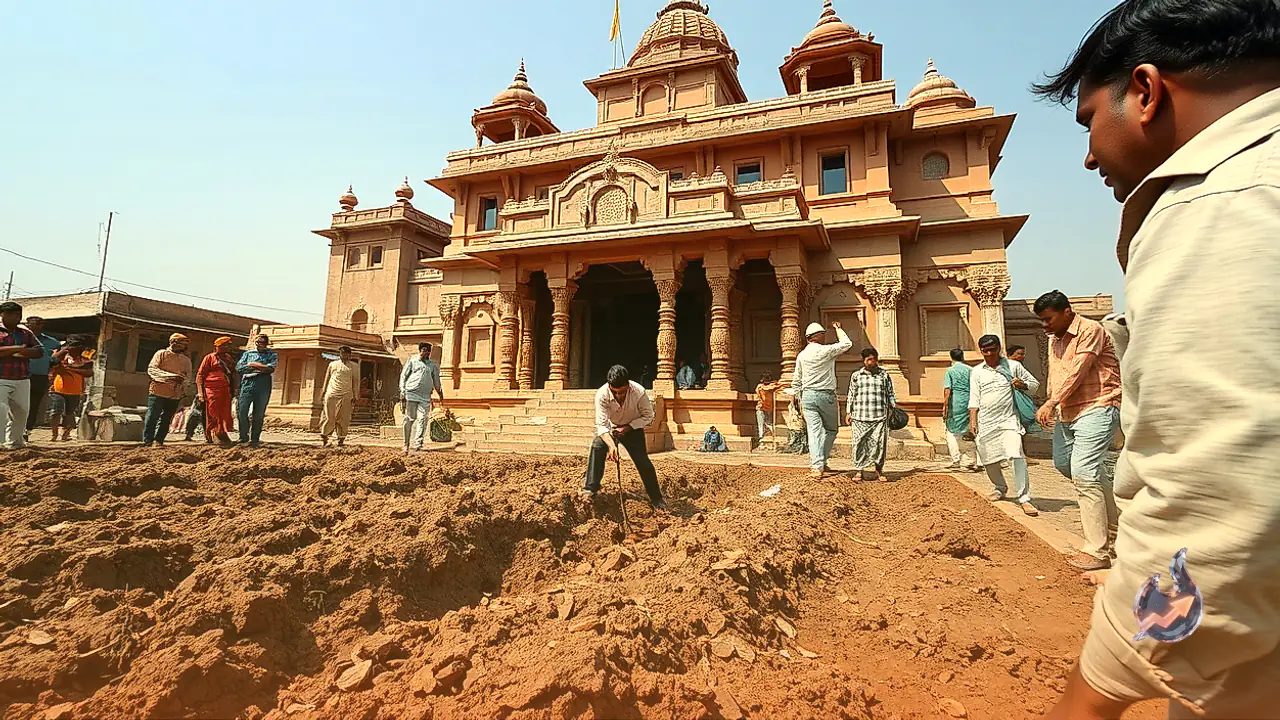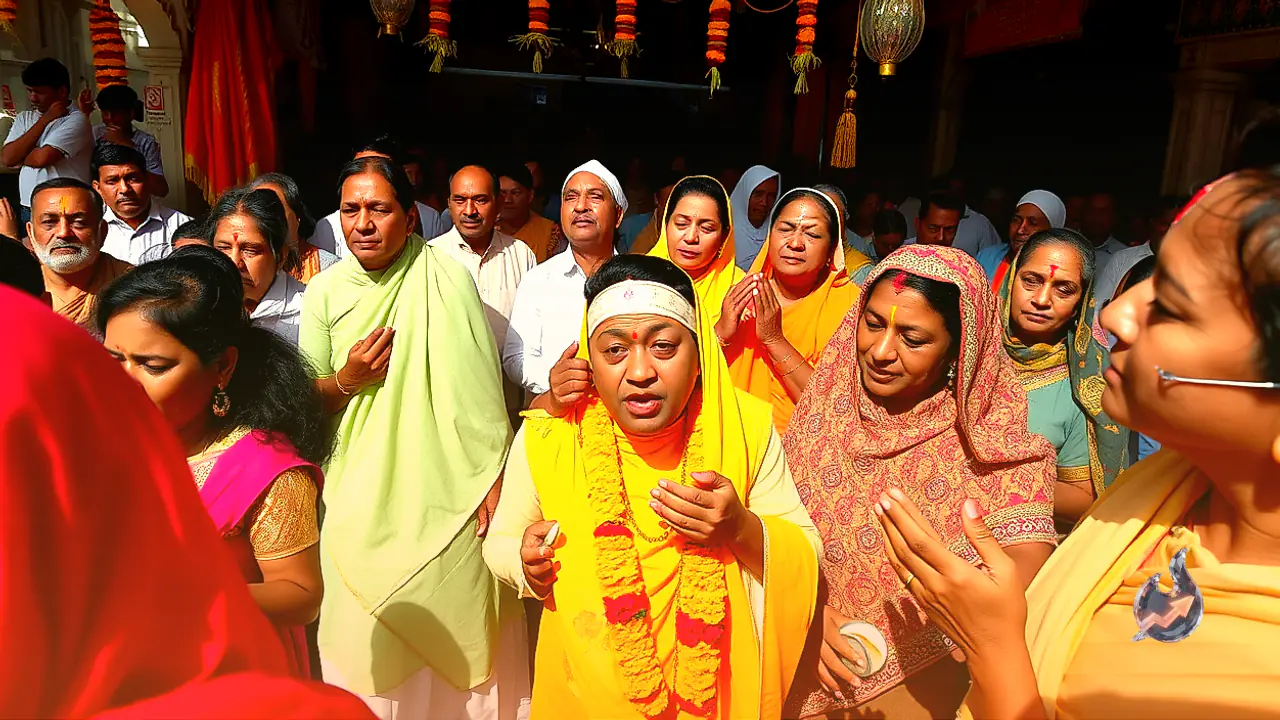



















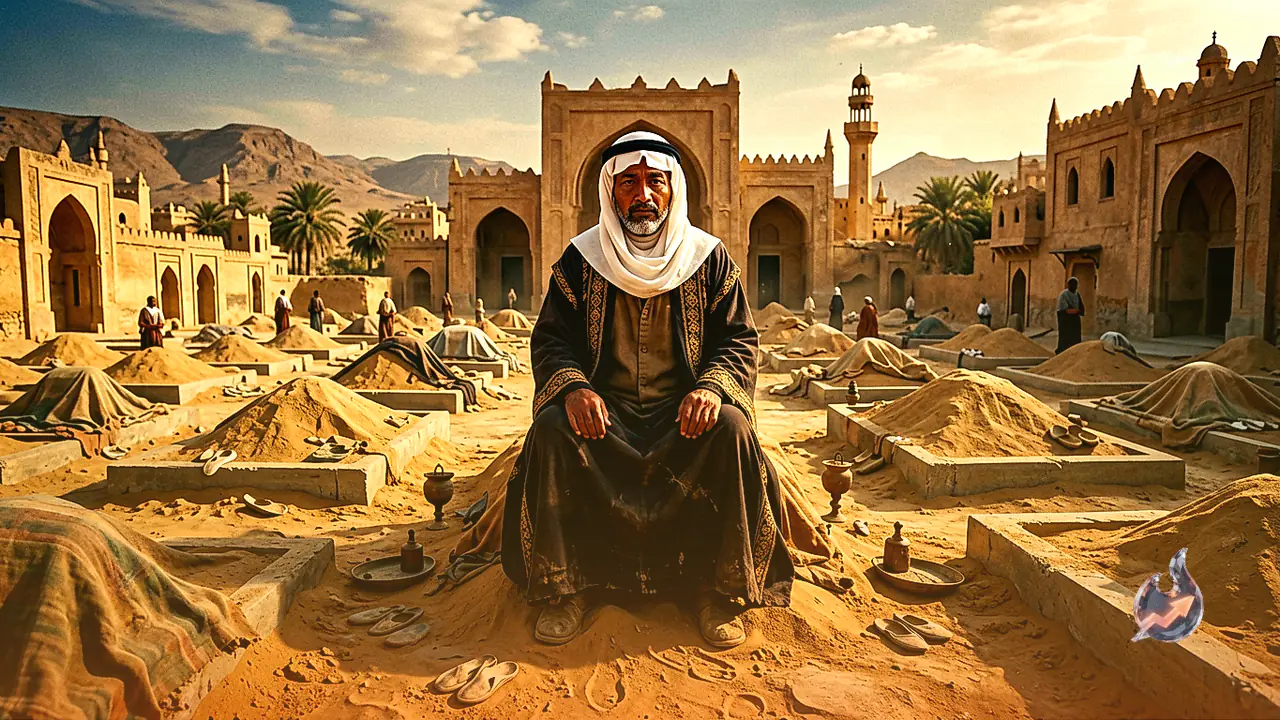

While famous Sufi shrines across the country are often recognized for their grand marble structures and expensive silk coverings, a historic spiritual center in the old city of Hyderabad stands out for its remarkable simplicity. Situated near the well-known Pathergatti locality, the shrine of Hazrat Syed Sadullah Shah Naqshbandi (RA) is popularly referred to by locals as the sandy shrine. The most striking and distinctive feature of this site is that the graves are not built from concrete or stone, but are instead preserved in their original form as fine, raw sand.
The profound simplicity of this historic site is reflected in its strict customs, most notably the complete ban on offering traditional cotton or silk cloth coverings on the graves. Instead of spreading sheets, visitors to the shrine express their devotion solely through fresh flowers and fragrant attar. Rather than touching structured tombs, pilgrims gently press their palms into the raw sand to leave impressions while offering their prayers. This unpretentious tradition has continued unbroken for centuries, offering a deep sense of spiritual tranquility to everyone who visits.
Spiritual Journey and Arrival in the Deccan
Historical records indicate that the revered Sufi saint Hazrat Syed Sadullah Shah (RA) was born in 1199 Hijri in a frontier region. From an early age, his inclination was strongly toward religious learning, humanity, and devotion. After completing his initial education, he traveled to Delhi in search of spiritual guidance, where he received tutelage and succession from the renowned Naqshbandi saint Hazrat Shah Ghulam Ali Dehlavi (RA). Following his sacred pilgrimage to Hajj, he journeyed to the Deccan region of Hyderabad and established a primary spiritual center for the Naqshbandi order. For 25 consecutive years, he spread messages of communal harmony, brotherhood, and peace. He passed away at the age of approximately 70 on 28 Jamadi-ul-Awwal 1270 Hijri.
The Four Sand Graves and Annual Urs
Beneath the main dome of the sandy shrine lie four raw sand graves that remain preserved in their original state to this day. These graves belong to Hazrat Syed Sadullah Shah (RA), his brother Hazrat Syed Shah Mohammad Usman, Usman's wife Syeda Fazila Begum, and his son-in-law Hazrat Amir Ashraf Ali. Every year, according to the Islamic calendar, the annual Urs is celebrated with great simplicity and devotion during the month of Jamadi-ul-Awwal. This centuries-old tradition continues to impart timeless lessons of humility, love, and spiritual peace to contemporary society.