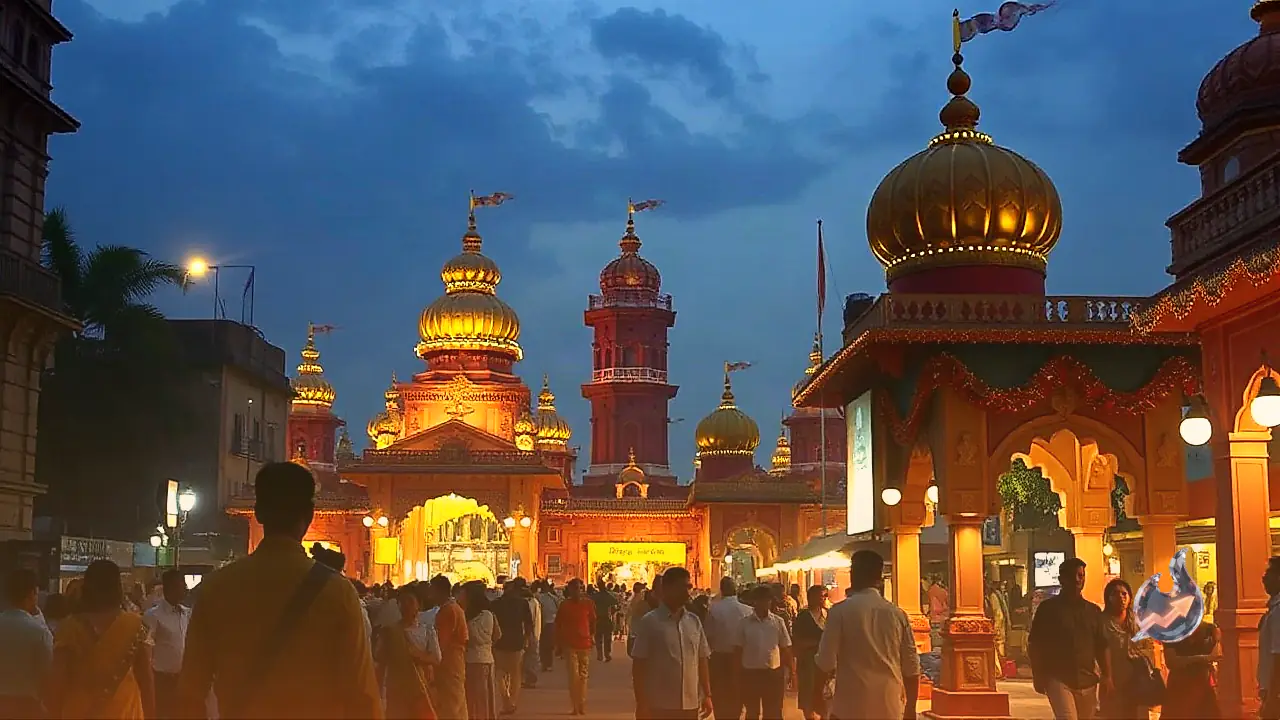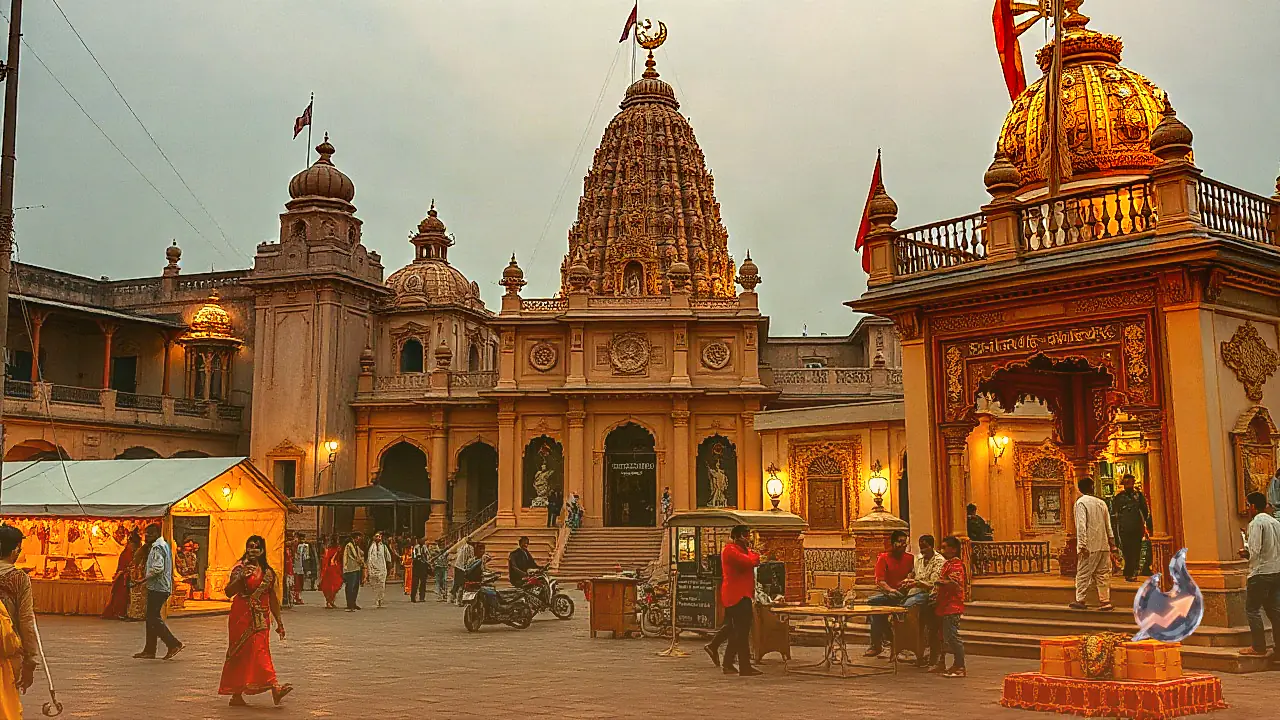





















The auspicious festival of Radhashtami is celebrated with great fervor in Barsana and across the entire Braj region during the Shukla Paksha of the Bhadrapada month. Every year, the appearance day of Radharani arrives exactly fifteen days after Janmashtami. This year, the occasion falls on Saturday, September 19. According to religious traditions, the Janmashtami fast is considered complete only when devotees also observe the Radhashtami fast. On this special day, worshippers observe either a full fast or a fruit-based diet according to their personal devotion, following specific rules laid down for the observance.
Timings And Auspicious Dates
According to the calendar, the Ashtami tithi begins on September 18 at around 1 PM. The tithi concludes on September 19 at 3:26 PM. Based on the Udayatithi, the Radhashtami fast will be observed on Saturday, September 19, which also marks the beginning of the 16-day Mahalakshmi fast.
Morning Rituals On The Day Of The Fast
Devotees should wake up early in the morning, take a bath, and put on clean clothes. After thoroughly cleaning the home shrine, prayers are offered to the deities Radha and Krishna. Offerings of flowers, garlands, sandalwood, vermilion, and adornment items are presented to Radharani. Worshippers take a resolution for either a complete fast or a fruit-based diet in accordance with family traditions.
Allowed Foods During Phalahar
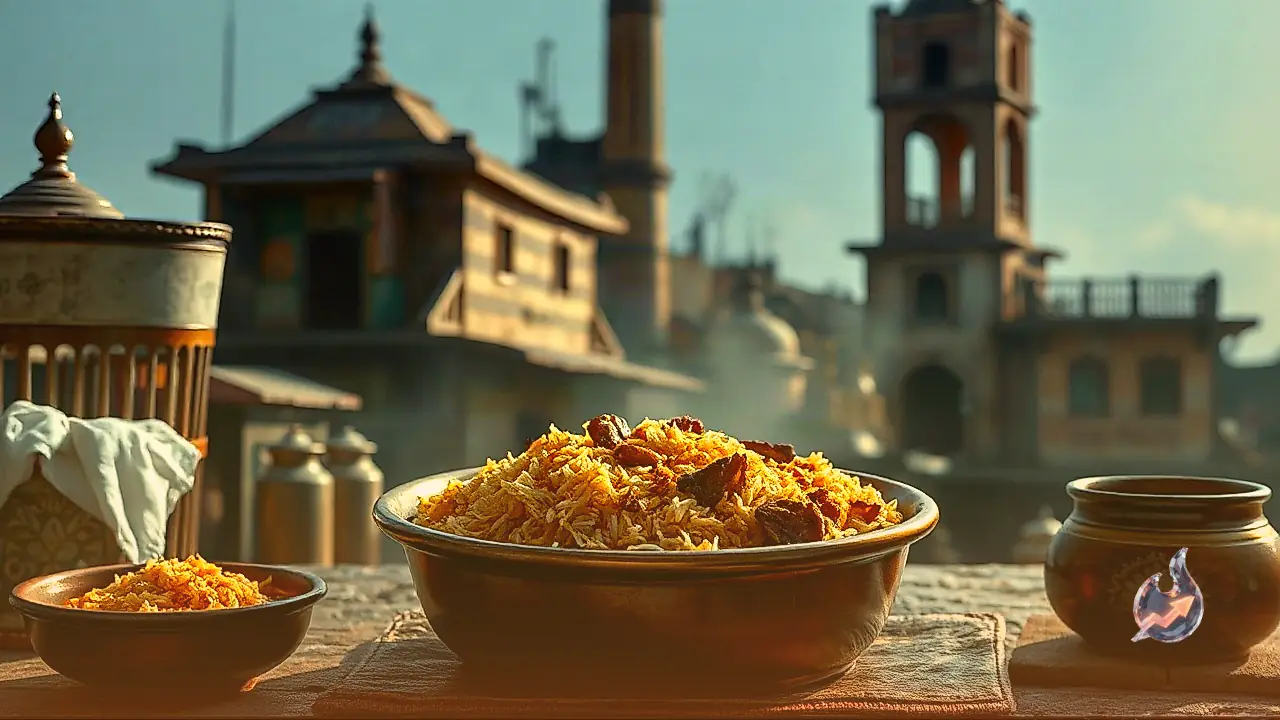
Dietary care is essential during the observance. To maintain energy levels, devotees can consume fruits, milk, curd, makhana, sago, kuttu, and water chestnut flour preparations. Water and other fluids should be consumed as needed to keep the body hydrated. Popular items during the fast include sago khichdi, kuttu flatbread, and makhana kheer. Rock salt is also used in many fasting households. Coconut water and milk are useful for keeping the body hydrated.
Devotional Activities Throughout The Day
It is considered auspicious to listen to Radha and Krishna mantras, bhajans, and narrations during the fast. Donating food, fruits, or charity to the needy according to one's capacity is also considered a virtuous act on this day. In the evening, perform the aarti of Radha and Krishna and break the fast according to your tradition.
Things To Avoid During The Fast
Certain items are strictly prohibited during the Radhashtami fast. If restricted by your family tradition, avoid consuming grains, lentils, rice, and regular table salt. Stay completely away from non-vegetarian food and alcohol. In many households, onions and garlic are also strictly avoided. Be sure to check the ingredients list on packaged fasting foods bought from the market.
Important Precautions To Follow
According to religious beliefs, one should avoid anger, arguments, harsh words, and negative behavior throughout the day of the fast. Never use stale or impure items in worship. Avoid eating excessive fried or overly sweet items in the name of a fruit-based diet to protect your health. If your health is compromised, consult a doctor before attempting a strict waterless fast.
Significance Of Radhashtami In Braj
According to religious traditions, Radharani is the embodiment of love, devotion, and surrender. On Radhashtami, temples are specially decorated, and Radharani receives special adornments. Special rituals, devotional singing, and aartis take place in temples. A large number of devotees gather in Barsana to witness the special celebrations of Radharani's birth anniversary.