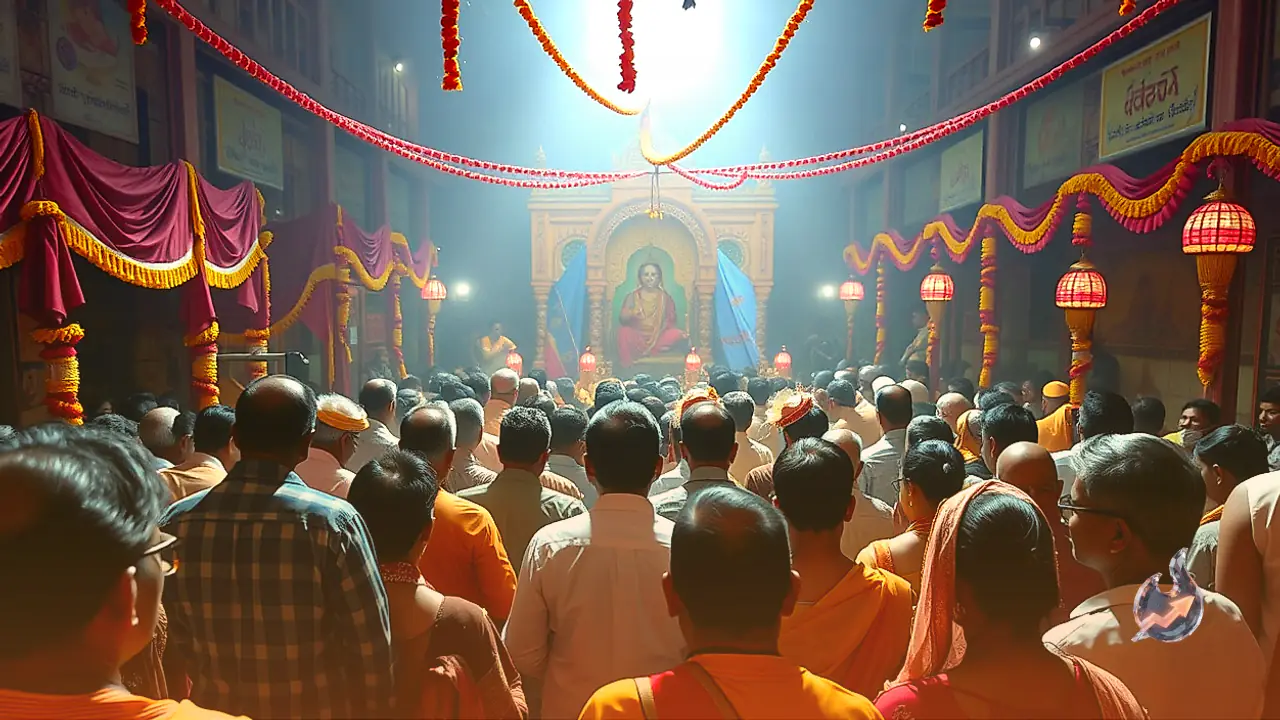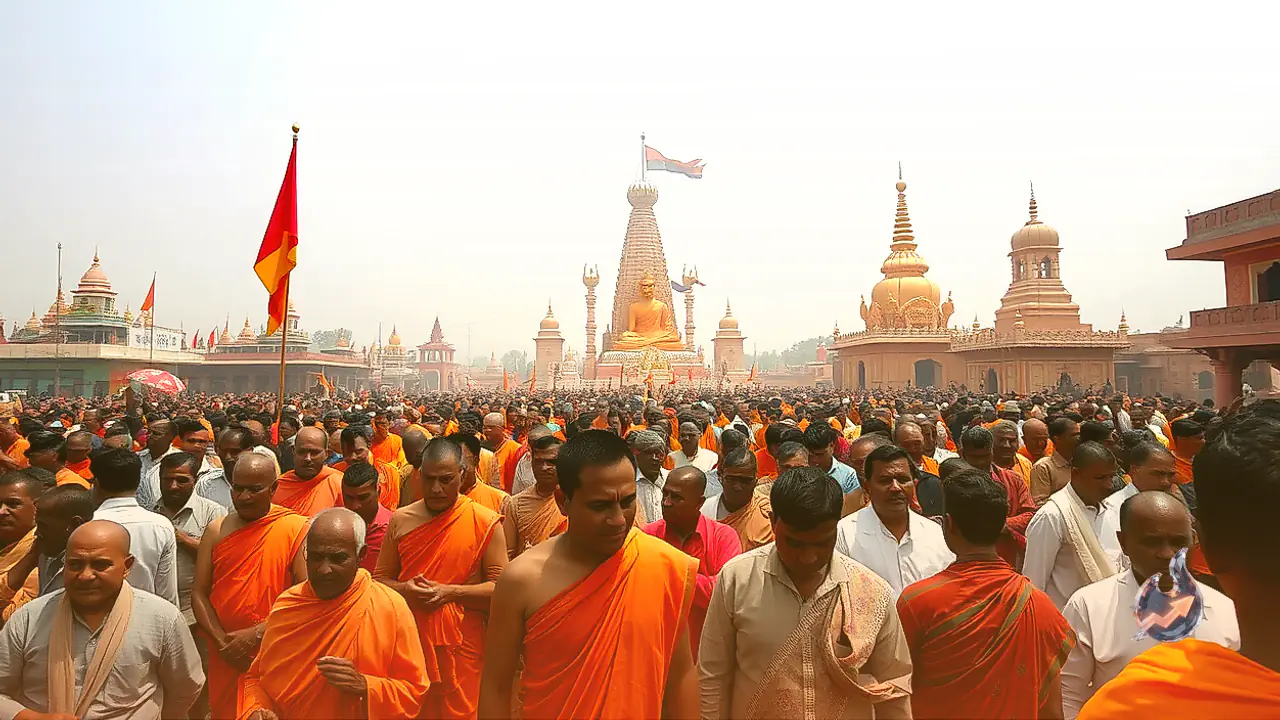


















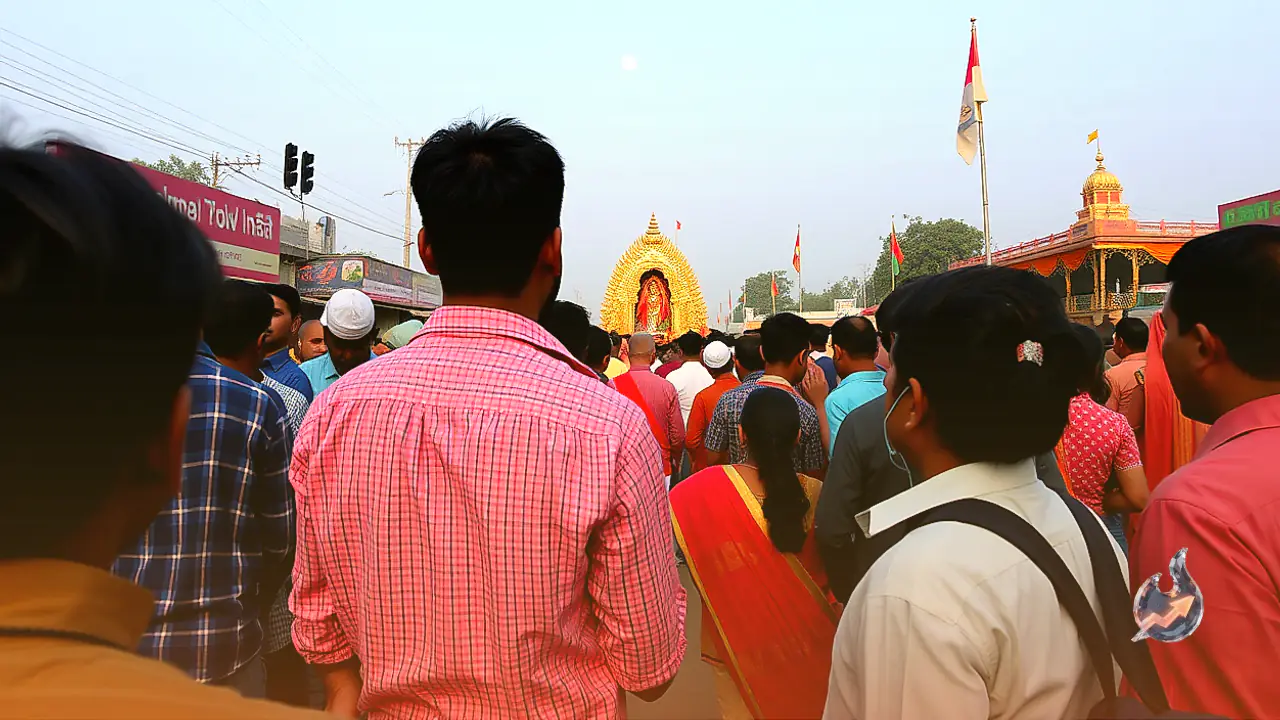

Devotees observing the auspicious Mahalaxmi Vrat mark the culmination of their spiritual penance on the Ashtami Tithi of Krishna Paksha in the month of Ashwin. According to traditional calculations, this ritual spans from the Ashtami of Shukla Paksha in Bhadrapada to the Ashtami of Krishna Paksha in Ashwin. The religious observance commenced on 19 September 2026 and reaches its formal conclusion on 3 October. Worshiping Goddess Lakshmi on this day following prescribed rituals is believed to bestow prosperity, protect families from economic hardships, and sustain continuous financial well-being. Although the fast is traditionally observed over a span of 16 days, variations in lunar dates can alter the duration to 15 or 17 days in certain years. Panchang calculations confirm that the current year featured a total of 15 fasting days.
Importance of Moon Worship in Mahalaxmi Vrat
A core element of the Mahalaxmi fast involves offering puja items in counts of 16. In addition to the evening worship dedicated to Goddess Lakshmi, offering arghya to the moon holds immense ritualistic weight on the final day. Devotees conclude their prayers and prepare for the conclusion of their fast only after performing these celestial rites. Because celestial timings vary across geographical locations, keeping track of the precise moonrise hour remains crucial for fulfilling the observance punctually.
Citywise Moonrise Timings on 3 October 2026
The moon is scheduled to rise late in the evening across the country on 3 October 2026. Key urban centers will experience moonrise at the following times
- Kolkata: 10:35 PM
- Ranchi: 10:45 PM
- Patna: 10:48 PM
- Varanasi: 10:59 PM
- Gorakhpur: 11:02 PM
- Prayagraj: 11:05 PM
- Lucknow: 11:10 PM
- Kanpur: 11:13 PM
- Delhi and NCR: 11:26 PM to 11:27 PM
- Jaipur: 11:32 PM
- Mumbai: 11:45 PM
Ritual for Offering Arghya and Breaking the Fast
Once the moon appears on the horizon, worshippers offer arghya consisting of raw milk and unbroken rice grains (akshat). Devotees then present an offering of kheer to the moon. Out of the 16 ceremonial lamps prepared for the deity, one lamp is lit and placed directly before the moon. Following the conclusion of the prayers and sightings, fasting persons may commence paran to break their fast. Certain households prefer to observe the paran ceremony on the subsequent morning. When opening the fast, observers should first partake in charnamrit or panchamrit, followed by sweet food items, ensuring the day's meals remain entirely satvik.
Significance and Ritual Traditions of the Observance
On the opening day of the observance, devotees take a ceremonial bath and weave a ritual thread using 16 strands or cords. Exactly 16 knots are tied along this sacred thread. After completing invocations to Goddess Lakshmi, the cord is tied around the wrist to symbolize an unbroken vow throughout the fasting period. Morning and evening worship continues on all fasting days. The final day features comprehensive udyapan ceremonies, during which 16 sweet puas or puris are offered to the goddess. The spiritual observance is then concluded by distributing donations and dakshina to married women.