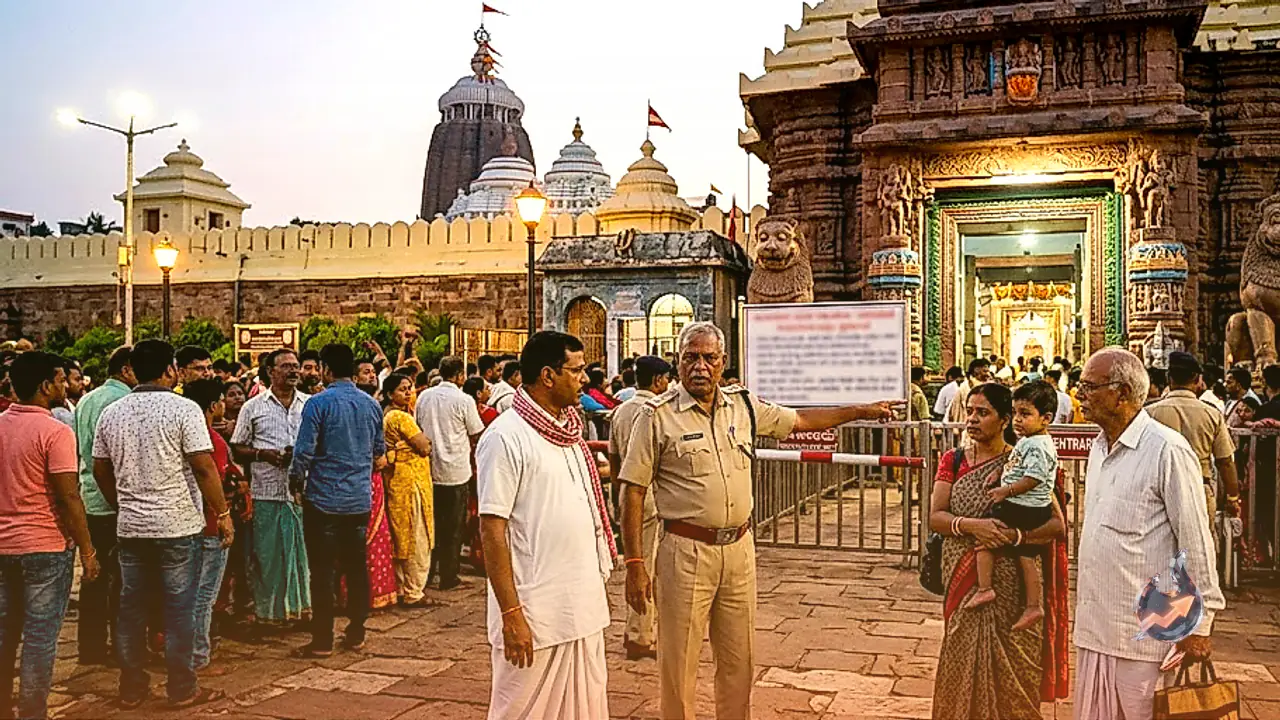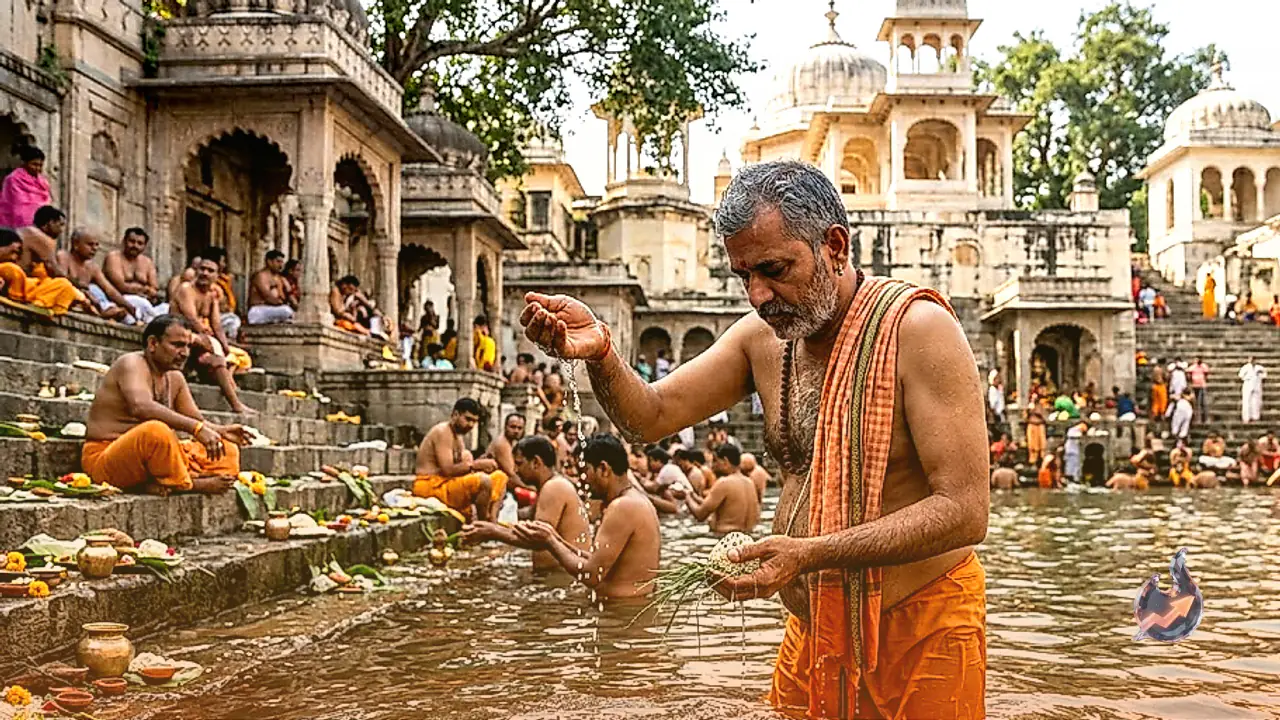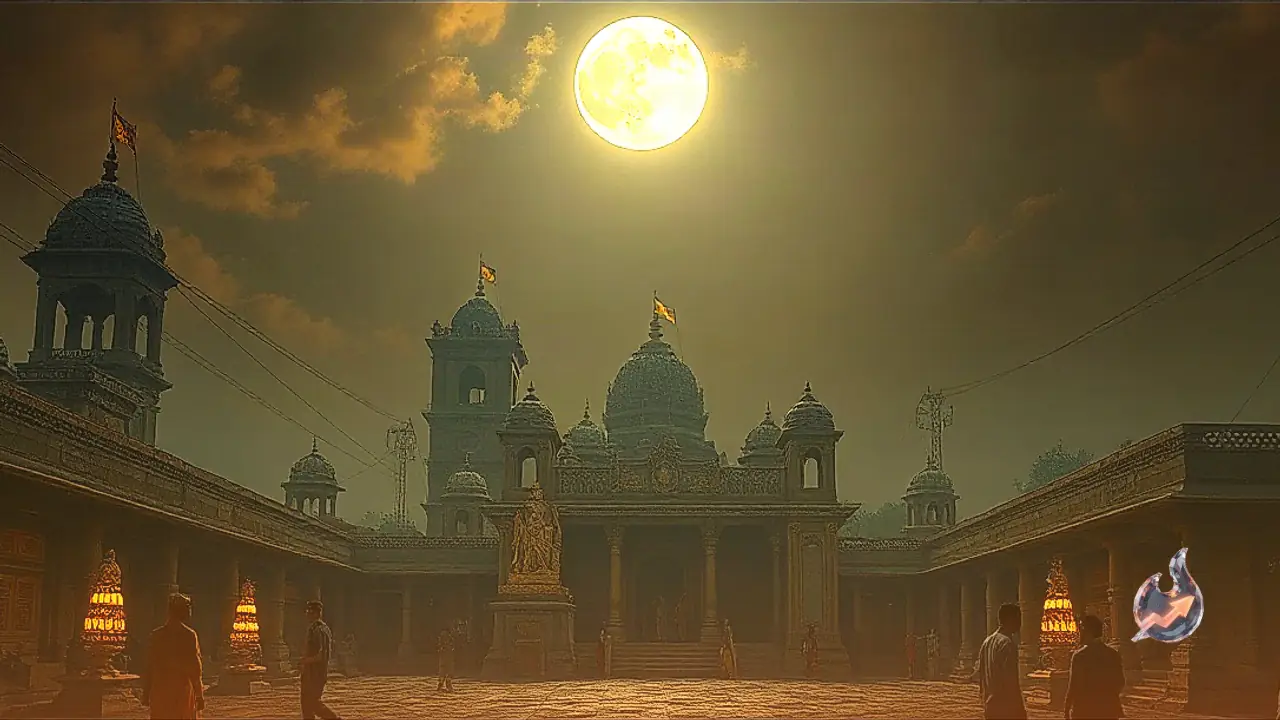






















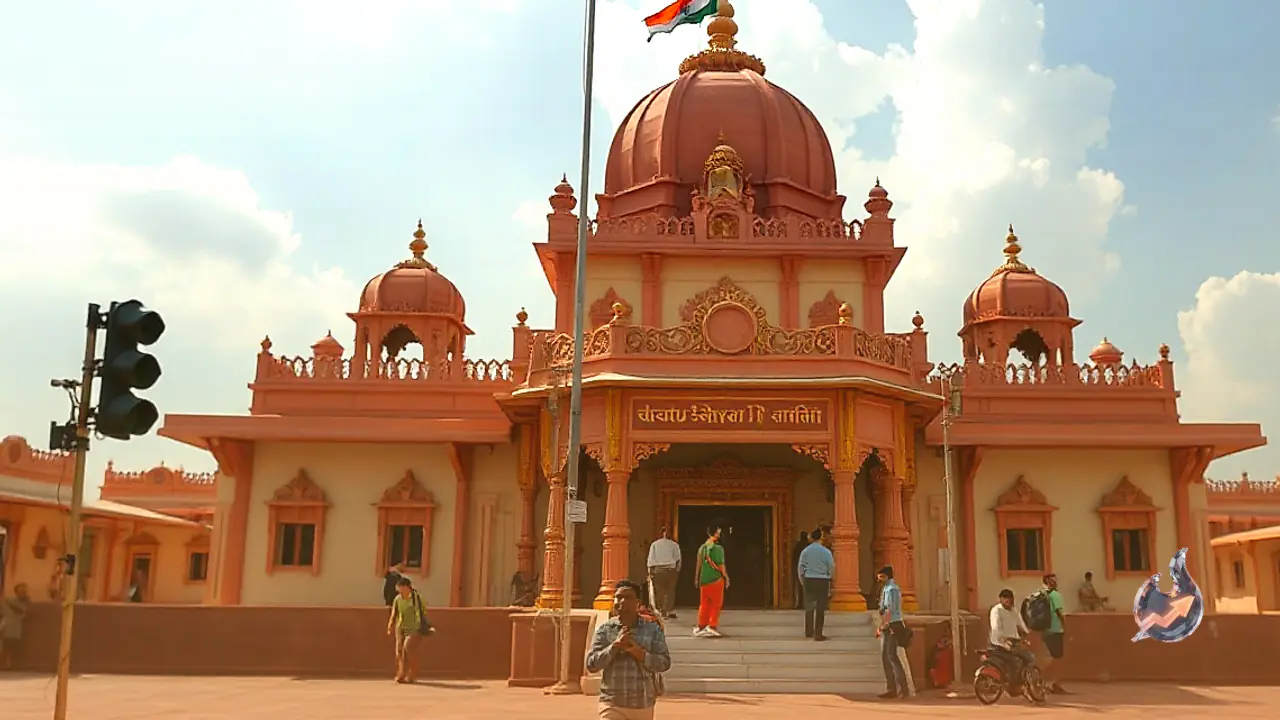

A crucial advisory has been issued for devotees planning a pilgrimage to the revered Khatu Shyam Ji Temple in Rajasthan. Following the completion of Amavasya, traditional religious rituals dictate that the deity undergoes a meticulous Tilak Shringaar process. To facilitate these sacred preparations, the temple doors will be temporarily closed to the general public. According to the Shri Shyam Mandir Committee, the restriction takes effect late tonight and will remain in place until tomorrow evening, ensuring all ritualistic ceremonies proceed uninterrupted.
19 Hour Temple Closure Schedule
Ravi Singh Chauhan, treasurer of the Shri Shyam Mandir Committee, shared the official timetable regarding the closure. As per established temple traditions, the doors will close for devotees tonight, August 13, precisely at 10:00 PM. Consequently, general public darshan will remain suspended throughout the day on August 14. The sanctum sanctorum will reopen for worshippers at 5:00 PM on August 14, marking a total shutdown period of approximately 19 hours. Temple authorities have strongly advised devotees traveling from afar to align their arrival with the reopening time to prevent any inconvenience or long waiting hours.
The Sacred Tilak Shringaar Ceremony
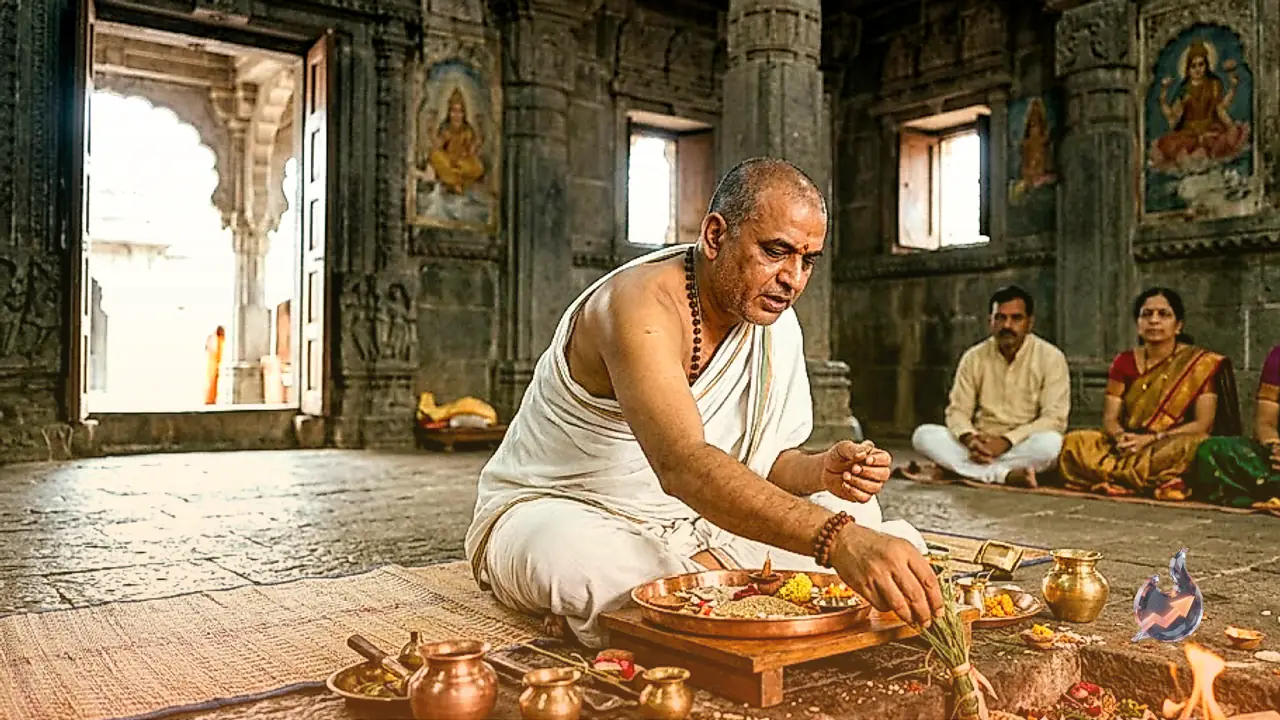
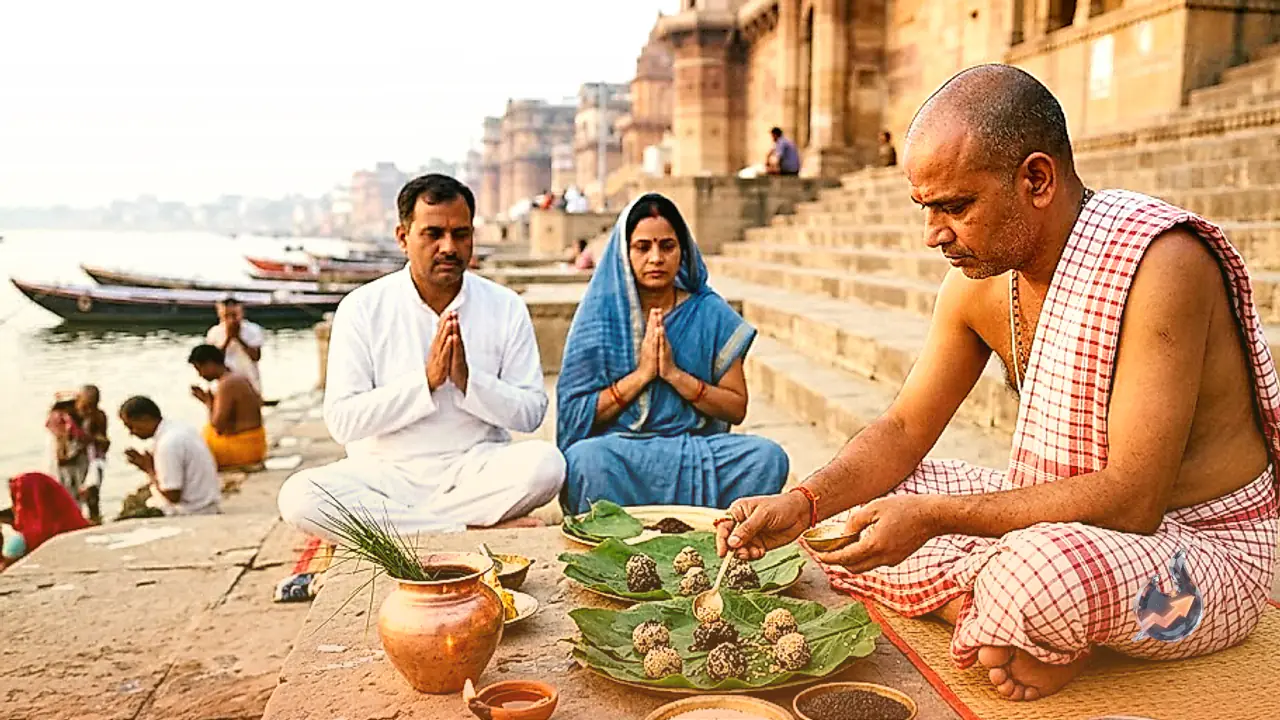
The post-Amavasya Tilak Shringaar is an ancient ritual of immense spiritual significance. Committee treasurer Ravi Singh Chauhan explained that the intricate process requires anywhere from 8 to 10 hours, and sometimes even longer. During this period, a pure sandalwood paste (chandan) is meticulously applied to the forehead of Baba Shyam, accompanied by solemn Vedic chanting and special prayers performed by temple priests. Because this ritual demands total sanctity and focus, public access remains completely prohibited while the service is underway.Grand Tricolor Decoration on August 15
When the temple gates reopen at 5:00 PM on August 14, devotees will be greeted by the refreshed divine form of Baba Shyam. Furthermore, in celebration of Independence Day on August 15, the temple will host a grand patriotic tribute. Continuing an annual tradition, Baba Shyam will be adorned in a special Tricolor (Tiranga) theme. The inner sanctum (Garbha Griha) will be elaborately decorated with vibrant arrays of selected flowers, transforming the shrine into a stunning visual spectacle for visiting pilgrims.
Monthly Form Change Traditions
According to long-standing temple customs, Baba Shyam grants darshan in two distinct forms over the course of a lunar month. The first is the Shaligram form, which represents the deity in his original manifestation and is accessible to worshippers for only seven days each month. The second is the Shyam Varna (dark-complexion) form, in which Baba Shyam appears for roughly 22 to 23 days. The periodic closure for Tilak Shringaar is an essential part of maintaining these sacred rotational traditions.
The Legend of Barbarik and Lord Krishna
In Hindu belief, Baba Shyam is affectionately revered as 'Haare Ka Sahara' (the guardian of the defeated) and is considered an incarnation of Lord Krishna. The tradition traces back to the epic Mahabharata war. Barbarik, the grandson of Bhima and son of Ghatotkacha, possessed formidable boons and was preparing to enter the battlefield on the side of the Kauravas. Recognizing that his participation could tip the balance destructively, Lord Krishna approached him disguised as a Brahmin and asked for his head as charity (Sheesh Daan). Without hesitation, Barbarik severed his head and offered it to Krishna. Moved by his supreme sacrifice, Krishna blessed Barbarik with the promise that in Kaliyuga he would be worshipped under Krishna's own name, Shyam, and would serve as the ultimate refuge for anyone facing defeat in life.