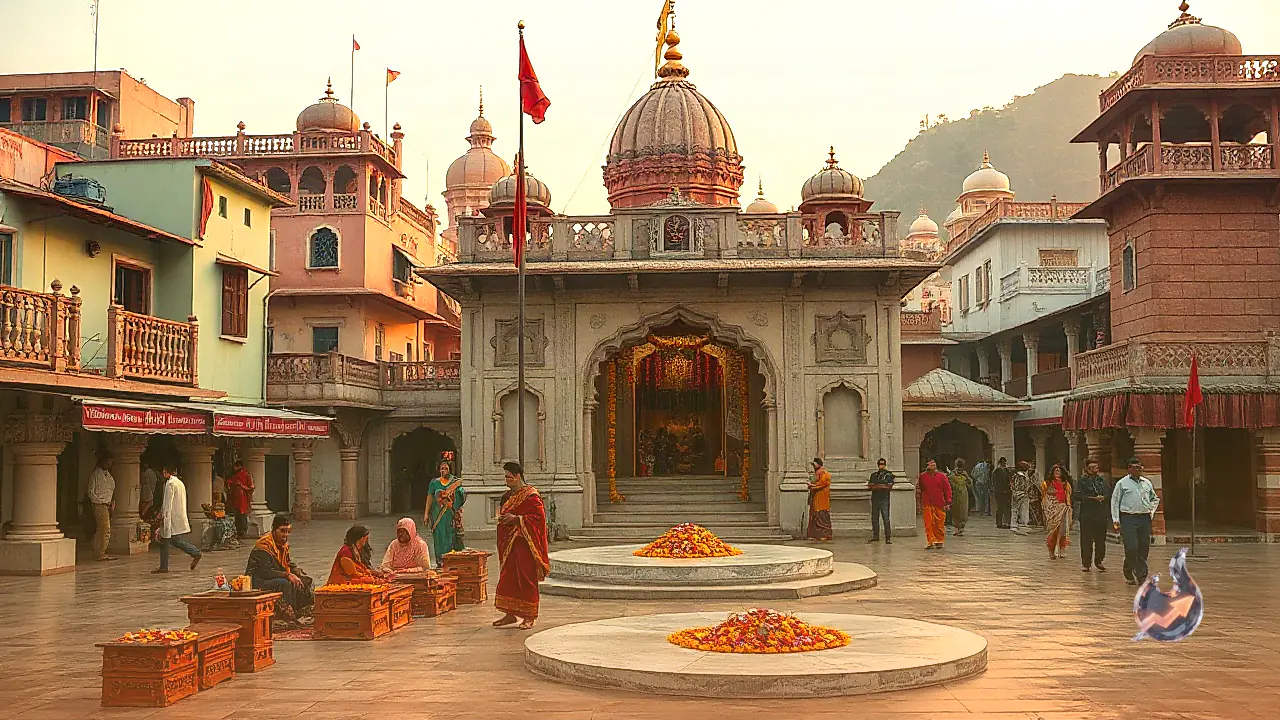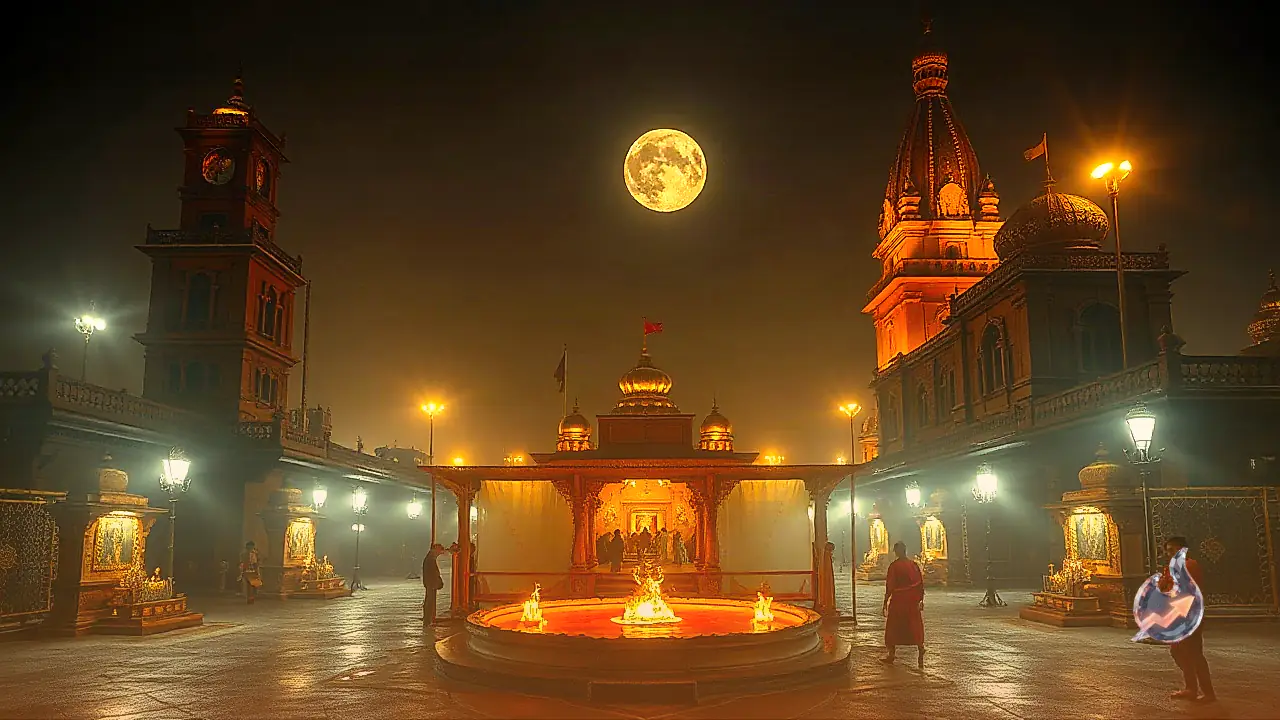

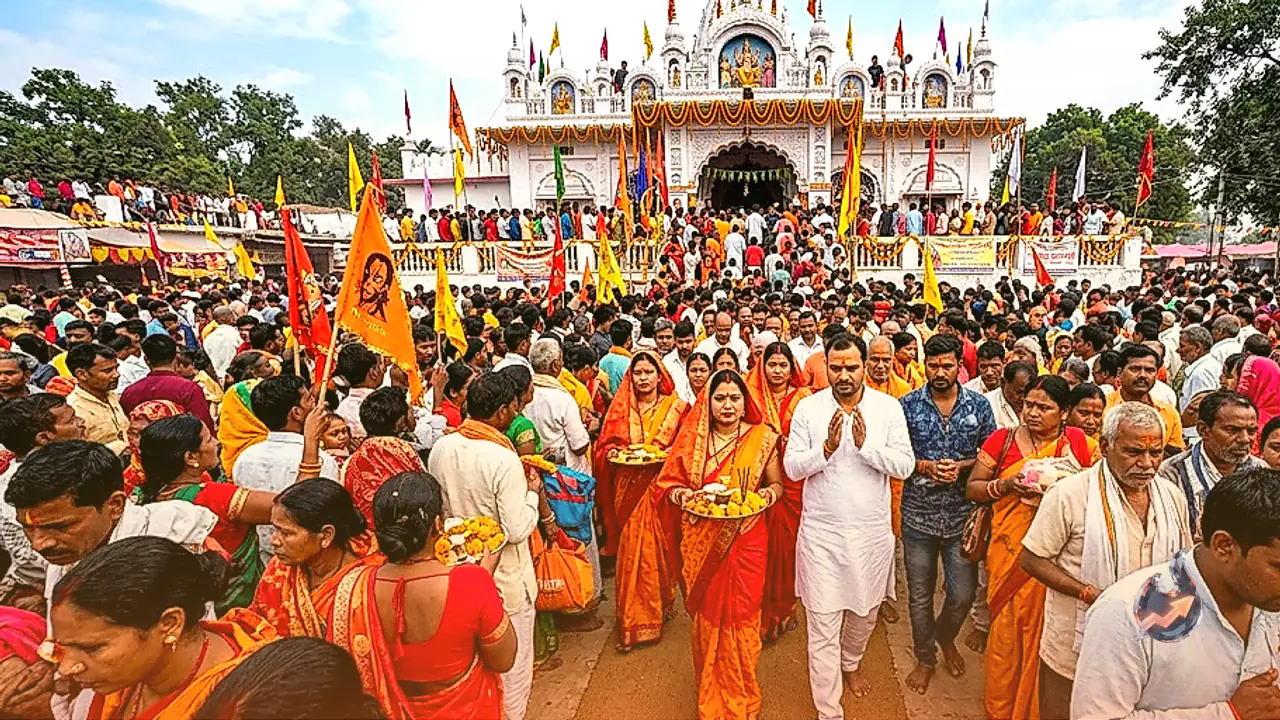
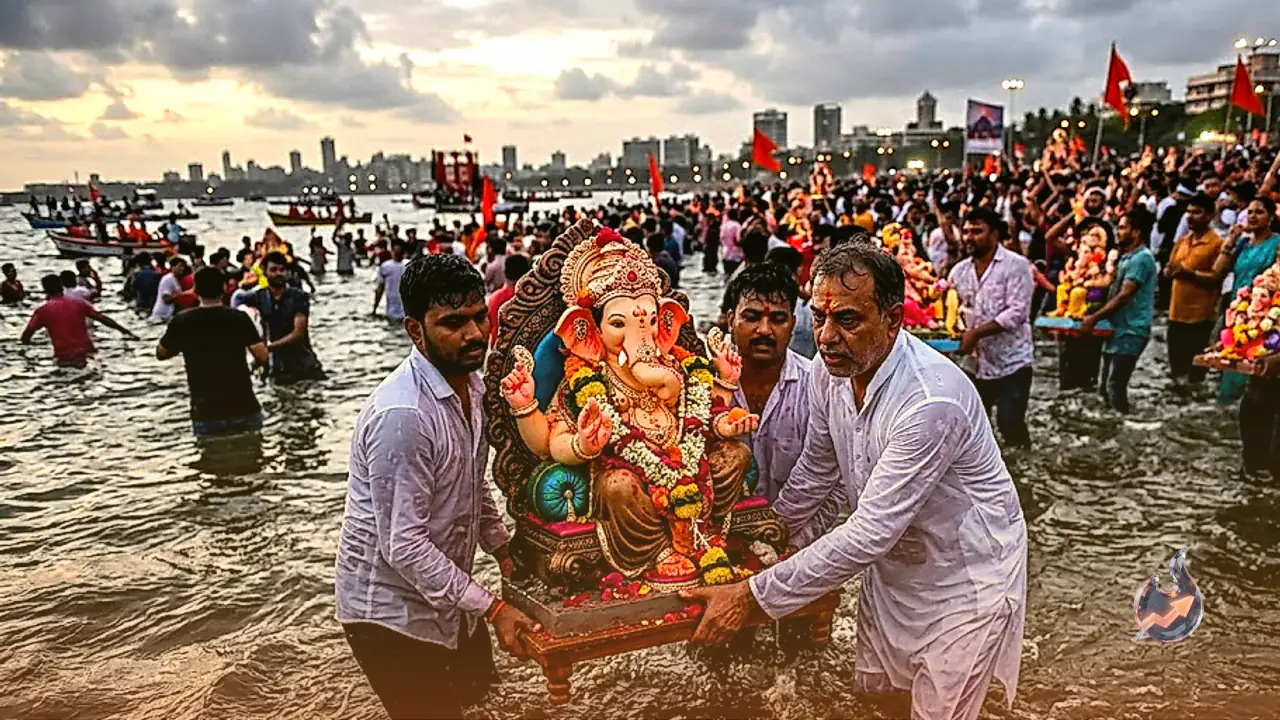
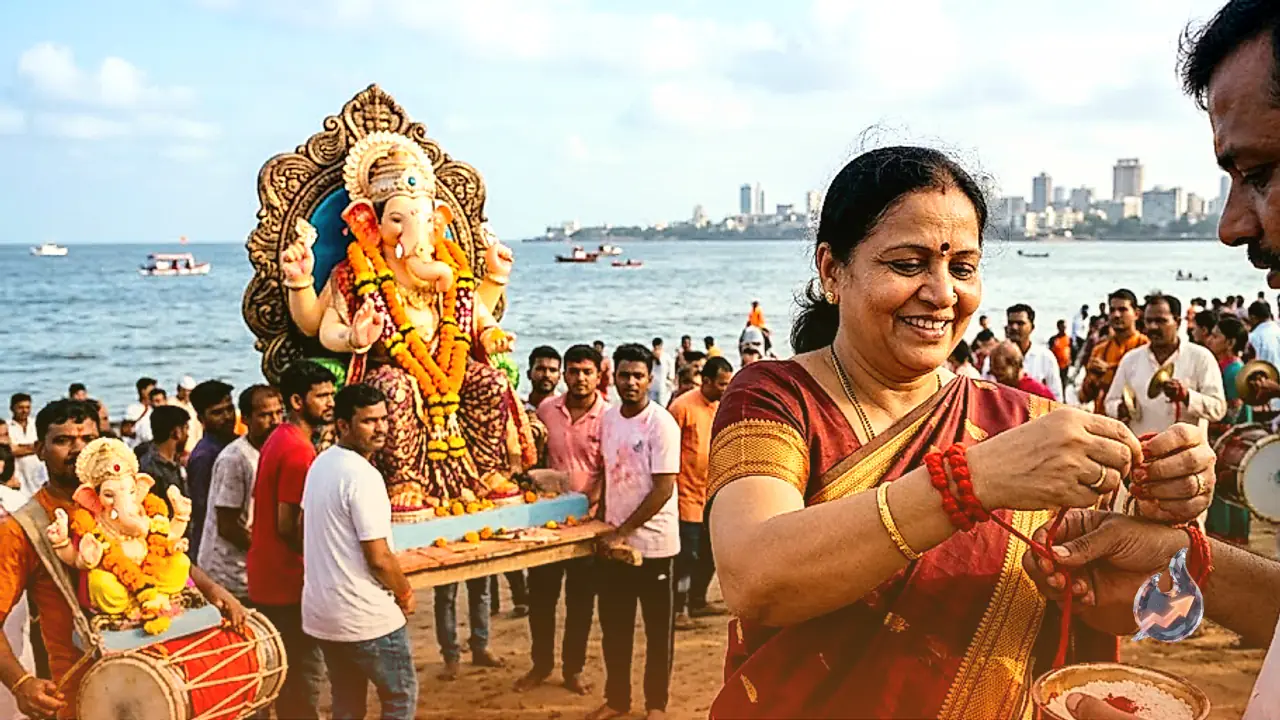















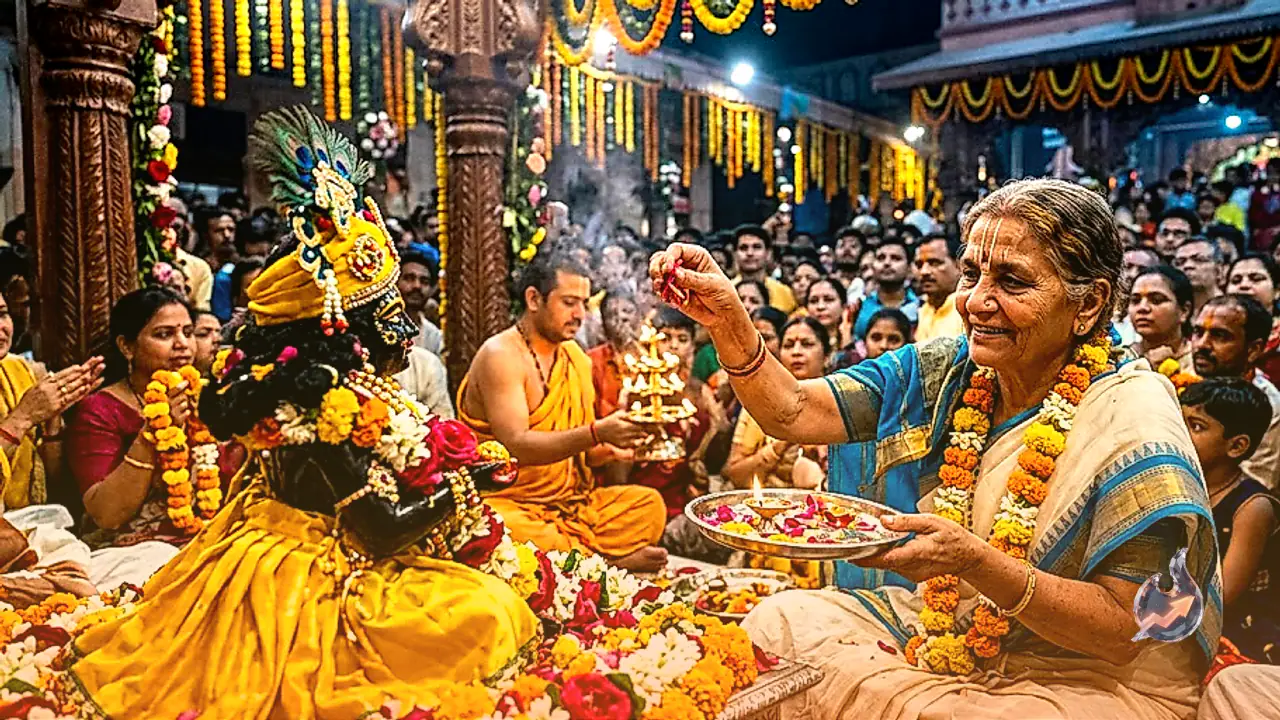

Devotees across homes and temples in India are celebrating the grand festival of Krishna Janmashtami today with immense fervor and devotion. This joyous occasion holds a central place in the cultural calendar as it marks the divine birth of Lord Krishna during Rohini Nakshatra at the midnight hour. Followers observe strict fasts throughout the day and break them only after midnight once the birth celebrations conclude. The festive atmosphere is filled with deep spiritual energy and joyous gatherings.
Traditions of Fasting and Prayer
On this sacred day, followers wake up early, take a bath, and take a formal vow of fasting while meditating on the deity. While many devotees keep a waterless fast, others consume permitted fruits and dairy. The entire day is spent chanting sacred mantras, singing devotional hymns, and listening to spiritual discourses. According to religious traditions, this observance brings inner peace and invokes prosperity, happiness, and positivity for the entire family. Rocking the cradle of Bal Gopal is another cherished custom of the day.
Timing of Dates and Constellations
According to the traditional calendar, the eighth lunar phase begins around the midnight hours of September 3 to 4 and lasts until 12:30 AM on September 5. Consequently, Janmashtami is being observed today, Friday, September 4. Additionally, the Rohini Nakshatra remains active until 11:04 PM tonight, providing ample time for devotees to perform elaborate rituals.
Rare Astrological Combinations
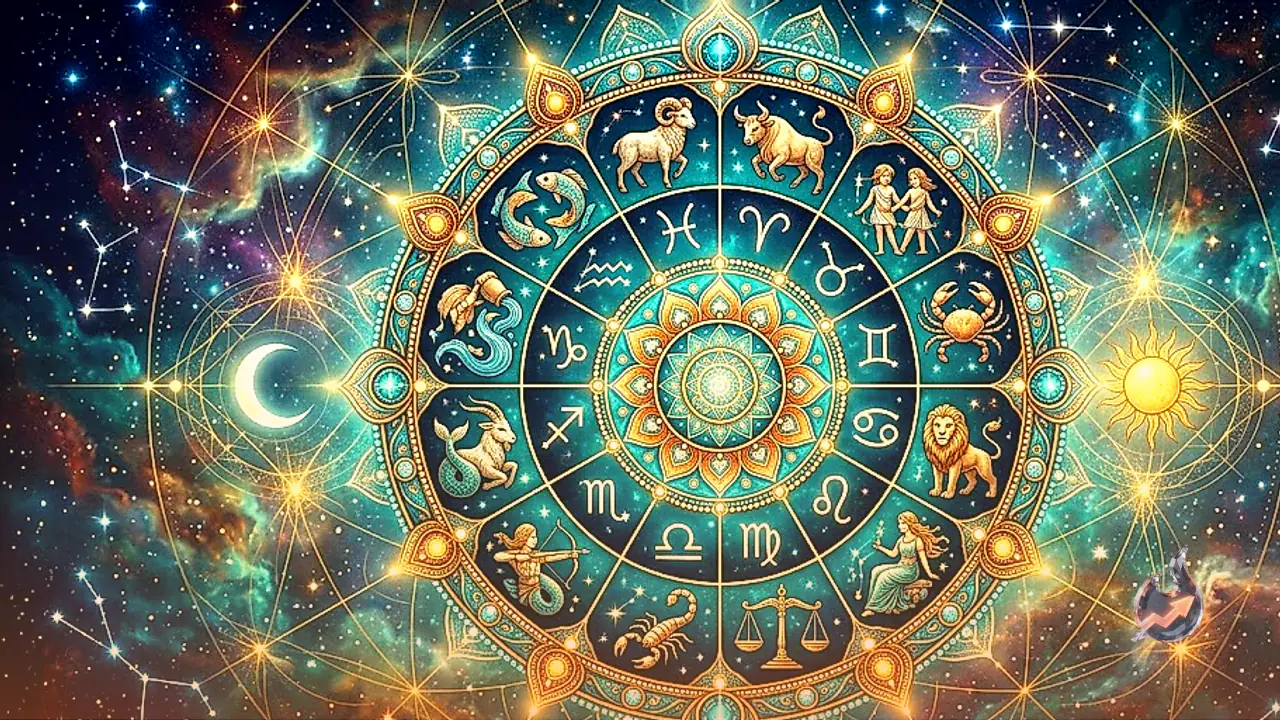
This year holds special significance due to several auspicious planetary alignments occurring simultaneously. Astrological calculations indicate the formation of Krishna Jayanti Yoga and Harshana Yoga, alongside Hansaraja Yoga triggered by Jupiter sitting in its exalted sign. Furthermore, Venus in its exalted sign creates Malavya Rajyoga, while the conjunction of the Sun and Mercury in Leo forms Budhaditya Yoga and Navpancham Rajyoga. Experts note that worshipping during these favorable alignments helps mitigate negative planetary influences and removes various doshas.
Step-by-Step Rituals for Devotees
The day begins with early morning ablutions and deep cleaning of homes and designated prayer spaces. An idol or image of infant Krishna is placed on a clean wooden platform draped in red or yellow garments. Devotees light oil lamps, focus their minds on the deity, and take a personal vow based on their capacity. The day continues with continuous mantra recitation and scriptural readings. Dietary habits remain strictly satvik, with fasting individuals relying on fruits, milk, curd, and permitted flours according to family customs.
Midnight Celebrations and Offerings
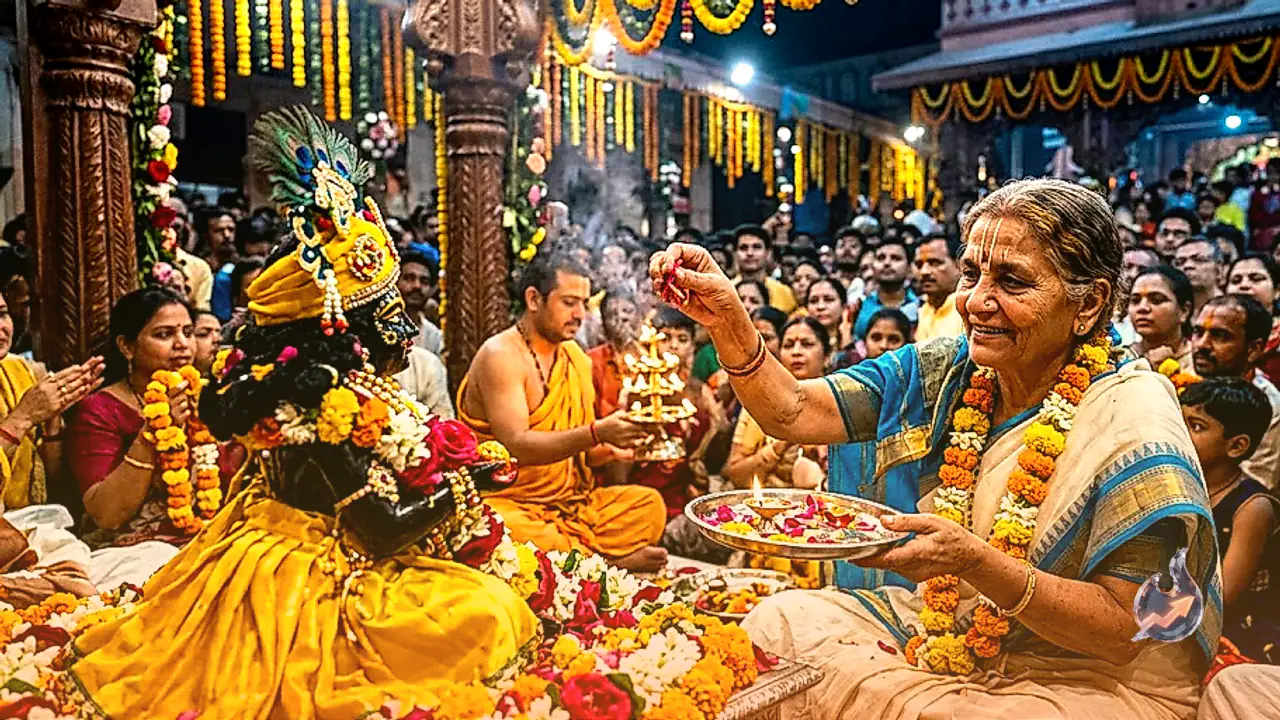
The midnight hour holds supreme importance as it marks the exact time of the divine birth. During this window, the idol of Laddu Gopal is bathed in Panchamrit followed by pure water. Fresh garments are put on the deity, accompanied by a crown, flute, peacock feather, and ornaments. Sandalwood paste, unbroken rice grains, flowers, and holy basil leaves are offered. Devotees present offerings of butter mixed with rock sugar, sweets, and panjiri, followed by the sounding of conch shells and bells during the evening aarti.
Important Guidelines for Worship
Maintaining strict cleanliness and purity of thought is essential throughout the festival. All ingredients and items used in the worship must be fresh and untainted. Including holy basil leaves in every food offering is mandatory. Devotees are encouraged to keep their minds calm, focused, and entirely free from arguments or negative thoughts during the prayers.
Auspicious Auspicious Choghadiya Timings
The Labh Choghadiya runs from 7:35 AM to 9:10 AM, followed by the Amrit Choghadiya from 9:10 AM to 10:45 AM. The Shubh Choghadiya is scheduled between 12:20 PM and 1:55 PM. The primary Nishith Kaal for midnight worship spans from 11:57 PM to 12:43 PM, lasting for a total duration of 45 minutes.
Sacred Mantras and Invocations
Devotees frequently chant the Hare Krishna maha-mantra alongside classical prayers dedicated to Vasudeva and Devaki Nandana. The primary seed mantras utilized for personal meditation include the sacred syllables dedicated to Krishna.