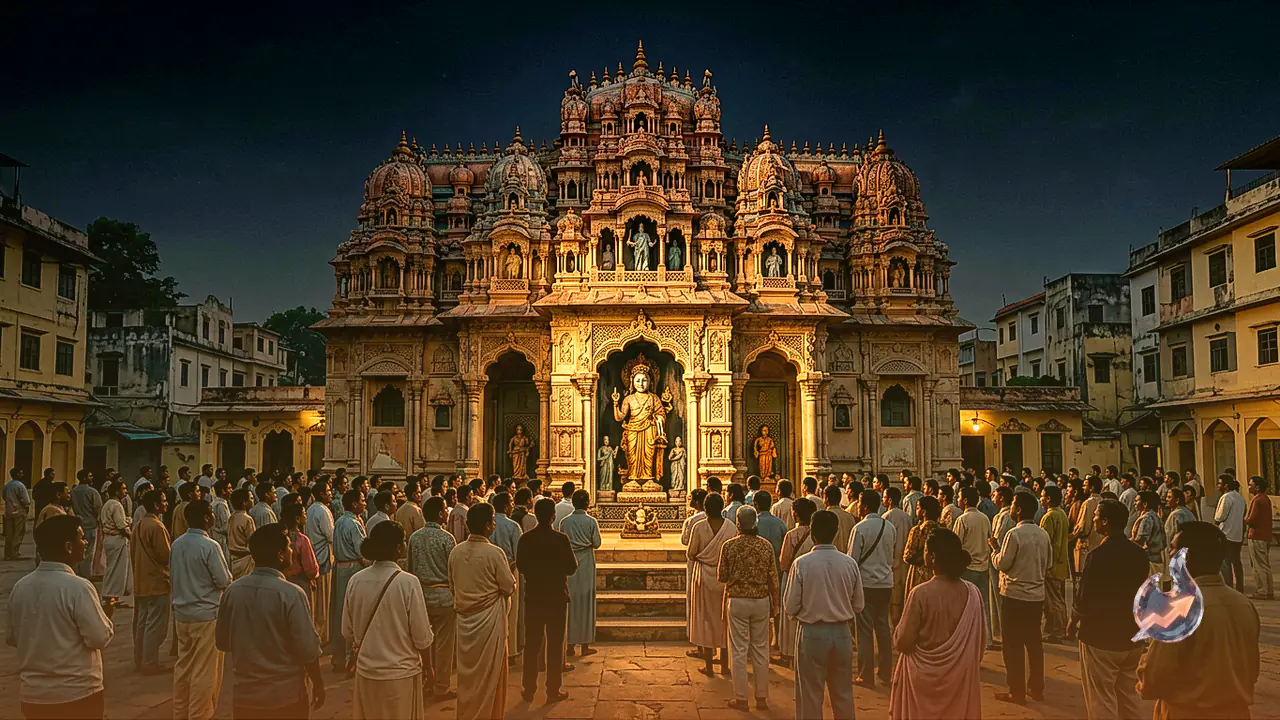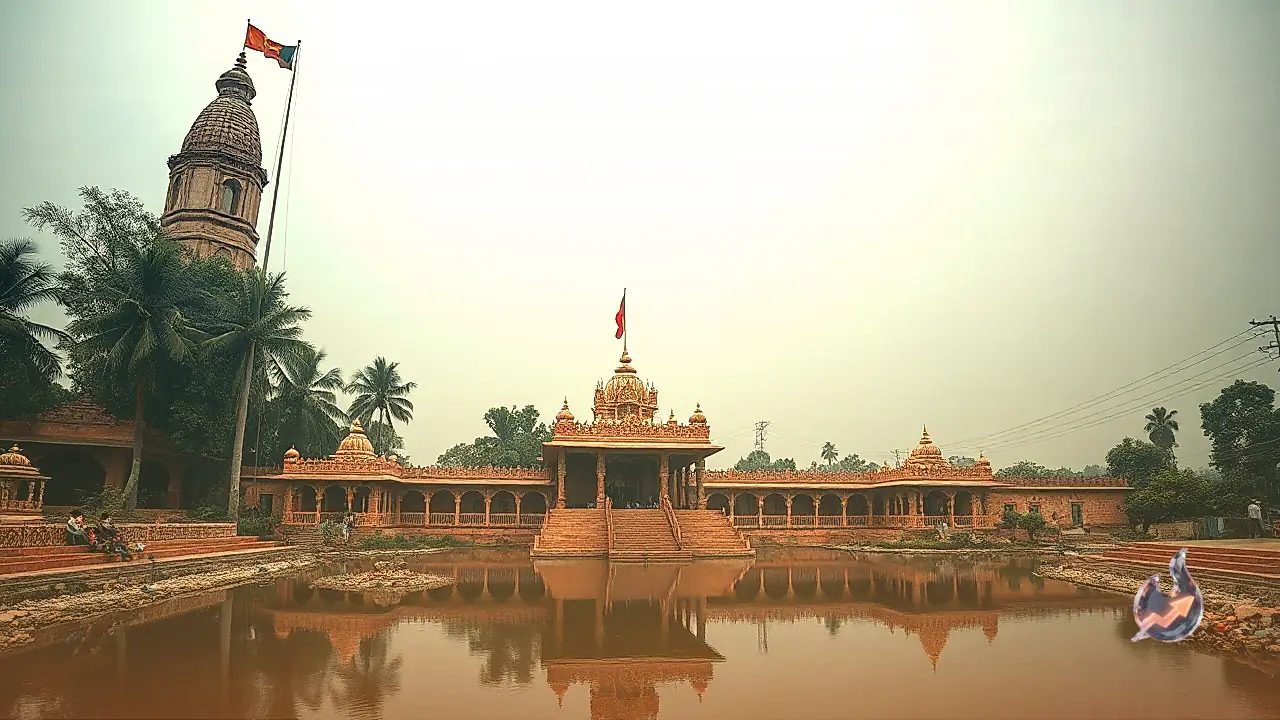





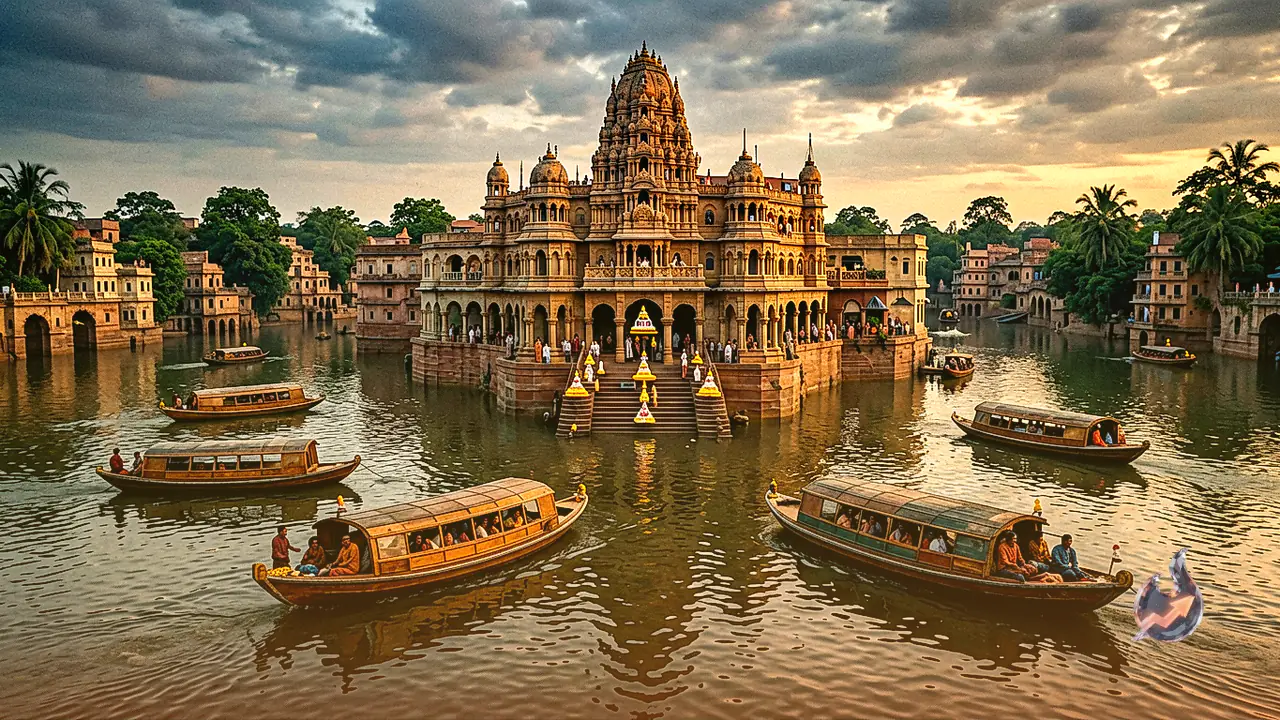














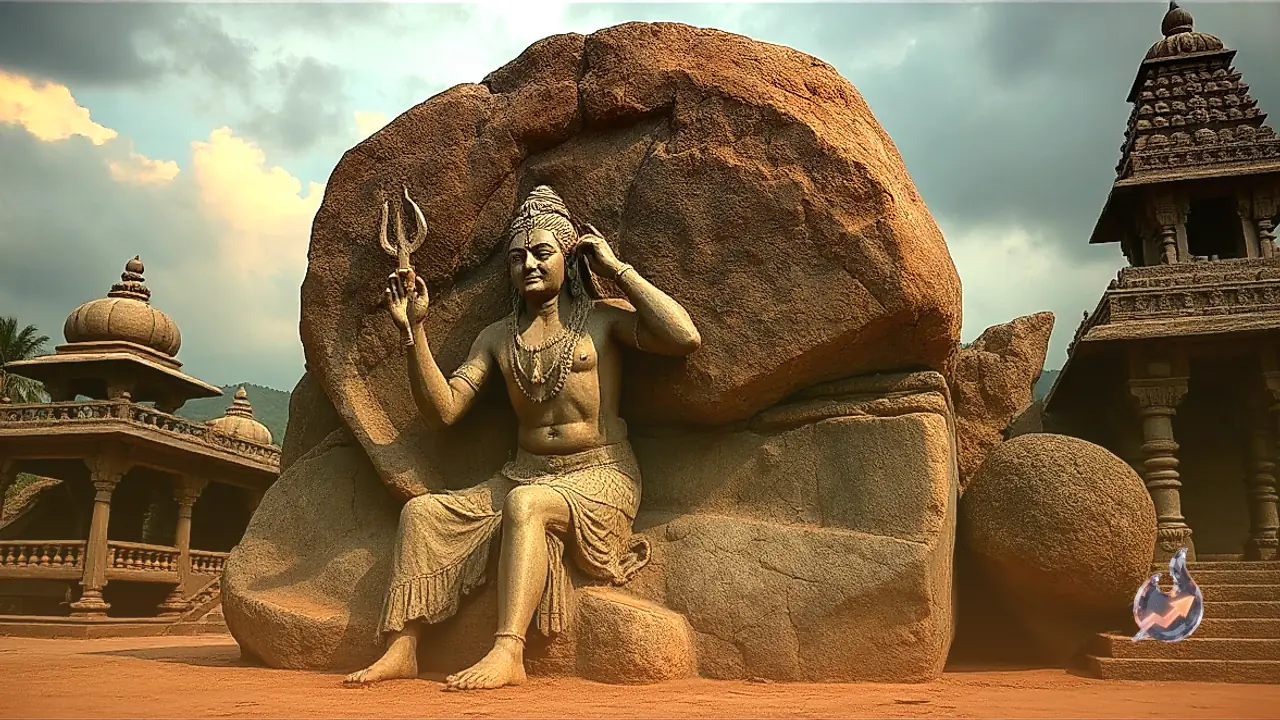

The arrival of the holy month of Sawan brings immense spiritual fervor to pilgrimage sites across India. Located in the Nanta area of Kota, Rajasthan, a nearly 500-year-old Shiva temple stands as a remarkable monument of faith, history, and rare craftsmanship. Throughout this sacred period, large numbers of devotees gather from distant regions to offer holy water and seek the blessings of Lord Shiva. Beyond its religious significance, the ancient shrine serves as an extraordinary specimen of medieval Indian stone architecture, drawing visitors all month long.
Rare Single-Rock Craftsmanship and Mythological Significance
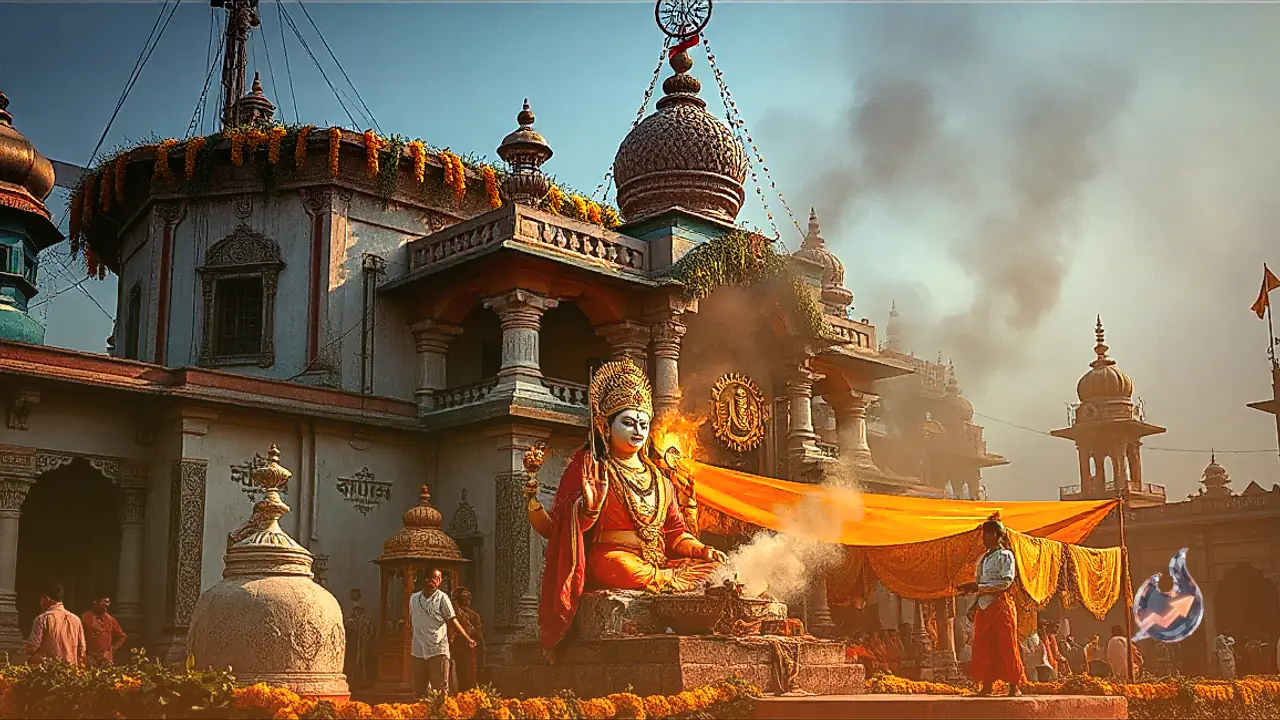
The defining highlight of this sacred site lies in its rare sculpture, where a single massive rock has been carved into a Shivling alongside a statue of Ravana offering his head to Lord Shiva. Such an integrated artistic representation is considered exceptionally rare across temples in India. The sculpture depicts Ravana severing his own head with his hands to lay it at the deity's feet, symbolizing his unwavering devotion and rigorous penance. According to Hindu mythology, Ravana undertook intense austerities on Mount Kailash to appease Lord Shiva. When the deity did not manifest despite years of meditation, Ravana began sacrificing his heads one by one to prove his devotion. Moved by this supreme act of sacrifice, Lord Shiva appeared before him, granted him boons, and bestowed upon him the divine sword known as Chandrahas. This legendary episode is vividly immortalized in the temple stone artwork.
Unique Brass Vessel Tradition to Prevent Shivling Erosion
For over five centuries, this shrine has maintained a unique ritual practice aimed at preserving its architectural heritage. To prevent the ancient stone Shivling from eroding due to the constant pouring of water and milk during rituals, temple authorities cover the deity with a protective brass vessel on key occasions, including the first Monday of Sawan. Devotees pour their offerings directly over the brass container. This ingenious method ensures that the 500-year-old stone structure remains protected from wear while allowing religious customs to proceed uninterrupted.
Sawan Mondays Witness Grand Mangala Aarti and Devotional Chants
Every Monday during Sawan, long queues of worshippers assemble from the early morning Mangala Aarti until late at night. Pilgrims arriving from near and far perform Rudrabhisheka rituals and offer sacred leaves of Belpatra, Dhatura fruits, and fresh flowers to seek divine blessings. The entire temple premises reverberates with intense chants of 'Har Har Mahadev' and 'Om Namah Shivaya', creating a deeply spiritual atmosphere. Blending heritage, mythology, and intricate sculpture, this ancient temple in Kota continues to offer visitors a serene sense of spiritual peace and devotion.