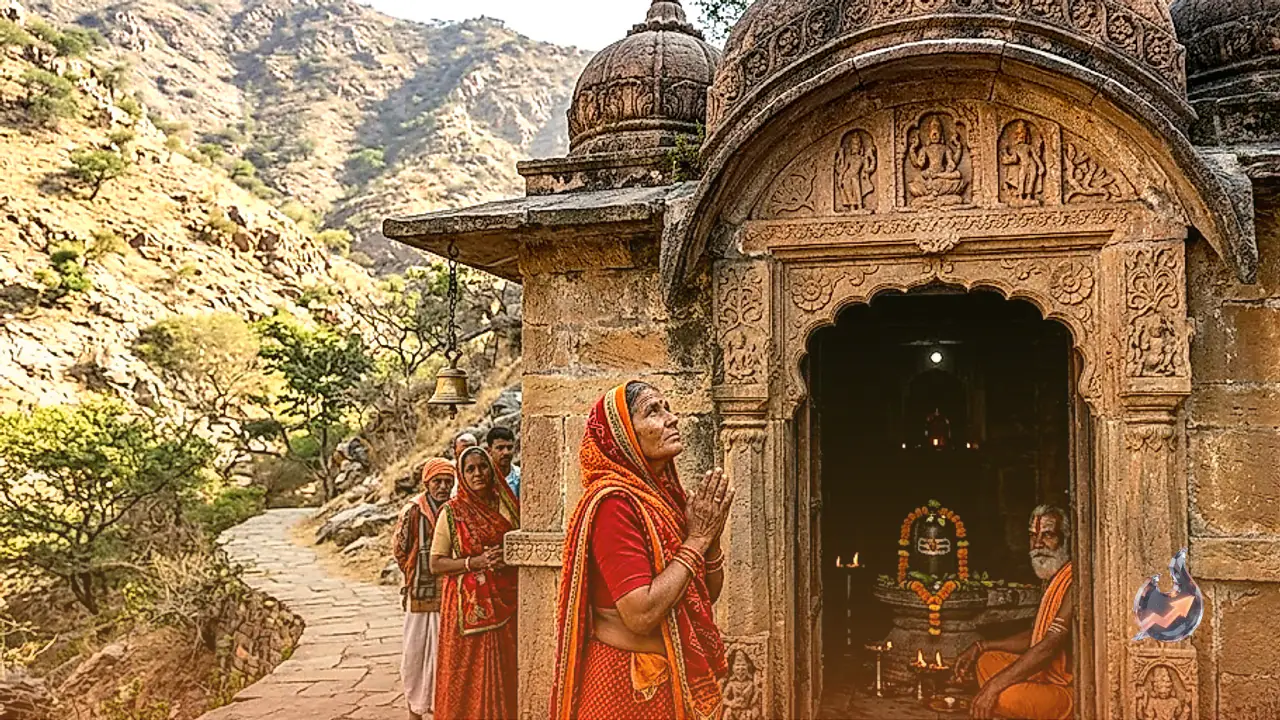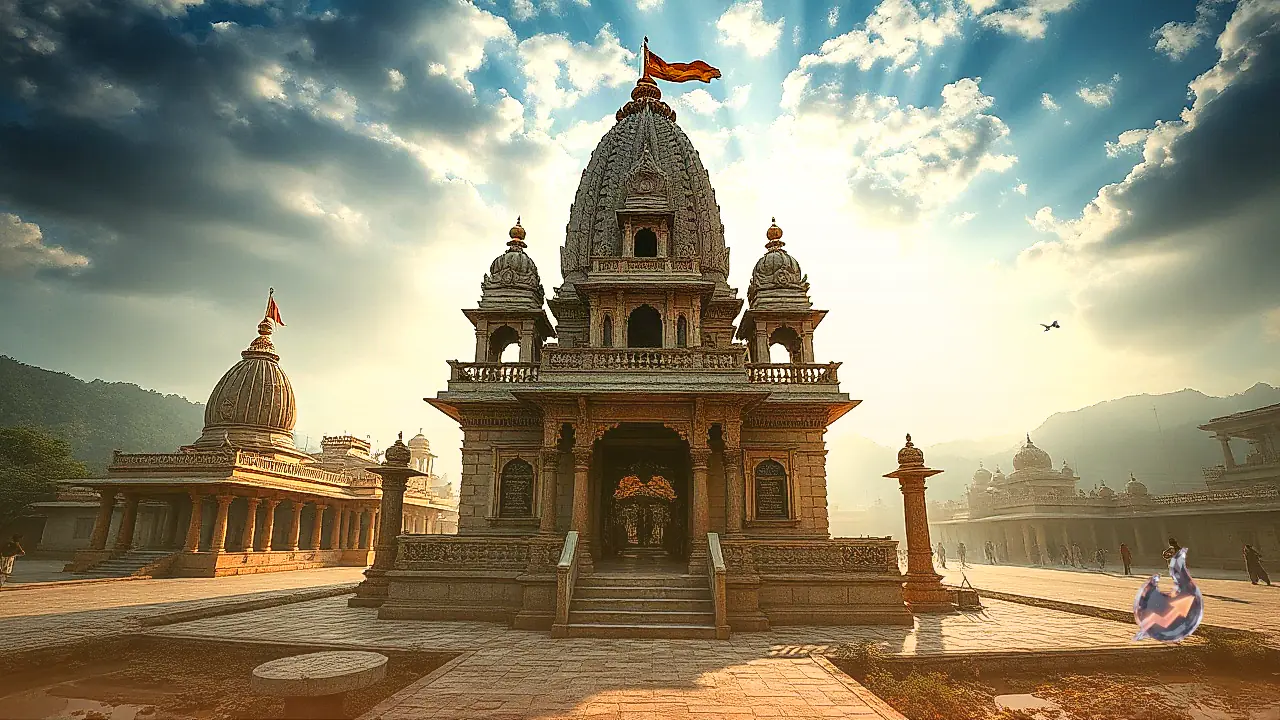























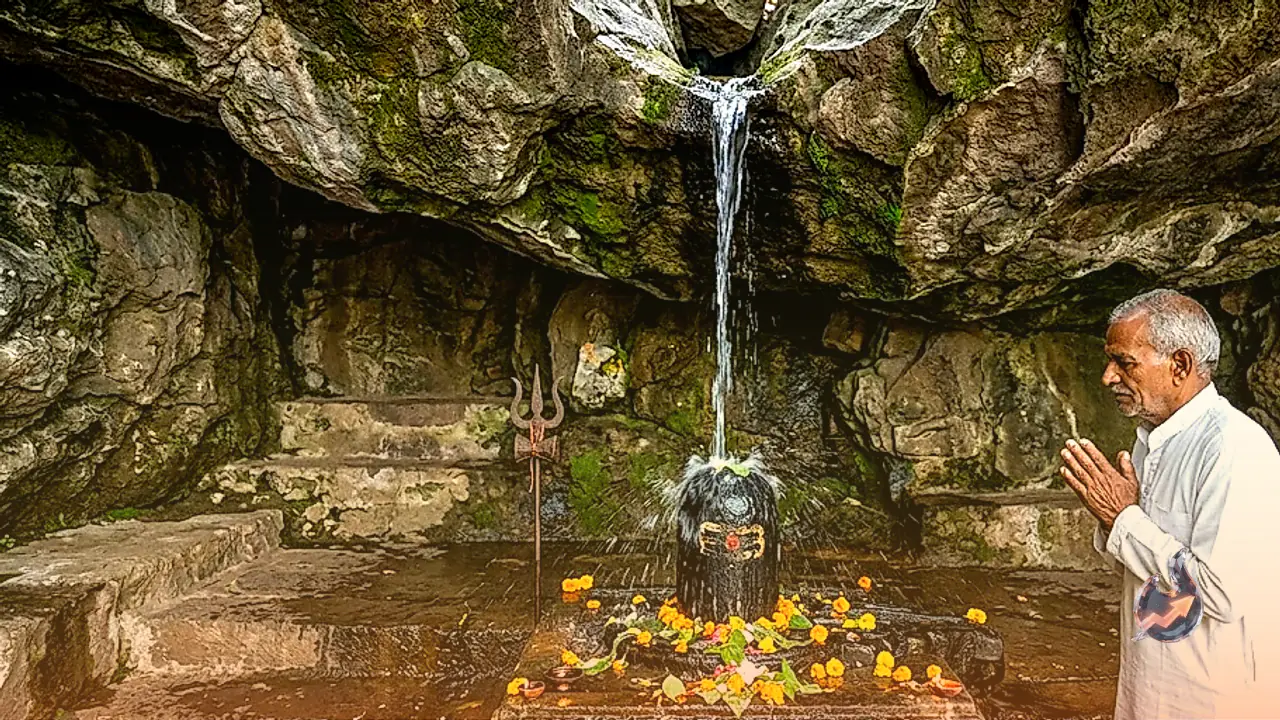

Situated in the Khandwa district of Madhya Pradesh lies a remarkable Shiva shrine where the routine of daily worship departs completely from traditional rituals. Located roughly 25 kilometers from the city of Khandwa near Bhojakhedi, the Devjhiri Bhuteshwar Mahadev Temple stands as a unique convergence of deep faith, natural beauty, and enduring mystery. At this sacred site, no priest or devotee needs to perform the ritual water offering known as Jalabhishek. Instead, nature itself continuously pours a stream of fresh water over the sacred deity 24 hours a day. With the arrival of the auspicious month of Sawan, large numbers of pilgrims gather at this revered shrine to experience its divine atmosphere.
The Mystery of the Unceasing Natural Water Stream
The defining highlight of the Devjhiri temple is a natural pool housed within the premises from which a constant stream of water originates. This stream flows continuously without interruption, falling directly onto the Shivling beneath it. Remarkably, this natural flow remains completely unchanged across all twelve months of the year. Whether the region experiences scorching summer heatwaves, freezing winter temperatures, or heavy monsoon downpours, the volume and pace of the spring water never fluctuate or dry up. This perpetual, natural ritual offering makes the shrine an extraordinary site of spiritual wonder for visiting devotees.
Self-Manifested Shivling and the Indelible Tripund
The consecrated stone at the Devjhiri Bhuteshwar Mahadev Temple holds immense spiritual significance among local residents. According to long-held beliefs, the Shivling is Svayambhu, meaning it was not sculpted or installed by human effort but emerged naturally from the earth. Equally intriguing is the sacred Tripund marking visible on the surface of the deity. Despite the uninterrupted impact of falling water day and night, this holy symbol has never washed away or faded over time. Believers view the permanent nature of the Tripund as clear evidence of Lord Shiva's divine presence and supreme cosmic power.
Etymology of 'Devjhiri' and Legacy of Ancient Sages
The name 'Devjhiri' itself carries deep spiritual meaning, formed by combining two distinct words: 'Dev', referring to God, and 'Jhiri', which denotes a continuously flowing natural water source. Nestled behind the temple structure among lush hills and thick forest cover is a natural spring that yields pure, cold water throughout the year. In ancient times, this area was an isolated wilderness ideal for deep meditation. Because Lord Shiva is revered as 'Bhuteshwar' or 'Bhootnath', the lord of all living beings and the five basic elements of nature, ascetics, Aghori practitioners, and sages selected this tranquil forest retreat for their spiritual penance. It is believed that nature has been serving the deity here since those ancient times, preserving a sacred tradition that continues today.
Devotee Gatherings During Sawan and Mahashivratri
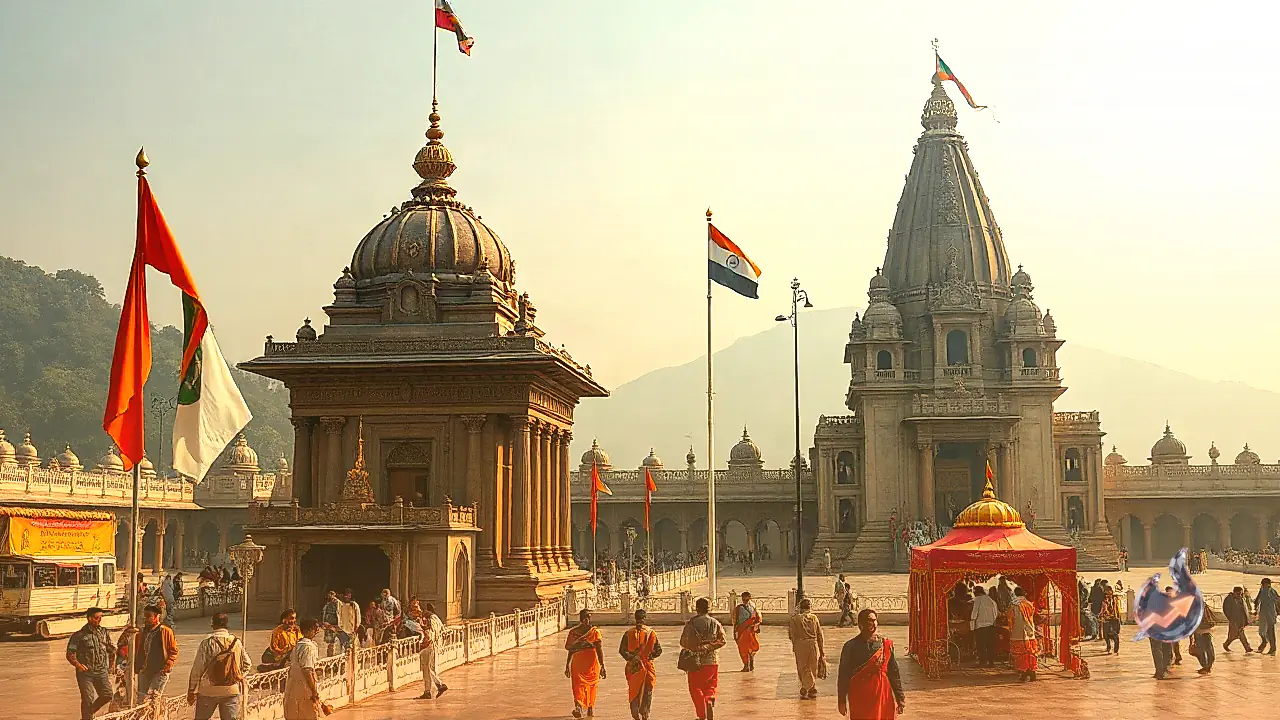
During the holy month of Sawan, the temple grounds transform into a vibrant center of pilgrimage. Devotees travel from various parts of Madhya Pradesh and neighboring regions to witness the perpetual water stream and offer prayers. Special annual fairs are organized at the site during both Sawan and the festival of Mahashivratri, attracting long queues of worshippers seeking blessings. Surrounded by verdant landscapes and the soothing sound of flowing water, the Devjhiri Bhuteshwar Mahadev Temple offers visitors a peaceful retreat and a deeply memorable spiritual experience.