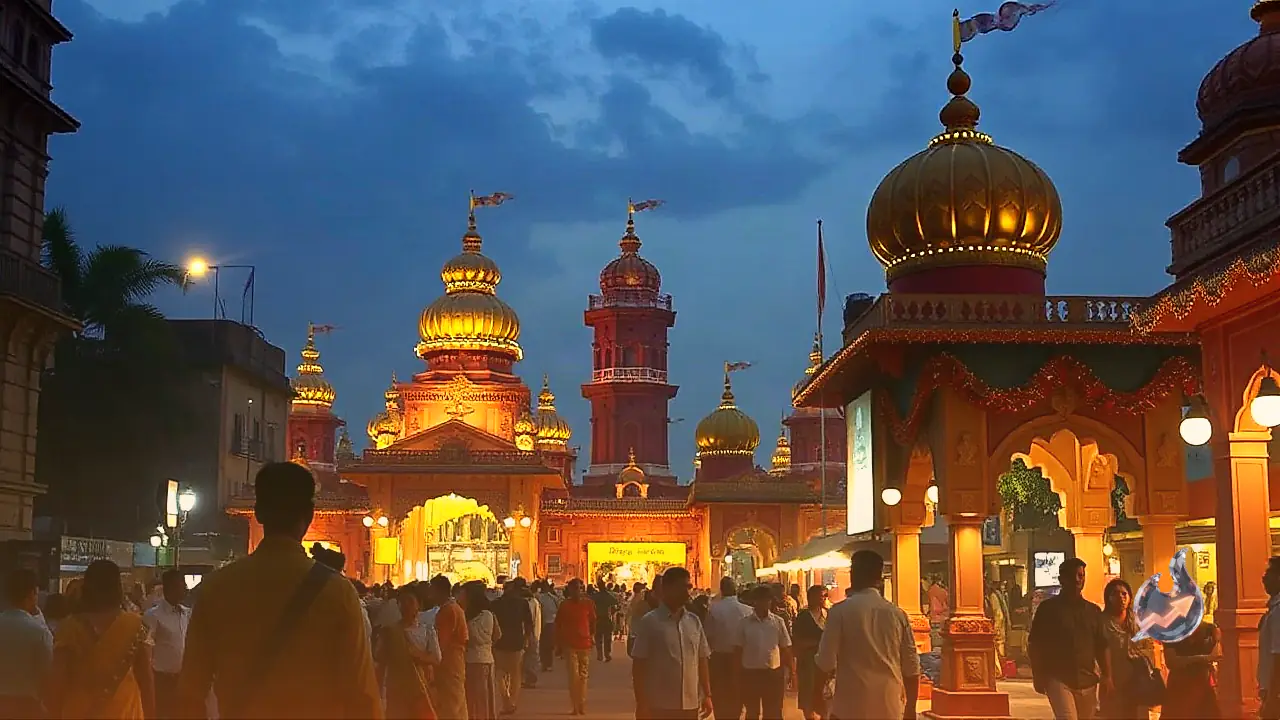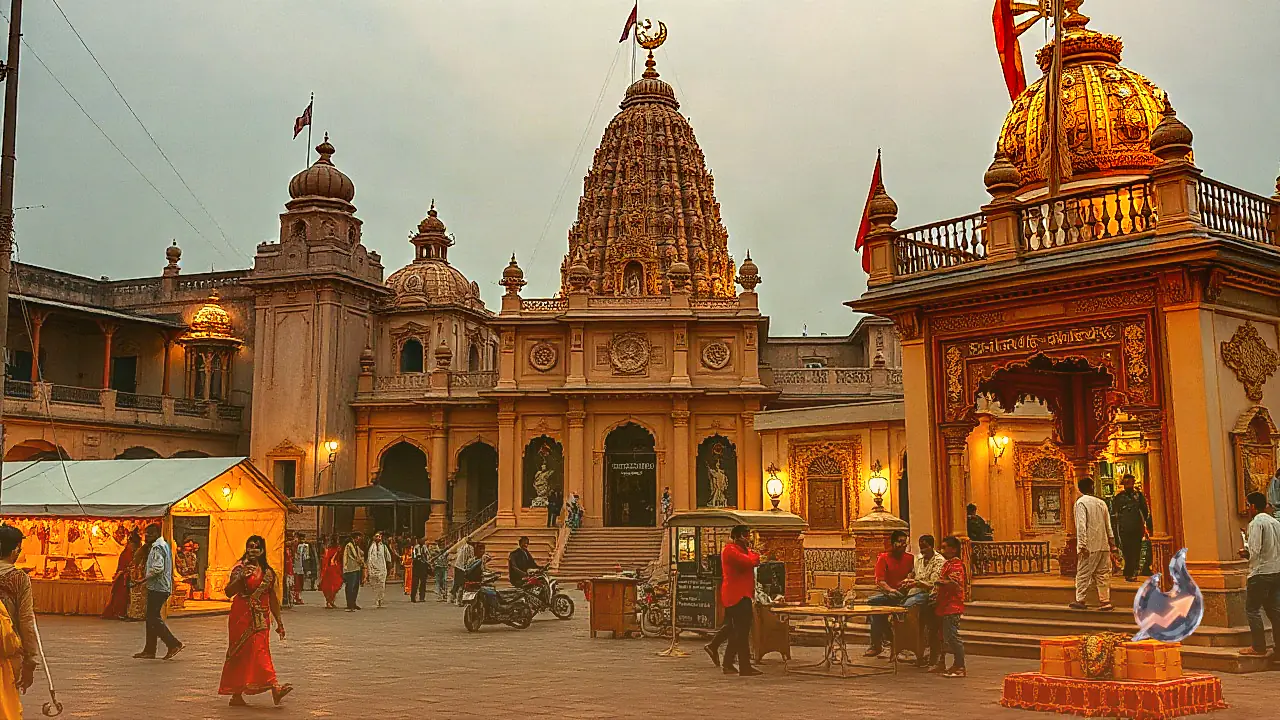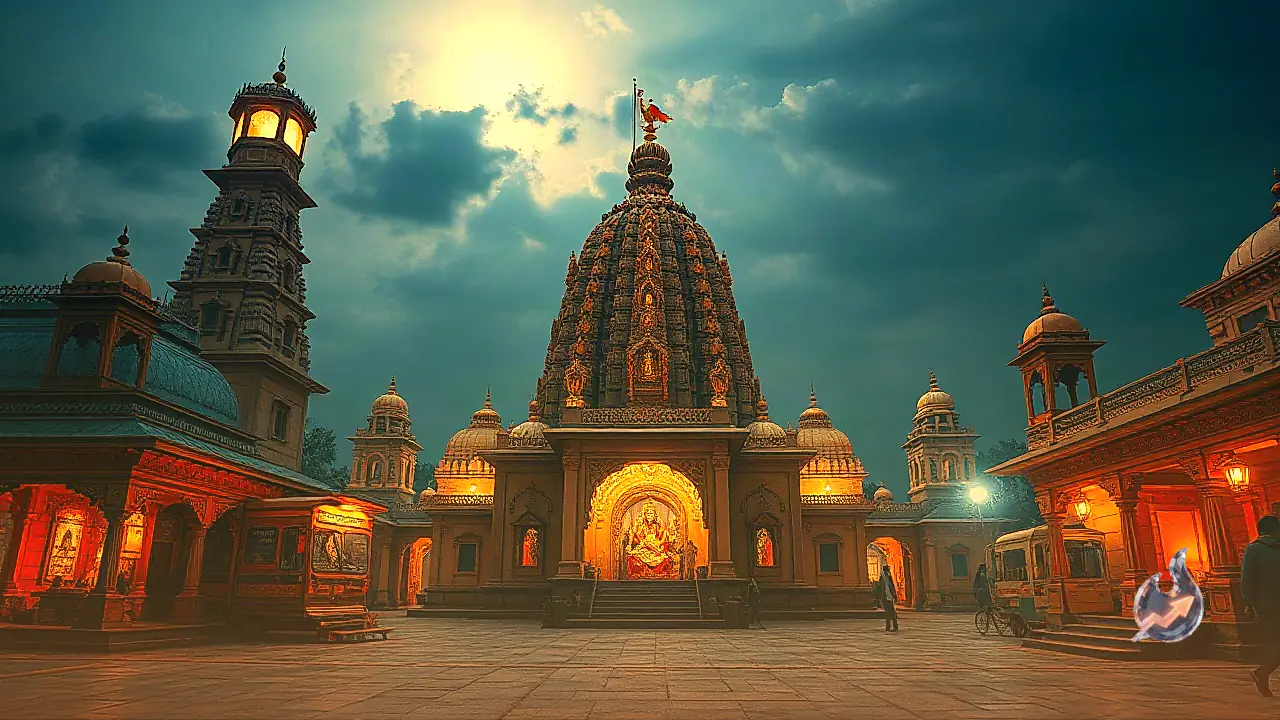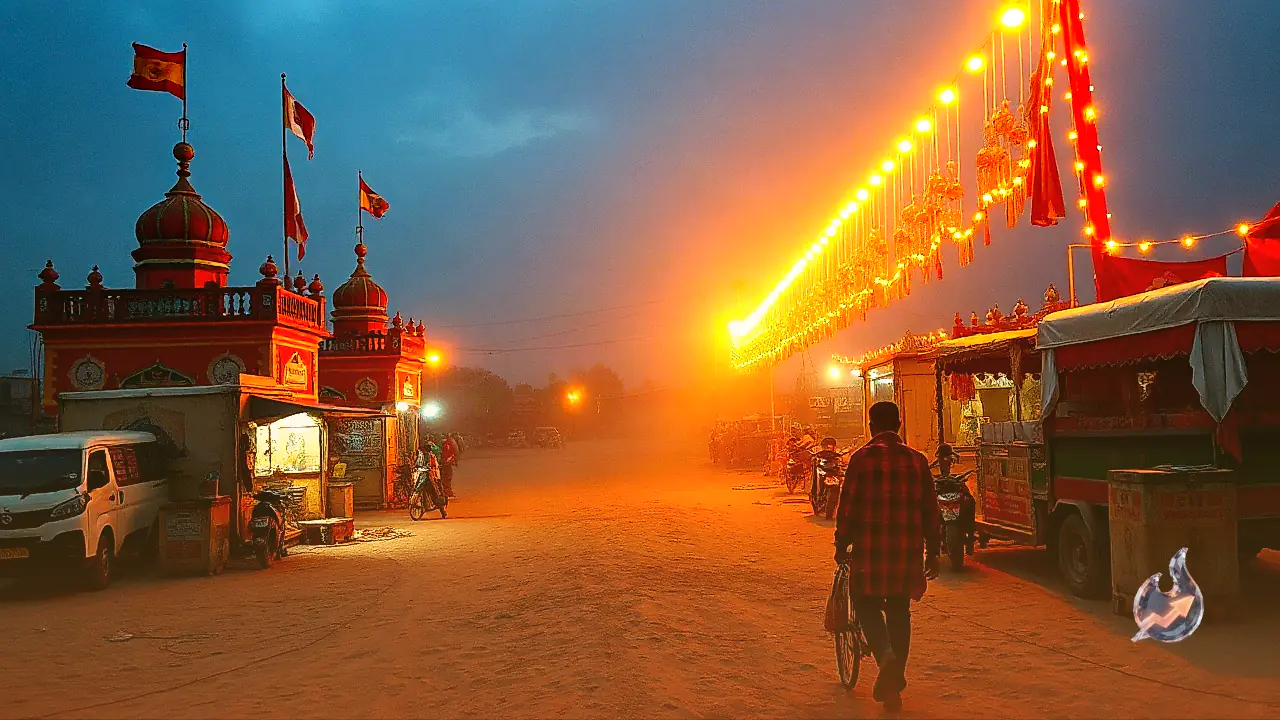





















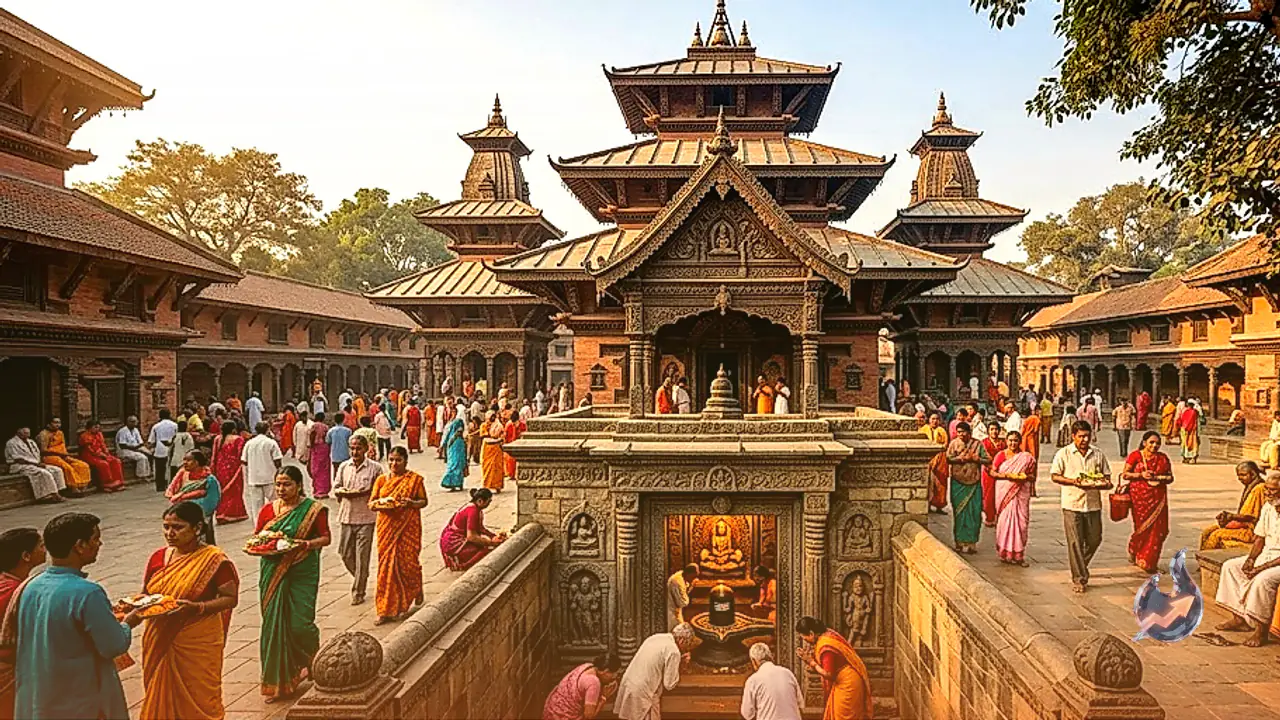

Situated in the Pupri block of Sitamarhi district, Bihar, the Nageshwar Nath Temple stands as a monumental shrine of faith and historical devotion. This sacred abode of Lord Shiva is deeply revered not only for its spiritual traditions but also for its remarkable structural layout. Local folklore traces the roots of this shrine back to the Treta Yug. It is widely believed that a Swayambhu Shivling naturally emerged at this site, making it a focal point of worship for generations. The surrounding region holds deep reverence for the deity, drawing thousands of pilgrims who seek spiritual solace.
Architectural Resemblance to Nepal's Pashupatinath
A defining feature of the Nageshwar Nath Temple is its distinct architectural design, which closely mirrors the iconic Shri Pashupatinath Temple located in Kathmandu, Nepal. The grand structure, detailed carvings, and tranquil ambiance offer visitors a spiritual atmosphere reminiscent of the renowned Nepali shrine. Because of these striking visual and structural similarities, local devotees often view this sacred compound as Bihar's own Pashupatinath, where worshippers can experience similar tranquility and divine connection.
A Mysterious Underground Sanctum Sanctorum
Unlike conventional temples, the sanctum sanctorum (garbhagriha) of the Nageshwar Nath Temple is situated deep below the ground level. To pay homage to the underground Swayambhu Shivling, devotees must descend a flight of stairs into the subterranean chamber. Despite its position well beneath the surface, the interior exudes a powerful sense of positive energy. Pilgrims visiting the sanctum frequently describe a profound feeling of mental peace and spiritual rejuvenation upon reaching the core altar.
Grand Pilgrimages During Sawan and Mahashivratri
During the holy month of Sawan, the temple premises transform into a vibrant center of mass pilgrimage. Resounding chants of 'Har Har Mahadev' and 'Bam Bam Bhole' echo throughout the Pupri region. Hundreds of thousands of Shiva devotees and Kanwariyas collect holy water from the nearby Bagmati River and carry it over long distances to perform the ritual abhishekam on the sacred Shivling. Apart from Sawan, the festival of Mahashivratri draws immense crowds, accompanied by grand fairs organized in the surrounding grounds. On these special occasions, the temple is exquisitely decorated, and continuous spiritual recitations, devotional music, and elaborate rituals create an overwhelming atmosphere of faith. The local administration and the temple management committee collaborate closely to put in place extensive arrangements for crowd management and pilgrim safety.
Preserving Cultural Heritage and Tourism Development
From a historical and cultural standpoint, the Nageshwar Nath Temple represents a priceless piece of heritage for Sitamarhi. It stands as a testament to regional architectural mastery alongside its religious significance. Recognizing its potential to attract visitors from across the country and beyond, the state tourism department and government authorities are actively working on development and beautification projects. Enhancing the infrastructure around this ancient site aims to provide better facilities for incoming pilgrims while elevating the prominent legacy of this legendary Shiva shrine.