

















In Hindu tradition, Pitru Paksha is a sacred sixteen-day period dedicated to expressing gratitude and reverence toward departed ancestors. During this duration, rituals such as tarpan, pind dan, and various shraddha ceremonies are primarily performed to bring peace to the souls of the forebears. This observance typically begins around the transition of Bhadrapada Purnima and the onset of the Ashwin month, culminating on Sarvapitri Amavasya. According to mythological beliefs, ancestors visit the mortal realm during these days with the desire to receive food and water from their descendants. This period serves not only as a time for religious rites but also as an opportunity to keep family traditions, values, and respect for forebears alive, which is why it holds a special place in Hindu heritage.
Beginning Of Shraddha Paksha From Pratipada
The observance commences from the Pratipada date of the Krishna Paksha in the Ashwin month, a phase commonly referred to as Shraddha Paksha. Throughout this duration, rituals are conducted within households to bring peace and satisfaction to the ancestors. Pind dan also holds immense significance during this phase. According to religious beliefs, executing pind dan and shraddha rites following proper procedures helps alleviate pitru dosha. It is widely considered that performing these ceremonies with devotion and discipline can reduce troubles associated with ancestral afflictions while fostering peace and prosperity within the family.
Conclusion On Sarvapitri Amavasya
According to the schedule for 2026, the observance begins with Purnima Shraddha on September 26 and concludes with Sarvapitri Amavasya on October 10. October 10 marks the final day of Pitru Paksha, also observed as Sarvapitri Amavasya or Mahalaya Amavasya. For ancestors whose exact date of passing is unknown, conducting the rites on this specific day is a long-standing tradition. Even if a ritual could not be performed on a predetermined date due to any reason, this final day remains equally significant. It is dedicated to remembering departed ancestors with devotion, expressing gratitude, and seeking their blessings.
Determining The Correct Date
Tradition dictates that shraddha is performed on the exact lunar date corresponding to the day a person passed away during Pitru Paksha. Therefore, dates are not fixed merely by looking at the Gregorian calendar, but rather by consulting Hindu lunar dates. If the death anniversary of a family member is unknown, determining the appropriate time and method according to local calendars and family traditions is considered the most suitable approach.
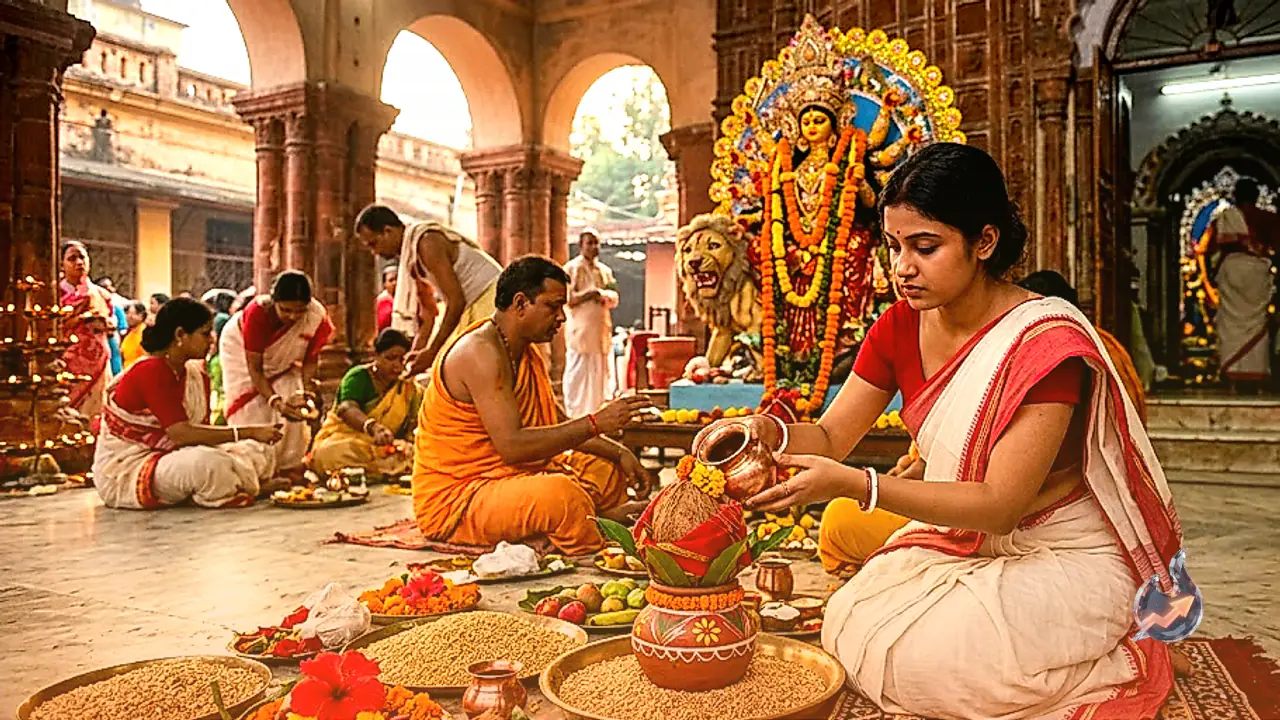
Rituals And Offerings Completed During The Period
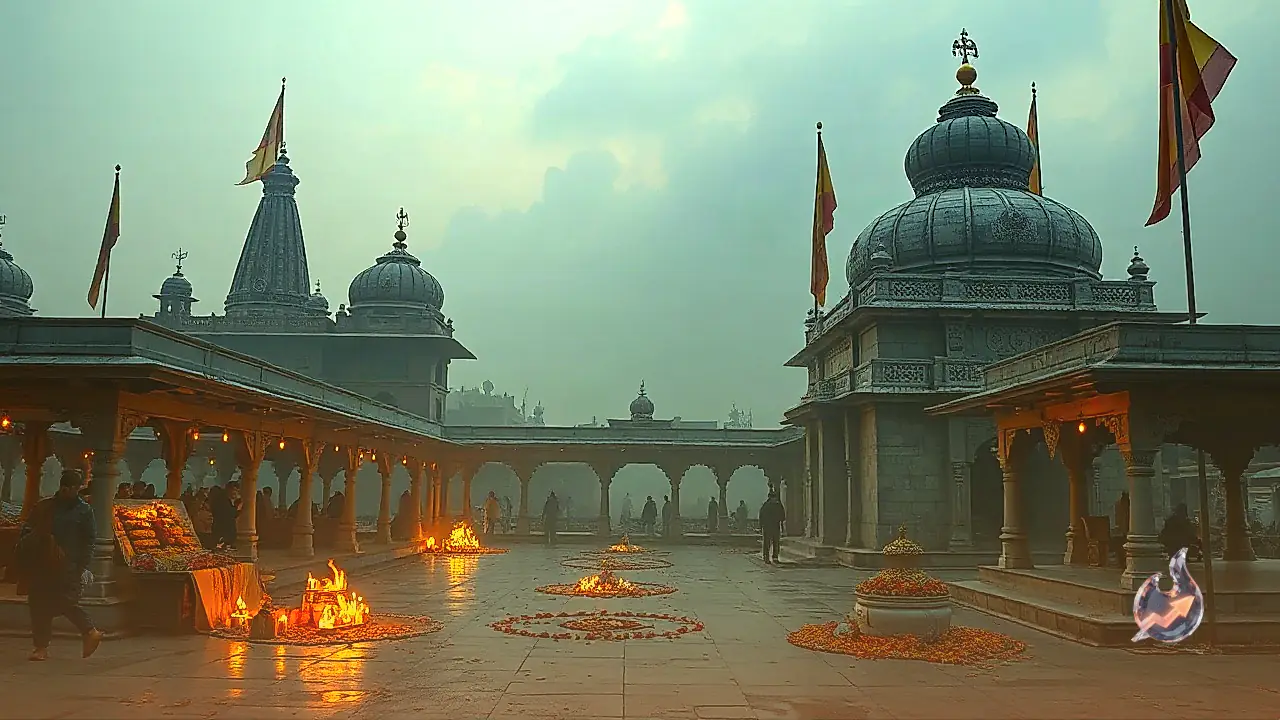
A complete observance during this fortnightly window involves taking a solemn pledge, performing tarpan, offering pind dan, cooking and presenting pure vegetarian meals, setting aside portions for cows, crows, and dogs, and engaging in charity. To seek peace for the souls of forebears, water mixed with black sesame seeds, barley, and kusha grass is offered while facing the south direction. Additionally, pind dan is executed specifically on the death anniversary of the ancestor.