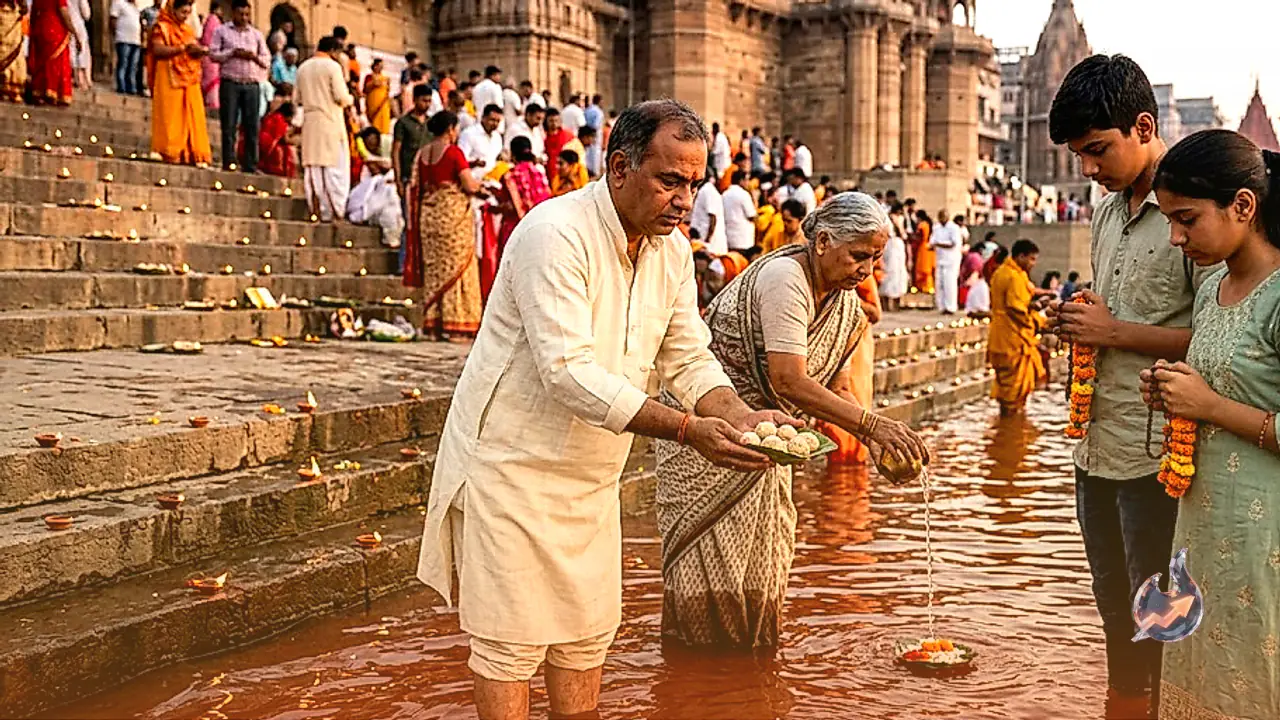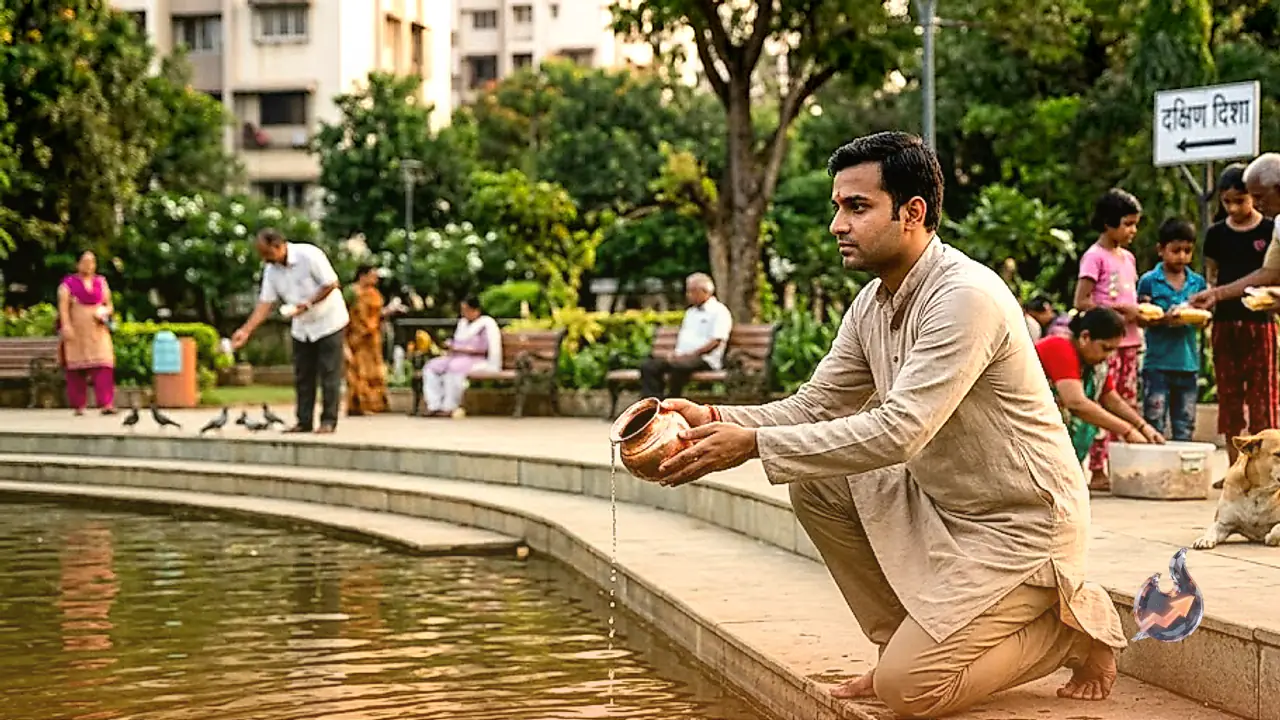

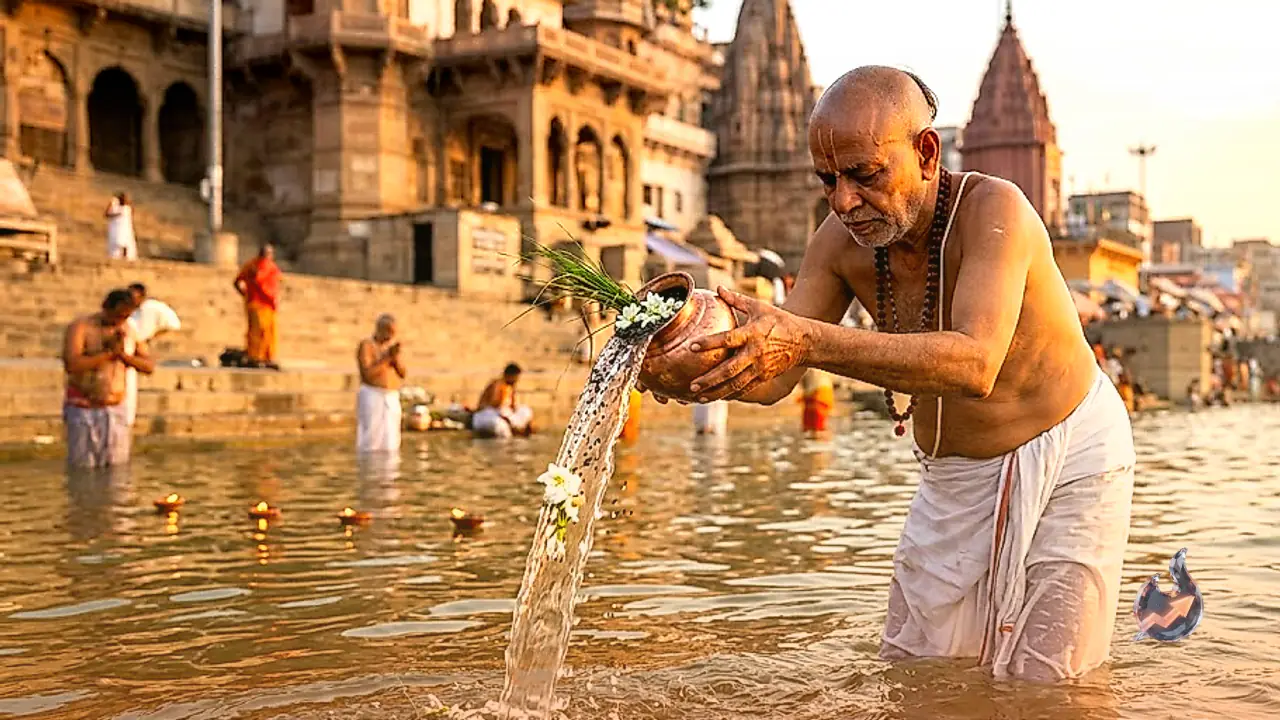





















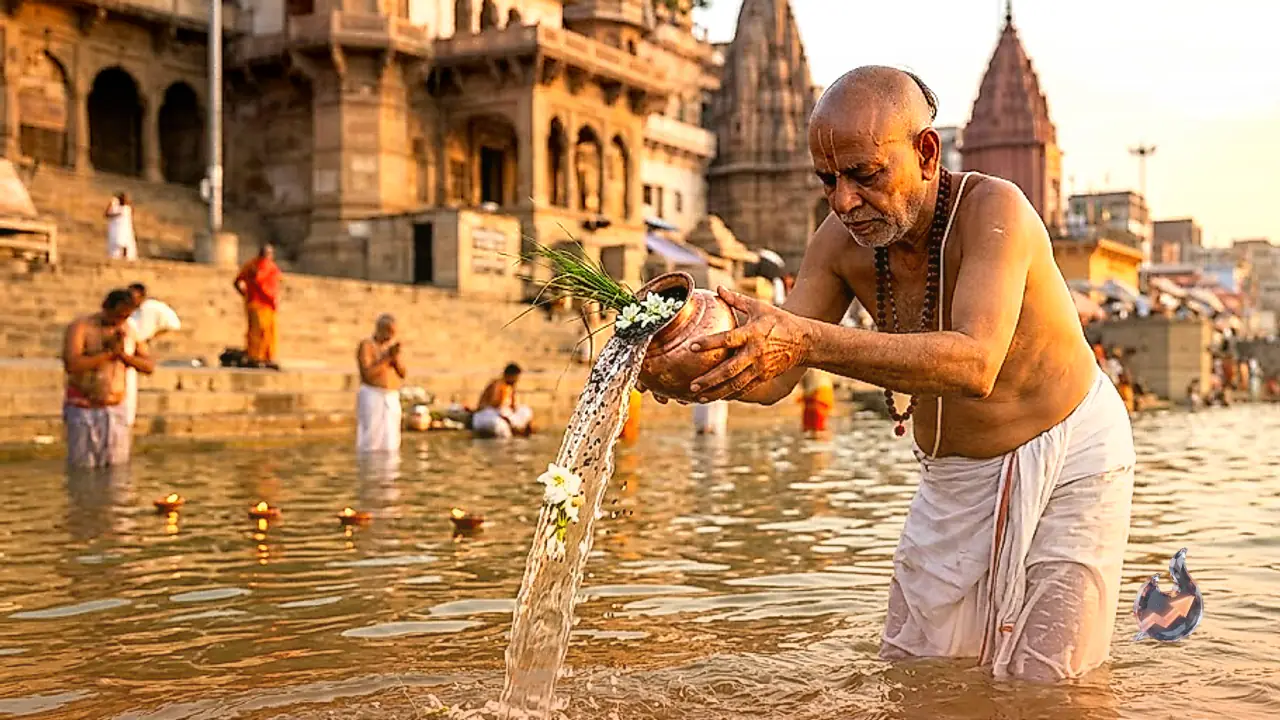

The sixteen-day sacred period dedicated to expressing gratitude towards ancestors has officially commenced in the Hindu calendar. The observance begins on the full moon day of the Bhadrapada month with Rishi Tarpan. However, according to traditional customs, the actual performance of ancestral shraddha rituals begins from the Pratipada tithi of the Krishna paksha in the Ashwin month. The first shraddha ritual is scheduled to be performed on September twenty-seventh. According to traditional beliefs, ancestors descend from the celestial realms to the earthly plane during these sixteen days, desiring water and food offerings from their descendants.
Significance and Rituals of Rishi Tarpan
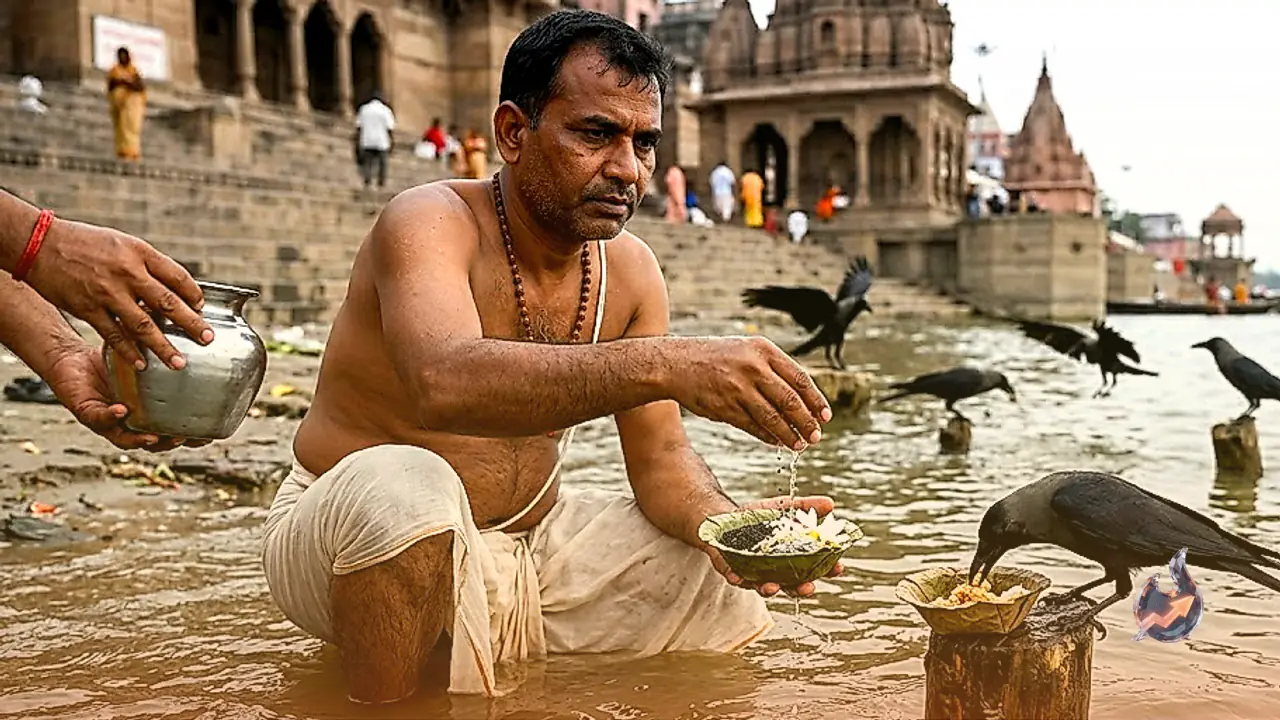
On the full moon day, water offerings are made specifically in the name of the ancient sages rather than the ancestors themselves. Without performing Rishi Tarpan, ancestral water offerings are never considered complete or successful. This initial ritual should ideally be performed near a natural water source such as a river or pond. If no such water body is available nearby, individuals can sit on their home terrace or courtyard near a running tap or water pump to complete the procedure. A strict rule during Rishi Tarpan is to avoid wearing stitched clothing. Bathing and performing the rituals while wearing damp garments is mandatory. While offering water, individuals must hold white flowers, black sesame seeds, and kusha grass in their hands. Furthermore, no flowers other than white ones should be used during this observance.
Calendar Calculations and Purnima Vrat
According to the lunar calendar, the Purnima tithi began on the night of September twenty-fifth at eleven-six and concluded on the night of September twenty-six at ten-eighteen. According to scriptural guidelines, whichever evening witnesses the presence of the Purnima tithi is designated as the day for observing the full moon fast. Consequently, the Purnima fast was observed on September twenty-six. Following ten-eighteen at night, the Pratipada tithi of the Ashwin month commenced, marking the immediate beginning of Pitru Paksha. The Pratipada tithi will conclude on September twenty-seventh at eight-fifty-eight at night. Thus, the systematic performance of ancestral shraddha rites will proceed actively from September twenty-seventh, which falls on a Sunday.
Duration of Pitru Paksha and Pind Daan
The entire duration of Pitru Paksha extends from the Pratipada tithi of the Ashwin Krishna paksha until Sarvapitru Amavasya. During this fortnightly period, ancestral shraddha rites are performed within households to ensure the peace and satisfaction of departed souls. Pind Daan holds immense spiritual significance throughout this period. According to religious beliefs, performing Pind Daan and shraddha with proper scriptural procedures helps individuals attain freedom from ancestral curses. The determination of shraddha dates relies strictly on Hindu lunar calendar dates rather than the Gregorian calendar. The shraddha of any family member is conducted on the exact lunar date corresponding to their passing. If the exact date of a relative's demise remains unknown, determining the appropriate time and method according to local almanacs and family traditions is considered most appropriate.
Sarvapitru Amavasya on October Tenth
The concluding day of Pitru Paksha will fall on October tenth with Sarvapitru Amavasya, also known as Mahalaya Amavasya. This day serves as a traditional occasion to perform shraddha for all those ancestors whose exact dates of passing are unknown. Even if individuals fail to perform shraddha on the designated specific date due to any reason, Sarvapitru Amavasya remains a highly significant alternative.
Facing Southwards and Specific Ritual Rules
Throughout the fortnight of shraddha, rituals are executed with utmost devotion, including sankalp, water tarpan, pind daan, preparation of pure vegetarian meals, setting aside separate portions for cows, crows, and dogs, and performing charity. Water mixed with black sesame seeds, barley, and kusha grass is offered to the ancestors while facing the southern direction. Additionally, pind daan is carried out on the respective death anniversaries of the ancestors.
Complete Schedule of Important Shraddha Dates
The prominent shraddha dates scheduled throughout Pitru Paksha include
- September 26, Saturday: Purnima Shraddha was observed.
- September 27, Sunday: Pratipada Shraddha will be performed.
- September 28, Monday: Dwitiya Shraddha will take place.
- September 29, Tuesday: Tritiya Shraddha and Mahabharani will be observed.
- September 30, Wednesday: Chaturthi and Panchami Shraddha will be combined.
- October 1, Thursday: Shashthi Shraddha will be conducted.
- October 2, Friday: Saptami Shraddha will take place.
- October 3, Saturday: Ashtami Shraddha will be observed.
- October 4, Sunday: Navami Shraddha will be performed.
- October 5, Monday: Dashami Shraddha will remain.
- October 6, Tuesday: Ekadashi Shraddha will be conducted.
- October 7, Wednesday: Dwadashi and Magha Shraddha will take place.
- October 8, Thursday: Trayodashi Shraddha will be observed.
- October 9, Friday: Chaturdashi Shraddha will be conducted.
- October 10, Saturday: Sarvapitru Amavasya will mark the conclusion of Pitru Paksha.