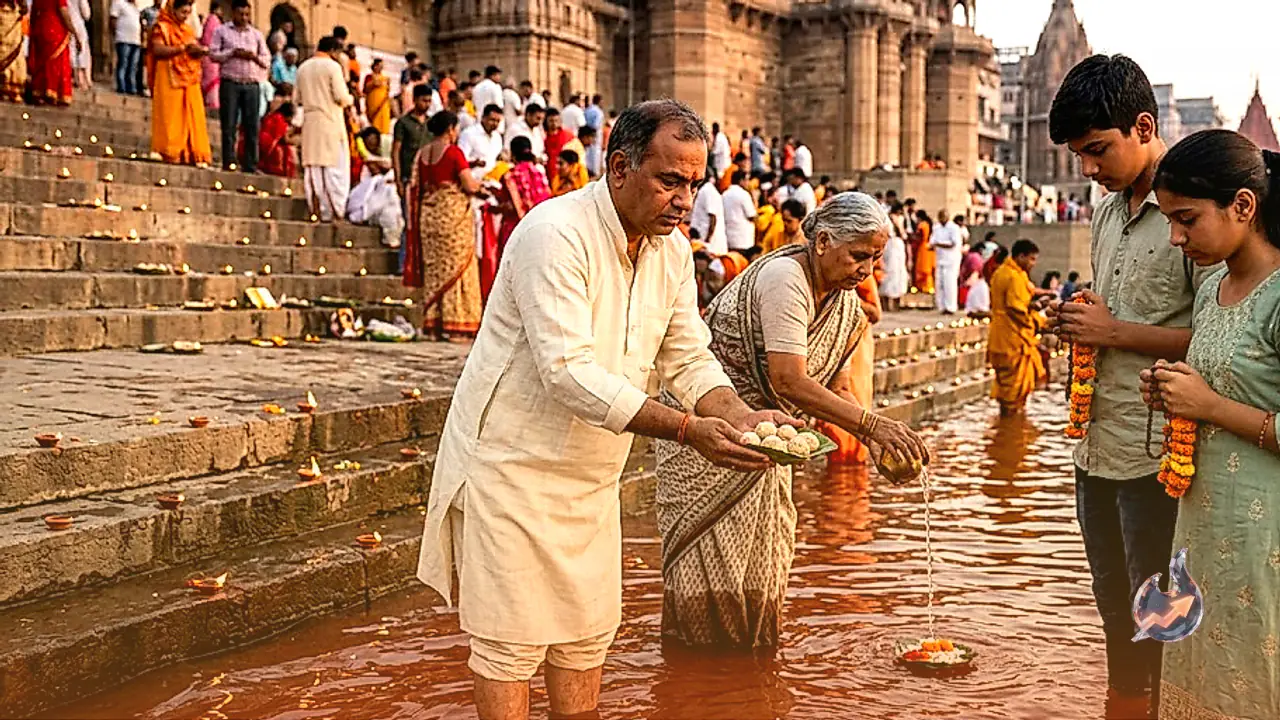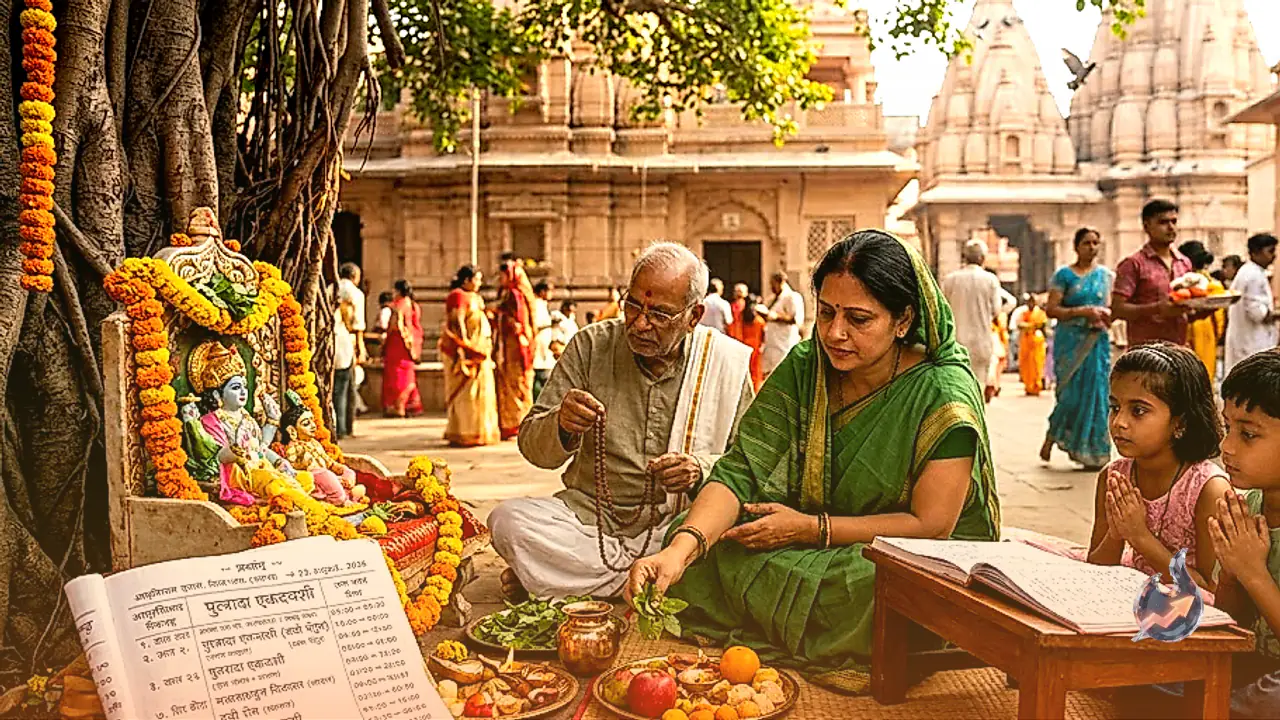























Pitru Paksha begins from the Pratipada tithi of the Krishna paksha in the month of Ashwin and concludes on the Amavasya tithi. This year, Tarpan and Shradh rituals will commence on Sunday, September 27, and the farewell of ancestors will take place on Saturday, October 10. During these sixteen days, performing Tarpan and Shradh for ancestors holds a special place in traditional practices.
Religious Beliefs and Significance
According to Hindu traditions, offering water with devotion to ancestors during these days and performing acts of charity brings their blessings and helps clear ancestral doshas. Scriptural traditions also place considerable emphasis on the types of vessels used during the Tarpan rituals in Pitru Paksha. Knowing which metal utensils to use ensures the rituals are conducted correctly.
Auspicious Metal Utensils
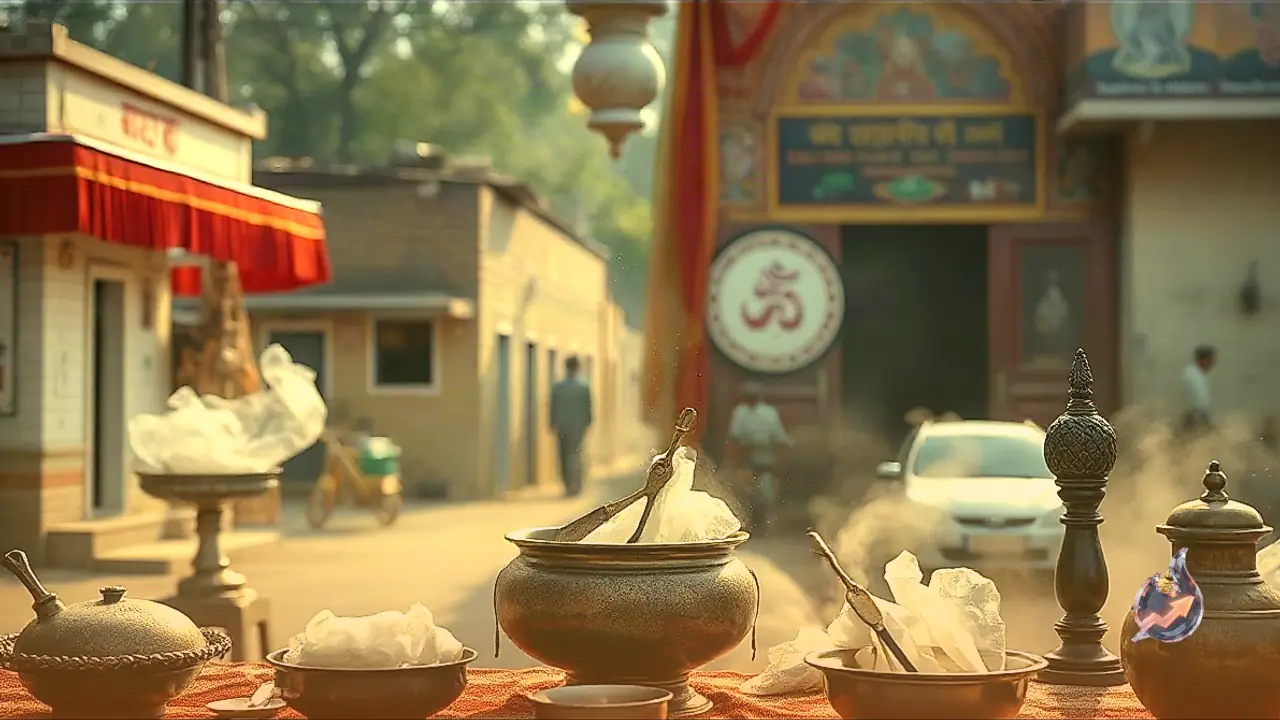
According to traditional guidelines, using silver vessels for Tarpan and Shradh is considered the best option. In Hindu customs and astrology, silver is viewed as an exceptionally pure and sacred metal associated with the moon. Silver utensils should ideally be used for Tarpan, Pind Daan, and feeding Brahmins.
If silver vessels are not available at home, brass, copper, and bronze utensils can be used instead. Astrologically, copper is linked to the sun and Mars, brass is connected to Jupiter, and bronze represents Mercury and Venus. You can use utensils made from these metals during Tarpan, Pind Daan, or community feasts.
If copper, brass, or bronze items are out of reach, disposable leaf plates and bowls can also be utilized. Furthermore, keep in mind that only cow's milk, ghee, and curd should be used for Shradh rituals, and ancestors or ritual items should not be placed directly on the ground. A Kusha grass mat can be used for seating, and if that is unavailable, a blanket, wool, wood, or silken cloth can be spread out.
Metals to Avoid Completely
You should strictly avoid using steel or iron utensils for Tarpan and Shradh during Pitru Paksha. Many people mistakenly use steel or iron vessels for Tarpan and Brahmin meals, which is incorrect. The use of steel and iron is entirely prohibited during this period. Additionally, glass and plastic containers must not be used either, as they are often associated with negative energy and impurity.
Ritual Procedure and Charity
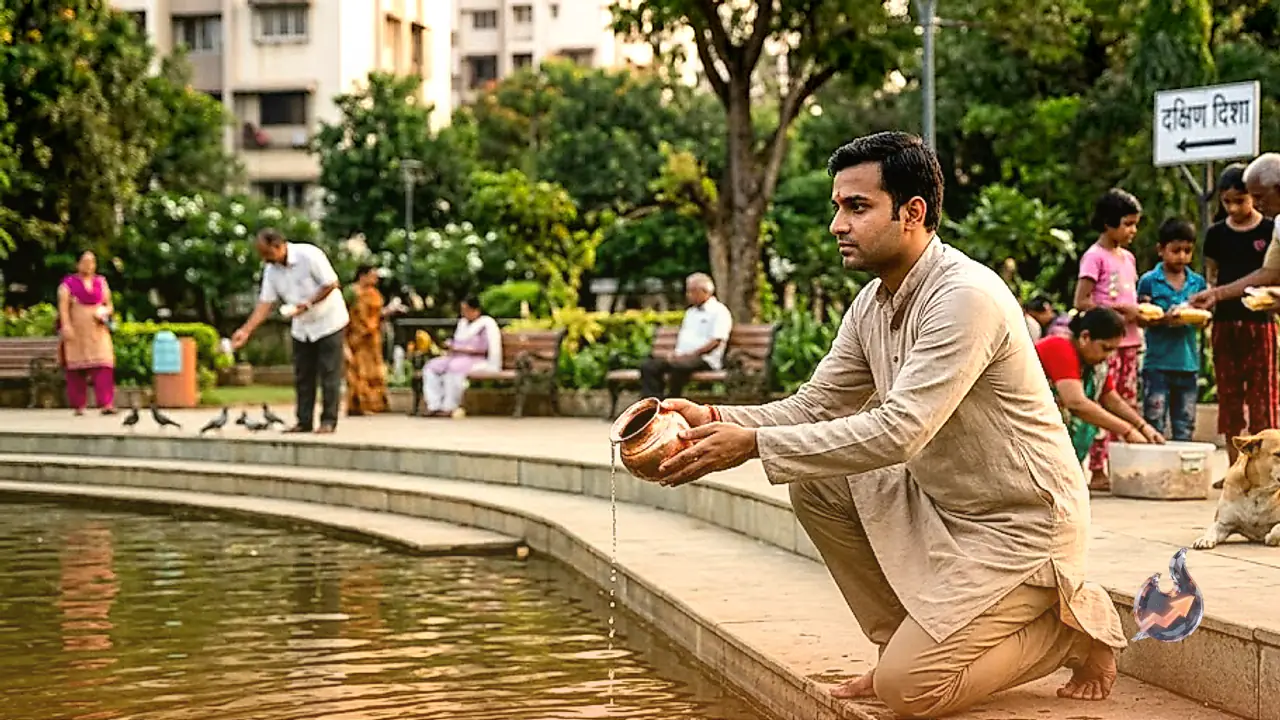
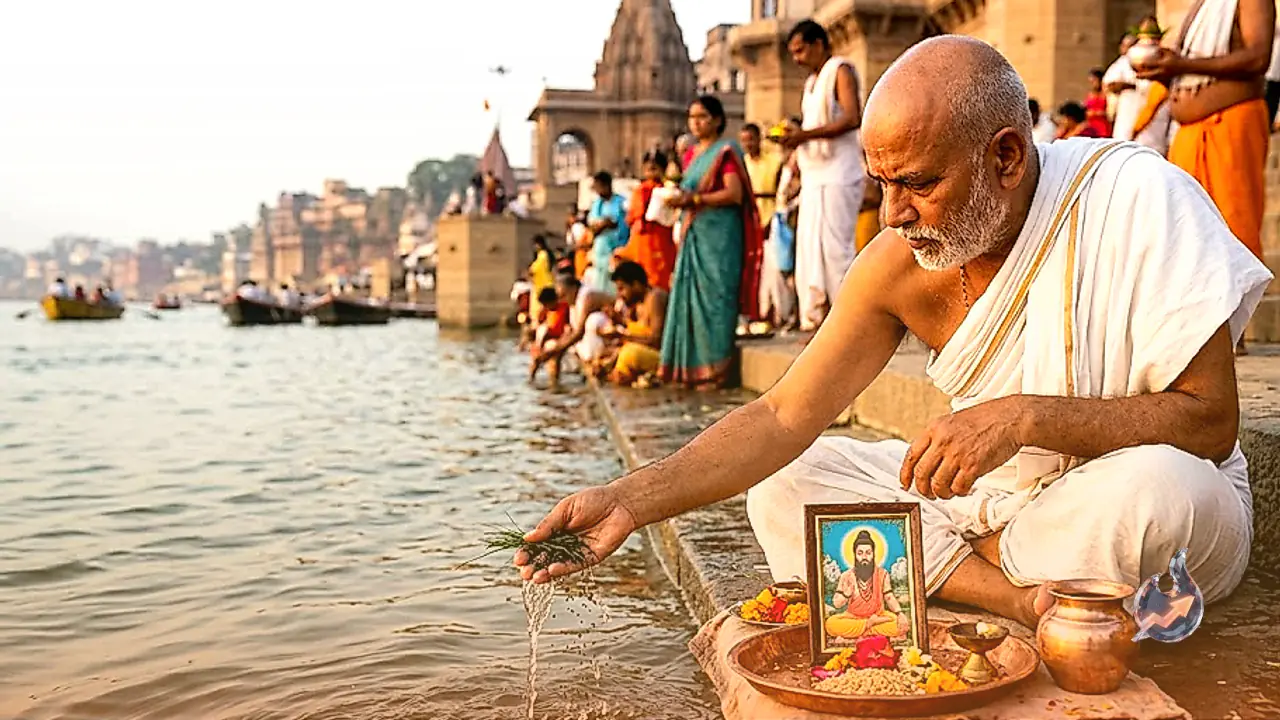
For the sixteen days of Pitru Paksha, take a bath in the morning and put on clean clothes. Sit down in a quiet place afterward and remember your ancestors. Take clean water in a vessel and mix black sesame seeds into it. According to tradition, water during Tarpan is offered facing the southern direction. Following this, offer water with devotion while remembering the names and lineages of your ancestors. The water is traditionally released slowly from the cupped palms while maintaining a feeling of gratitude toward forebears.
After completing Tarpan, donating food, grains, clothing, or other items according to one's capacity for the sake of ancestors is considered highly auspicious. Donating to the needy, feeding Brahmins, or serving cows is a common practice in many families. Religious beliefs emphasize that Shradh is not merely a mechanical ritual, but a heartfelt opportunity to show respect and gratitude to those who came before us.