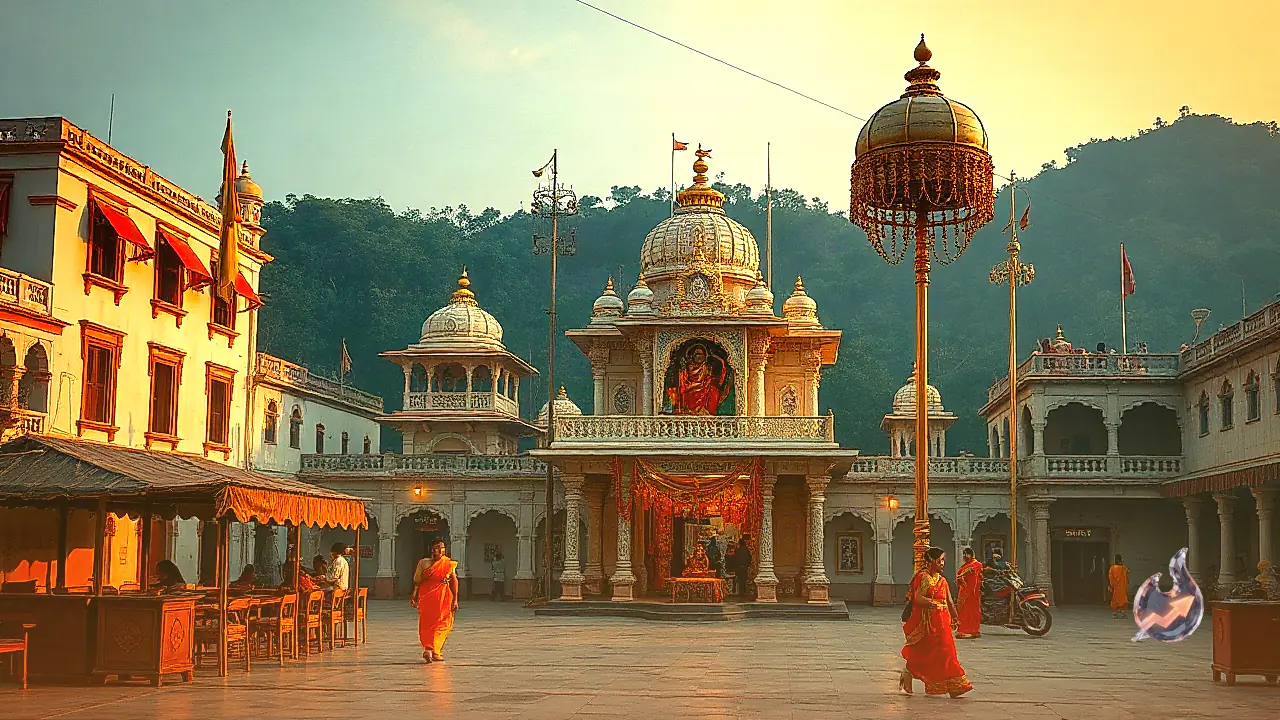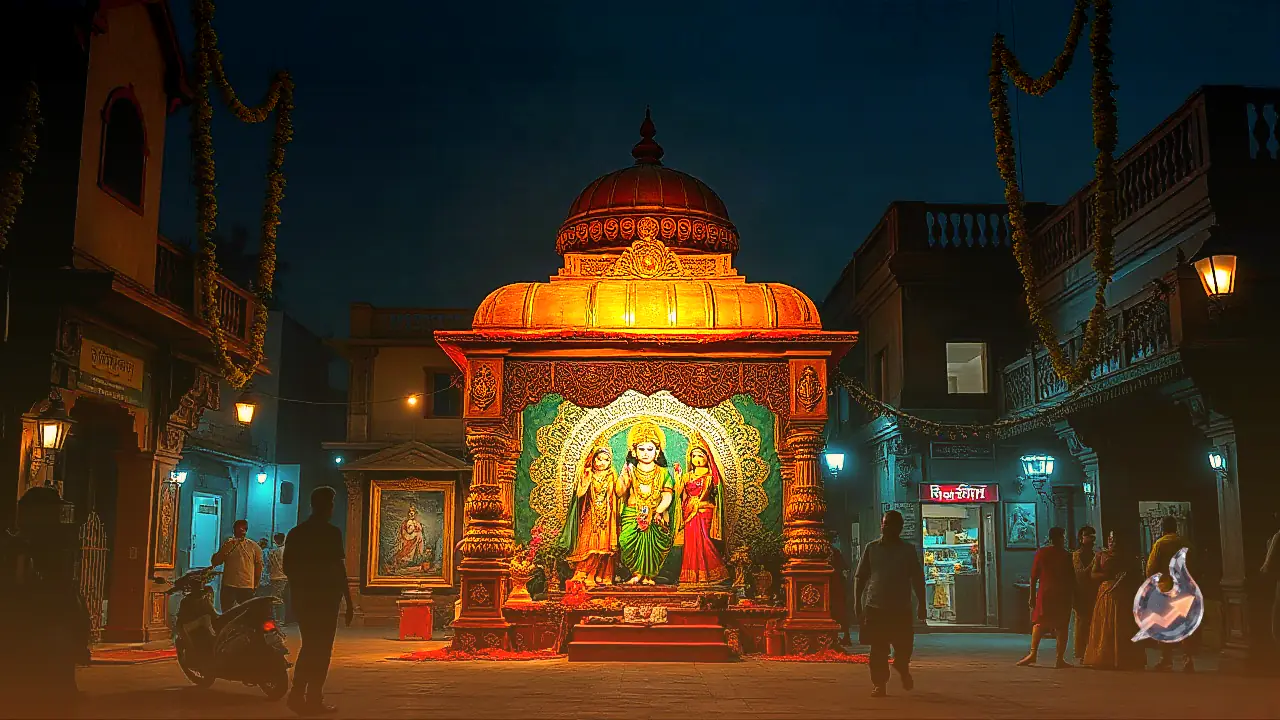


















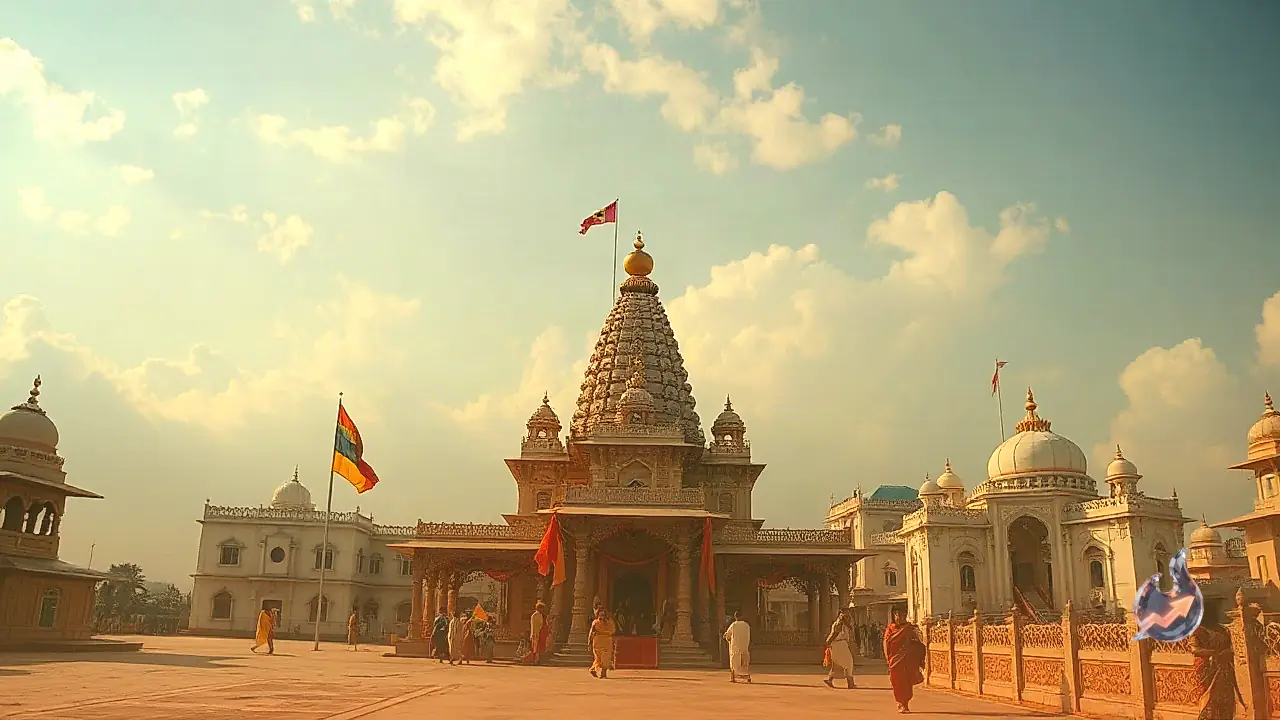

The eighth day of the bright fortnight in the month of Bhadrapada holds immense spiritual significance as it marks the divine appearance day of Radharani. Celebrated with immense enthusiasm across Barsana and the entire Braj region, this festival honours the presiding deity of the sacred land. Devotees observe strict fasts and perform elaborate rituals to worship both Radharani and Lord Krishna on this auspicious occasion.
Important Timings and Schedule
According to the ritual calendar, the Ashtami tithi begins on September 18 around 1 PM and concludes on September 19 at 3:26 PM. Based on the Udayatithi calculation, the Radha Ashtami fast will be observed on Saturday, September 19, which also marks the beginning of the sixteen day long Mahalakshmi fast. The primary time designated for worship and rituals is during the midday hours.
Understanding the Time of Manifestation
A common question among devotees is whether Radharani appeared in the morning, afternoon, or midnight, much like the birth of Lord Krishna. According to popular religious traditions of Braj, Radharani manifested in Rawal village near Barsana. Several Vaishnav traditions recognize the afternoon as the time of her advent. Consequently, temples organize special birth celebrations and ritual bathing ceremonies around noon on this day, which falls exactly fifteen days after Janmashtami.
Distinction Between the Festivals
While Radha Ashtami and Radha Janmashtami are often used interchangeably by people, they represent distinct observances. The occasion is formally called Radha Ashtami because it marks her appearance date, though some refer to it colloquially as Radha Janmashtami. In contrast, the celebration dedicated to Lord Krishna is known as Krishna Janmashtami, which falls on the eighth day of the dark fortnight in Bhadrapada. These vibrant celebrations filled with devotional hymns keep the rich spiritual traditions of Braj alive.