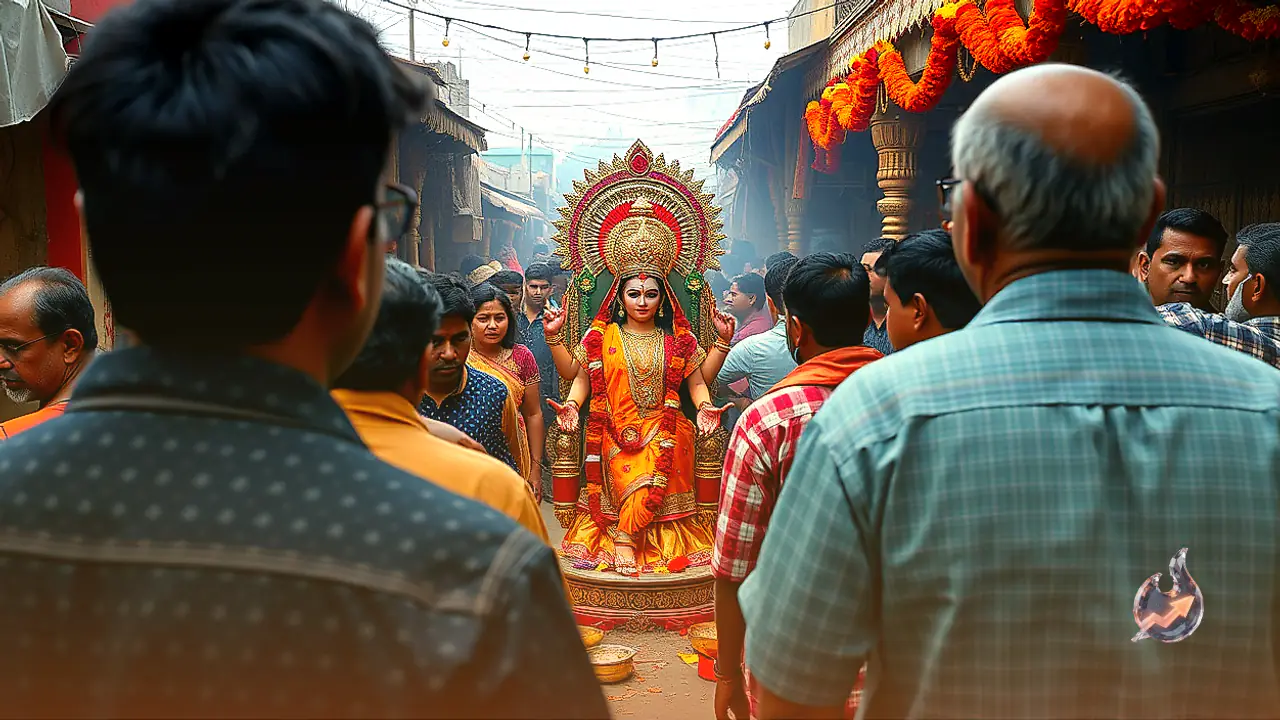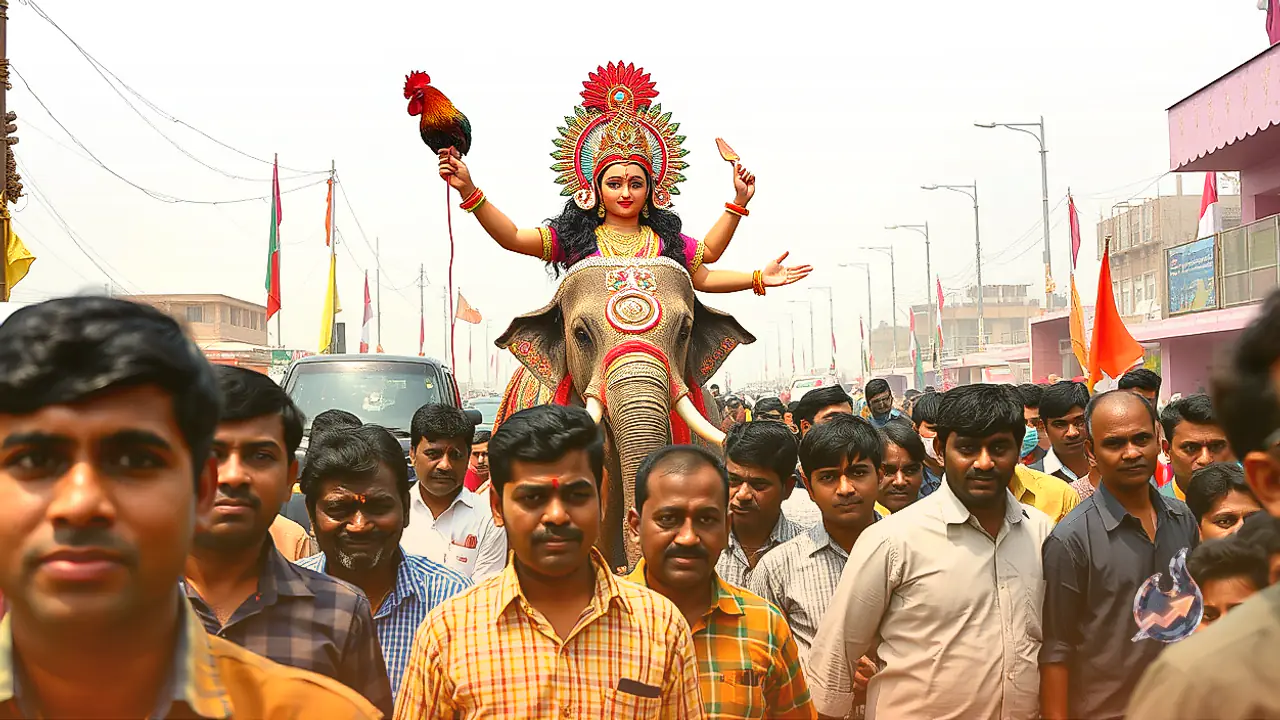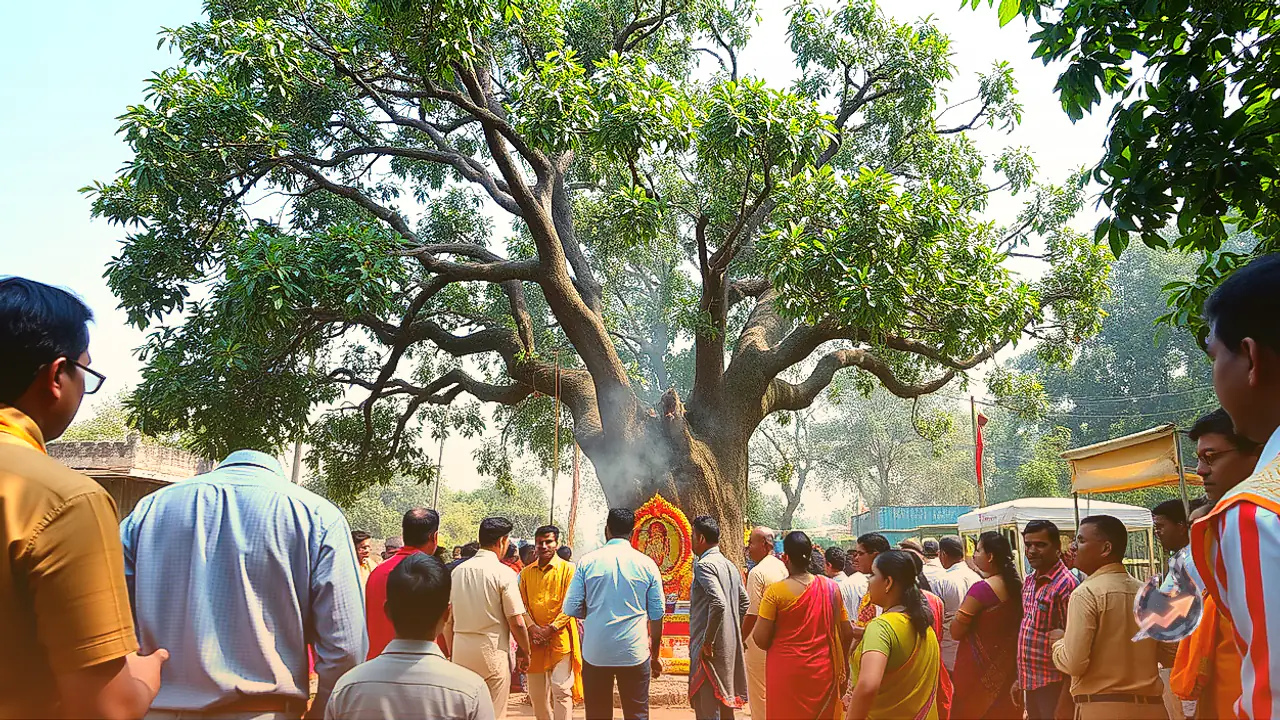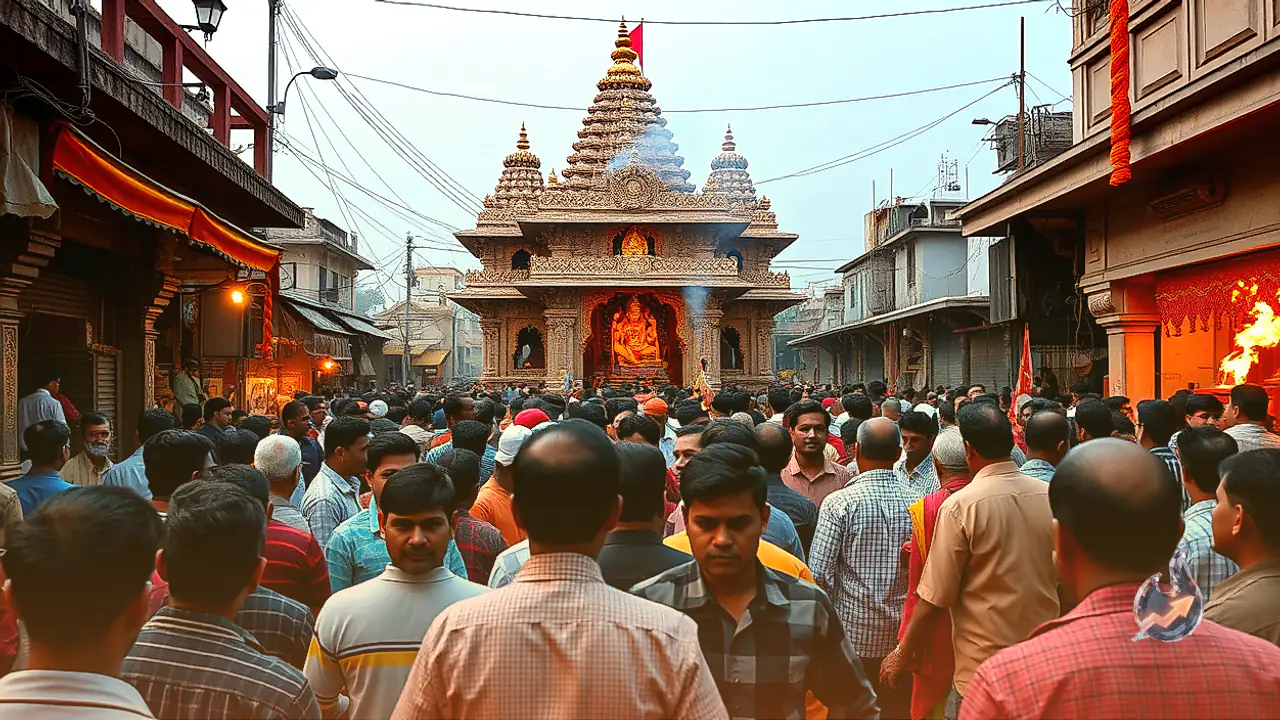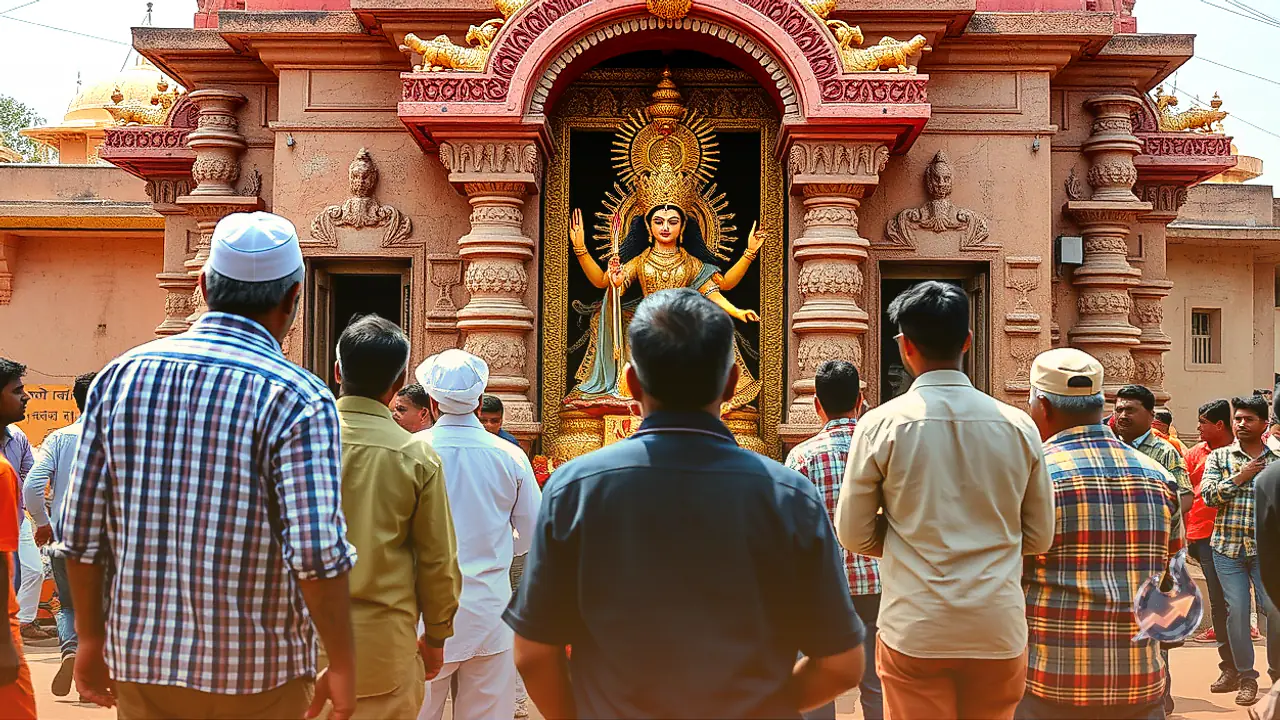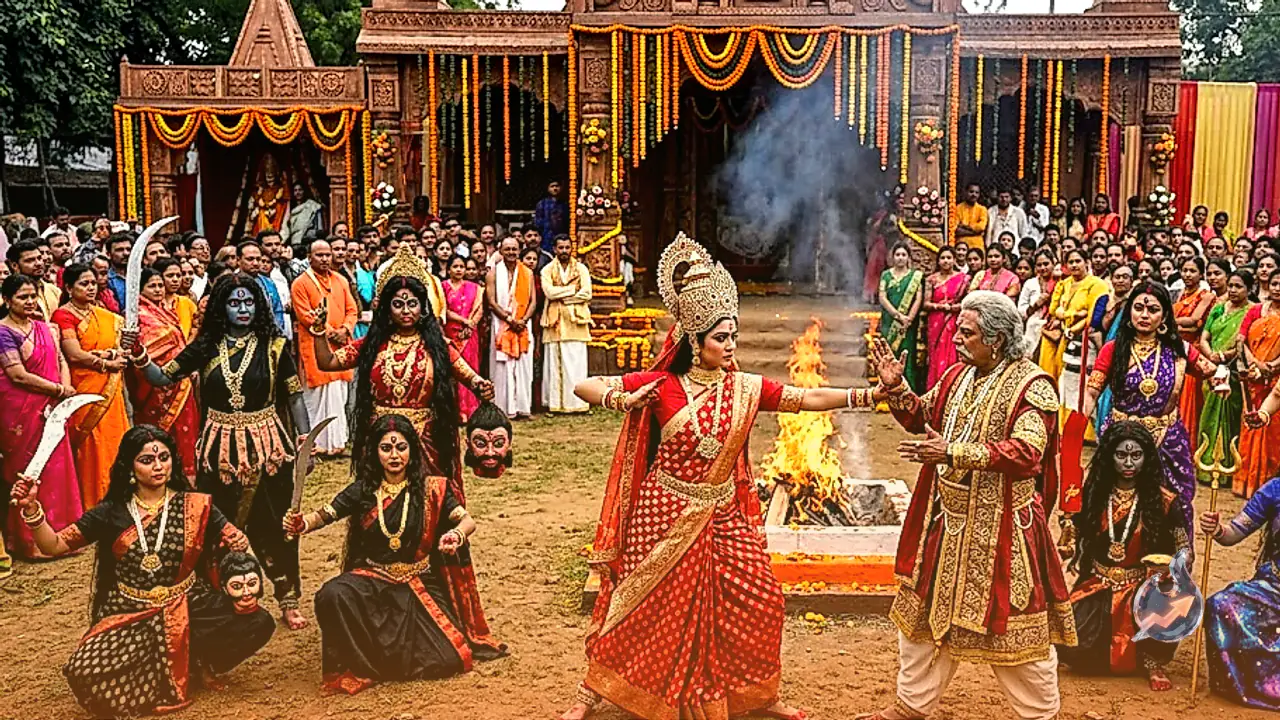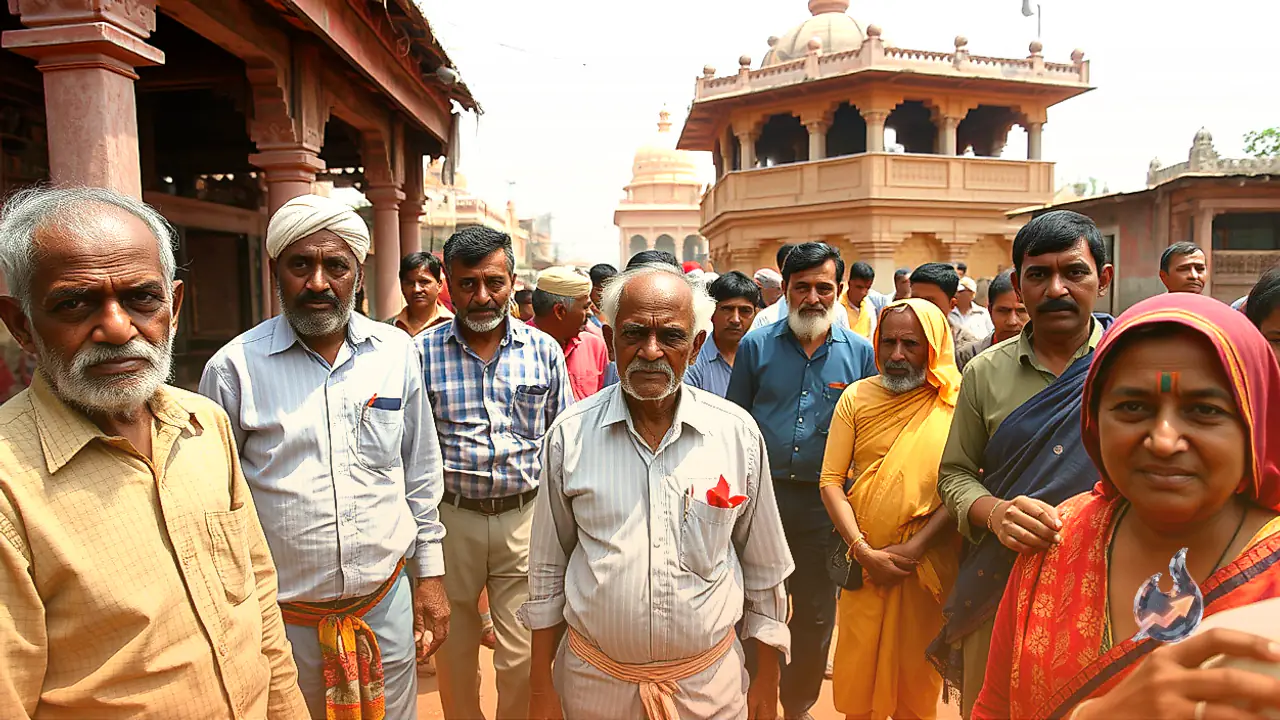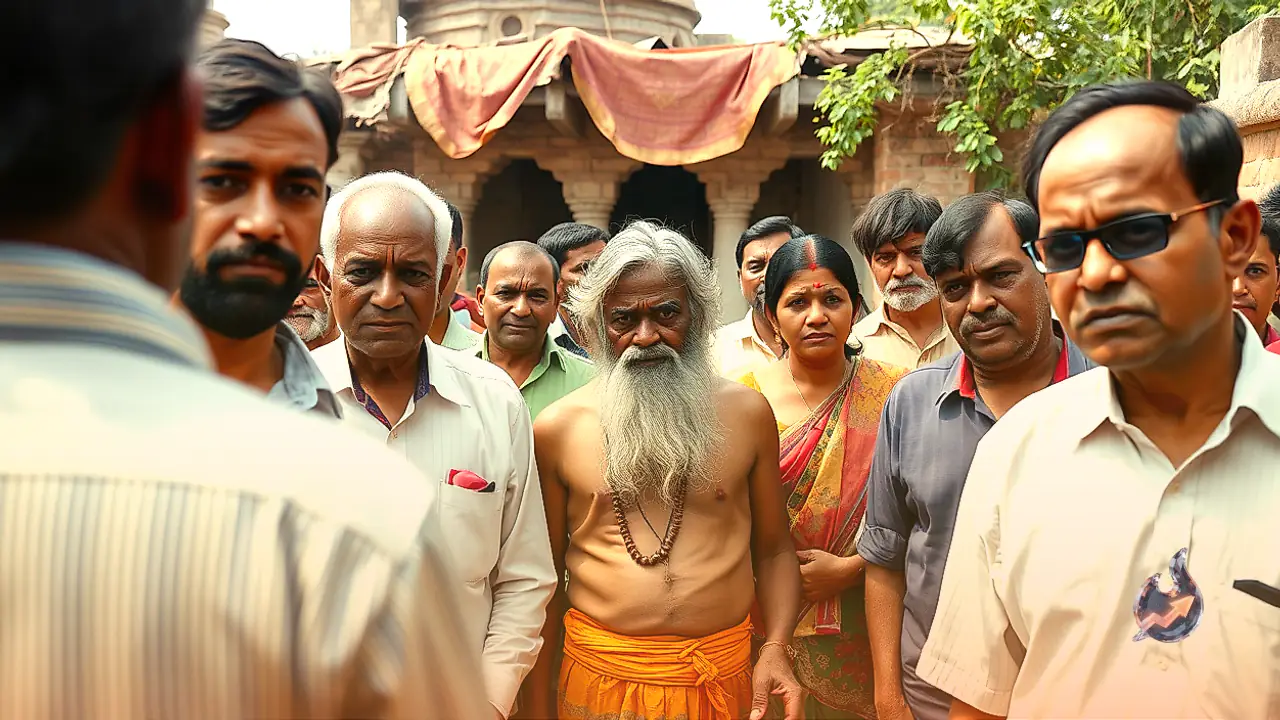


















The holy land of Braj in Mathura remains one of India's most extraordinary cultural landscapes, where ancient folklore and living practices blend seamlessly into daily life. Across its historic pathways, the divine presence of Radha and Krishna continues to shape local philosophy. Scriptural tradition recounts that Lord Krishna resided in Nandgaon after leaving Mathura, while Radha spent her youth wandering the lanes of Barsana alongside her close childhood companions. These foundational narratives have established a deeply respected social covenant between the two neighbouring habitations that has endured uninterrupted for generations.
A Millennia-Old Boundary Across Communities
Between Nandgaon and Barsana, an absolute custom prohibits any matrimony across the two villages. Explaining this enduring practice, Nandgaon resident and temple priest Sushil Goswami stated that the solitary bond ever recognized between the two localities remains the eternal connection between Radha and Krishna. Since that ancient epoch over five and a half thousand years ago, not a single nuptial alliance has been solemnized across seven local castes or wider kinship circles.
This steadfast custom transcends religious demarcations. The social consensus is honored so comprehensively that neither Hindu families nor Muslim households will consent to marrying their sons or daughters across Nandgaon and Barsana. The entire population regards this unwritten rule as an essential preservation of their collective spiritual dignity and communal lineage, treating each settlement as extended family rather than potential in-laws.
Festive Camaraderie And Reverent Post-Holi Customs
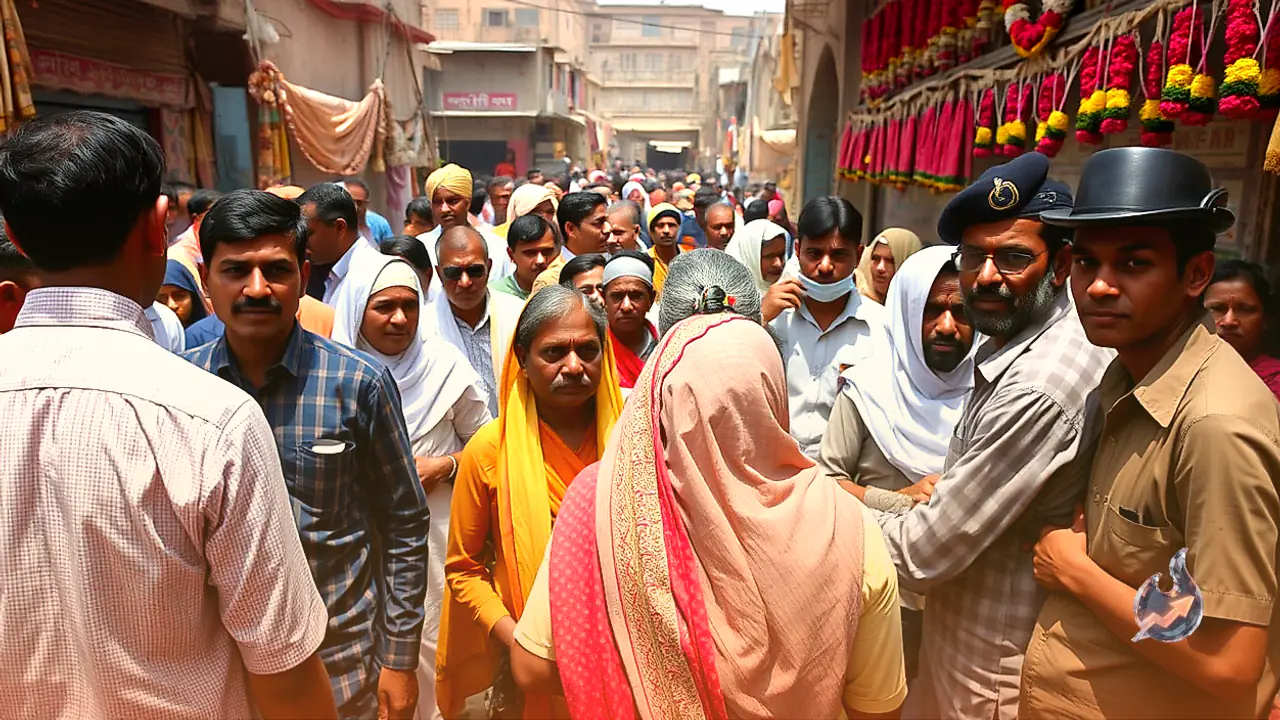
The total absence of matrimonial ties has never dampened the profound emotional kinship between the two villages. During seasonal festivities, the relationship transforms into celebratory joy. Residents of Barsana travel to Nandgaon to take part in traditional Holi revelry, while the inhabitants of Nandgaon regularly visit Barsana for the same festival, engaging in vibrant, customary celebrations.
Shastri elaborated that these festive interactions are guided by delicate, sacred norms of respect. Because brothers and sisters do not play festive revelry with each other in certain informal manners, a comparable dignity governs these gatherings. Immediately following the conclusion of the Holi celebrations, every man who participates in playing colors with the women touches their feet to offer deep respects and seek their blessings. This gesture reflects an abiding reverence, underscoring that both localities regard each other through the lens of supreme devotion rather than mundane matrimonial diplomacy.