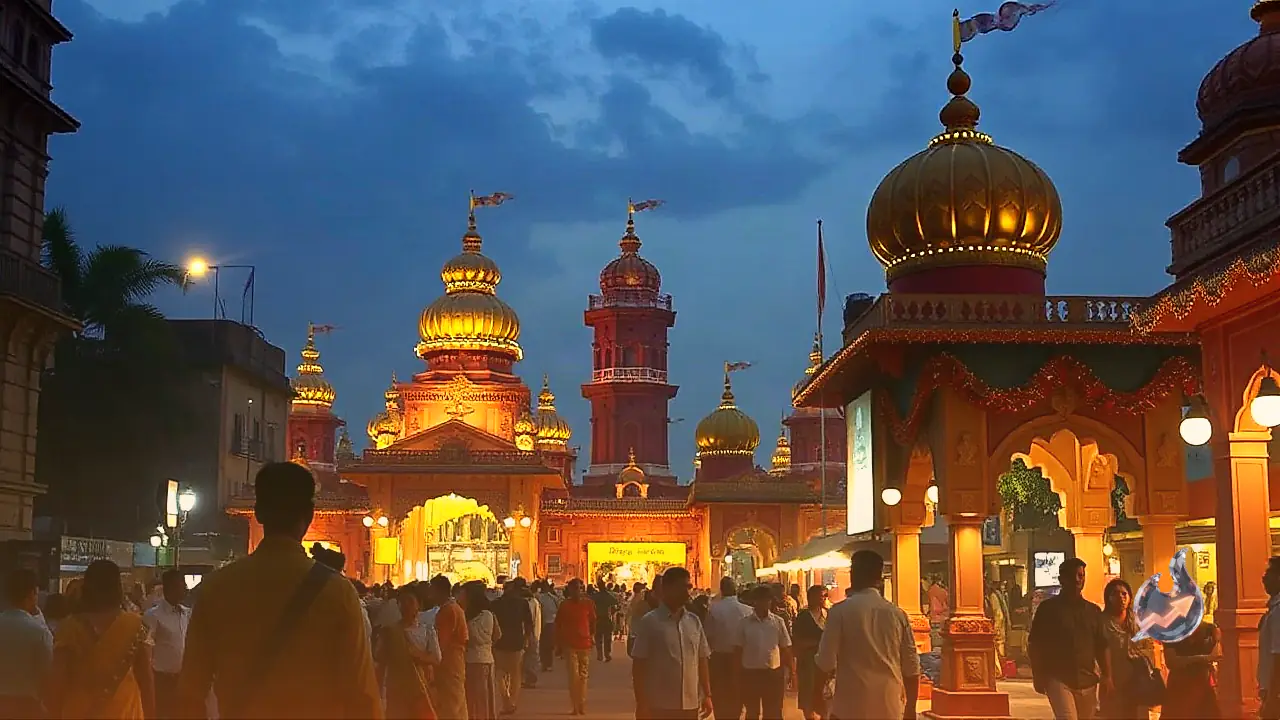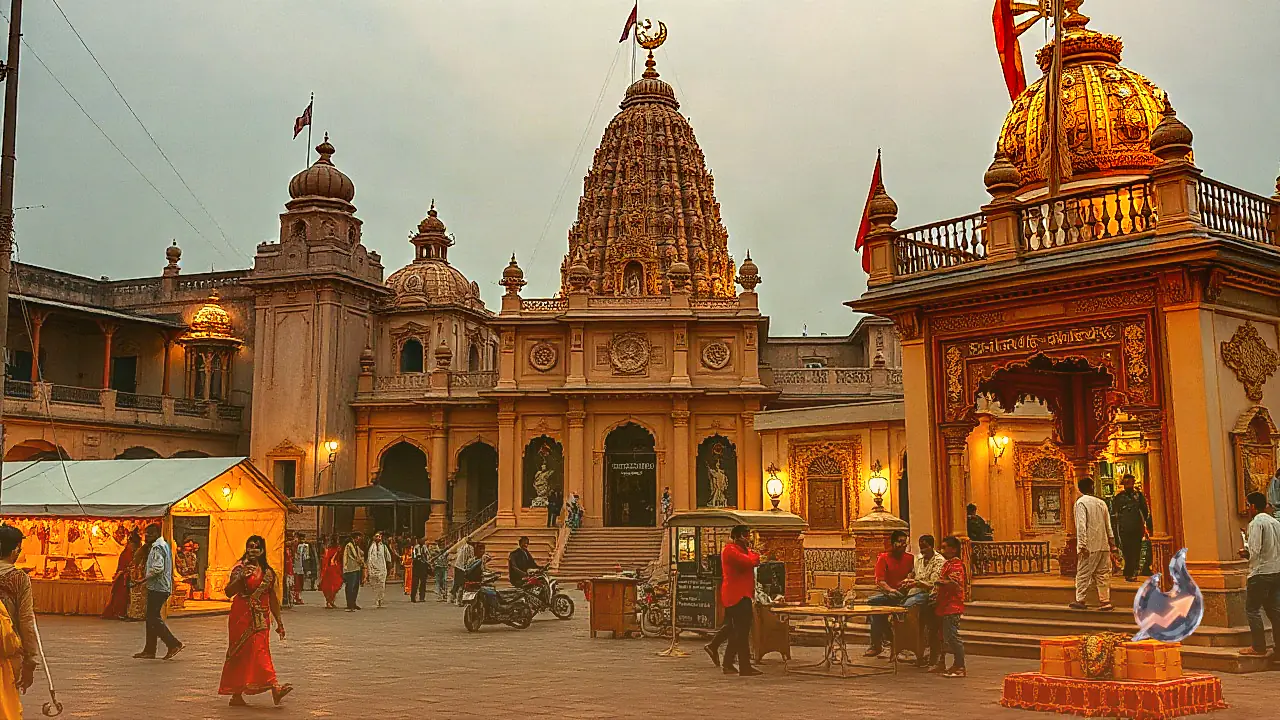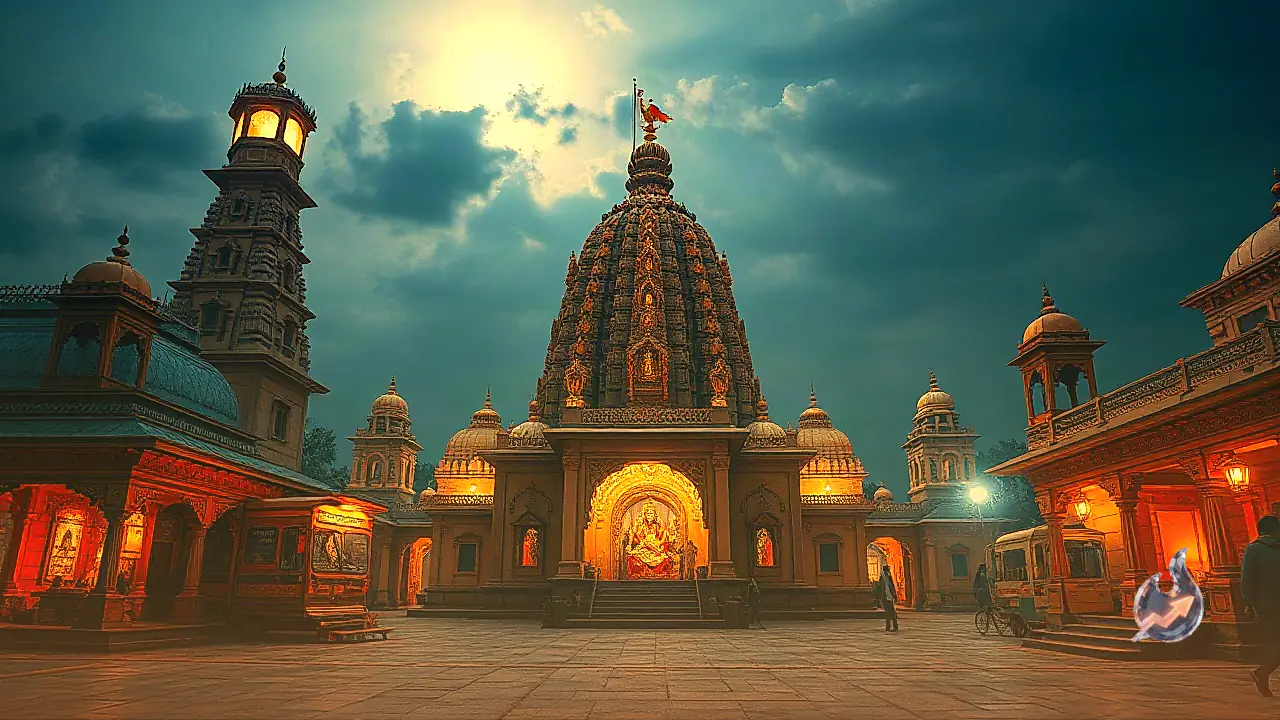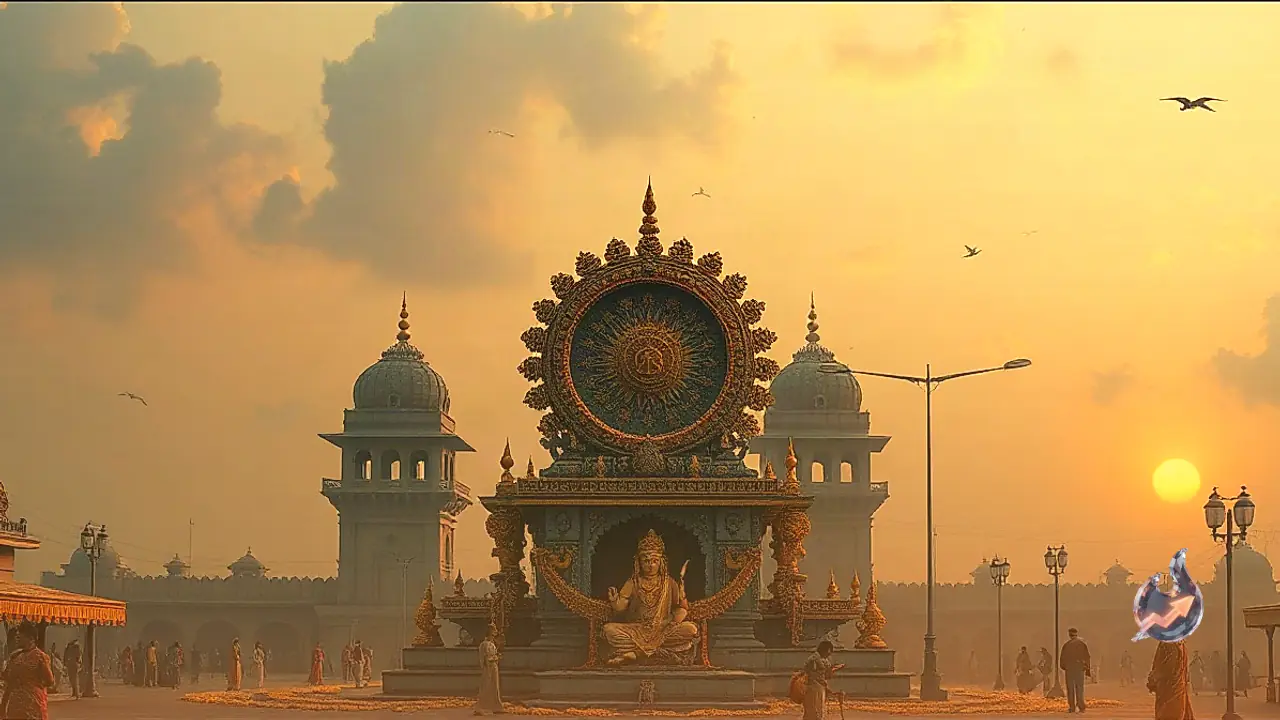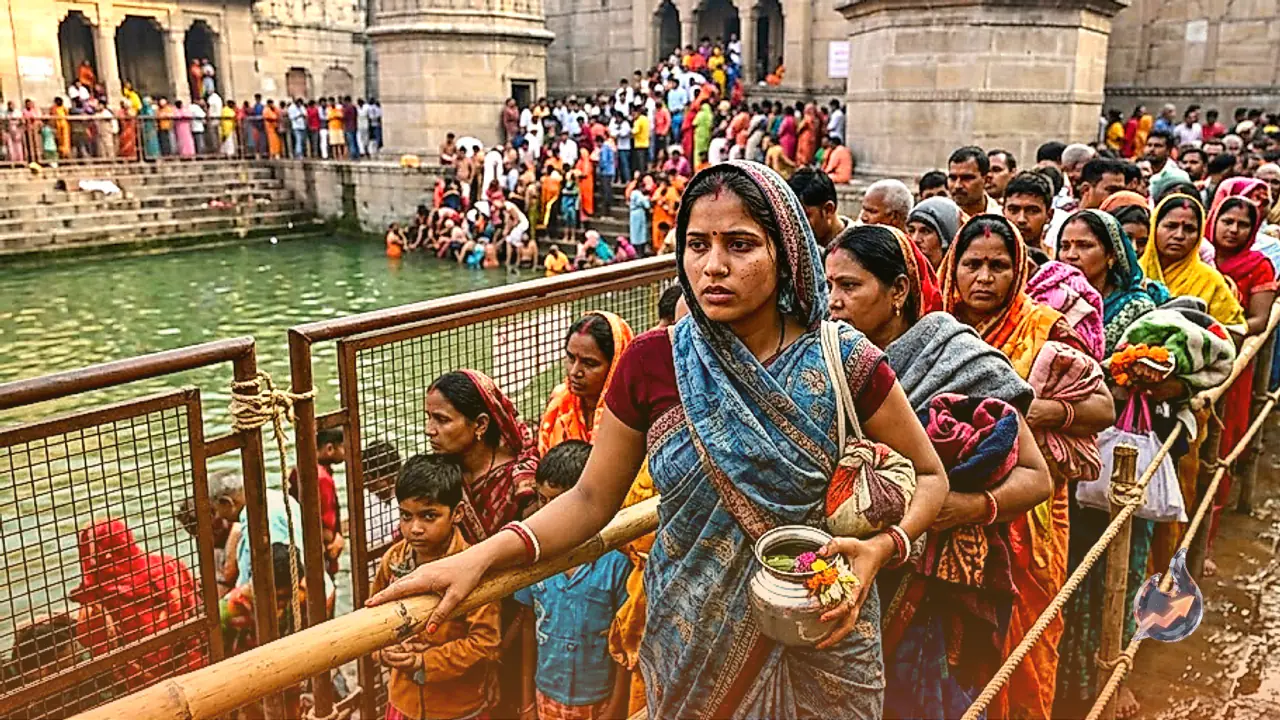
















Every year, the auspicious festival of Radhashtami is celebrated with immense devotion on the eighth day of the Shukla Paksha in the month of Bhadrapada. This year, the sacred occasion falls on Saturday, September 19, arriving exactly fifteen days after Janmashtami. Radhashtami marks the divine appearance day of Radharani, and special prayers, ritual abhisheks, devotional bhajans, and celebrations are held across various temples, particularly in the Braj region including Barsana. According to spiritual beliefs, observing a fast and worshipping Lord Krishna and Radharani with proper rituals on this day liberates individuals from troubles and brings lasting peace and prosperity into their lives. In traditional philosophy, Radha and Krishna are not viewed as two separate entities, but rather as one unified divine essence. It is believed that Krishna remains incomplete without Radha and vice versa, which is why temple sanctums feature conjoint idols of Radha and Krishna.
The Divine Bond and Krishna's Departure to Mathura
The profound love shared between Lord Krishna and Radharani is remembered in Indian devotional heritage as the purest and most sublime form of affection. However, when Krishna left his beloved Radha behind and departed for Mathura, it marked a poignant turning point in Radharani's life. How Krishna navigated his existence without Radharani and how the sacred bond endured remains a central pillar of bhakti, sacrifice, and separation for devotees. According to traditional folklore, when Akrura escorted Krishna and Balarama to Mathura to vanquish the tyranny of Kansa, a profound wave of separation engulfed the cowherds and gopis of Vrindavan. The departure of Krishna left Vrindavan desolate, stripping away its vibrant festivities and divine pastimes, leaving everyone immersed in the grief of his absence.
Radharani's Marriage and Journey to Dwarka
Accounts suggest, however, that Radharani was not outwardly broken by Krishna's departure because they remained emotionally unified as one, rendering physical distance secondary in their spiritual connection. Sometime after Krishna left, a major turning point occurred in Radharani's life when, under pressure from her parents and family, she was married off elsewhere. Days and years rolled by, yet there was not a single moment when Radharani did not remember Krishna in her heart. Eventually, the narrative notes that Radharani quietly slipped away from her home one day and reached Dwarka.
Accounts of the Final Meeting Between Radha and Krishna
Various religious traditions hold differing perspectives regarding the final meeting between Radha and Krishna. Folk traditions native to the Braj region narrate multiple legends connected with Raman Reti, Barsana, and Vrindavan. While some devotional lineages maintain that the two never met physically after Krishna moved to Mathura, other accounts detail a subsequent reunion. Different Vaishnava traditions preserve alternate narratives concerning the later chapters of Radharani's life, meaning these events are not recorded as a single uniform historical chronicle. According to mythological lore and popular belief, the final physical meeting between Lord Krishna and Radharani on earth took place at Kurukshetra on the occasion of a solar eclipse. Conversely, other traditions state that they reunited in Dwarka, where Krishna appointed her as a deity within his palace.
The Final Flute Melody and the Departure from Earth
Folklore recounts that as Radharani approached the end of her mortal journey, Lord Krishna asked her to express any wish she desired, but she declined material boons and expressed only one heartfelt wish to hear him play his flute one last time. Krishna played a melody so intensely sweet that time itself seemed to stand still, and every listener was mesmerized, though the profound depth of the tune was understood by Radharani alone. Listening to Krishna's final notes, Radharani breathed her last and departed from the mortal world. Following this, Krishna broke his flute and cast it far away, because the very soul and melody of his flute had always been Radharani.