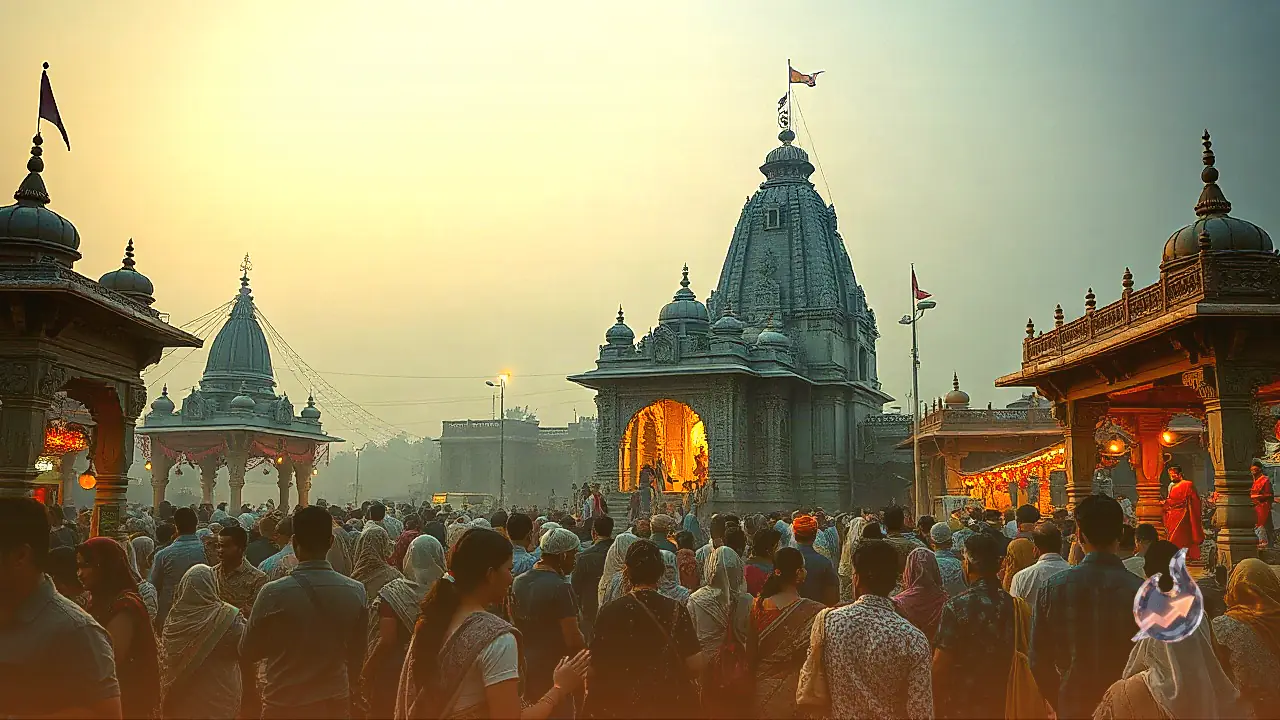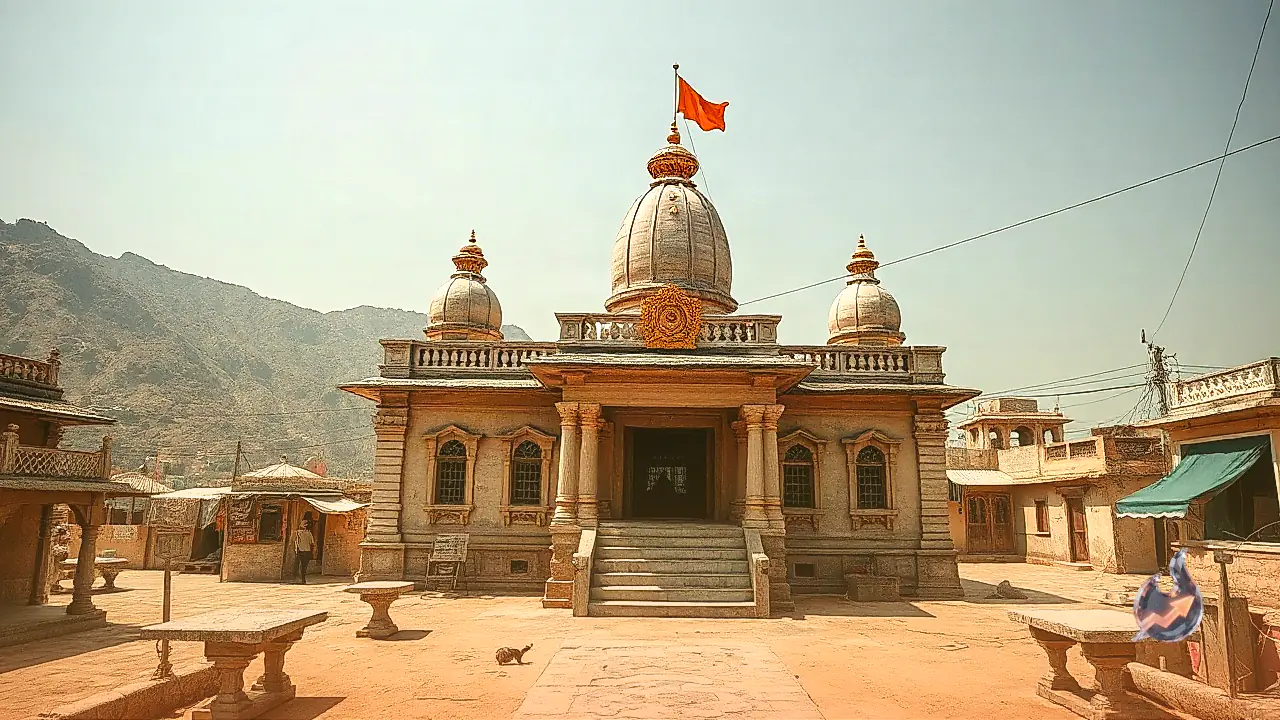




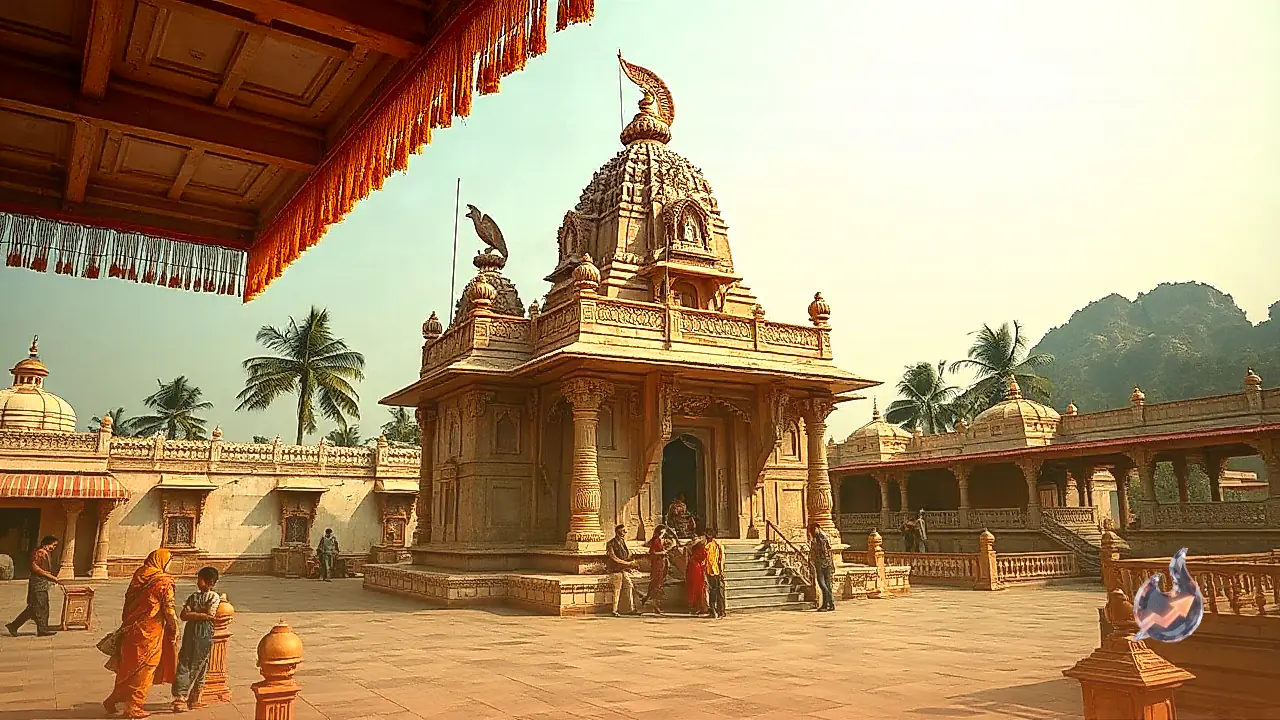














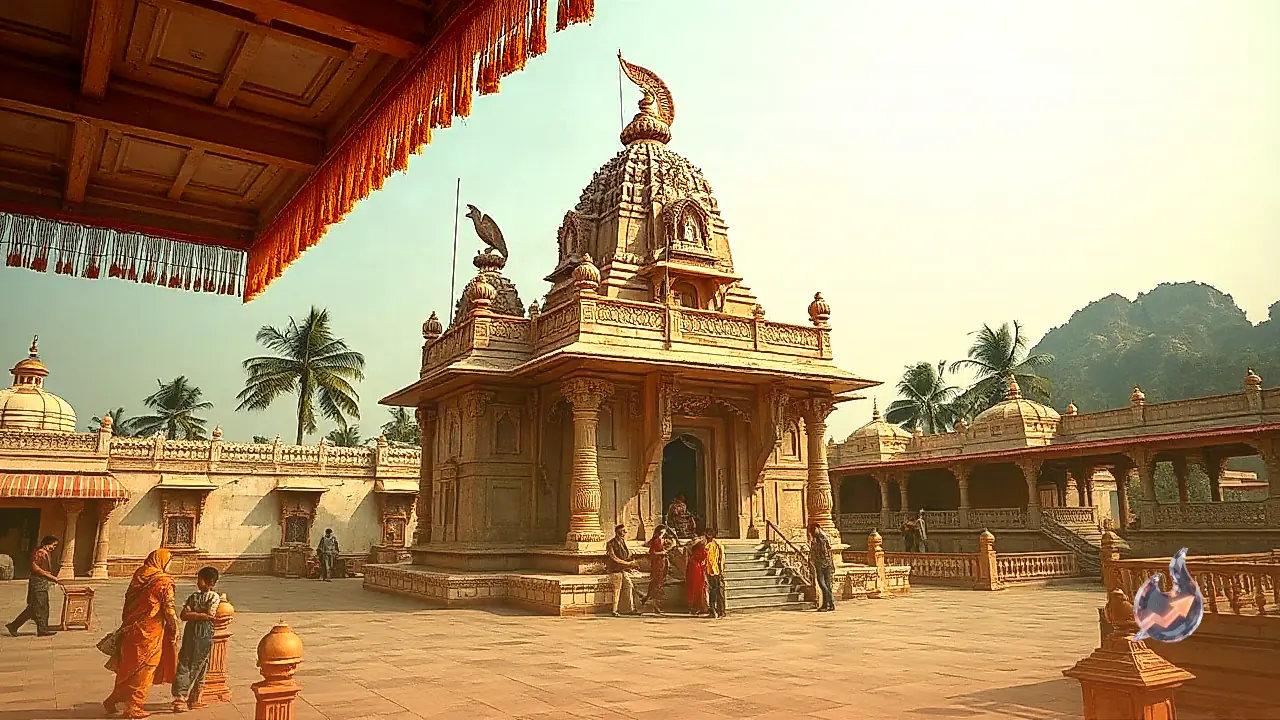

In the historic and devotional city of Karauli, Rajasthan, where numerous shrines venerate Lord Hanuman, the temple of Baithey Hanuman on the banks of the Bhadravati River commands unique spiritual reverence. Revered for centuries, this sanctuary is renowned for housing a self-manifested deity depicting Lord Hanuman seated in a peaceful resting posture. This rare and serene physical form led locals to address the deity as Baithey Hanuman, distinguishing it from conventional standing postures. The fame of this sacred image extends far beyond regional borders, drawing spiritual seekers from across India as well as overseas visitors seeking to witness the unique manifestation.
Spiritual Devotion and the Rare Seated Form
Devotees maintain deep faith in the benevolent powers of Baithey Hanuman, cherishing a long-standing belief that simply beholding the seated deity fulfills heartfelt prayers and dispels distress. Those who visit often describe experiencing a profound personal connection that remains unforgettable. Prem Swaroop Sharma, a resident who has frequented the shrine since his childhood, remarks that encountering an expansive, grand deity of Lord Hanuman resting in a seated pose is exceedingly rare across the subcontinent. Sharing a similar observation, 75-year-old local resident Hari Ballabh Gupta notes that throughout his lifetime, he has not witnessed a comparable representation anywhere else. Gupta emphasizes that worshippers trust the deity to alleviate crises and remove hardships through sight alone.
Global Prominence and Devotees from Distant Lands
The aura surrounding this riverbank shrine has garnered international notice over generations. Local resident Shivam Sharma notes that pilgrims arrive from various states and foreign nations to pay homage. He recalled an instance involving an Australian visitor who traveled specifically to Karauli and observed that such an imposing seated depiction of Lord Hanuman could only be found here in Rajasthan. Sharma added that devotees frequently report receiving guidance or solace through dreams, reinforcing the local lore of ongoing divine benevolence associated with this peaceful resting posture.
The Royal Mancameshwar Shivalaya and Heritage Roots
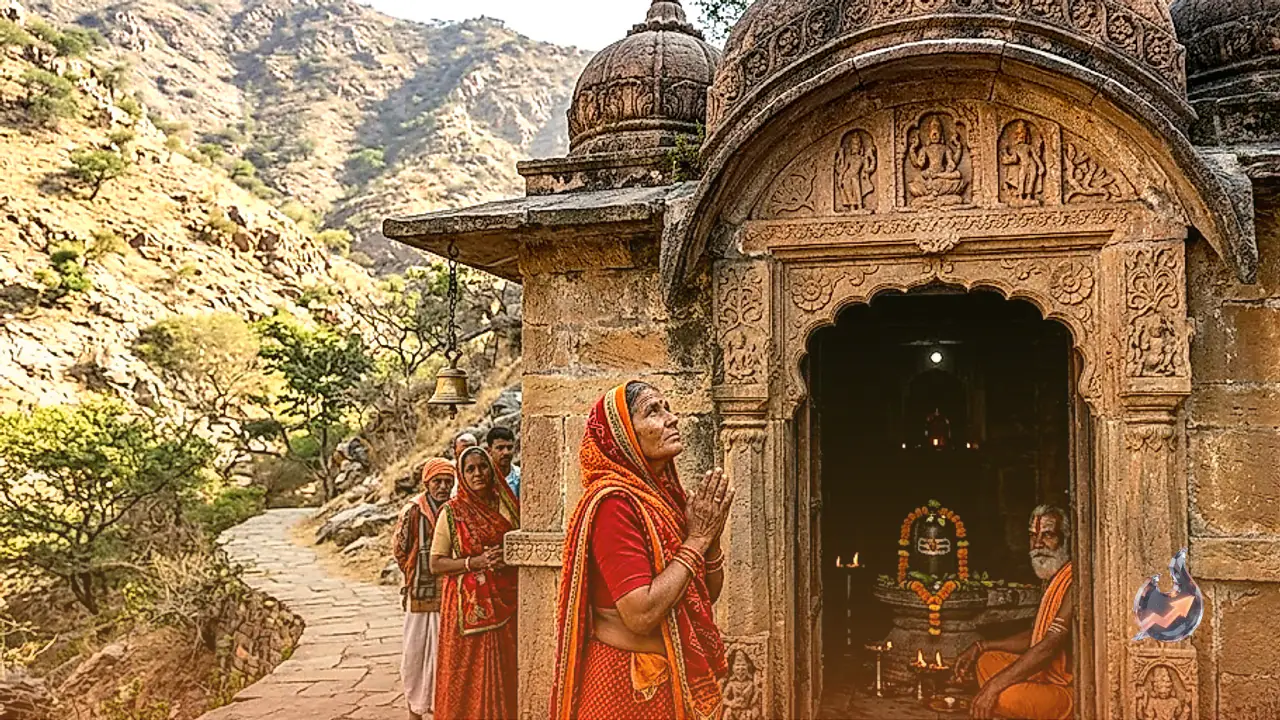
The temple precinct carries rich historical ties to the princely era of Karauli. Long before Lord Hanuman was consecrated on the premises, the site functioned primarily as a royal-era Shiva temple dedicated to Mancameshwar Mahadev. Historically, queens and women of the royal household would visit during the auspicious month of Sawan to conduct elaborate worship before the five-faced Mancameshwar Shiva lingam. Following the arrival and placement of the seated Hanuman idol, the primary public identity of the shrine gradually shifted, with the precinct becoming widely known by the name of Baithey Hanuman. Tuesday and Saturday see significant surges in congregational attendance, while the nine days of Navratri witness round-the-clock recitations of the Akhand Ramayana. Furthermore, community members working outside Karauli make it a point to return home and visit the shrine during major festivals such as Diwali and Dussehra.
A Royal Dream and Emergence from the Palace Akhada
Providing archival context to this sacred manifestation, senior Karauli historian Venugopal Sharma explains that the history of Baithey Hanuman is inextricably bound to the local royal dynasty. Around the year 1747, during the reign of the valiant ruler Raja Gopal Singh Ji, the monarch reportedly experienced a striking dream one night involving the divine presence. Acting upon the guidance received in the royal dream, an excavation was initiated at the traditional akhada, or wrestling arena, located inside the royal palace grounds. From that venue emerged the sacred, self-manifested stone idol of Lord Hanuman in a tranquil seated stance, an event that instantly captured the devotion of the princely court and local populace.
Unfastened Wheels and the Consecration at Bhadravati River
The circumstances surrounding the deity's permanent installation were equally unusual, according to historian Venugopal Sharma. Following the recovery of the idol from the palace arena, the royal administration resolved to transport and enshrine it within the secure bastions of Mandrayal Fort. The stone image was loaded onto traditional bullock carts to undertake the overland journey toward the fortress. However, as the transport convoy neared the banks of the Bhadravati River, right where the present temple stands, the wheels of multiple bullock carts abruptly detached from their axles. Interpreting this sudden mechanical failure as a clear divine directive that the deity wished to remain at that very spot, royal attendants halted the journey. The idol was subsequently consecrated inside the open veranda fronting the ancient Mancameshwar Shiva temple, solidifying the sacred geography of Karauli.