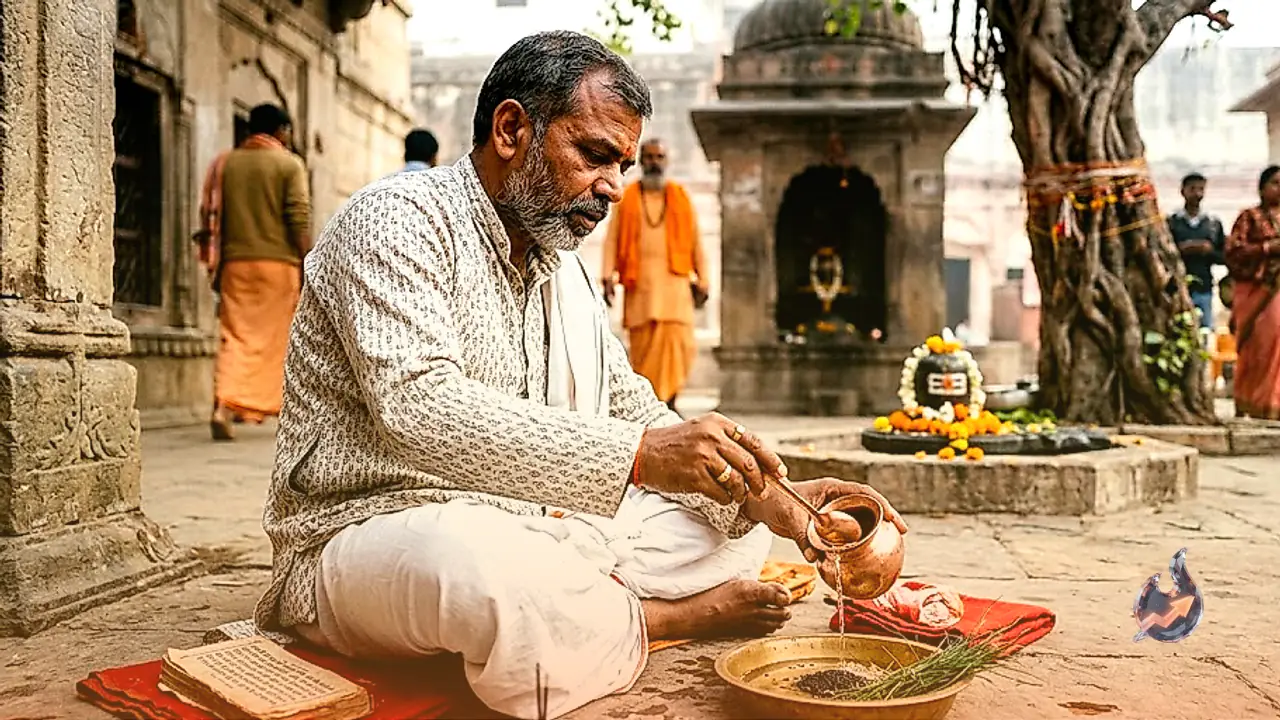

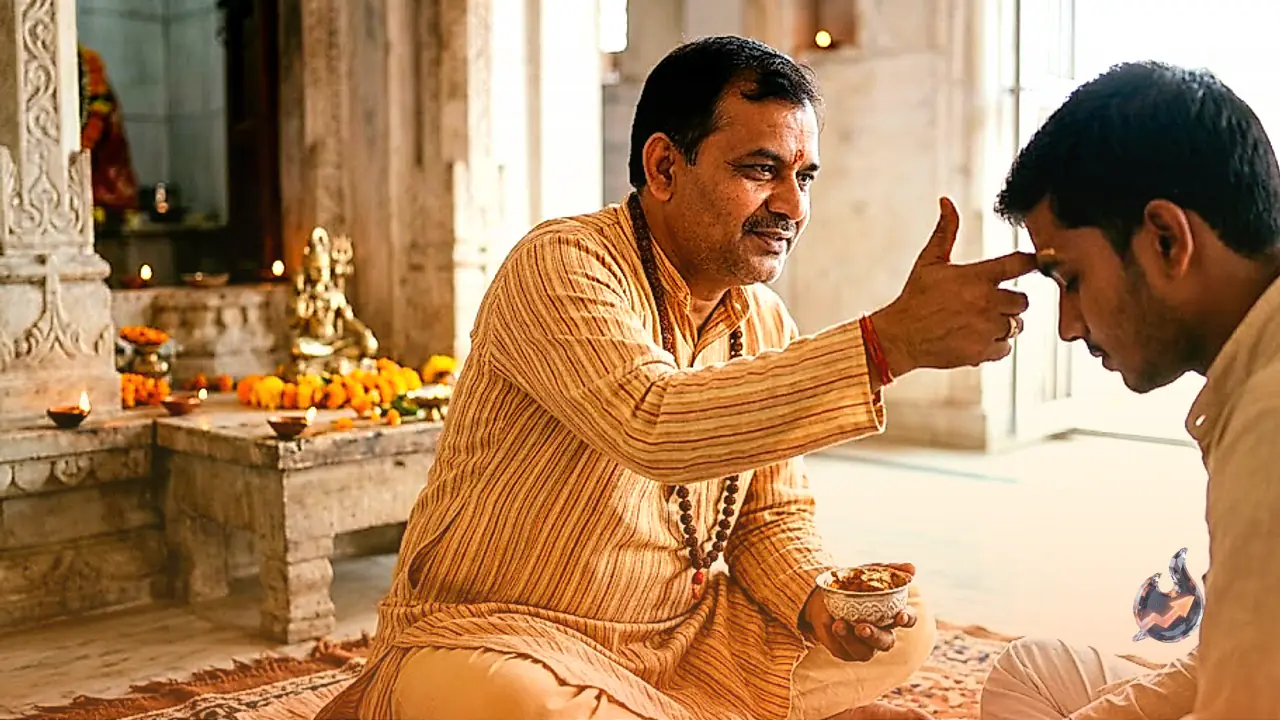




















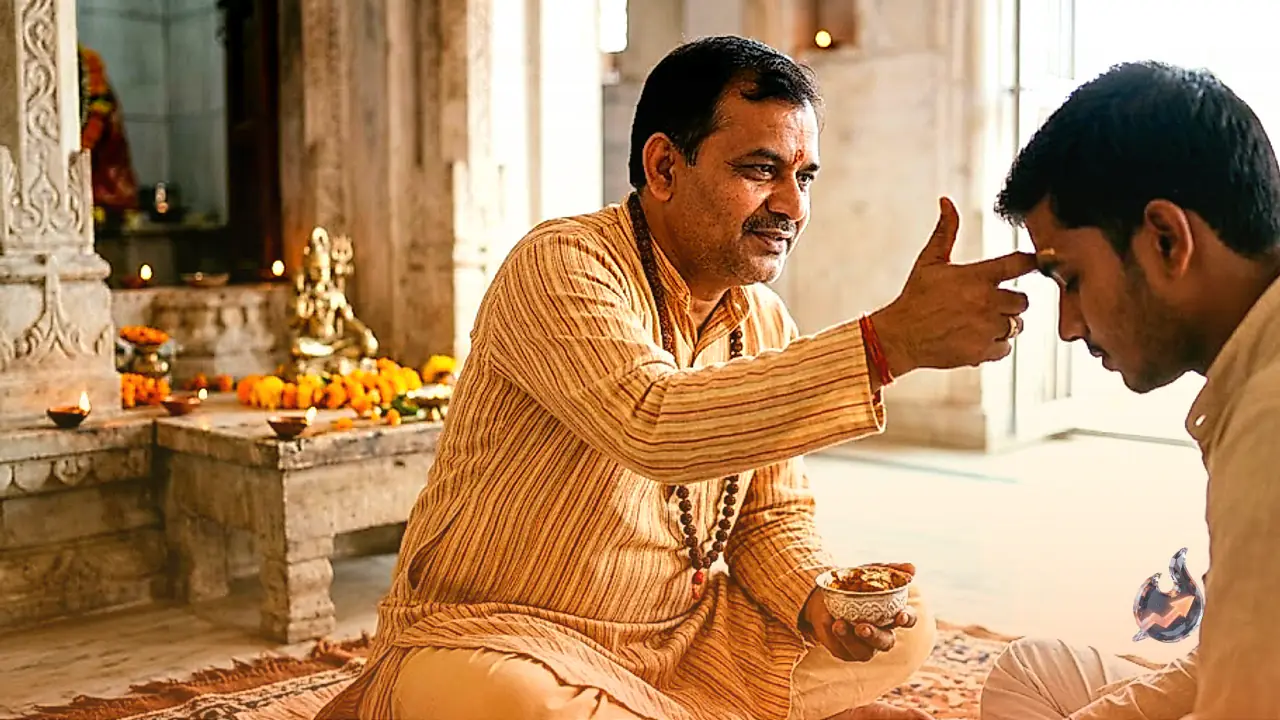

Worship holds a significant place in Sanatan culture, and every ritual has its own distinct importance. Many people perform rituals but lack complete knowledge of the correct procedures and methods. During worship, Tilak is applied on the forehead, specifically in the center. There are also defined rules regarding which finger should be used to apply Tilak for specific purposes. Acharya Rajesh Kumar Mishra, a ritual expert based in Jehanabad, has shed light on these traditional guidelines.
Five Elements and Significance of Fingers
According to Acharya Rajesh Kumar Mishra, each of the five fingers on the hand holds a unique importance. Our entire body is composed of five elements. These five elements reside within our fingers and provide distinct energies to the body. According to mythological beliefs, specific rules govern the use of fingers for applying Tilak.
Rules for Thumb and Index Finger
The thumb is considered the seat of the fire element, symbolizing a strong grip, decisiveness, and approval. The thumb is used when applying Tilak to guests. On the other hand, the index finger houses the air element, representing leadership, capability, and messages related to intestinal health. This finger holds considerable importance for rituals dedicated to ancestors.
Uses of Middle and Ring Fingers
The middle finger represents the space element and is known for promoting balance, career growth, and overall capacity. When individuals apply Tilak to themselves, they use the middle finger. Furthermore, the ring finger is the seat of the earth element, symbolizing health, emotions, fame, glory, and intellect. The ring finger is used to apply Tilak to deities, which also includes parents and gurus.
Prohibitions Regarding the Little Finger
The little finger houses the water element and symbolizes the flow of financial stability. However, the use of the little finger in religious ceremonies and rituals is strictly prohibited.