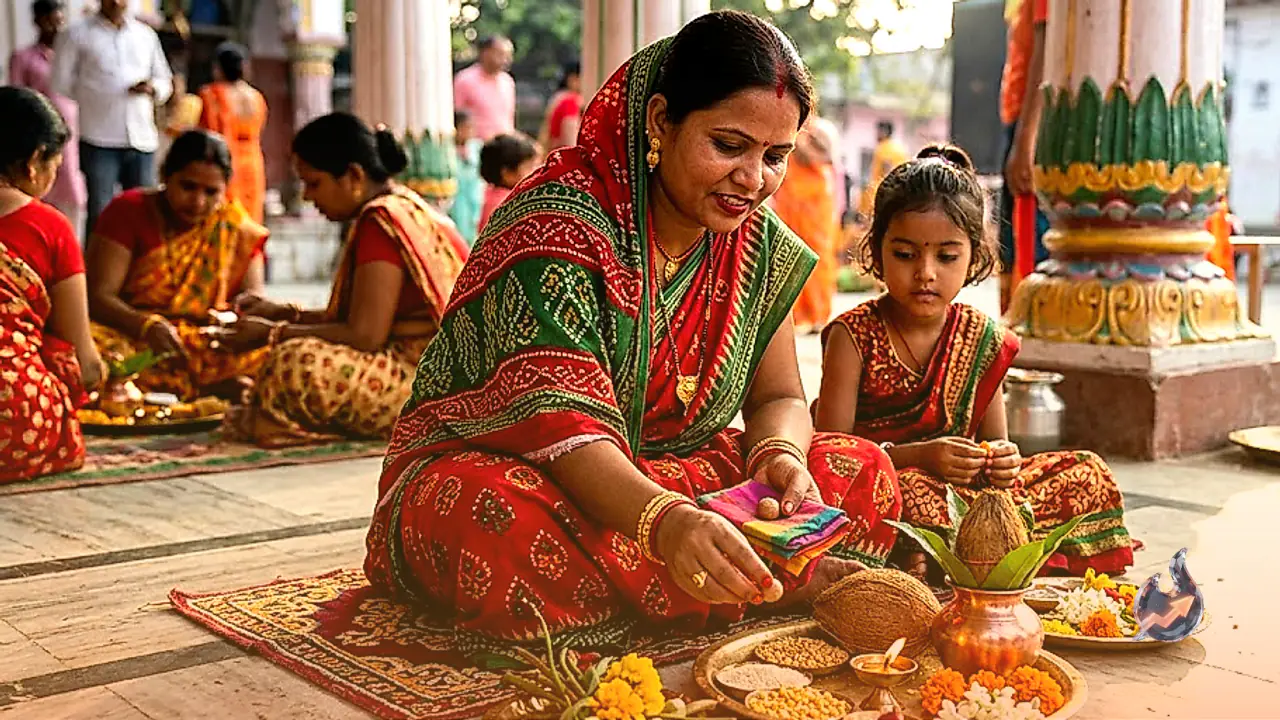





















In Hindu traditions, Pitru Paksha represents an intensely sacred period dedicated to expressing gratitude, reverence, and spiritual connection toward departed ancestors. Spanning from the Pratipada tithi of the Krishna Paksha in the month of Ashwin to the Amavasya tithi, this fifteen-day phase is traditionally known as Mahalaya or Shraddh Paksha. During these days, families undertake sacred duties such as tarpan, pinda daan, and offering food to Brahmins to pray for the peace, satisfaction, and spiritual elevation of their forebears. A common custom observed in households across the country is that Shraddh rituals and the feast prepared for Brahmins are performed strictly in the afternoon hours. This deliberate timing is deeply anchored in scriptural traditions and precise astrological periods.
Division of the Day and the Ancestral Realm
According to ancient texts and scriptures, each segment of the solar day is assigned to distinct spiritual activities. The morning hours and twilight periods are considered auspicious for worshipping deities and performing sacred rituals for gods. In contrast, the night is traditionally associated with demonic and negative forces. The middle portion of the day, recognized as the afternoon period or aprahna kala, is exclusively designated for rituals addressing ancestors. Consequently, traditional guidelines discourage routine worship of deities during midday, as this time belongs entirely to invoking and satisfying the ancestral spirits.
Scriptural lore states that the souls of ancestors reside in an intermediate realm situated between the mortal world and the heavenly abode, described as lying just above the moon. As the sun ascends to its zenith in the sky, the connection between these realms is believed to become direct and receptive. While morning sunrise takes place in the eastern direction associated with the gods, the midday sun stands at the center of the firmament, allowing the essence of offerings to reach the ancestors seamlessly through solar energy. For this reason, scriptures mandate that ancestral rites should ideally be brought to completion before the afternoon comes to an end.
Spiritual Meaning and Duration of Kutup Kala
Among the specific segments within the afternoon, the period designated as 'Kutup Kala' holds paramount importance for Shraddh ceremonies. In the traditional Hindu panchang, this represents the eighth muhurat of the day. Etymologically, the term 'Kutup' denotes that which eradicates sins and dispels negative karma. Scriptural beliefs affirm that rituals conducted during this auspicious window destroy impurities and earn the divine benevolence and blessings of pleased ancestors.
In standard calculations, the broader window appropriate for Shraddh extends across the afternoon from roughly 11:30 AM to 3:15 PM, with slight variations depending on localized sunrise timings across various cities. Within this broad spectrum, the pivotal Kutup Kala typically falls between 11:30 AM and 12:30 PM, lasting for a duration of 48 minutes. It is believed that the nature of solar rays and energetic vibrations during these 48 minutes enables food and water offerings to reach the departed directly. Therefore, sages have extolled this specific timeframe as the supreme period for tarpan, pinda daan, and primary ancestral rites.
The Role of Rohina Muhurat and Charitable Offerings
Immediately following the conclusion of Kutup Kala, the subsequent temporal phase known as 'Rohina' or 'Rohini Muhurat' commences. This interval is also credited with profound merit in ancestral traditions. Should practical constraints prevent the completion of rituals during Kutup Kala, pinda daan and charitable acts can be concluded during Rohina Muhurat. Traditional scriptures declare that donations, food distribution, and pinda offerings carried out during this time yield limitless spiritual merits and bestow lasting peace upon the souls of forefathers.
The Tradition of Brahmin Bhoj and Sacred Offerings
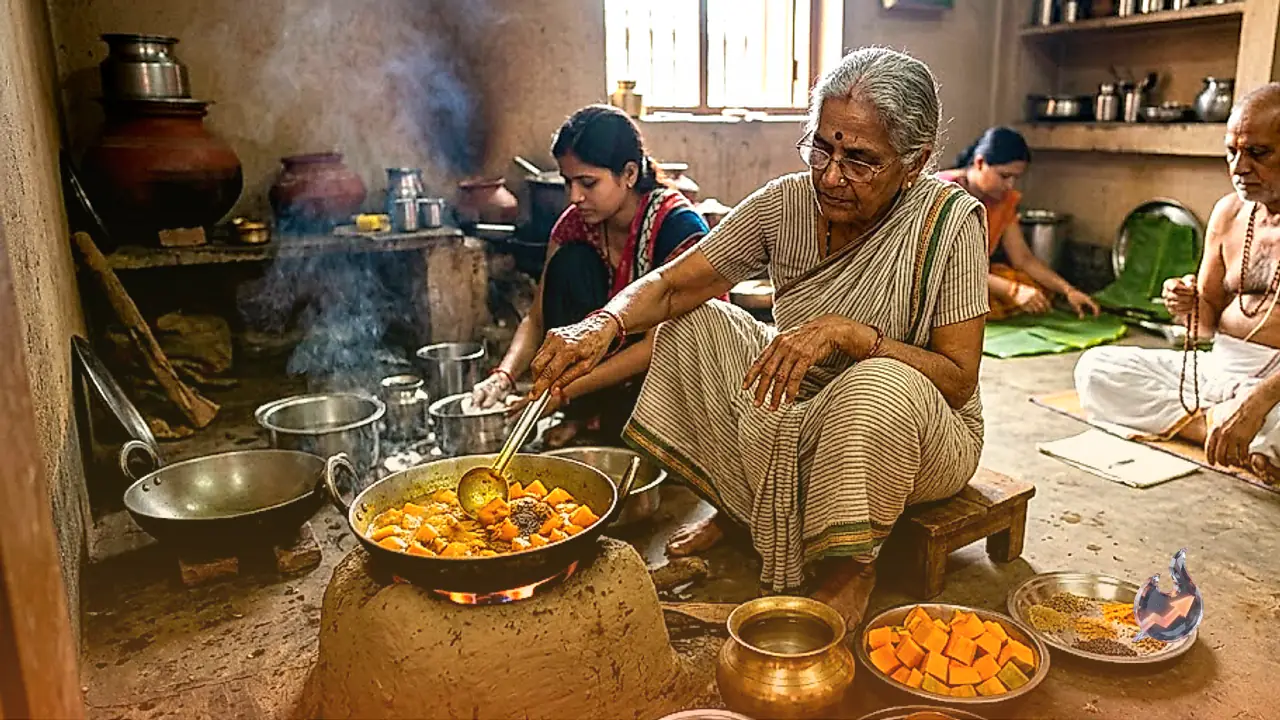
Feeding Brahmins during Pitru Paksha remains a long-standing devotional practice across generations. Within ritualistic contexts, the Brahmin is regarded as a sacred representative through whom the nourishment and devotion intended for ancestors are symbolically conveyed. On the designated Shraddh day, meals are prepared with absolute purity and sattvic ingredients. Before serving the meal, portions known as Panchabali are offered to the cow, dog, crow, deities, and ants while remembering the lineage of ancestors.
Following this remembrance, the meal is offered with deep humility and respect. Upon finishing the meal, the householder offers monetary honorariums, garments, or other materials in accordance with their capacity. Adhering to these strict timings and pious traditions during the midday hours ensures that the spiritual bond with ancestors is honored, ushering tranquility and welfare into the household.