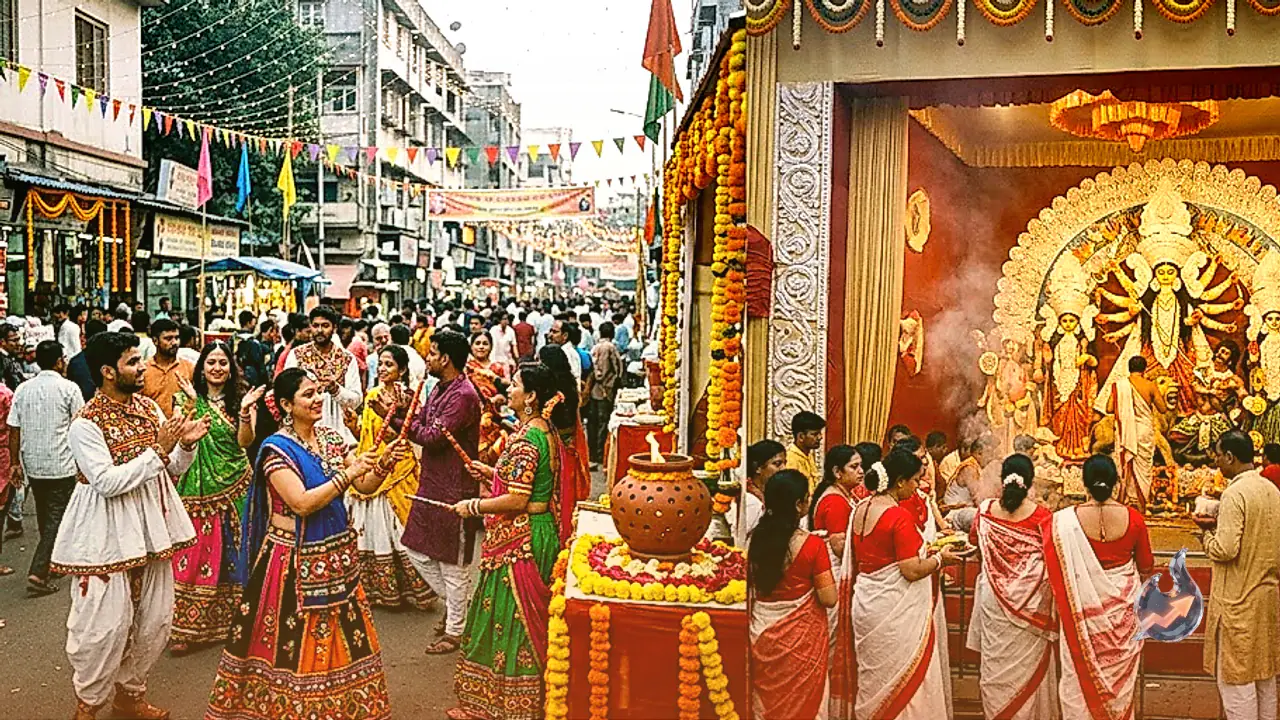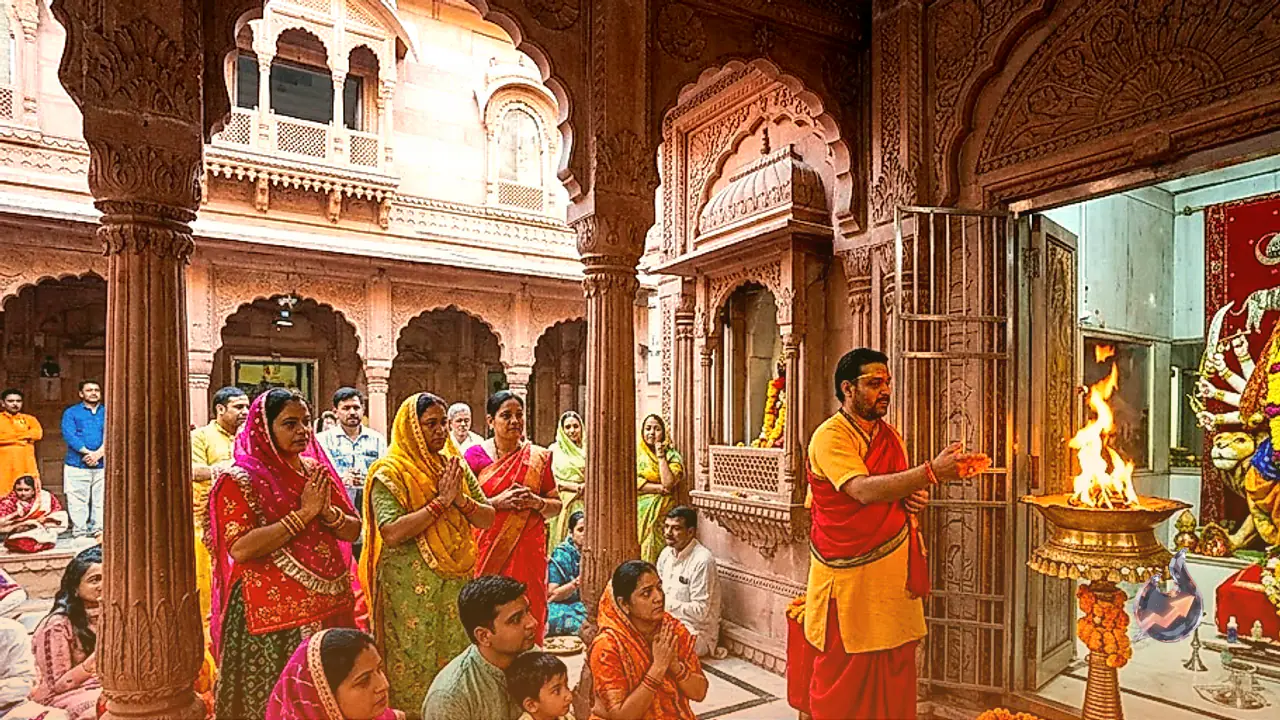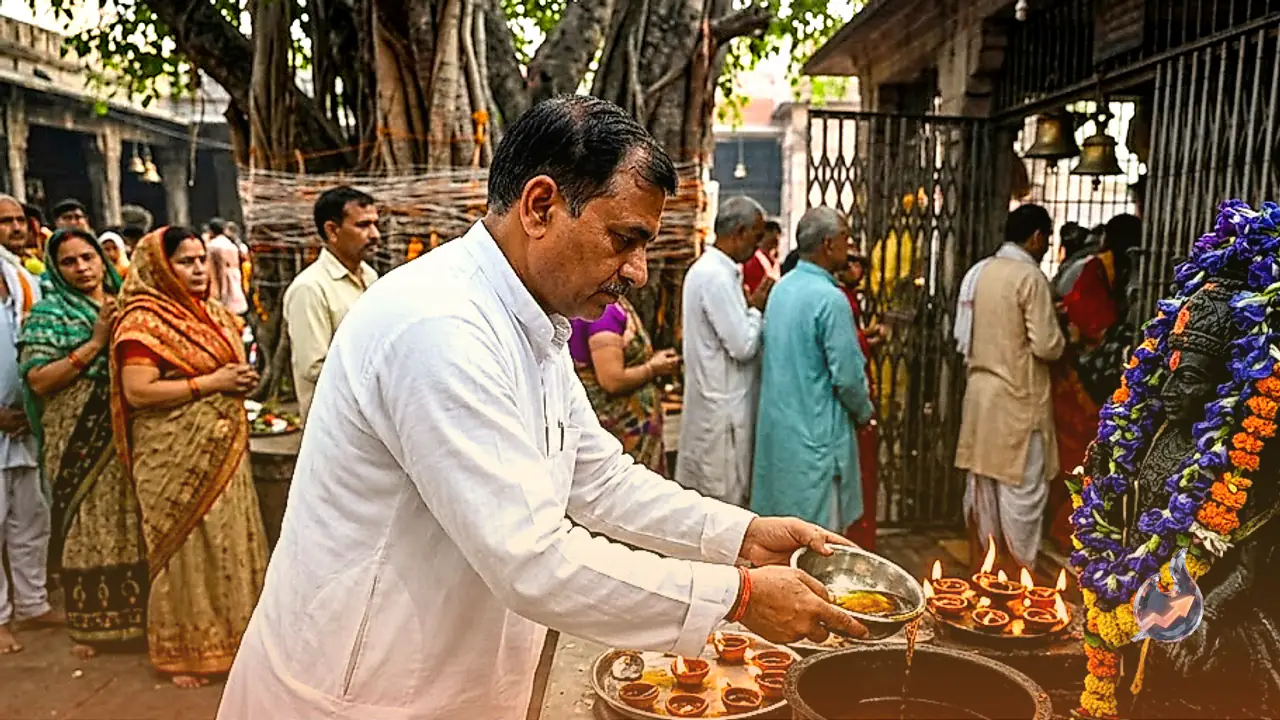



















The nine-day festival of Sharadiya Navratri 2026 is scheduled to commence on Saturday, October 11, 2026, and will conclude on October 19. According to the traditional calendar calculations for this year, both Durga Ashtami and Maha Navami will fall on the same day, October 19, while the festival of Dussehra (Vijayadashami) will be celebrated on October 20. The primary ritual marking the beginning of Navratri is Kalash Sthapana, also known as Ghatasthapana, performed on the first day. Sacred traditions hold that this holy vessel serves as a symbolic abode for all deities, sacred rivers, and positive cosmic energies. Establishing the Kalash marks the formal invocation of Divine Mother Durga, initiating nine days of fasting, prayers, and spiritual discipline before the Kalash is ritually immersed at the conclusion of the festival.
Sharadiya Navratri 2026 Kalash Sthapana Muhurat and Timings
Performing Ghatasthapana during the recommended planetary windows is considered vital for invoking auspicious energies. The key timings and astronomical conjunctions for October 11, 2026, include
- Kalash Sthapana Date: Saturday, October 11, 2026
- Main Ghatasthapana Shubh Muhurat: 06:19 AM to 10:12 AM
- Ghatasthapana Abhijit Muhurat: 11:44 AM to 12:31 PM
- Pratipada Tithi Begins: October 10, 2026, at 09:19 PM
- Pratipada Tithi Ends: October 11, 2026, at 09:30 PM
- Chitra Nakshatra Duration: Starts on October 10, 2026, at 09:42 PM and concludes on October 11, 2026, at 10:32 PM
- Vaidhriti Yoga Duration: Starts on October 10, 2026, at 10:02 PM and concludes on October 11, 2026, at 09:05 PM
Among the available time slots, the Abhijit Muhurat between 11:44 AM and 12:31 PM on October 11 is recognized as an exceptionally auspicious window for establishing the sacred Kalash.
Complete List of Essential Puja Samagri
Devotees should gather the following traditional items prior to beginning the ceremony to ensure an uninterrupted worship process
- Sapta Dhanya (seven varieties of sacred grains)
- A wide-mouthed shallow earthen pot or tray
- Akshat (unbroken raw rice grains)
- A clean red cloth or chunni
- Fresh flowers
- Clean soil gathered from a sacred or pure source
- A metal (copper/brass) or earthen Kalash pot
- Gangajal and clean freshwater
- Fresh leaves of mango or ashoka trees
- Whole betel nut (supari)
- A whole coconut with husk (jata wala nariyal)
- Coins and sacred red thread (kalawa)
Detailed Step-by-Step Kalash Sthapana Ritual
Setting up the Kalash involves a deliberate sequence of traditional actions designed to consecrate the prayer space
- Purification and Directional Alignment: Cleanse the worship altar thoroughly by sprinkling Gangajal. The northeast corner (Ishan Kon) is traditionally the most favorable direction for establishing the Kalash, though placing it in the east or north is also considered auspicious.
- Preparing the Grain Bed: Spread a layer of clean soil inside the wide-mouthed earthen tray and evenly scatter the barley (jau) seeds over it. Cover the seeds lightly with another thin layer of soil and sprinkle a small amount of water to moisten the base.
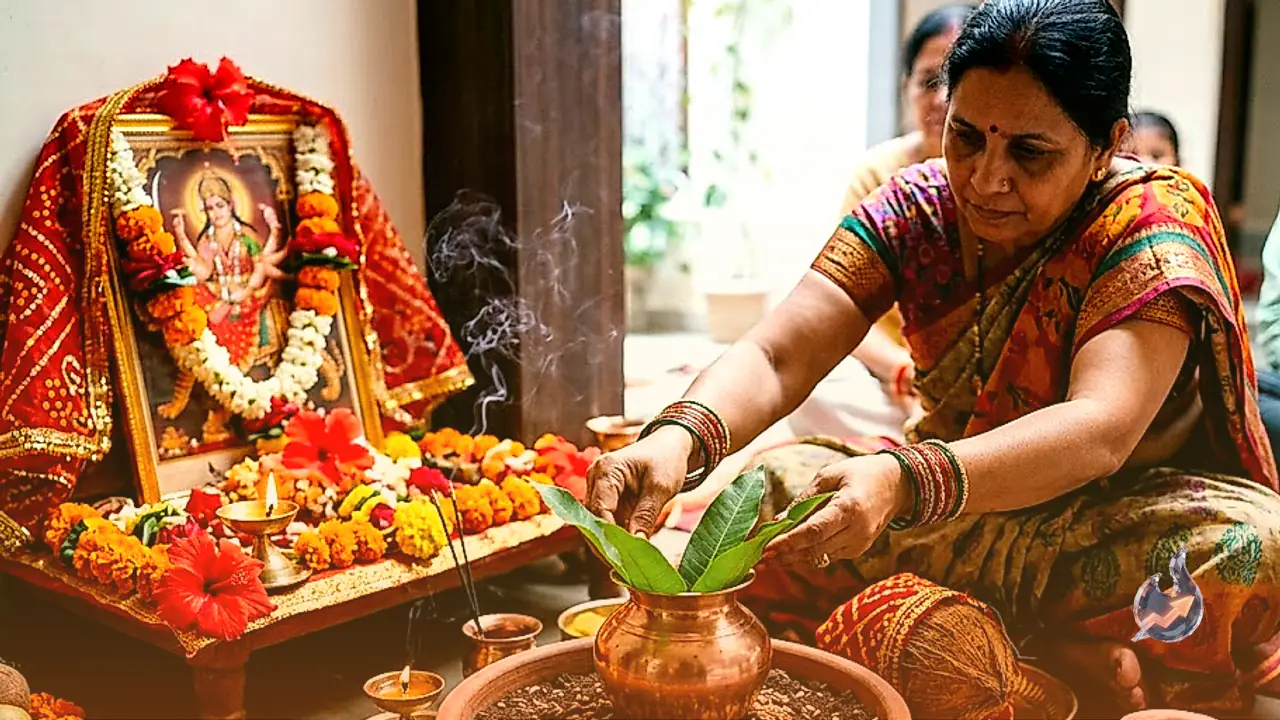
- Filling and Adorning the Pot: Fill the Kalash vessel with clean water mixed with Gangajal. Place a coin, supari, akshat, and flower inside the water. Tie the sacred red thread around the neck of the pot.
- Arranging Leaves and the Coconut: Place five or seven mango or ashoka leaves around the rim of the pot. Place an earthen bowl filled with rice or barley atop the pot opening. Wrap the husked coconut in a fresh red cloth or chunni and position it steadily over the bowl.
- Invocation and Daily Prayers: Once the arrangement is complete, offer prayers to invoke Goddess Durga into the vessel, asking for blessings throughout the nine-day observance.
Throughout all nine days of Navratri, a family member performs daily morning and evening worship of both Goddess Durga and the consecrated Kalash. A small amount of clean water must be sprinkled daily on the earthen tray beneath the Kalash to nurture the growing barley shoots.