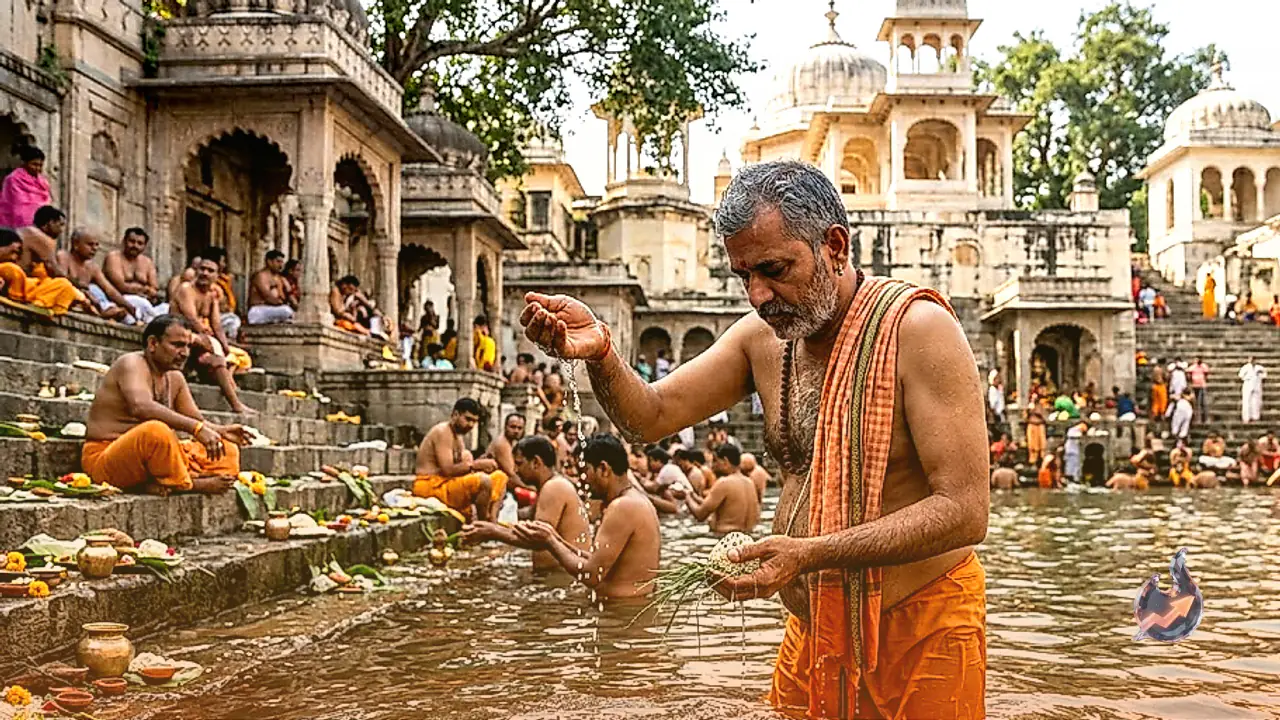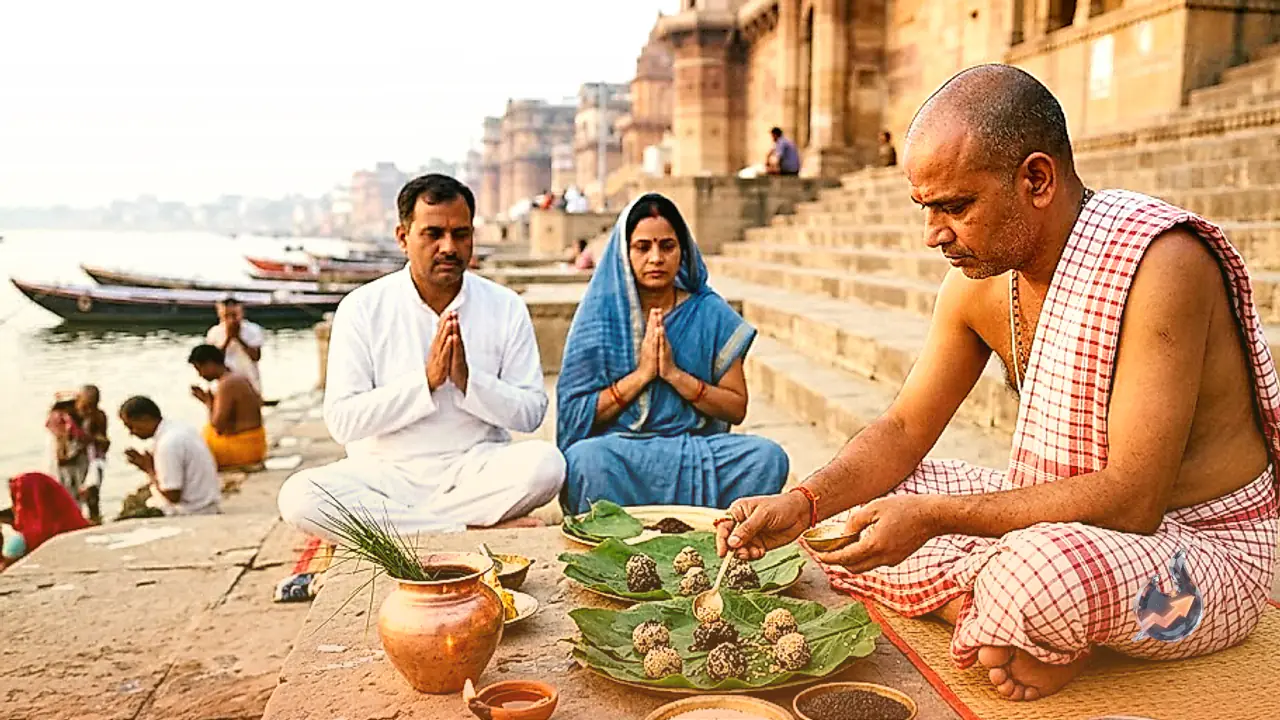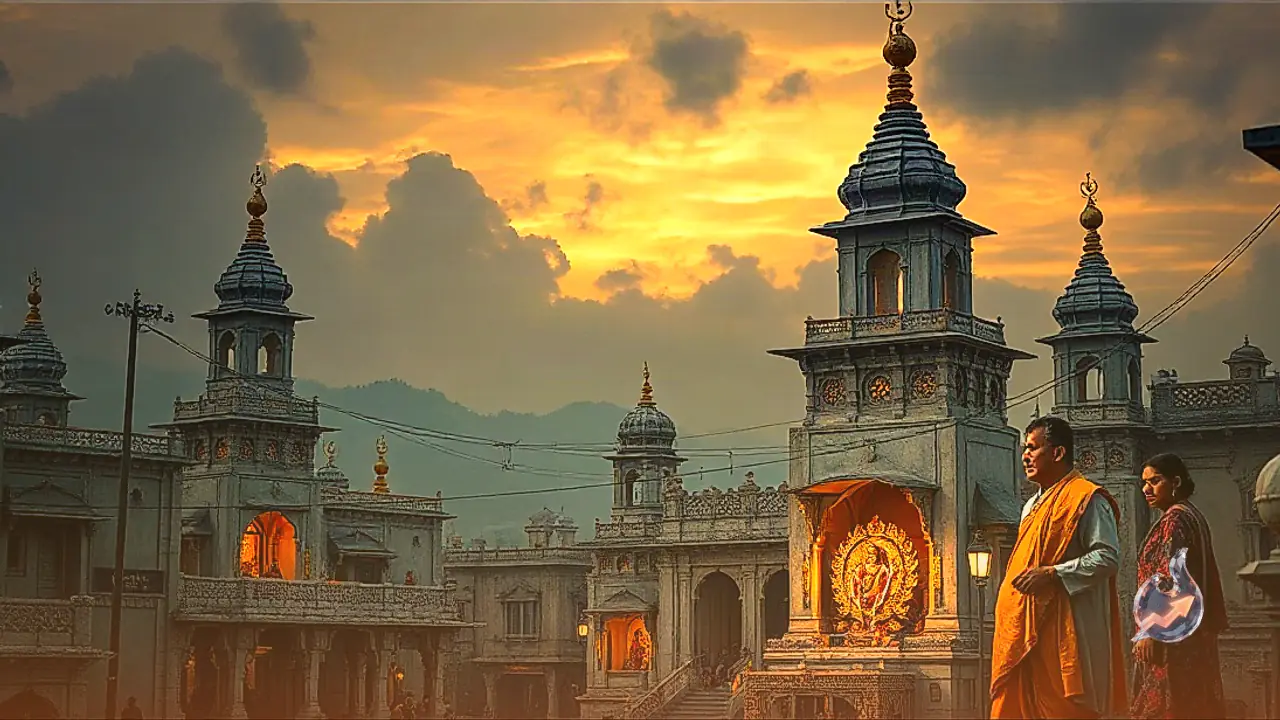




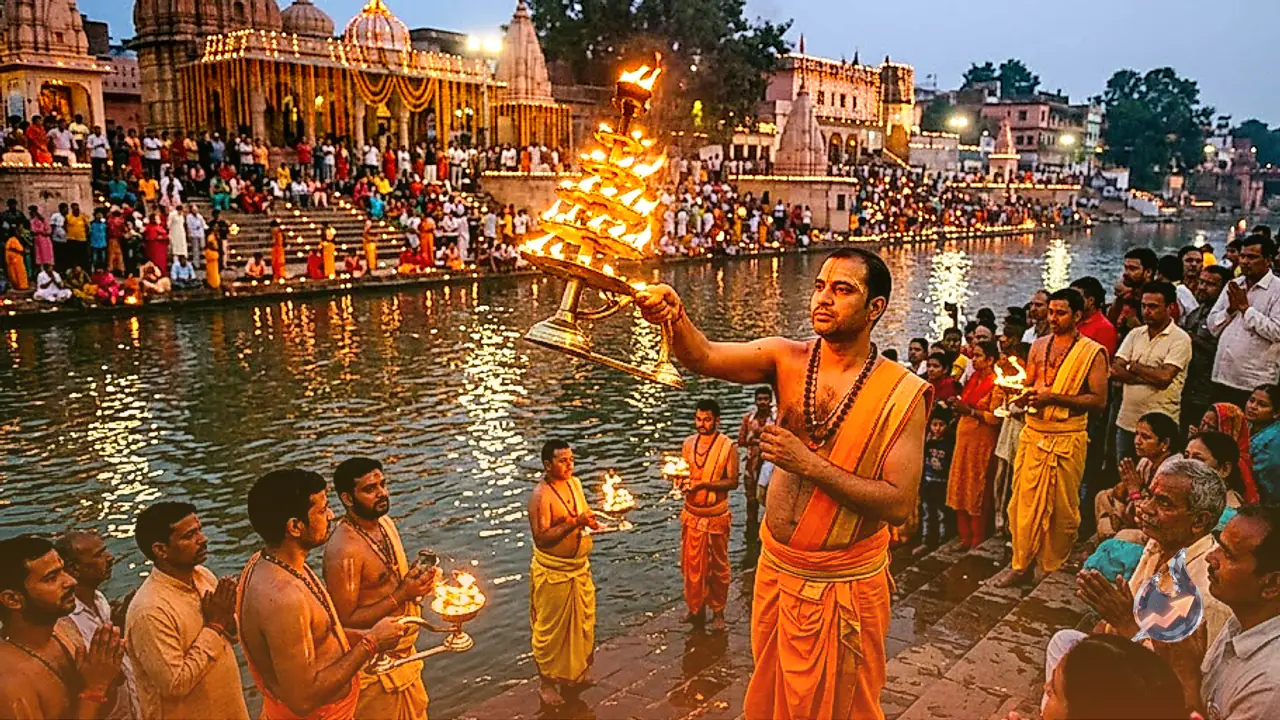















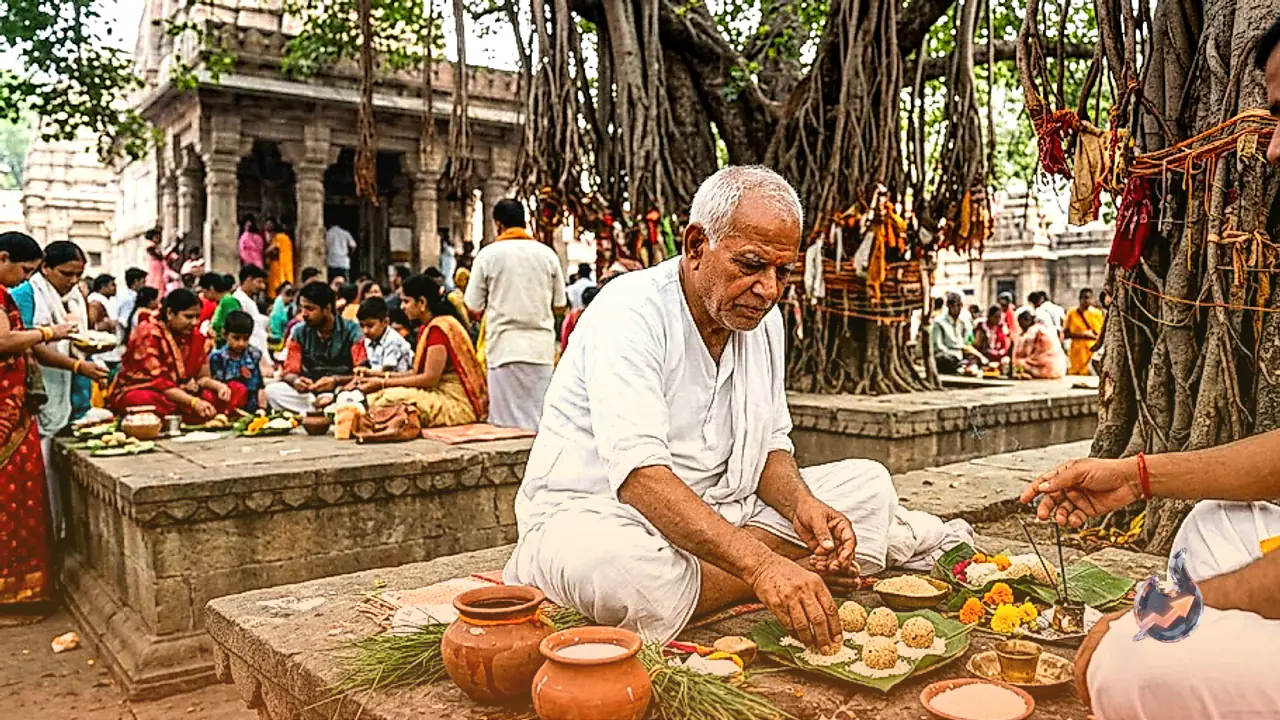

In traditional Hindu practice, the ancient city of Gaya in Bihar stands as the supreme destination for securing peace and ultimate spiritual liberation for departed ancestors. During the sacred fortnight of Pitru Paksha, this revered town draws hundreds of thousands of pilgrims from across India and around the globe. Scriptural texts emphasize that performing the customary rites of tarpan and pind daan upon this consecrated ground brings profound peace to forefathers, freeing seven generations of lineage and releasing descendants from their spiritual obligations toward the departed.
While popular understanding often focuses exclusively on the revered Vishnupad Temple or the banks of the Phalgu River, the broader pilgrimage area encompasses more than 45 distinct sacred sites that have hosted ancestral rites for countless centuries. Each specific altar and mountain shrine holds a unique scriptural significance, associated with addressing particular family afflictions, planetary obstacles, and ancestral doshas that may burden surviving relatives.
Spiritual Primacy of Vishnupad Temple and the Phalgu Riverbank
The Vishnupad Temple forms the beating spiritual heart of ancestral rites in Gaya. According to long-standing belief, the shrine houses the sacred footprints of Bhagwan Vishnu. Devotees gather within the sanctum to offer ritualistic pinds, praying earnestly for the permanent salvation of their ancestors. Sacred texts document that funeral offerings presented at this specific holy site yield extraordinary spiritual rewards, making it an indispensable stop for arriving pilgrims.
Equally prominent is the tradition along the banks of the sacred Phalgu River. Tradition recounts that Mata Sita performed the ritual pind daan for her father-in-law, King Dasharatha, along these very waters. Because of that historic offering, devotees maintain an unwavering conviction that presenting water and sesame seeds along the riverbanks provides deep and lasting satisfaction to departed souls.
Ancestral Significance of Akshayavat, Pretshila, and Ramshila
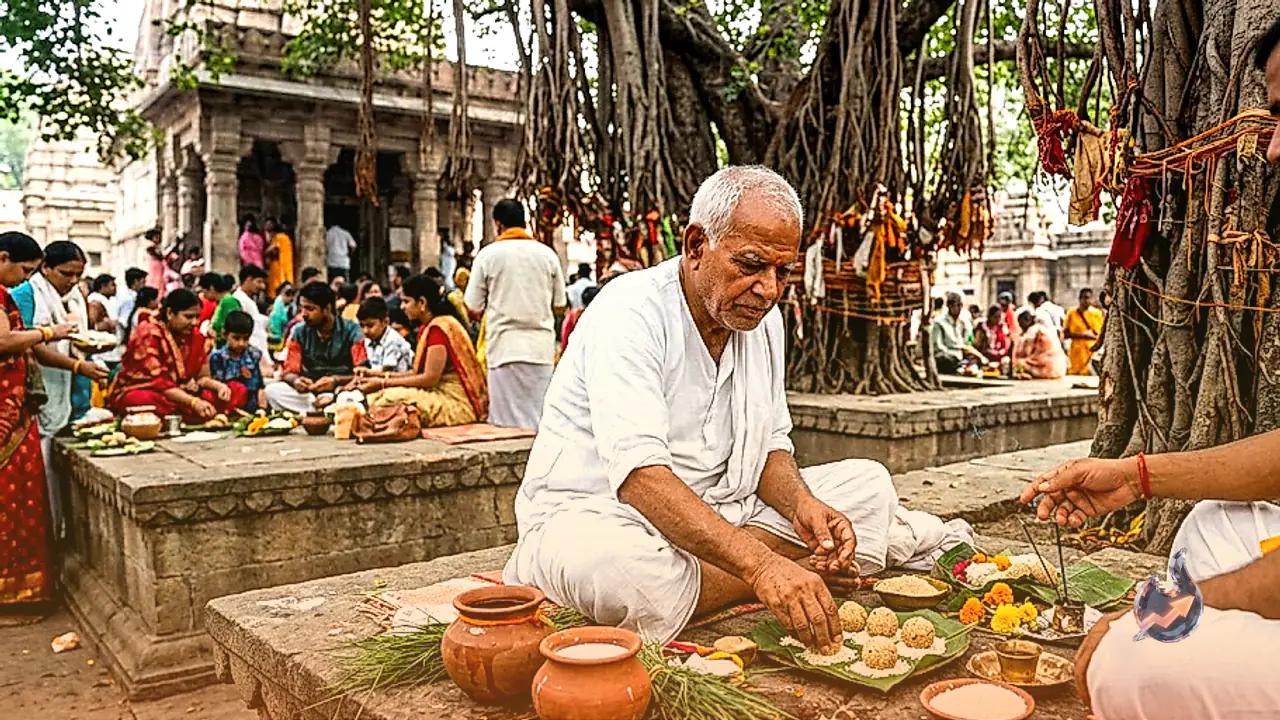
The legendary Akshayavat within Gaya is revered as an immortal banyan tree that withstands the passage of worldly cycles. Performing ancestral ceremonies under its sprawling boughs is believed to grant permanent tranquility to forefathers and ensure continuous blessings for descendants. Consequently, it remains counted among the most essential stops for concluding the full rites of pind daan.
For souls that departed under unexpected, untimely, or unusual circumstances, the steep slopes of Pretshila mountain serve as the dedicated ritual ground. The established custom of making offerings here is believed to pacify restless spirits, providing relief from severe ancestral afflictions and lingering spiritual distress that troubled lineages may experience.
In contrast, the nearby Ramshila mountain is celebrated for its direct connection to Bhagwan Ram. Believed to be the precise location where Ram performed sacred obsequies for his father King Dasharatha, offering prayers and grain balls here is associated with fostering peace, family prosperity, and securing the affectionate goodwill of ancestors.
Sita Kund and the Expansive Network of Sacred Altars
Another focal point for visitors is Sita Kund, a peaceful site closely linked to the pious devotions completed by Mata Sita. Pilgrims perform tarpan and ancestral offerings beside its perimeter, expressing deep gratitude and reverence to preceding generations.
Beyond these well-known landmarks, the sacred geography of Gaya features numerous other revered places such as the Brahmayoni mountain, Dharmaranya, Mangla Gauri, Uttaramansa, Suryakund, and the holy waters of Vaitarani. Scriptural tradition teaches that carrying out the prescribed rites across these diverse sites mitigates planetary afflictions, dispels chronic domestic hurdles, and eliminates lingering spiritual imbalances. Throughout the full 16 days of Pitru Paksha, enormous numbers of devotees converge upon these 45 plus sites, anchored in the belief that merit acquired from dedicated rituals in Gaya remains eternal and protective for generations to follow.