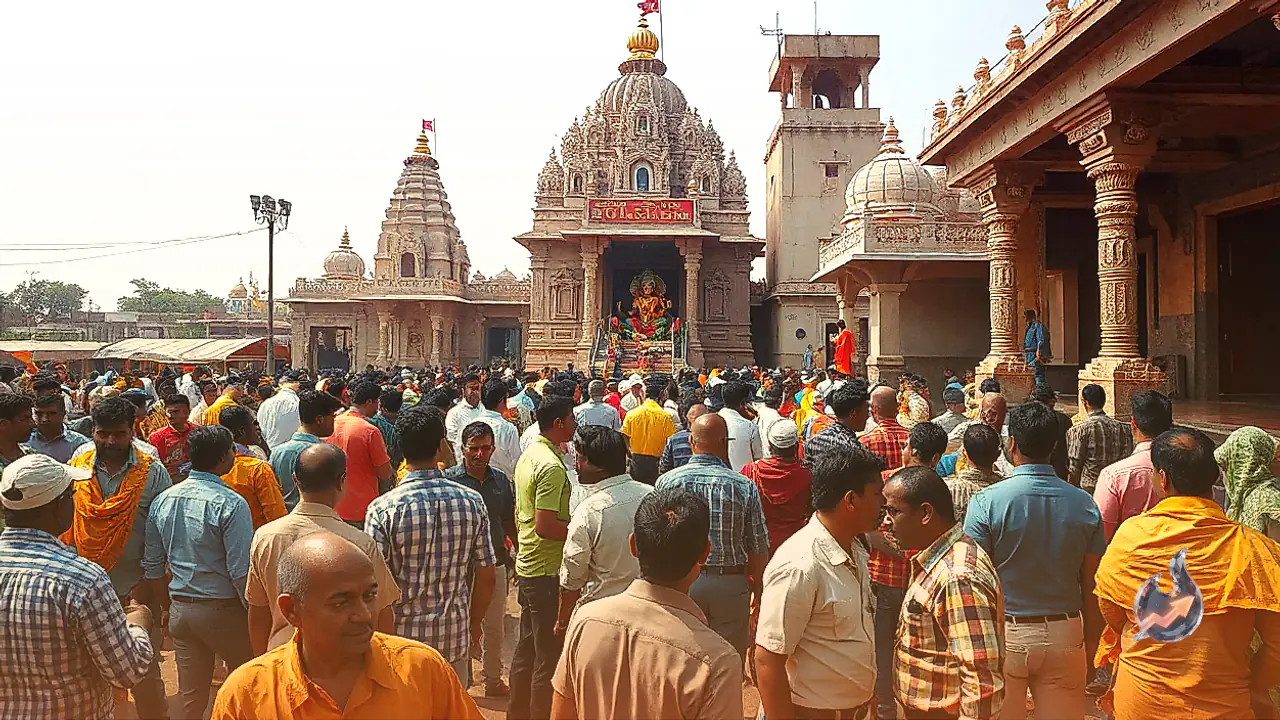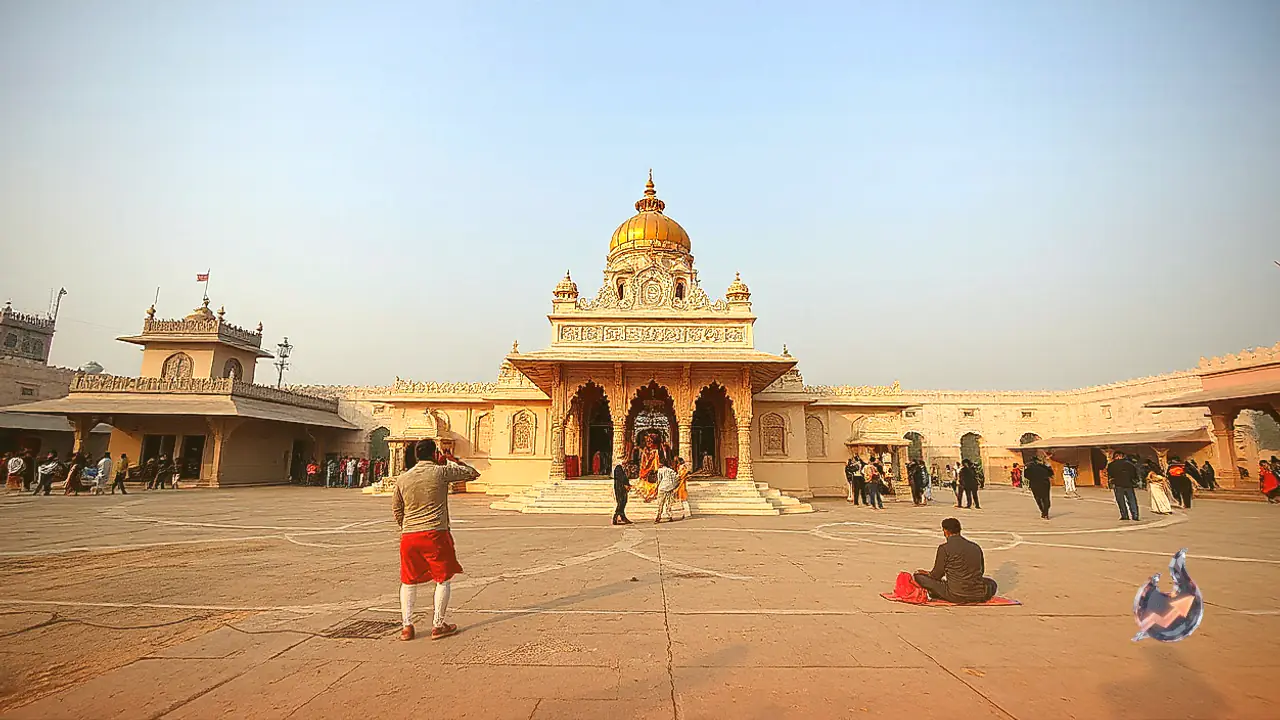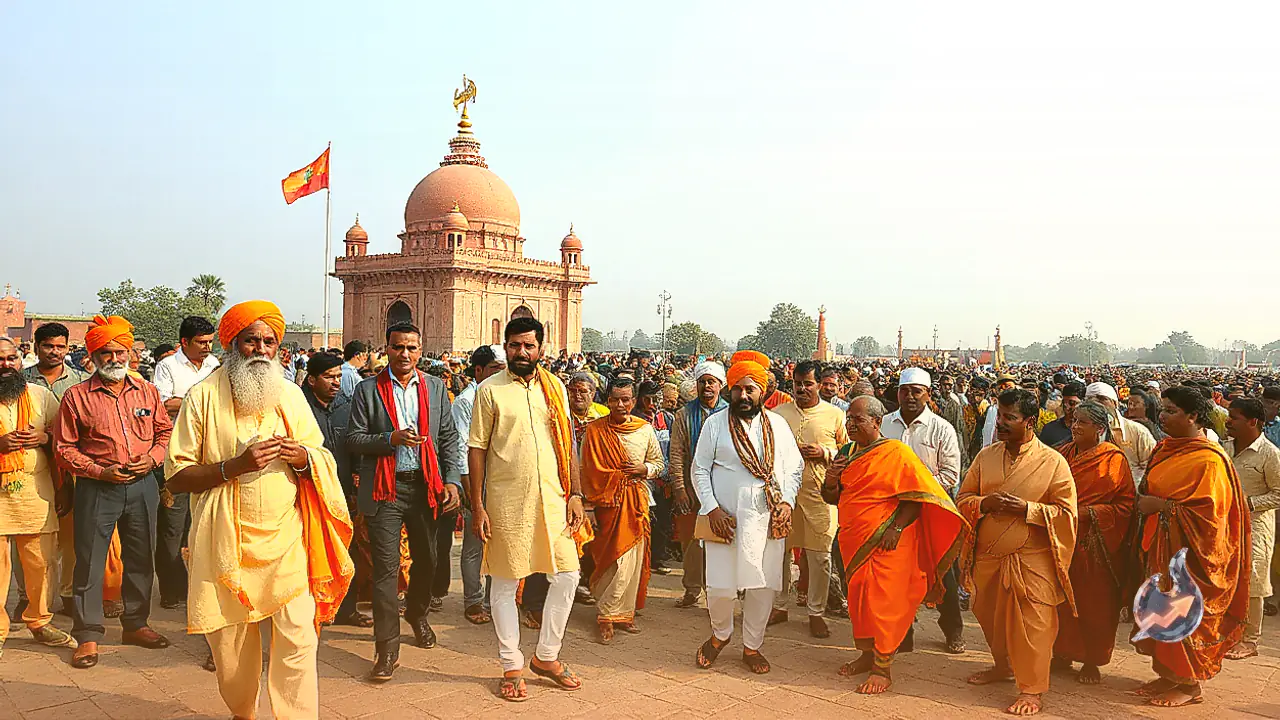















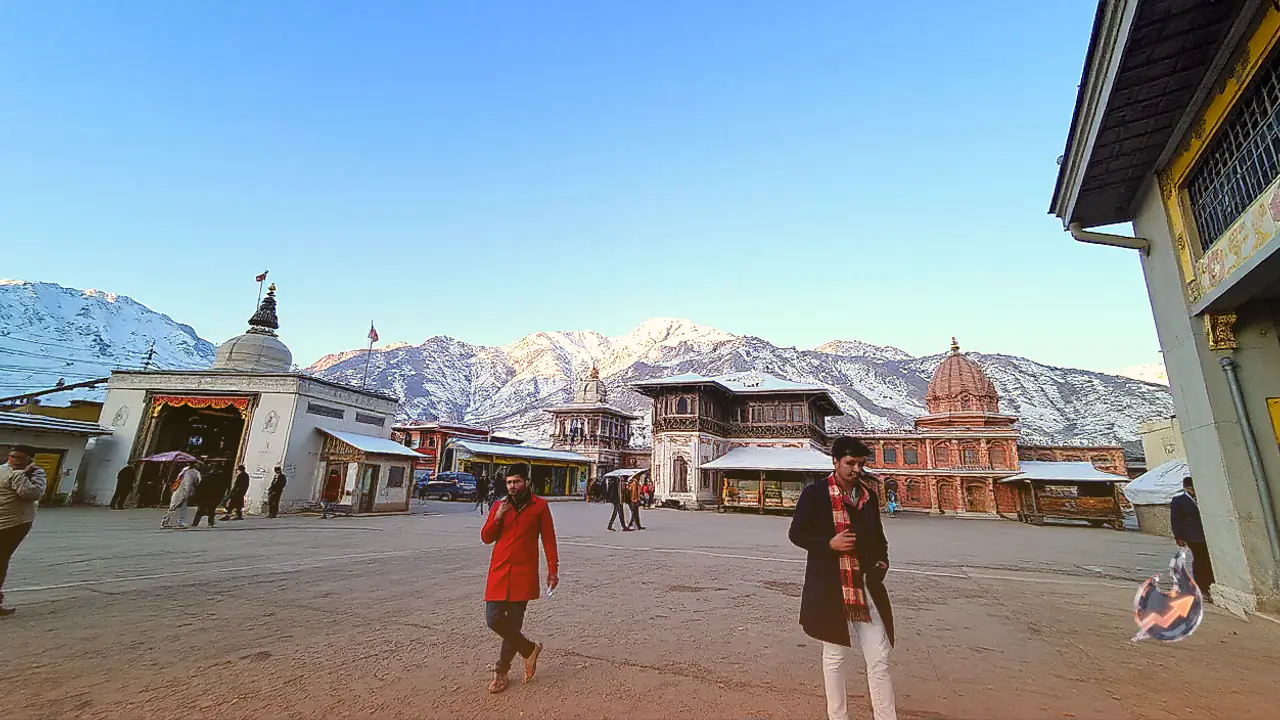

Situated in the Chamoli district of Uttarakhand, Badrinath Dham is a revered shrine dedicated to Lord Vishnu. The temple is widely known as Bhoo-Vaikunth, which signifies the divine abode of Lord Vishnu on earth. Devotees believe that Lord Badri Vishal resides here in divine form, offering spiritual peace to those who visit. Set against the backdrop of towering Himalayan peaks, the Alaknanda River, and breathtaking landscapes, this shrine stands as one of the primary pilgrimage sites of the Char Dham Yatra.
However, many wonder where the rituals for Lord Badri Vishal take place during the winter months when the temple doors remain shut. The temple closes for half the year due to extreme weather conditions, giving rise to unique seasonal traditions. The religious significance, mythological roots, and winter practices of Badrinath Dham form an essential part of its heritage.
Why It Is Called Bhoo-Vaikunth
The designation of Bhoo-Vaikunth stems from the deep-rooted belief that this region serves as an earthly counterpart to Vaikunth, the celestial realm of Lord Vishnu. According to Hindu mythology, Lord Vishnu performed rigorous penance in the Badrinath region as Nara-Narayanan. Another popular legend holds that Goddess Lakshmi took the form of a Badri or jujube tree to shelter the deity from harsh weather conditions, which ultimately gave the place its sacred name.
Why Temple Doors Close for Six Months
Badrinath Dham sits at a lofty altitude of approximately 3,133 meters above sea level. Winters bring heavy snowfall to the region, causing temperatures to plummet drastically and making travel to the shrine extremely hazardous. Consequently, the temple doors are closed every year before the harsh winter sets in. The temple typically opens in April or May and closes in October or November, with precise dates determined by traditional astrological calendars. Before closure, special prayers are conducted, marking the transition to winter rituals.
Where Lord Badri Resides in Winter
Following strict religious traditions, once the main gates of Badrinath close for the winter, the worship of Lord Badri Vishal shifts to the Narasimha Temple located in Joshimath, also known as Jyotirmath. Additionally, the ceremonial idol of the deity is traditionally moved to the Yogdhyan Badri Temple in Pandukeshwar. Winter worship protocols are observed diligently at both locations, ensuring that the continuous cycle of devotion and rituals remains unbroken throughout the closed season.
The administration of daily worship at the Badrinath temple follows distinct ancient protocols. The head priest, known as the Rawal, traditionally belongs to the Namboodiri Brahmin community of Kerala, and all rituals are performed according to strict Vedic procedures. Pilgrims visiting Badrinath often explore several nearby religious and natural landmarks as well, including Mana Village, Vyas Gufa, Bheem Pul, and the origin area of the Saraswati River.