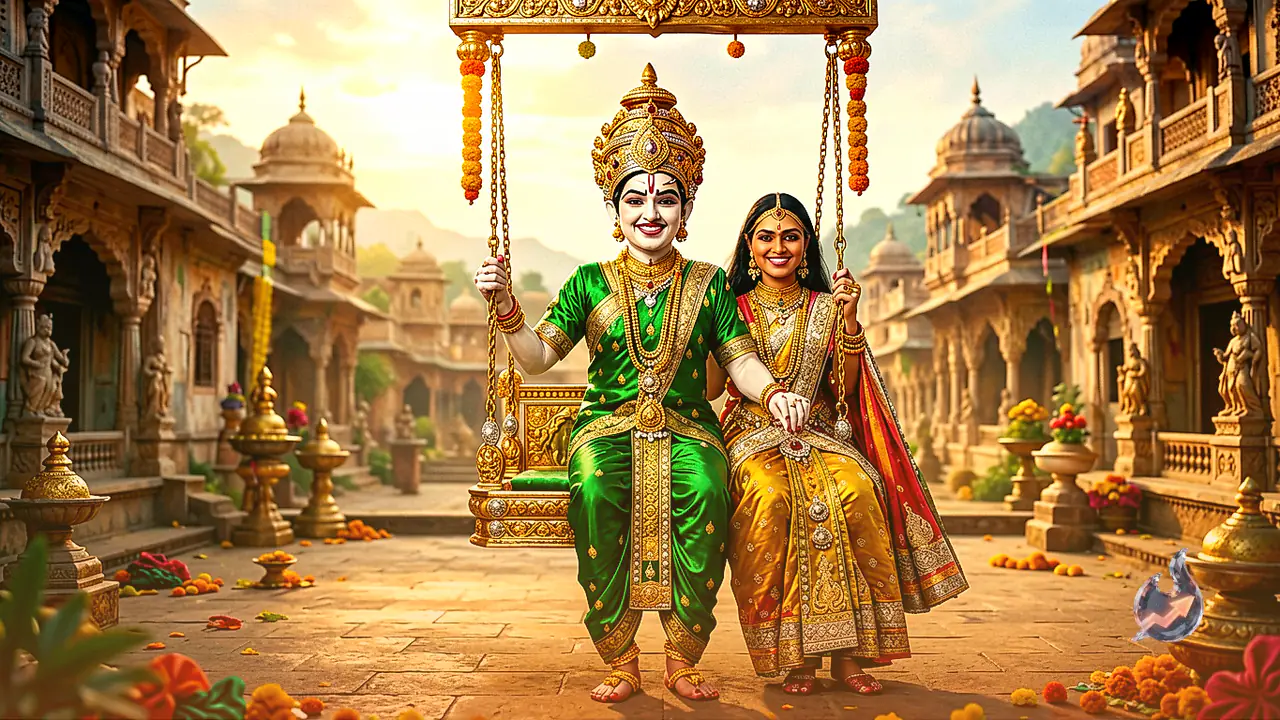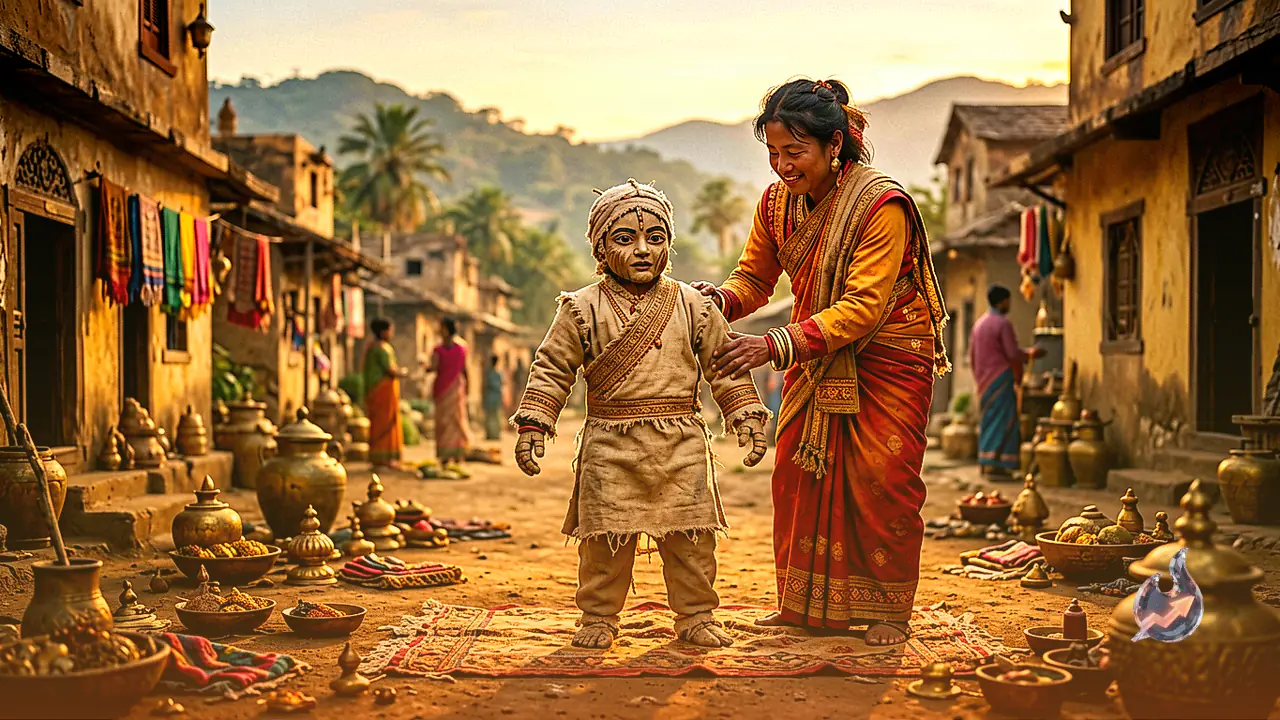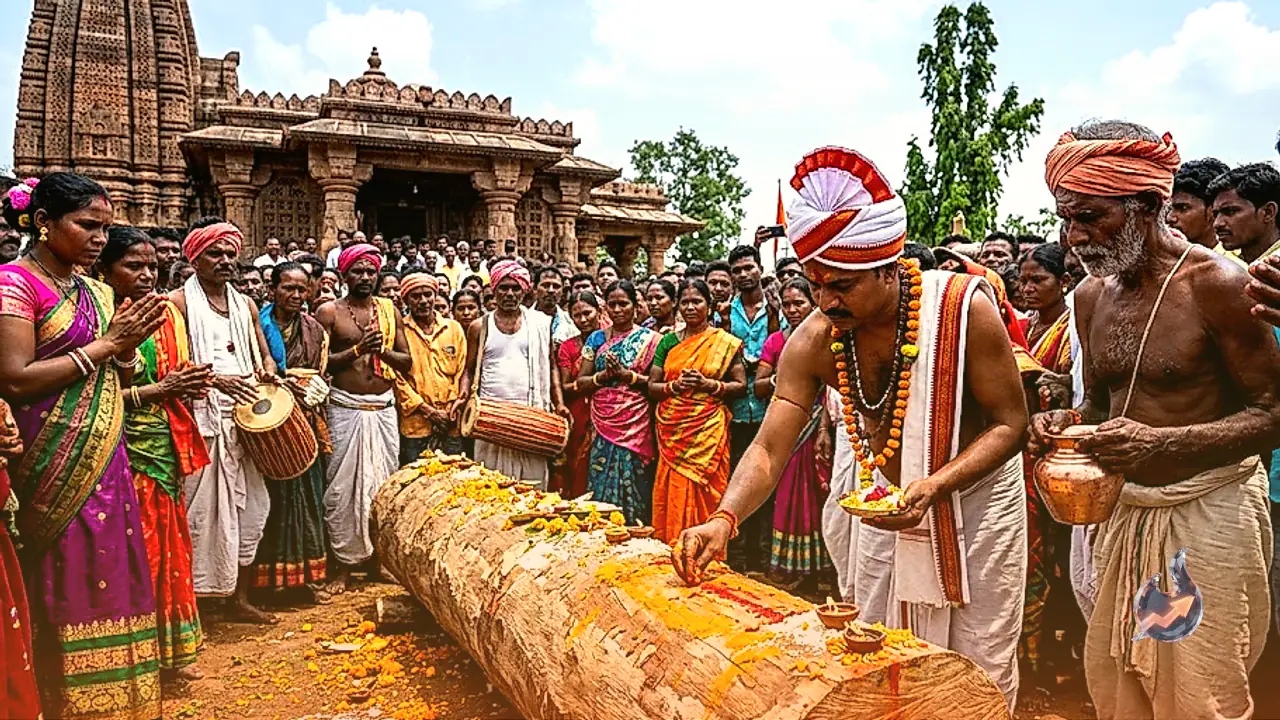
























The festival of Nag Panchami will be celebrated with traditional fervor and devotion across the country on 17 August 2026. On this auspicious day, devotees offer special prayers to Lord Shiva and Nag Devta. Along with the sacred rituals, a unique folk custom known as 'Gudiya Peetna' or beating the cloth dolls is observed in several parts of northern and central India, particularly in Uttar Pradesh, Bihar, and Madhya Pradesh. As part of this custom, young girls create hand-crafted cloth dolls and place them at local ponds or crossroads, after which boys beat these dolls using wooden sticks. This ancient practice is linked to a fascinating mythological tale and carries deep cultural significance.
The Legend Behind The Custom Of Beating Cloth Dolls
According to ancient legends, there was once a young man who was an ardent devotee of Lord Shiva. Every day, he visited the temple to offer his prayers, where a snake would gently coil around his legs as a mark of devotion. One day, his sister accompanied him to the temple and witnessed the snake wrapped around her brother's legs. Panicked by the sight and fearing that the reptile was attacking her brother, she immediately picked up a stick and beat the snake to death in an attempt to save his life.
When the brother explained the truth about his divine bond with the snake, the sister was overwhelmed with grief and wept bitterly over her grave mistake. The local elders and devotees gathered at the temple pointed out that killing a sacred serpent, an embodiment of divinity, carried heavy spiritual consequences. However, recognizing that her action was born out of innocent concern rather than malice, they resolved that instead of punishing the girl directly, a cloth doll representing her would be symbolically beaten on this day. Since then, the custom of beating cloth dolls on Nag Panchami has been faithfully preserved across generations.
Nag Panchami Puja Vidhi And Rituals To Follow
Devotees perform structured rituals on Nag Panchami to seek the blessings of Nag Devta and remove astrological afflictions. Here are the traditional steps to observe during the worship
- Offer fresh cow milk, paddy lava (popped rice), white flowers, and incense to the deity during the morning prayers.
- Recite the sacred serpent mantra 'Om Vakula Nagaya Vidmahe Vishadantaya Dhimahi, Tanno Sarpah Prachodayat' to seek protection and alleviate Kaal Sarp Dosh from one's birth chart.
- Perform milk and water consecration (Abhishek) on the idol of Nag Devta using a traditional copper vessel.
- Visit a temple to perform puja and abhishek on a metallic or silver pair of Nag-Nagin (male and female snake idols).
- Worshipping a clay pair of Nag-Nagin is also considered highly meritorious, pleasing both Lord Shiva and the serpent deities while bestowing peace upon the household.