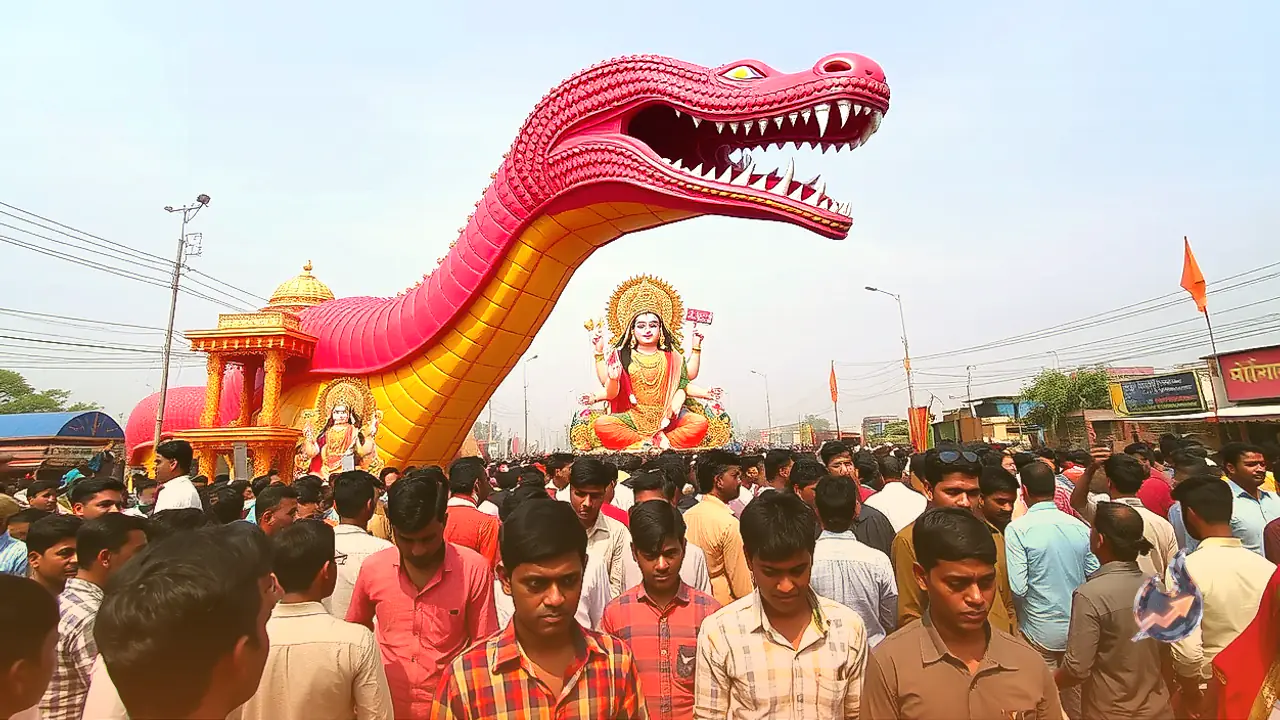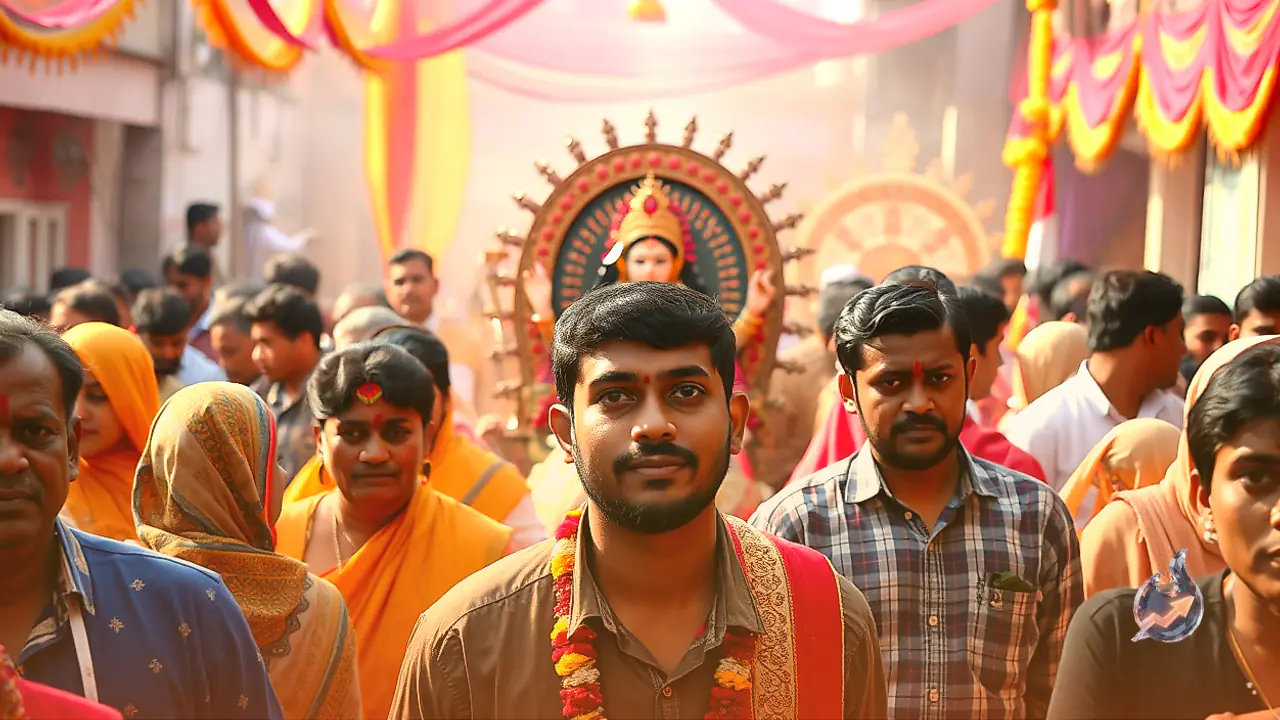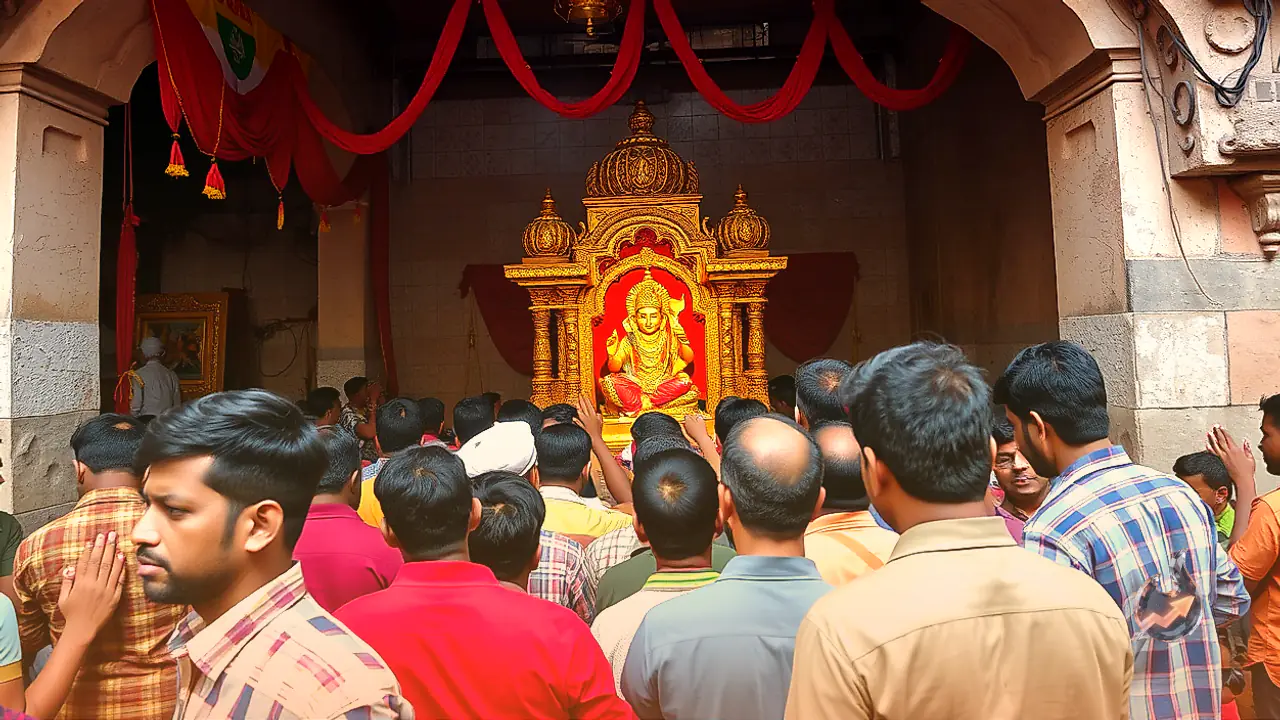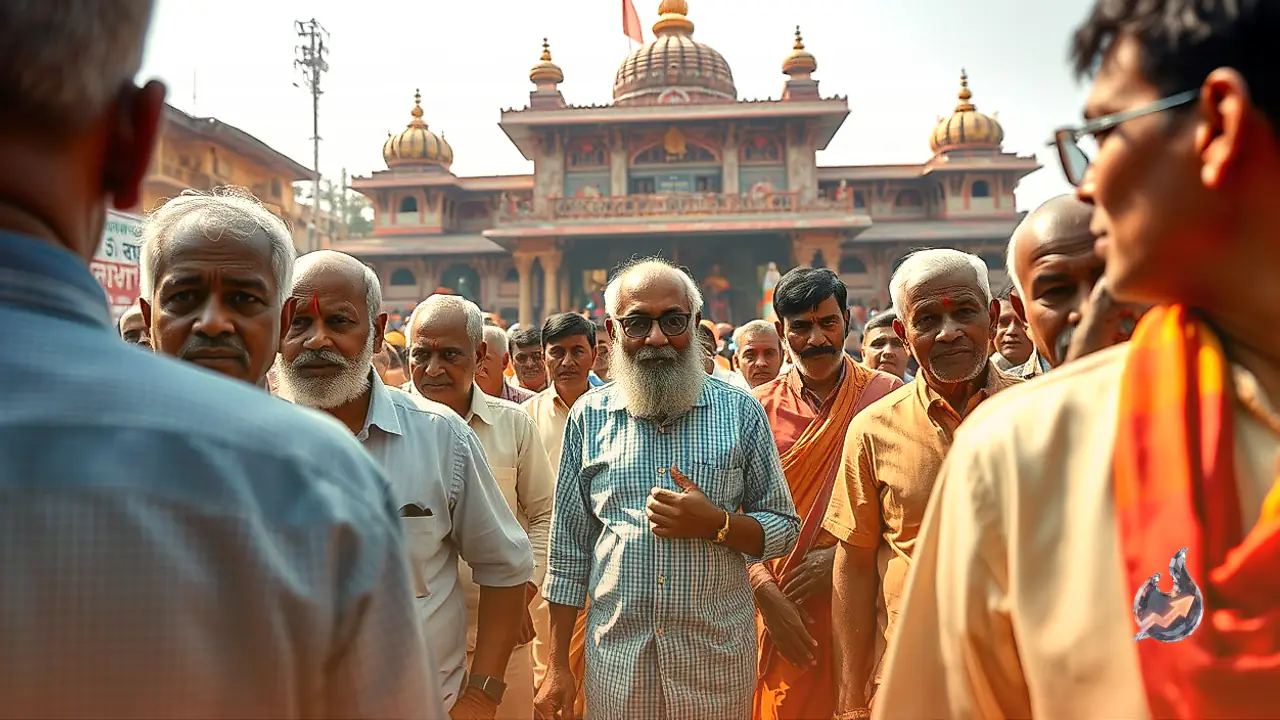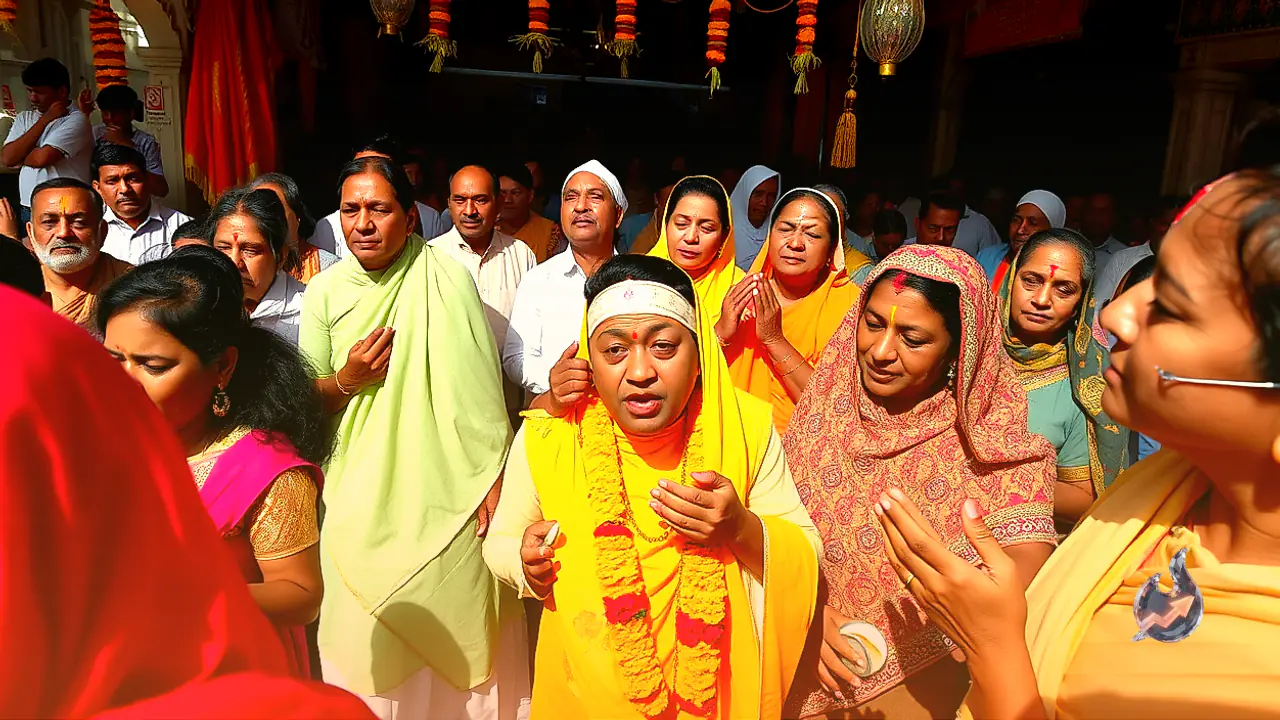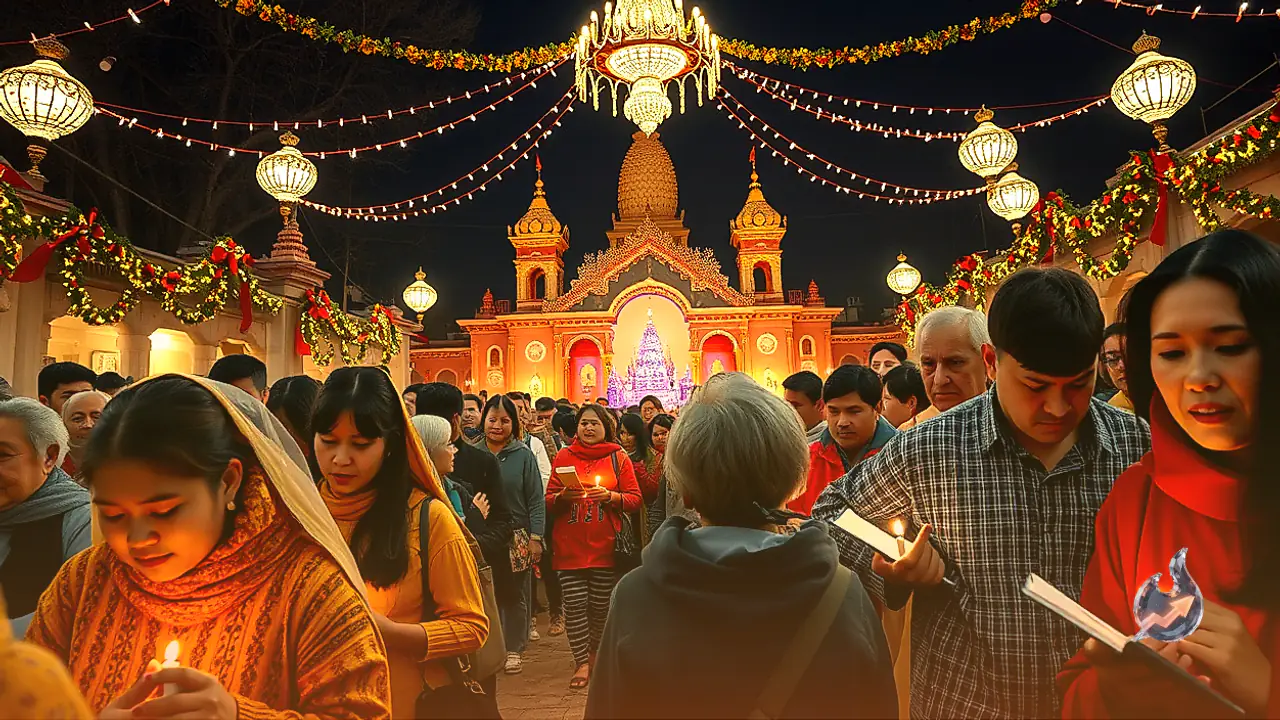



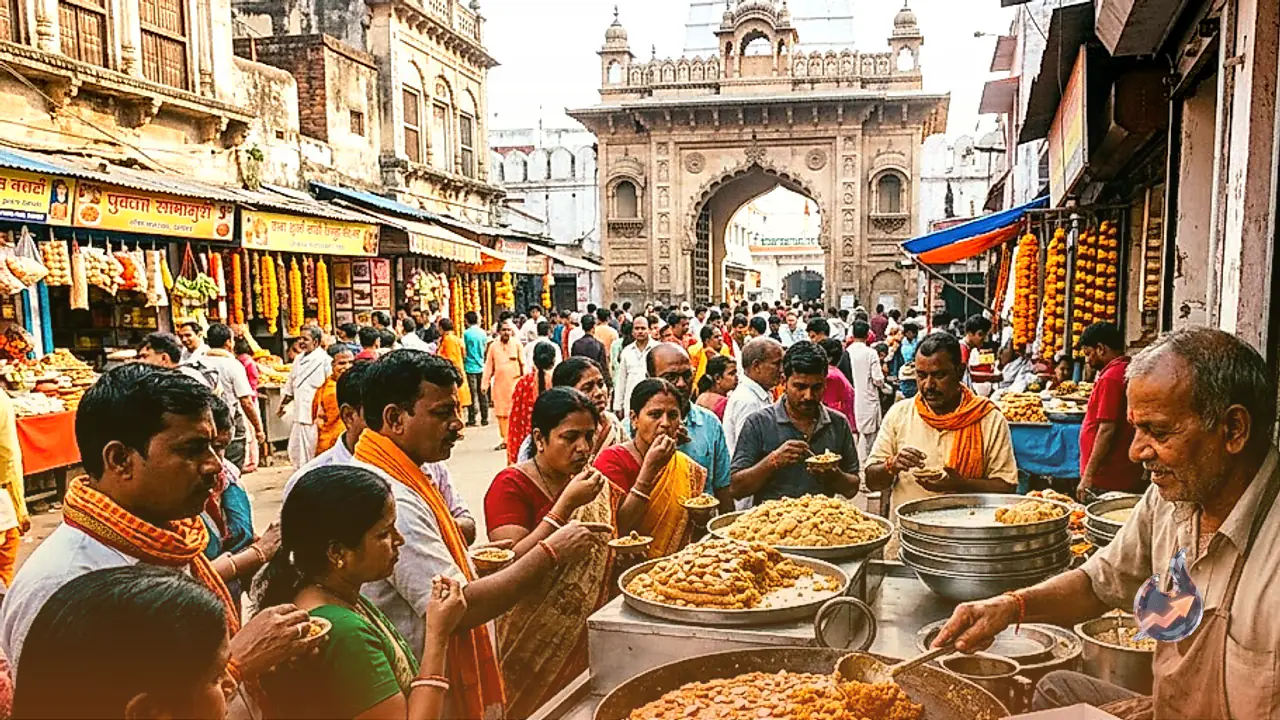
















Located in the Lakhisarai district of Bihar, the Ashok Dham temple stands as one of the most prominent spiritual hubs dedicated to Lord Shiva. Also widely recognized as the Indradeshwar Mahadev Temple, it witnesses a massive influx of devotees during the holy month of Sawan, particularly on Sawan Mondays, when worshippers gather in large numbers to offer water and perform sacred rituals. According to the district administration, large crowds assemble here during Sawan and Shivratri. However, a tragic stampede broke out today amid a heavy gathering of devotees inside the shrine. According to the latest reports, 7 devotees have lost their lives in the incident, while more than 12 people have sustained injuries. Authorities noted that as an immense crowd arrived to perform the water rituals, the numbers surged suddenly, creating chaotic conditions. The injured have been promptly rushed to hospitals for treatment, and rescue operations by the administration are currently underway.
The Massive Shiva Lingam Found While Playing Gilli-Danda
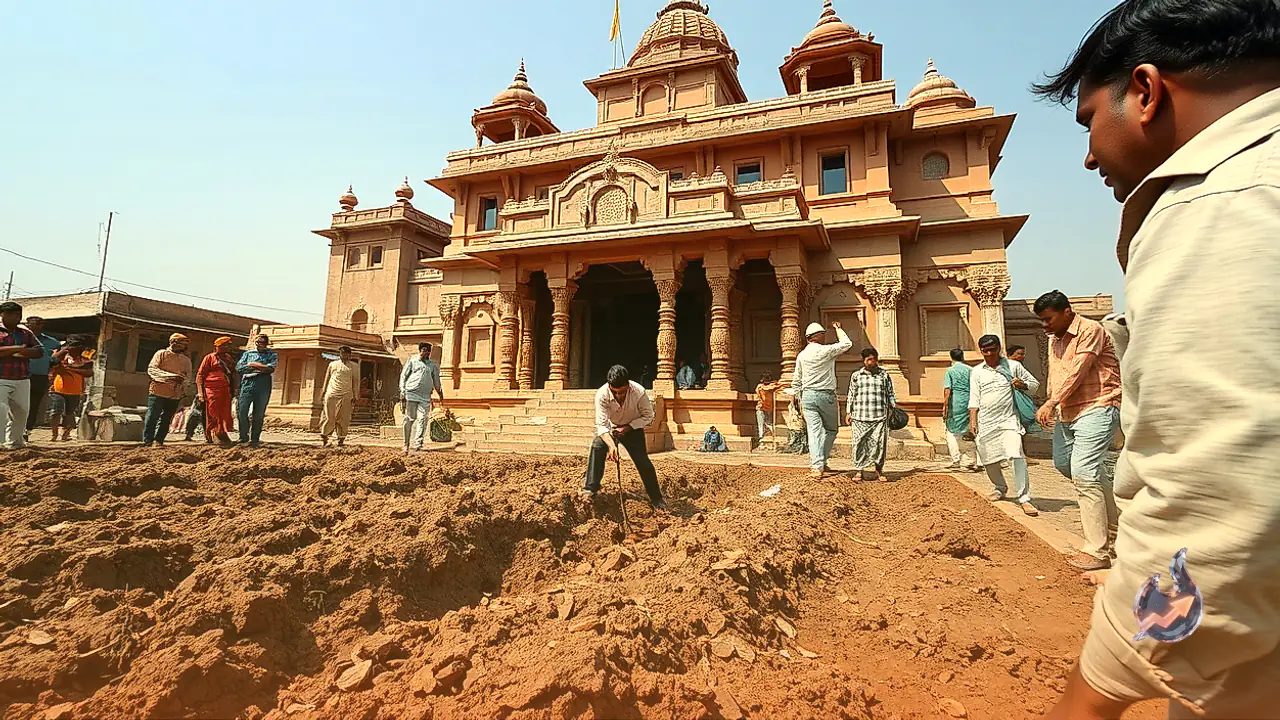
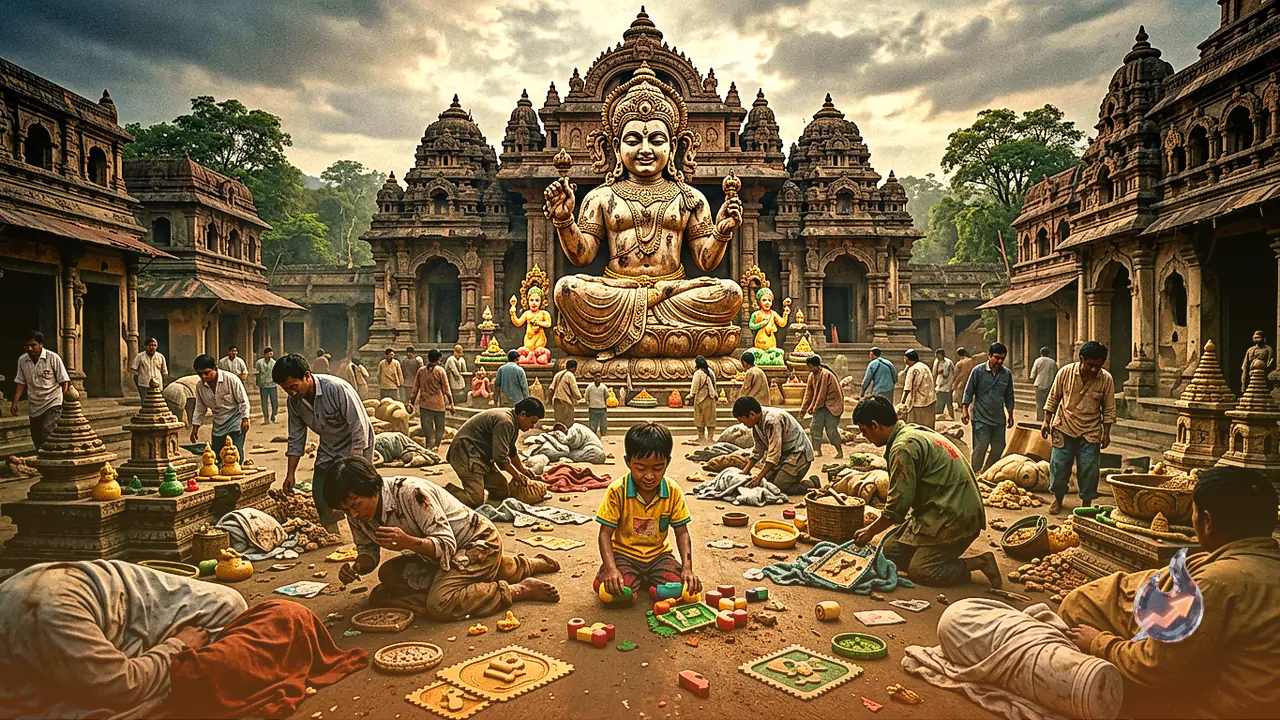
The most fascinating aspect of the Ashok Dham temple lies in its intriguing history. According to official records from the Bihar government and the Lakhisarai district administration, on April 7, 1977, a young boy named Ashok spotted a massive, centuries-old Shiva lingam buried underground while playing the traditional game of gilli-danda. Later, a temple was constructed at this very location, and it came to be known as Ashok Dham after the boy.
Local beliefs surrounding the temple's history describe the site as an ancient center of Shiva worship. Several historical and religious sources note references to a tradition of worshipping Lord Shiva here dating back to the Pala dynasty. The reconstruction of the current Ashok Dham temple complex was inaugurated on February 11, 1993, by the Shankaracharya of Jagannathpuri. Today, the temple complex also houses shrines dedicated to Goddess Parvati, Nandi, and Goddess Durga alongside Lord Shiva.
Why Worship on Sawan Monday Holds Special Significance
In Hindu tradition, the entire month of Sawan is dedicated to Lord Shiva. On Sawan Mondays, devotees observe fasts and offer water, Gangajal, bel leaves, and other ritual items to the Shiva lingam. It is believed that worshipping Lord Shiva with sincere devotion on Sawan Mondays fulfills desires and brings prosperity and well-being. Pilgrims travel from far and wide to Ashok Dham during Sawan to pour holy water on Baba Indradeshwar Mahadev, resulting in massive crowds every Sawan Monday.
The identity of Ashok Dham extends beyond an ancient religious site, anchored by its giant Shiva lingam and the story of faith surrounding it. Locally, it is regarded as one of Bihar's premier Shiva shrines, with many devotees affectionately calling it the 'Mini Baba Dham of Bihar'. Given the heavy rush of worshippers arriving for darshan and water rituals on Sawan Mondays, security, crowd management, and administrative preparedness remain critically important.
Key Highlights of the Indradeshwar Mahadev Temple (Ashok Dham)
Miraculous Discovery (April 7, 1977): This giant Shiva lingam was not uncovered by any archaeological department, but rather by a child named Ashok while playing gilli-danda, leading to the name 'Ashok Dham'.
Colossal Shiva Lingam: The lingam installed in the temple is carved from black sandstone, making it exceptionally massive and wondrous. It is believed to date back to the era of King Indradyumna, earning it the name 'Indradeshwar Mahadev'.
Historical Ties to the Pala Dynasty: Historical and archaeological beliefs indicate that this site served as a major religious center during the reign of the Pala dynasty.
Mini Baba Dham: During Sawan Mondays, this temple in Lakhisarai is often referred to as a 'Mini Baba Dham', drawing hundreds of thousands of devotees seeking blessings and fulfillment of vows.