





















In the traditional calendar, the full moon day falling in the bright half of Ashwin month holds unmatched spiritual and healing significance. The auspicious occasion falls on Sunday, October 25, in the year 2026. Scriptural lore recounts that it was on this sacred tithi that Goddess Lakshmi manifested during the epic churning of the cosmic ocean, known as Samudra Manthan. Consequently, the evening is predominantly dedicated to honoring the goddess of prosperity through dedicated rituals. Beyond the widely celebrated name of Sharad Purnima, this festival is also venerated as Kojagari Purnima, Raas Purnima, Kaumudi Vrat, and Kumar Purnima across diverse cultural zones. Unlike new moon nights or other austerity-driven observances, this day stands apart for its devotion to lunar radiance and spiritual rejuvenation.
The Core Meaning of Kojagari and Night Vigil
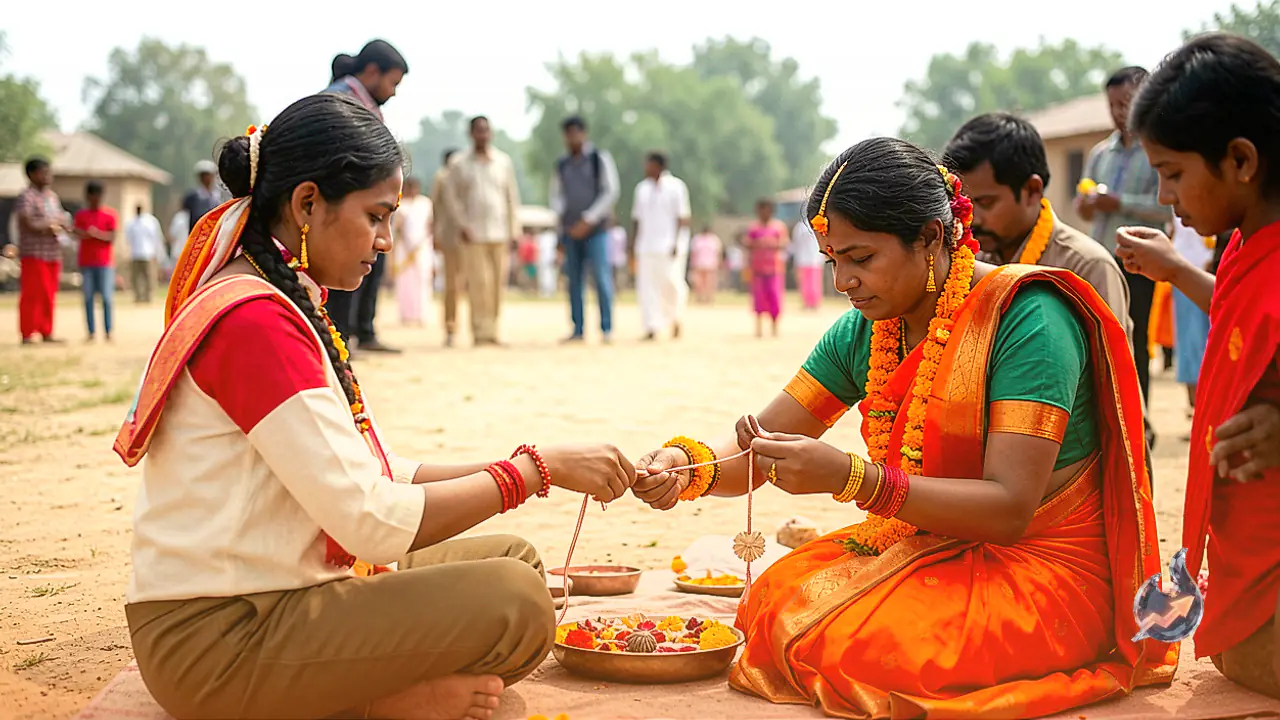
The title Kojagari carries deep metaphysical significance rooted in a simple phrase meaning who is awake. Ancient beliefs hold that on this specific night, Goddess Lakshmi descends upon the mortal realm to observe her devotees and evaluate their wakefulness. She bestows her divine blessings upon those who transcend worldly slumber to engage in prayer, contemplation, and devotion. This spiritual vigil serves as a test of dedication and steadfastness. Believers spend the twilight and midnight hours singing sacred verses and maintaining mental alertness, welcoming the goddess into clean, illuminated homes to dispel scarcity and invite lifelong grace.
A Sixteen-Phased Moon and Celestial Nectar
Astronomically and spiritually, this autumn full moon marks a rare celestial phase. During this night, the moon comes closest to Earth, shining in its full sixteen lunar phases or kalas. The resulting silver moonlight is traditionally regarded as carrying divine nectar. Folk tradition and ancient customs dictate that leaving a bowl of freshly prepared sweet rice pudding out in the open allows it to absorb the pure luminescence of the sky. Far from being a mere symbolic ritual, this practice represents a conscious effort to harmonize food with ambient atmospheric and cosmic conditions.
Ayurvedic Roots and Enhanced Medicinal Value
Practitioners of traditional medicine and Ayurveda anticipate this night throughout the calendar year. Healing herbs, restorative plants, and therapeutic formulations are intentionally exposed to the direct lunar rays during the nocturnal hours. According to classical understandings, this prolonged exposure under the open sky increases the potency and curative properties of medicinal plants up to four times. The same principle applies to the preparation of sweet kheer, which absorbs the soothing coolness and vital energy of the lunar rays, effectively transforming into a restorative food that aids well-being when consumed as morning prasad.
Scriptural Citations from Ancient Puranas
The practice of preparing kheer and presenting it to deities on this full moon is explicitly documented in canonical scriptures such as the Padma Purana and the Skanda Purana. In these texts, kheer is celebrated as an emblem of sacred purity, abundance, and holistic well-being. The harmonious fusion of milk and rice symbolizes nourishment and the vital gift of grain. Scriptures affirm that preparing this offering with sincerity and presenting it before the moon and Goddess Lakshmi brings inner serenity and lasting health to the entire household. It is viewed not merely as a dish, but as a deliberate offering of reverence.
Nutritional Synergy of Wholesome Ingredients
Complementing its sacred role, the traditional recipe of kheer represents a powerhouse of everyday nutrition. It brings together milk, rice, saffron, almonds, cashews, and pistachios in a deliberate balance. Milk contributes essential proteins, calcium, and vital vitamins necessary for bone density and physical endurance. Rice delivers dietary fiber, iron, folic acid, magnesium, and potassium. Saffron and dry fruits provide essential micronutrients and healthy fats. Because the preparation requires patient, slow simmering, the properties of these wholesome ingredients blend completely, creating a dessert that nurtures physical health just as deeply as it enriches festive faith.