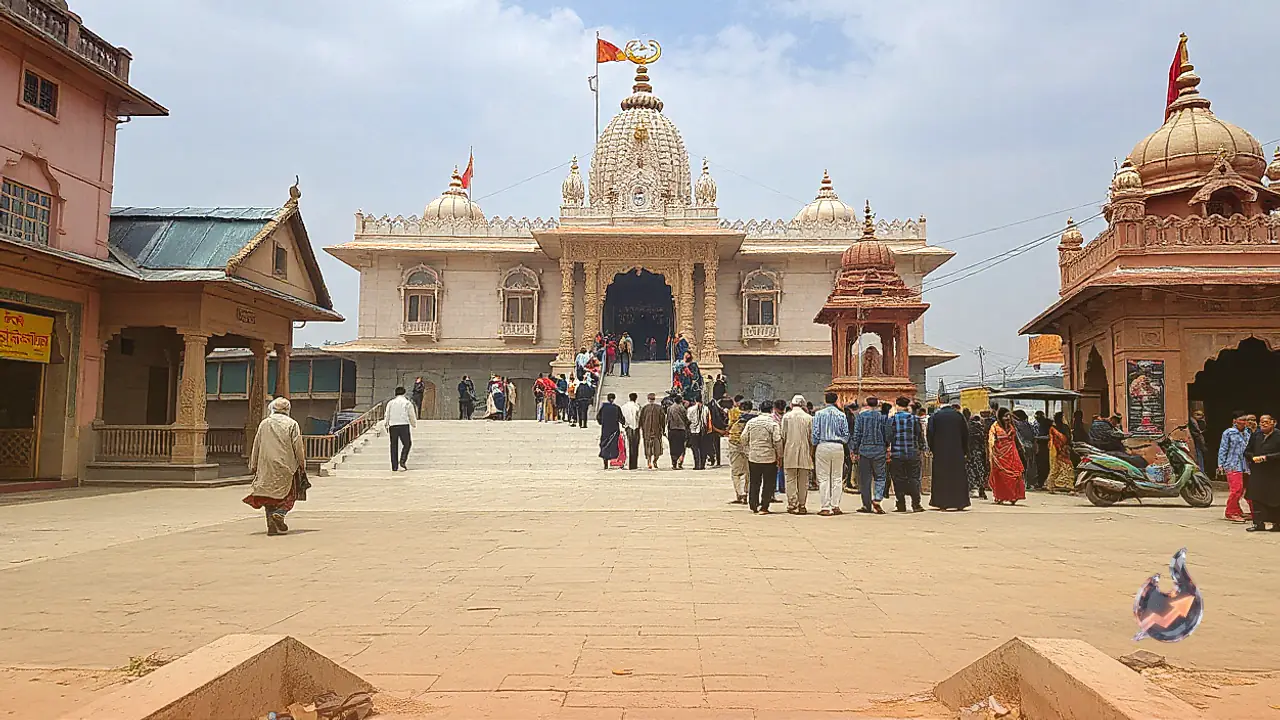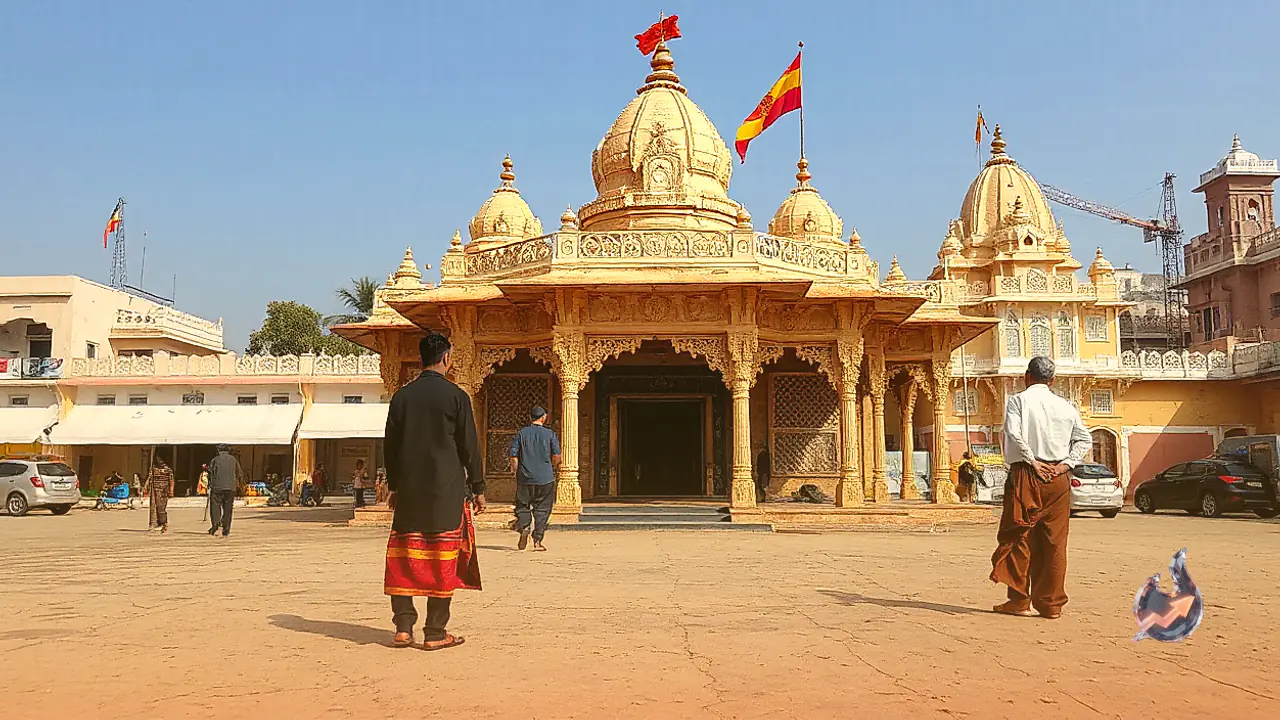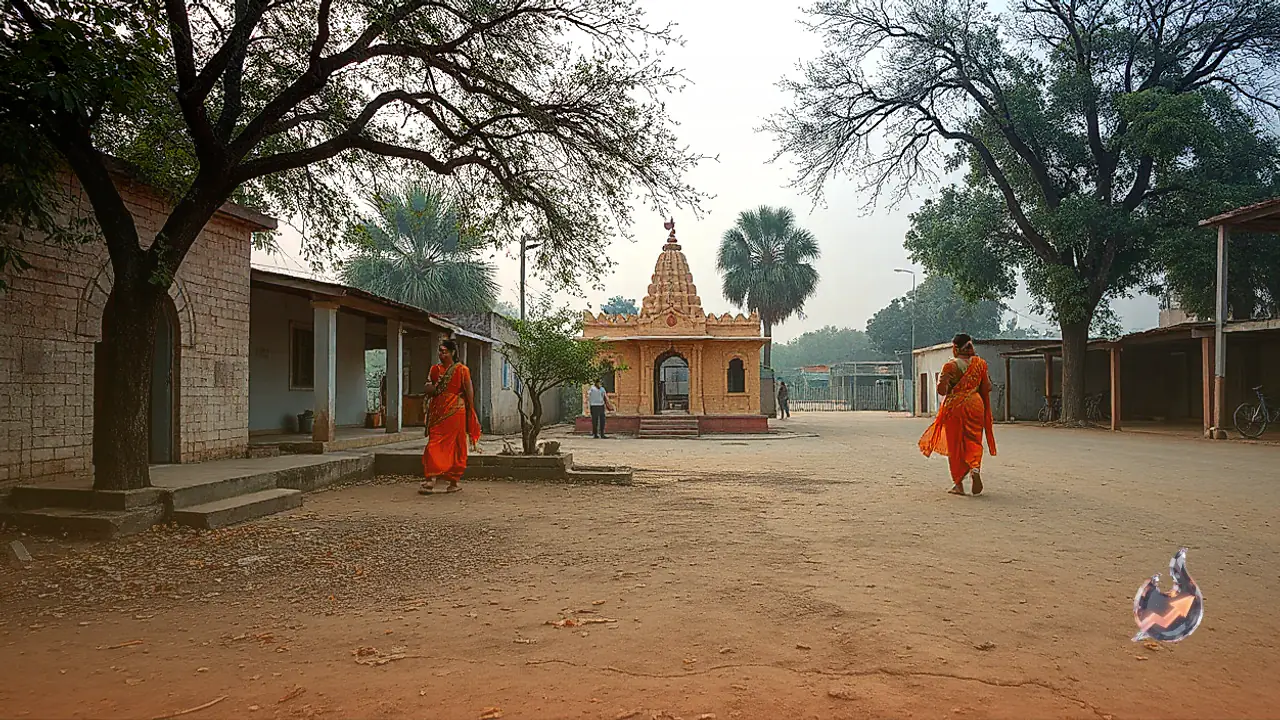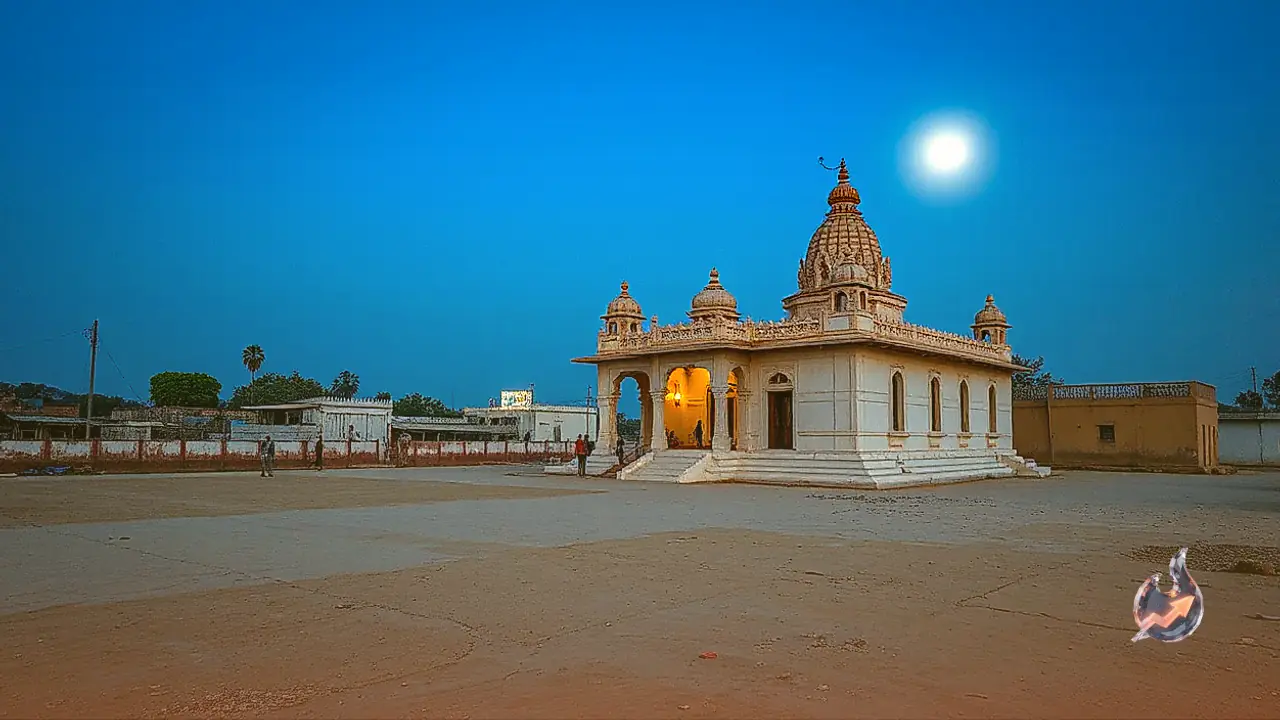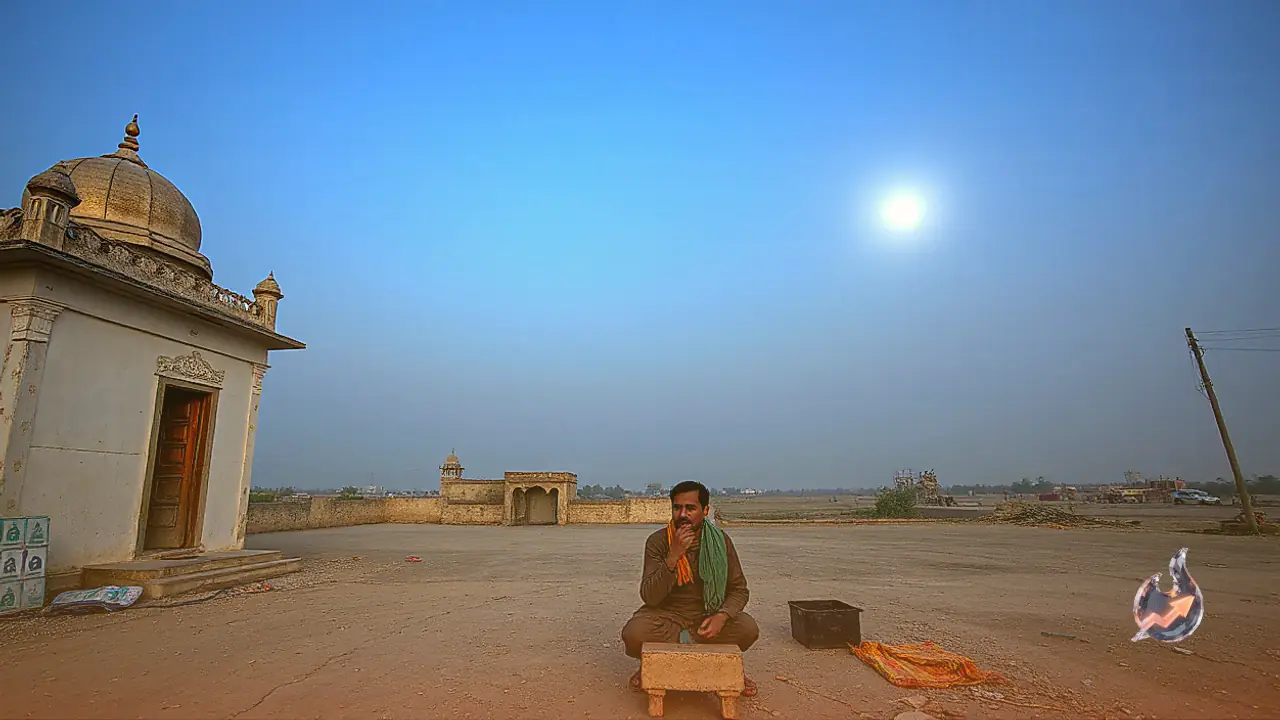

























Located on Railway Station Road in Farrukhabad, Uttar Pradesh, the ancient Pandeshwar Nath Temple carries a deep historical connection to the Mahabharata era. This revered shrine is not only a major center of faith for local devotees but also stands as a living testament to events from ancient Indian lore. Tradition holds that during their period of exile, the five Pandava brothers arrived in this region alongside their mother, Kunti, leading to the consecration of multiple sacred Shiva lingams across the area.
The Arrival of the Pandavas in Ancient Farrukhabad
Centuries ago, long before the present city of Farrukhabad was founded, the region was blanketed by dense, sprawling forests. According to Mahant Umesh Sharma of the Pandeshwar Nath Temple, the Pandavas journeyed through these lands during their period of forest exile. Near the edge of these woodlands lay a modest settlement inhabited by potters. Mother Kunti and her five sons sought shelter in this potters' hamlet and spent a considerable amount of time residing among the locals.
Kunti's Command and the Installation of Five Shiva Lingams
While residing in the settlement, Mother Kunti expressed a desire to perform dedicated prayers and rituals to worship Lord Shiva. She requested her sons to retrieve Shiva lingams suitable for performing religious ceremonies. Honoring their mother's instructions, all five brothers set out in different directions across the surrounding region.
Yudhishthira was the first to return with a Shiva lingam. Sage Dhaumya, who was present at the location, consecrated and installed this lingam in the presence of the Pandavas. Today, this primary deity is revered as the core idol of the Pandeshwar Nath Temple. The remaining four brothers also returned with lingams, which were consecrated at distinct historical sites
- Bhimsen's Lingam: Installed along the pathway leading toward the holy River Ganga.
- Arjuna's Lingam: Consecrated at the site now known as the Tameshwar Nath Temple.
- Nakula's Lingam: Installed and worshipped under the name Kotwaleshwar.
- Sahadeva's Lingam: Established in the historical town of Kampil.
Sage Dhaumya's Hermitage and Historical Significance
Historical and mythological accounts note that the fort of King Drupad stood along the banks of the Ganga during this era, close to the ashram of Sage Dhaumya. The Pandavas spent an extended period residing in this spiritually prominent area. Within the present temple complex, an ancient sacred fig tree (Peepal) and a raised platform mark the location where the Pandavas originally established the Shiva Jyotirlinga. Additionally, three ancient wells constructed during that era to meet daily water requirements remain preserved within the temple grounds.
Modern Traditions and Spiritual Devotion
The Pandeshwar Nath Temple continues to attract immense devotion from residents across the region. Local devotees regularly travel to nearby Panchal Nagari to collect sacred water from the River Ganga, which they then carry back to perform the traditional Rudrabhishekar ritual at the temple. Thousands of pilgrims visit the shrine daily, bound by the long-held belief that Lord Shiva fulfills the sincere prayers and wishes of all who pay homage at this sacred abode.