























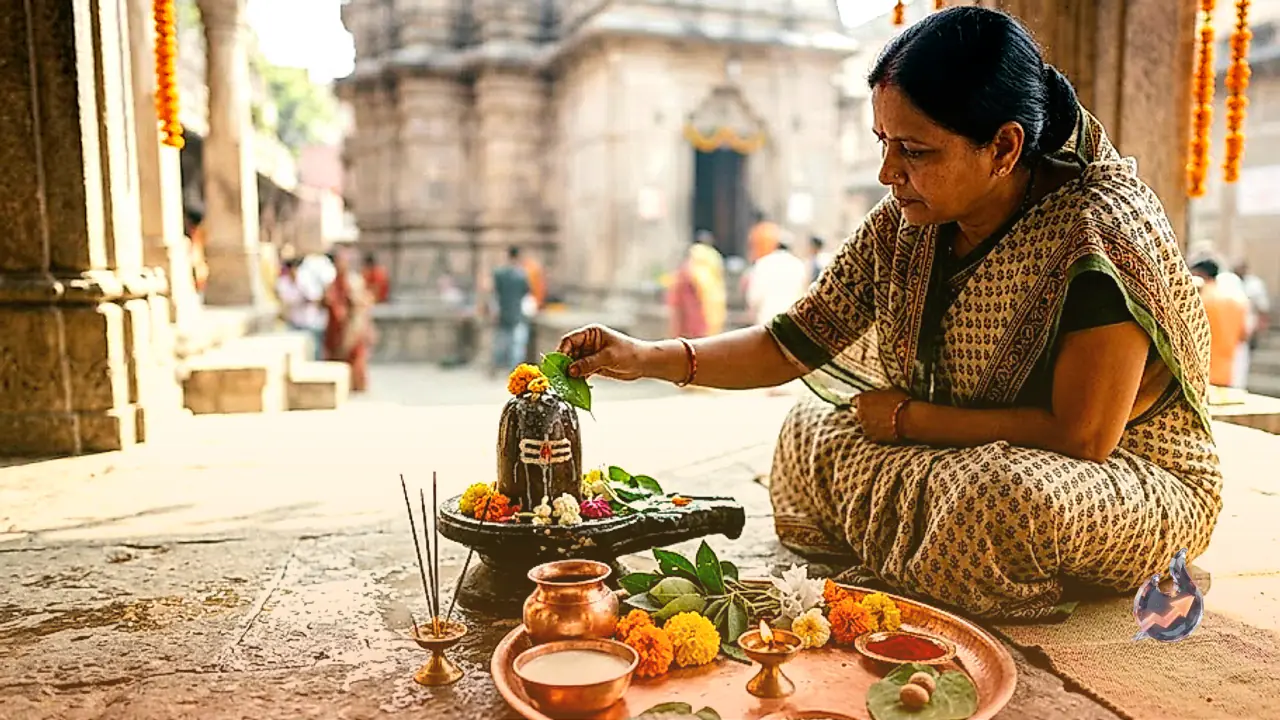

In the traditions of Sanatan culture, performing Rudrabhishek is regarded as the supreme method to worship Lord Shiva. The sacred ritual involves bathing the Shivalinga using powerful Vedic Rudra mantras. Especially during the holy month of Sawan, devotees of Shiva observe this ritual with utmost devotion and traditional procedures. Ancient scriptures like the Rigveda, Yajurveda, and Samaveda describe the verses of Rudrabhishek, highlighting that ritual bathing is exceptionally dear to Shiva. It is widely believed that those who perform Rudrabhishek with a sincere heart during Sawan have all their wishes fulfilled. Before embarking on this sacred ceremony, keeping an organized checklist of every required item ensures the worship proceeds without any obstacles.
Complete Checklist of Rudrabhishek Puja Items
Whether you are setting up the ritual at home or performing it under the guidance of a priest, having all necessary items ready is essential. This comprehensive inventory covers every article traditionally offered to the deity.
- Shivalinga (if performing the ritual at home)
- Water and Gangajal
- Raw milk
- Curd
- Desi ghee
- Honey
- Sugar
- Fruit juice including sugarcane juice, sweet lime juice, or coconut water
- Bhasma (sacred ash)
- Sandalwood paste in white or red
- Akshat consisting of whole, unbroken grains of rice
- Abeer, gulal, kumkum, and turmeric
- Bel leaves numbering at least 11 or 21
- Shami leaves
- Datura and swallowwort flowers
- Bhang
- Fresh flowers and garlands including oleander, crown flower, or night-flowering jasmine
- Janeu or yajnopavita in 1 or 2 pairs
- Mouli or red sacred thread
- Roli
- Betel nut
- Betel leaves along with cloves and cardamom
- Incense sticks and dhoop
- Earthen lamps and pure cow ghee for aarti and the eternal flame
- Cotton wicks
- Matches
- Shringi vessel used for pouring water gracefully over the Shivalinga
- Camphor
- Ittar or traditional perfume
- Prasad offerings featuring seasonal fruits, sweets, peda, or panchamewa
- Coconut filled with water
- Copper vessel, panchapatra, and achmani spoon
- Large metal tray or basin to place the Shivalinga and collect the abhisheka water
- Clean cloth for gently wiping the Shivalinga
- Dakshina offering for the priest
- Makeup items and ornaments offered to Goddess Parvati
- Kusha grass
- Wooden platform or chowki for the ritual setup
- Traditional dhoti and gamcha intended for Lord Shiva
Various Methods of Performing Rudrabhishek
According to scriptural traditions, Rudrabhishek can be conducted using several distinct liquids depending on the devotee's specific intentions. Beyond simple water, rituals involve pouring curd, raw milk, honey, and sacred Gangajal. Additional offerings include sugar, bhang, sacred ash, panchamrit composed of five nectars, pure ghee, and fresh sugarcane juice.
Best Times and Auspicious Dates for Rudrabhishek
Certain specific days during Sawan carry heightened spiritual significance for conducting Rudrabhishek. Mondays of Sawan, Pradosh Vrat, Shivaratri, and Nag Panchami are regarded as the most auspicious occasions. If circumstances prevent participation on these exact dates, devotees may perform the sacred ritual on any day that aligns with their personal faith and convenience. For additional reference material, practitioners can access the Sawan Rudrabhishek Samagri List PDF Download guide.