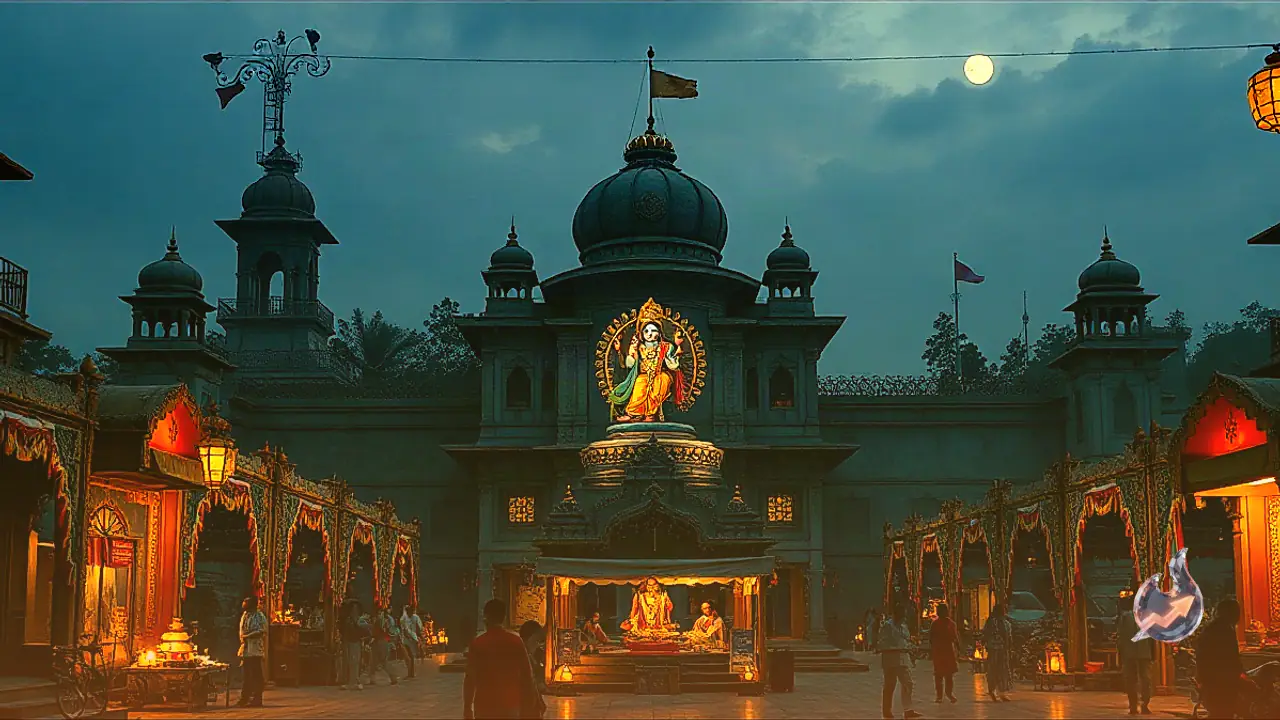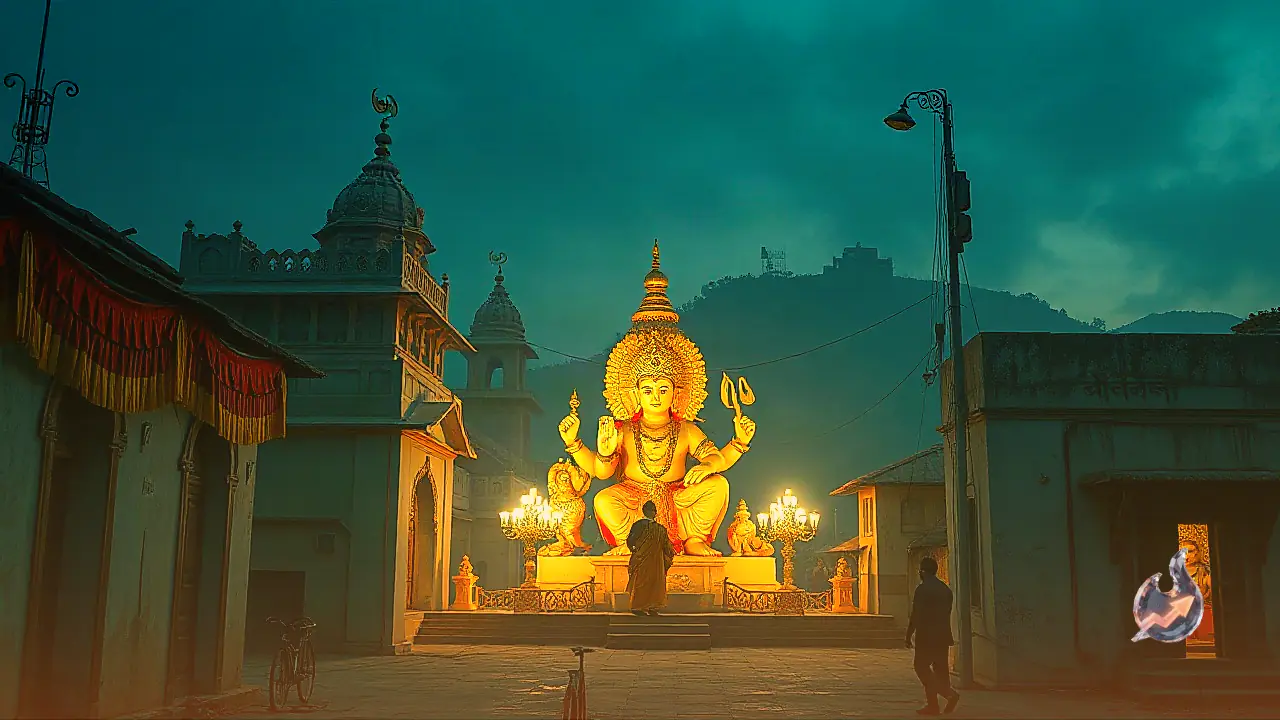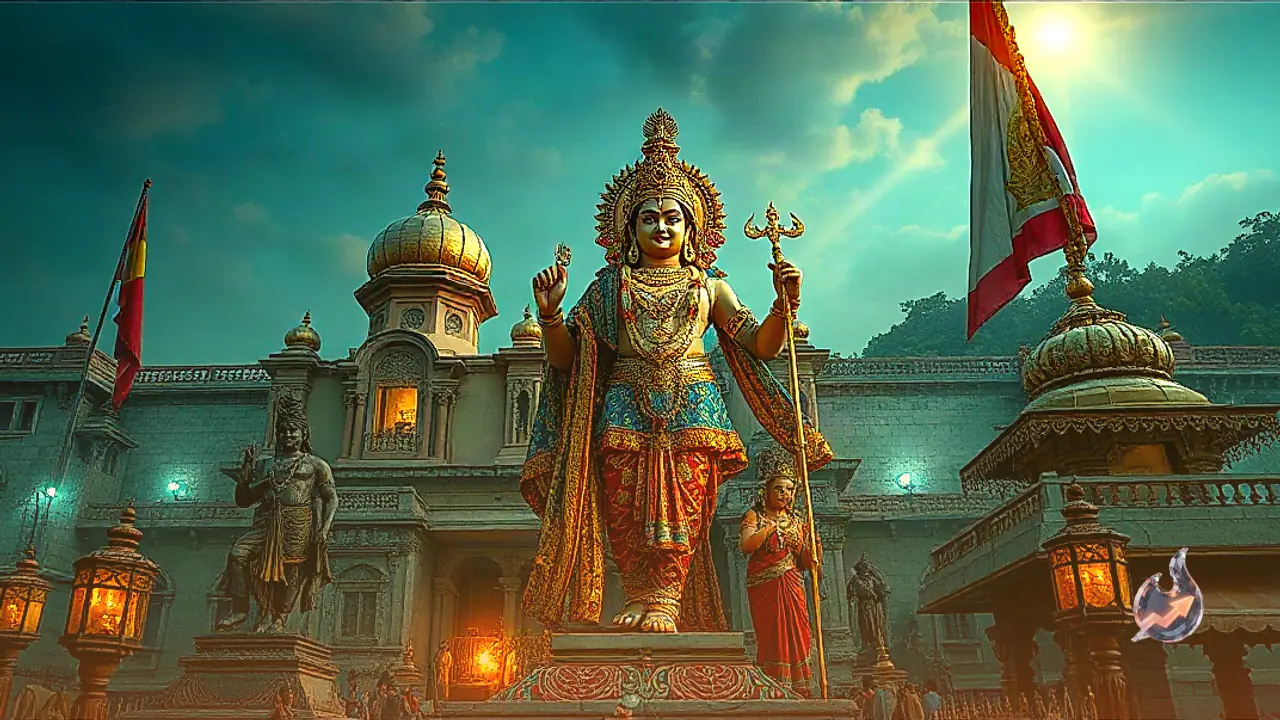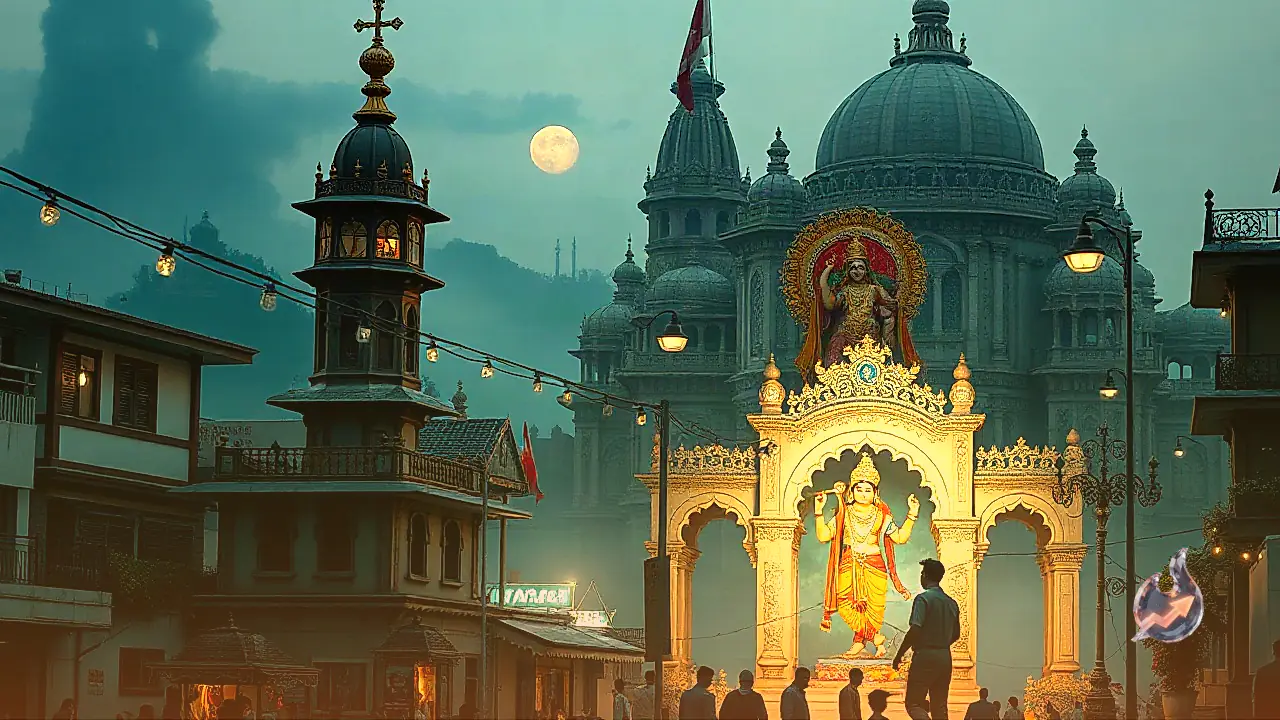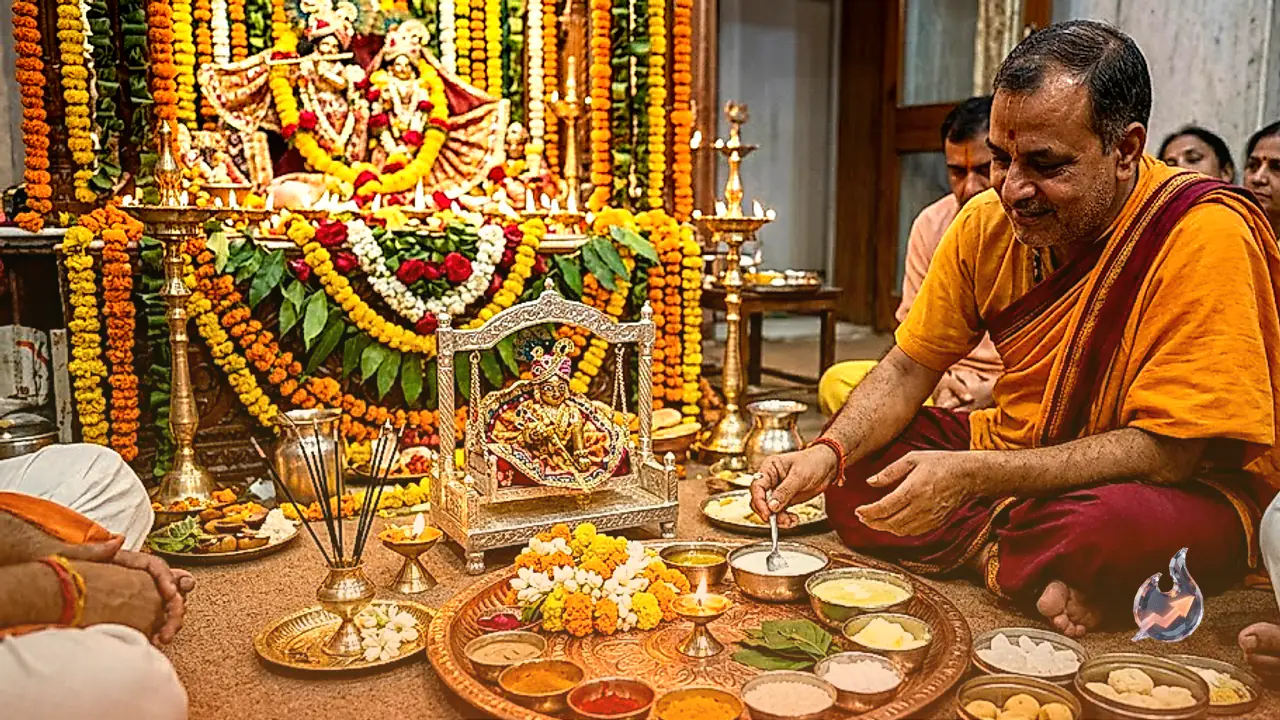






















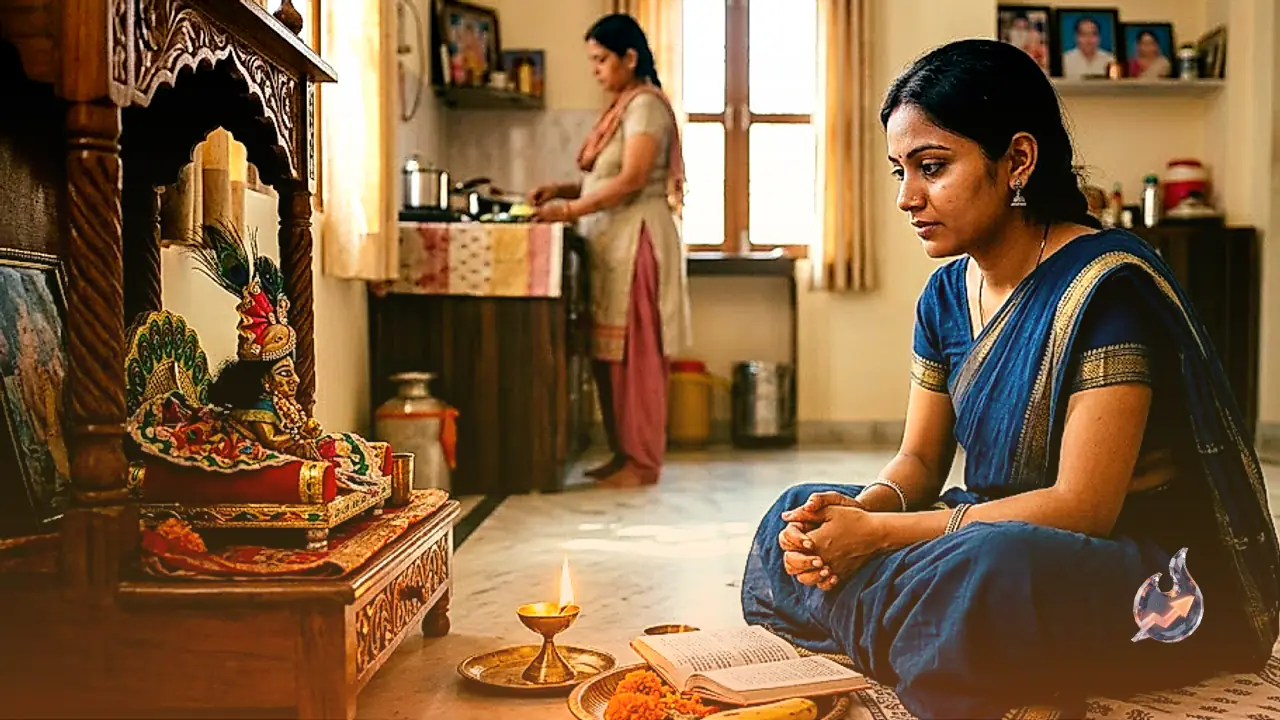

The auspicious festival of Shri Krishna Janmashtami, celebrated on the Ashtami tithi of the Krishna Paksha in the month of Bhadrapada, falls this year on Friday, 4 September. On this sacred occasion, devotees observe fasts with immense devotion and offer elaborate prayers to Laddu Gopal in their homes. However, many women experience confusion when their menstrual cycle coincides with the festival. Questions naturally arise regarding whether one can observe a fast during periods, how to perform the rituals for Bal Gopal, and what precautions should be taken when preparing holy offerings. According to classical guidelines and traditional practices, clear directions exist that allow women to fulfill their spiritual vows while keeping their health and family customs in mind.
Physical Capacity and the Sacred Vow of Fasting
In traditional spiritual practice, a fast is fundamentally based on devotion, pure intent, and spiritual resolve rather than physical compulsion. Menstruation is a completely natural biological process. Consequently, deciding whether to keep a fast during periods depends primarily on a woman's physical stamina, overall health, and personal faith. If a woman feels healthy and experiences no discomfort, she may observe a fruit diet fast or a standard fast according to her comfort level. Conversely, if she suffers from physical weakness, severe pain, or other health issues, choosing not to fast is considered entirely appropriate and scripturally valid. Safeguarding one's health remains essential, and genuine devotion held within the heart is what truly matters to the Almighty.
Methods for Worshipping Lord Krishna During Menstruation
Ritual practices during menstruation vary depending on domestic customs and spiritual traditions. Some traditional households adhere to customs where women avoid entering the main prayer space or handling sacred ritual items during their cycle. In contrast, many families and religious lineages do not observe any universal prohibition of this nature. Devotees are encouraged to respect their specific household traditions. Furthermore, ancient scriptures assign a higher spiritual status to mental worship than to external physical rituals. On the morning of Janmashtami, women can take a mental resolve and sit peacefully with closed eyes, visualizing the ceremonial bath, adornment, and worship of Bhagwan Shri Krishna. Throughout the day, one can mentally chant the sacred mantra Om Namo Bhagavate Vasudevaya, meditate on Bal Gopal, and sing or listen to devotional kirtans without restriction.
Guidelines for Serving Laddu Gopal and Seeking Family Assistance
Special care is recommended when attending to Laddu Gopal at home during periods. If your family tradition permits handling the deity idol during menstruation, you may continue your routine worship without hesitation. However, if household customs restrict direct contact with the idol, physical service can be conveniently delegated to another family member. At midnight 12 PM, marking the birth of Lord Krishna, another family member can perform the ceremonial abhishek, dress Bal Gopal in fresh clothes, and arrange the altar. The devotee can participate from a slight distance or offer guidance while family members present the holy bhog, fresh flowers, Tulsi leaves, and lit lamps to the deity.
Scriptural Norms for Preparing Sacred Bhog Offerings
Astrological and religious guidelines also outline specific protocols for preparing sacred food offerings during menstruation. If a woman is experiencing periods during the festival, she is advised not to personally prepare traditional offerings like Makhan-Mishri, Panjiri, or Pag. Instead, she can instruct and guide other family members on the recipes and proper preparation methods. The bhog prepared by family members with purity and devotion is offered to Bhagwan Shri Krishna during the midnight rituals, after which all family members and fasting devotees can partake of the consecrated prasad.
Embracing Biological Reality and Pure Devotion
The core message emphasizes viewing menstruation as a healthy biological function rather than a condition of spiritual impurity. Bhagwan Shri Krishna values sincere faith, emotional connection, and purity of heart far above rigid external rituals. On Janmashtami, making informed decisions based on one's physical health, personal conviction, and family heritage ensures a peaceful and spiritually enriching celebration.