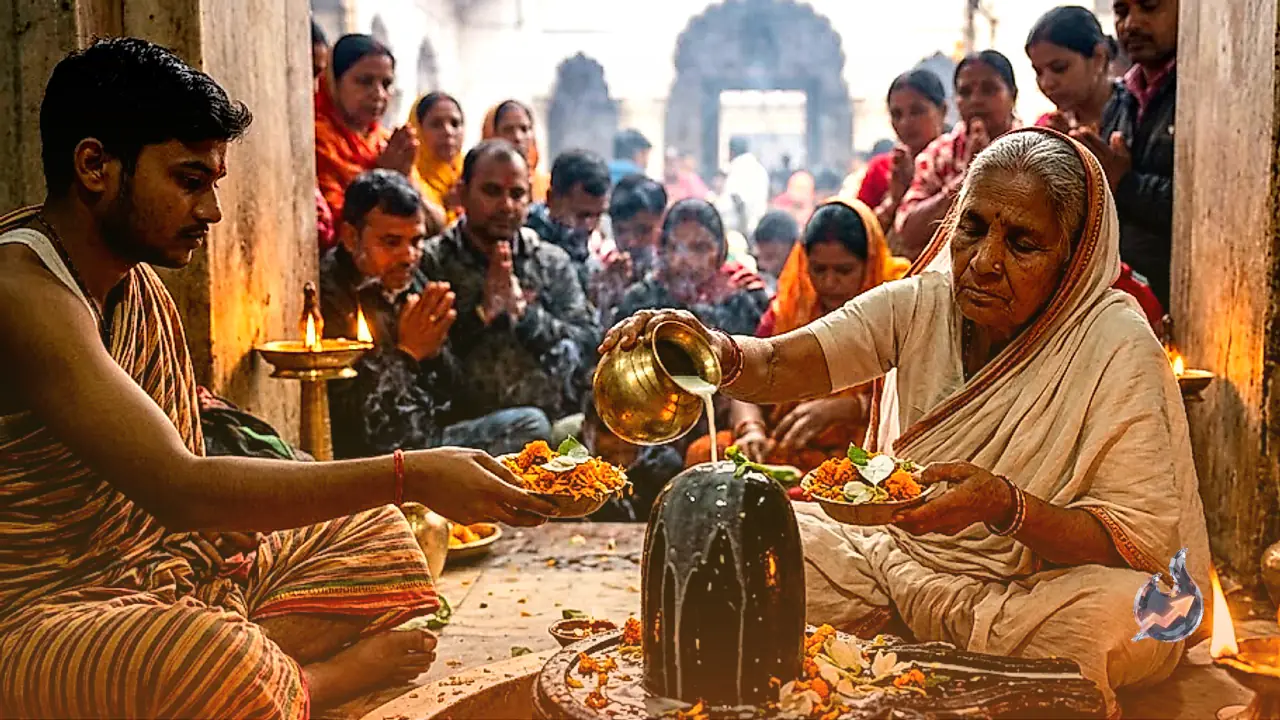





















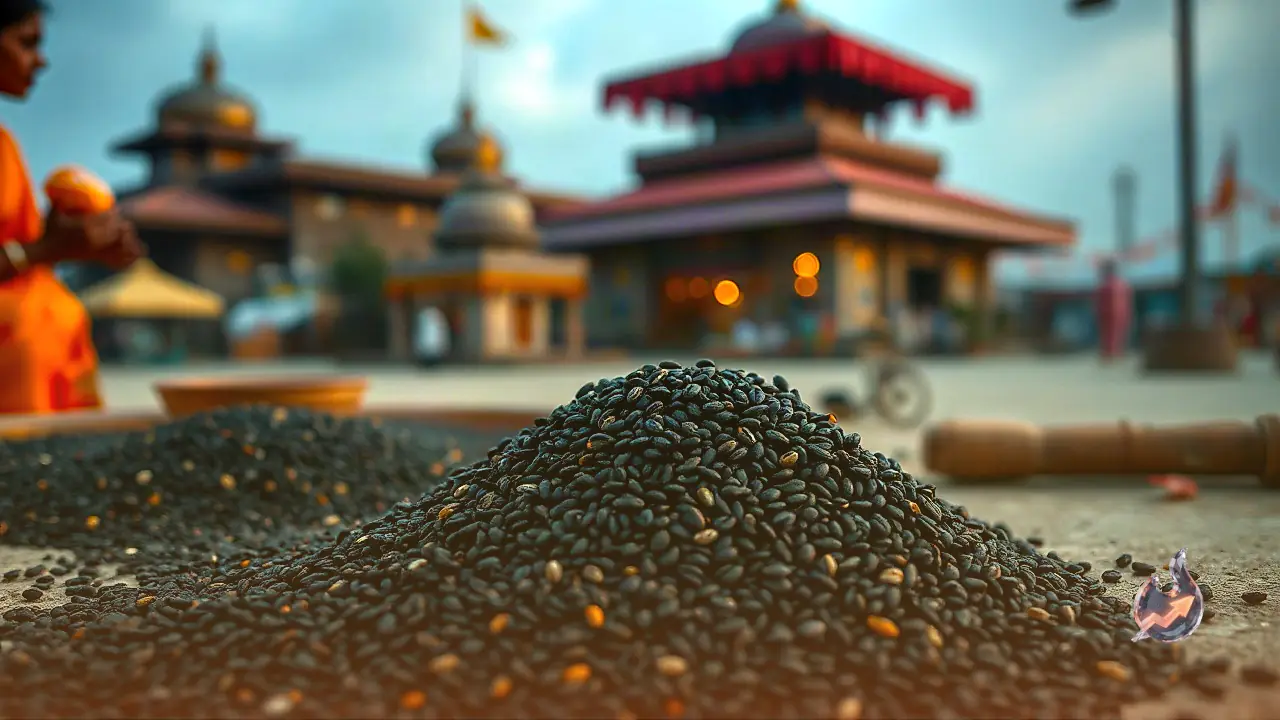

Pitru Paksha is an essential annual fortnight dedicated to honoring departed ancestors and expressing gratitude toward one's lineage. In 2026, this observance commences on Sunday, September 27, and concludes on October 10 with the observance of Sarvapitri Amavasya. Over these fifteen days, families perform shraddha, tarpan, and various charitable offerings of water, food, and clothes to ensure peace and liberation for ancestral souls. Central to all these ceremonial practices is a single indispensable ingredient: black sesame seeds. Sacred tradition dictates that any shraddha, water libation, or charitable act performed without black sesame seeds fails to reach the ancestors, rendering the sacred duties incomplete and leaving the ancestors unsatisfied.
Divine Origin Connected to Lord Vishnu
According to ancient religious texts, black sesame seeds carry an extraordinary spiritual pedigree. Sacred lore describes their origin from the divine perspiration of Lord Vishnu, giving them an exceptionally pure and sanctified status in ritual practices. Because of this direct connection to the preserver deity, offerings made with black sesame seeds are believed to appease ancestors with remarkable swiftness. While useful in various worship rituals, their presence becomes mandatory during the ancestral rites of Pitru Paksha to ensure the offerings carry the highest level of sanctity.
Astrological Significance for Shani, Rahu, and Ketu
From an astrological perspective, black sesame seeds hold a powerful correspondence with specific celestial influences, primarily the planet Saturn along with the lunar shadow nodes, Rahu and Ketu. Donating black sesame seeds during shraddha rites helps pacify deep astrological afflictions such as Pitru Dosha and Saturn-related afflictions. Furthermore, performing charitable acts and water libations with these seeds softens the harsh impacts associated with Saturn's Sade Sati and Dhaiya phases. By mitigating these planetary hardships, the practice helps clear persistent obstacles from daily life, fostering stability, prosperity, and an influx of constructive energy into the home.
Purification and Protection Against Negative Forces
An important spiritual property attributed to black sesame seeds is their ability to absorb inauspicious and negative vibrations from the surrounding space. When conducting ancestral rites, incorporating black sesame seeds purifies the entire ritual precinct, repelling disruptive spiritual forces. Blending black sesame seeds into the water used for tarpan eliminates lingering negative currents in the vicinity. This purification establishes an auspicious setting that welcomes ancestral blessings and allows the family to conduct the ceremonies with complete spiritual safety.
Direct Delivery of Offerings to Ancestors
A longstanding religious premise explains why black sesame seeds must accompany all ancestral food and water offerings. It is believed that libations and meals offered without sesame seeds can be intercepted and consumed by malevolent or wandering spirits before reaching their intended recipients. Conversely, when water and food are sanctified with black sesame seeds, negative entities cannot lay claim to the offering, ensuring that the oblations reach the intended ancestors directly. This direct transmission grants peaceful contentment and assists the departed souls on their journey toward spiritual liberation.
Essential Guidelines for Charity During the Fortnight
Scriptures stress that regardless of what material items are donated during Pitru Paksha, black sesame seeds should accompany the charity. Whether gifting food, fabrics, or essentials to those in need, pairing the gifts with black sesame seeds ensures the spiritual merit of the act. Mixing black sesame into tarpan water and distributing them to the needy remains one of the simplest and most accessible measures to secure ancestral goodwill. Forgetting or omitting black sesame seeds during shraddha rituals is regarded as a notable oversight, as offerings made without them are believed to remain unaccepted by the ancestors.