


















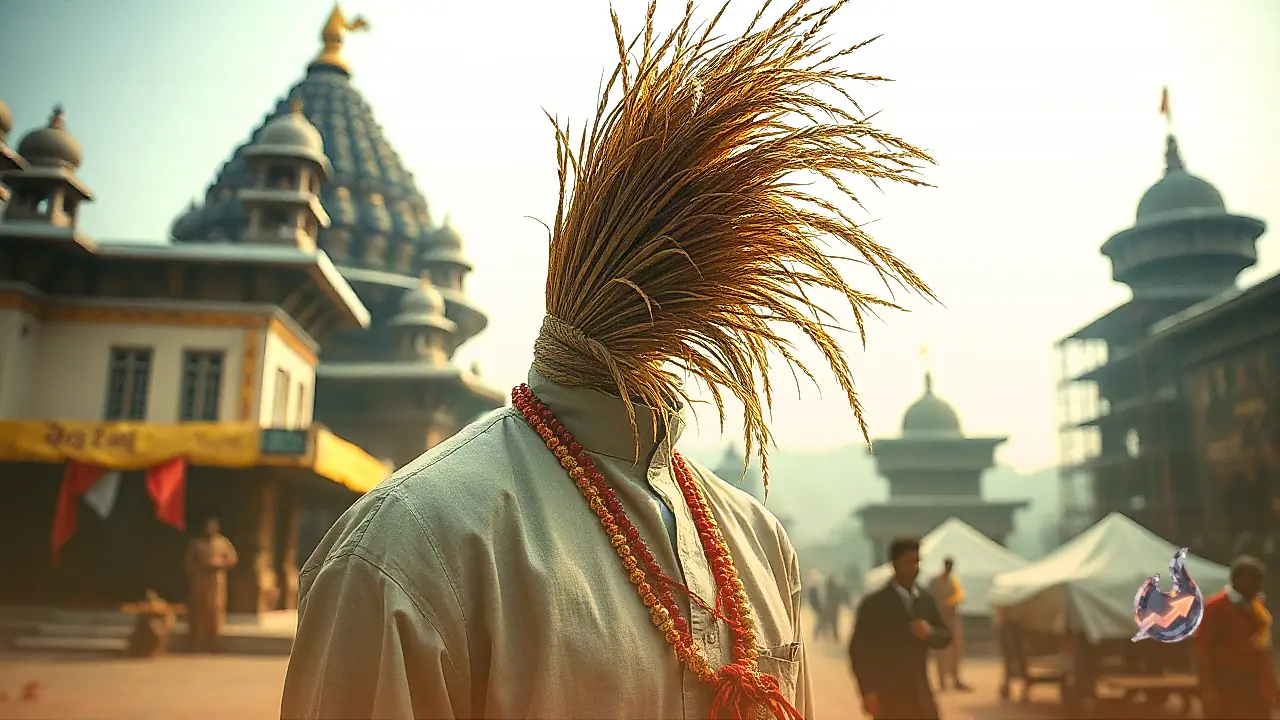

Pitru Paksha holds an extraordinary place in Sanatan traditions as a dedicated fortnight honoring deceased ancestors. Across these fifteen days, families perform shraddha, tarpan, and pinda daan to bring peace, solace, and liberation to the departed souls of their lineage. A distinct and customary sight during these rituals is a unique ring woven from kusha grass worn on the finger of the person leading the offerings. The ritual requirement of donning this ring, its scriptural importance, and the practical and spiritual effects it carries form a vital part of Vedic ceremonial knowledge.
The Sacred Nature of Kusha Grass and the Pavitri Ring
Scriptural customs emphasize that internal and external purity of body and mind is the fundamental prerequisite before performing sacred acts like pinda daan and tarpan. Traditional beliefs regard kusha grass as exceptionally sacred, leading to its widespread use across diverse religious ceremonies and Vedic offerings. The circular ring carefully crafted from this dried sacred grass is known as a pavitri. Prescribed rituals mandate that this pavitri must be worn on the ring finger of the right hand. Wearing it helps preserve the sanctity and bodily purification of the worshipper throughout the sacred performance.
Channeling Tarpan Water and the Placement of Offerings
During the daily rites of tarpan, water offered to ancestors flows directly over and through this pavitri ring before leaving the palm. Traditional beliefs hold that water filtered across this sacred grass attains pure sanctification, granting genuine contentment and peace to the departed spirits. Pleased by such sincere and purified offerings, the ancestors bestow their blessings of harmony and well-being upon the family. For this reason, kusha grass remains central to both tarpan and pinda daan. During the ceremony of pinda daan, the sacred rice and flour pind offerings are formally placed atop beds of kusha grass before customary worship rituals commence.
Balancing the Energy Cycle and the Fortnight Schedule
Beyond ceremonial symbolism, wearing kusha grass is traditionally linked with maintaining harmony within the human body. Wearing the sacred grass helps balance the internal energy cycle of the practitioner, which in turn quiets mental agitation and fosters deep concentration. Once the physical energy cycle settles into balance, a person can set aside earthly anxieties and mundane troubles to concentrate wholly on the solemn rites. This unwavering mental absorption ensures that the religious observances yield their intended spiritual benefits. For the current calendar period, Pitru Paksha commences on 27 September and continues through 10 October.