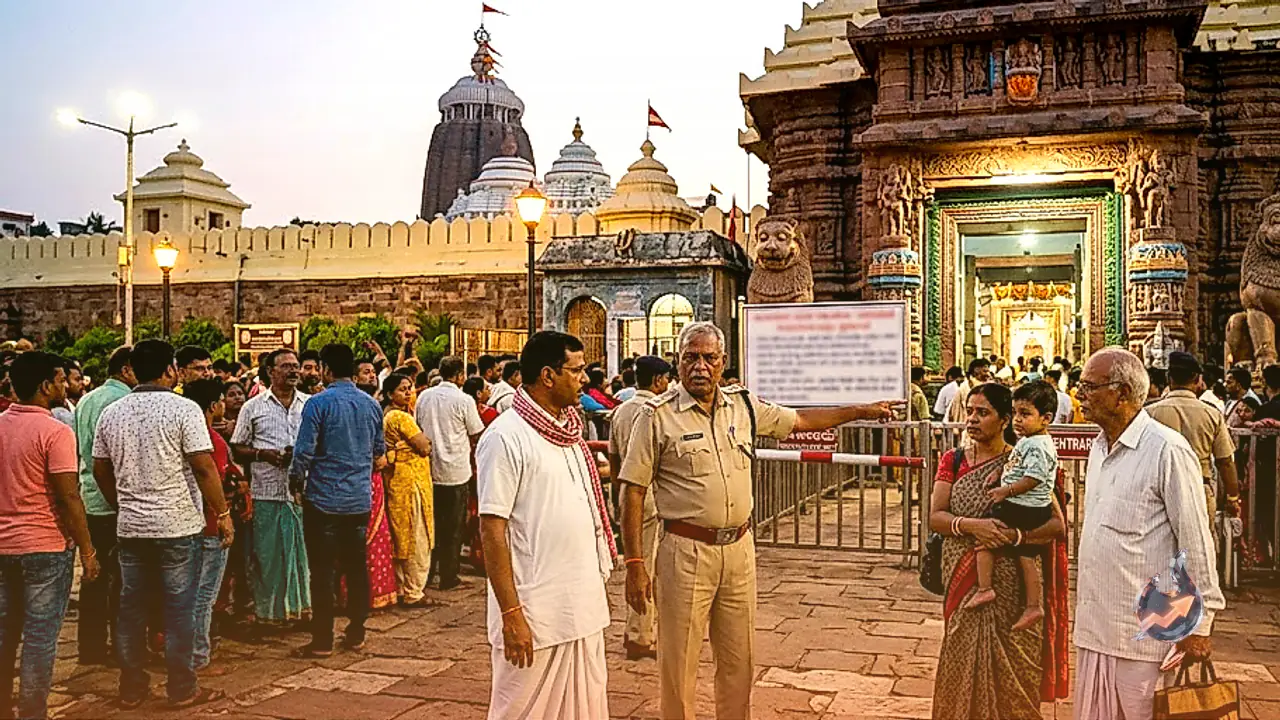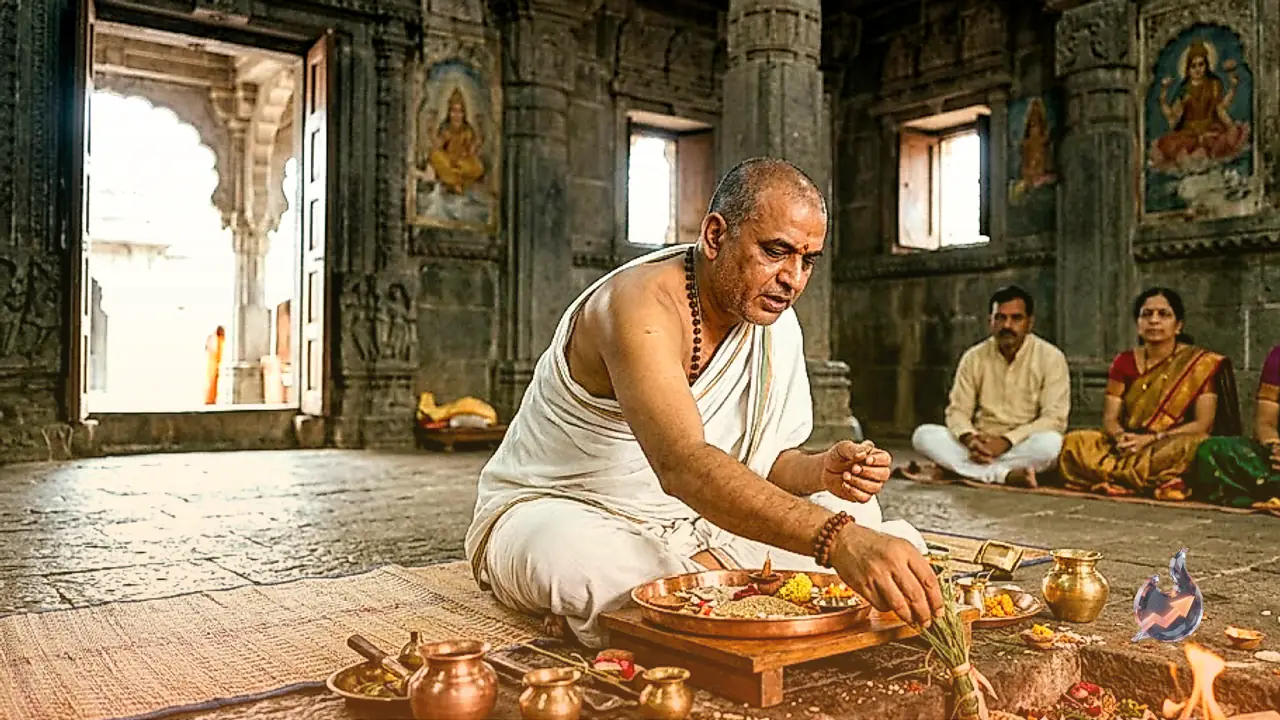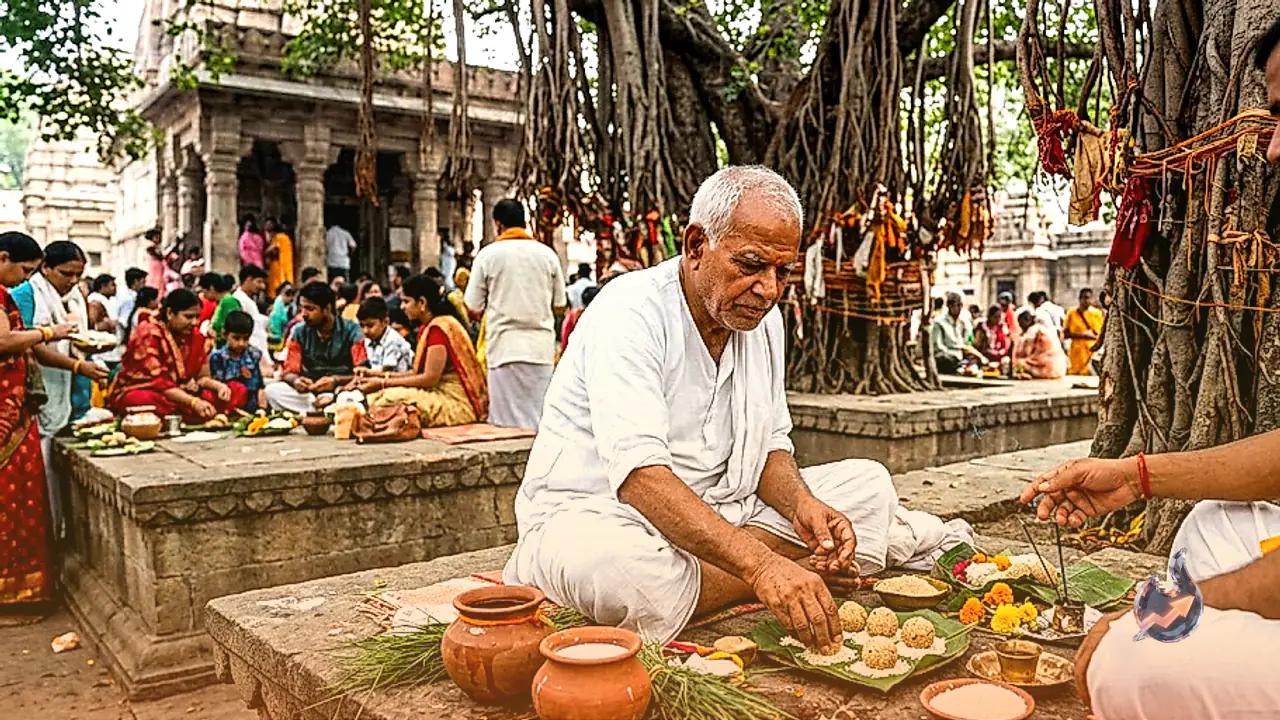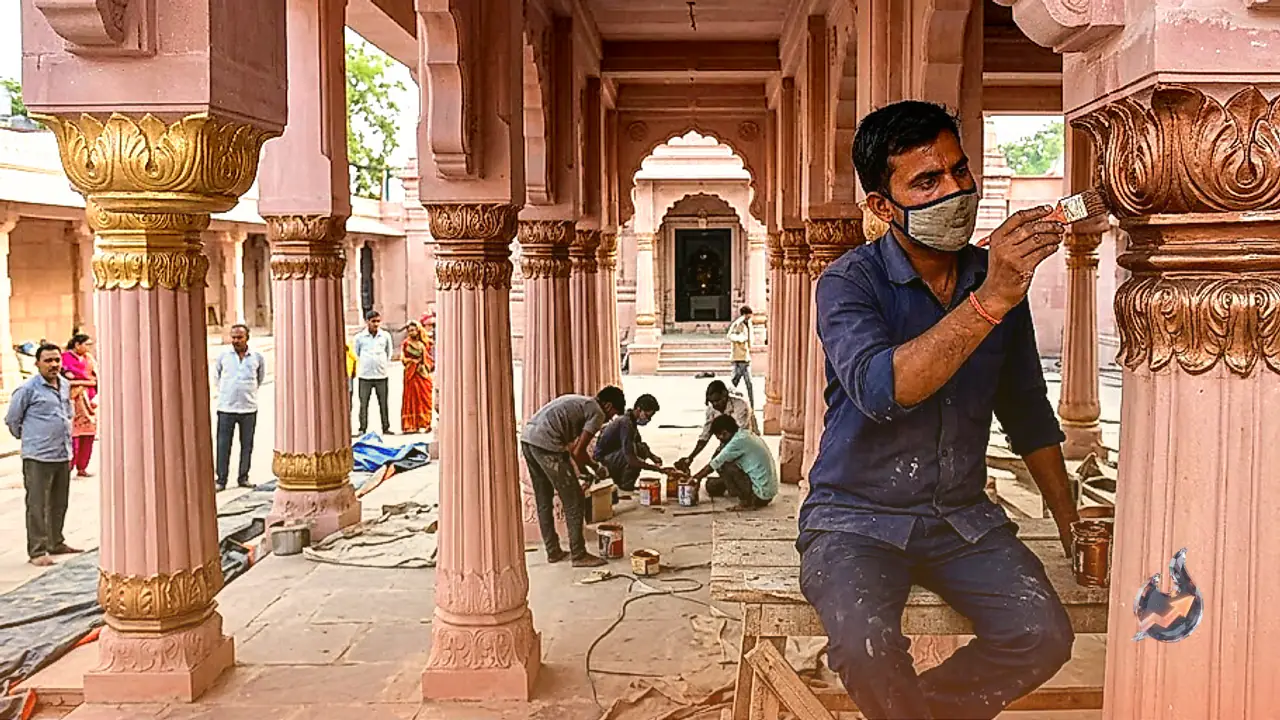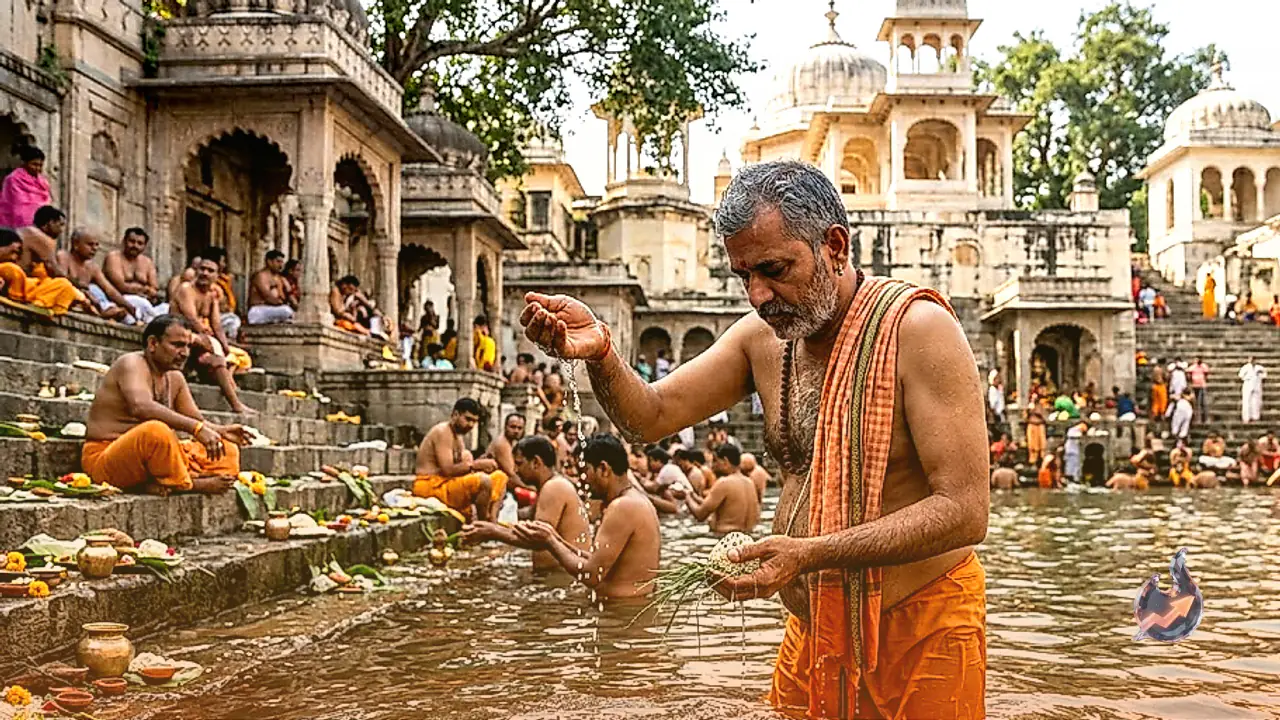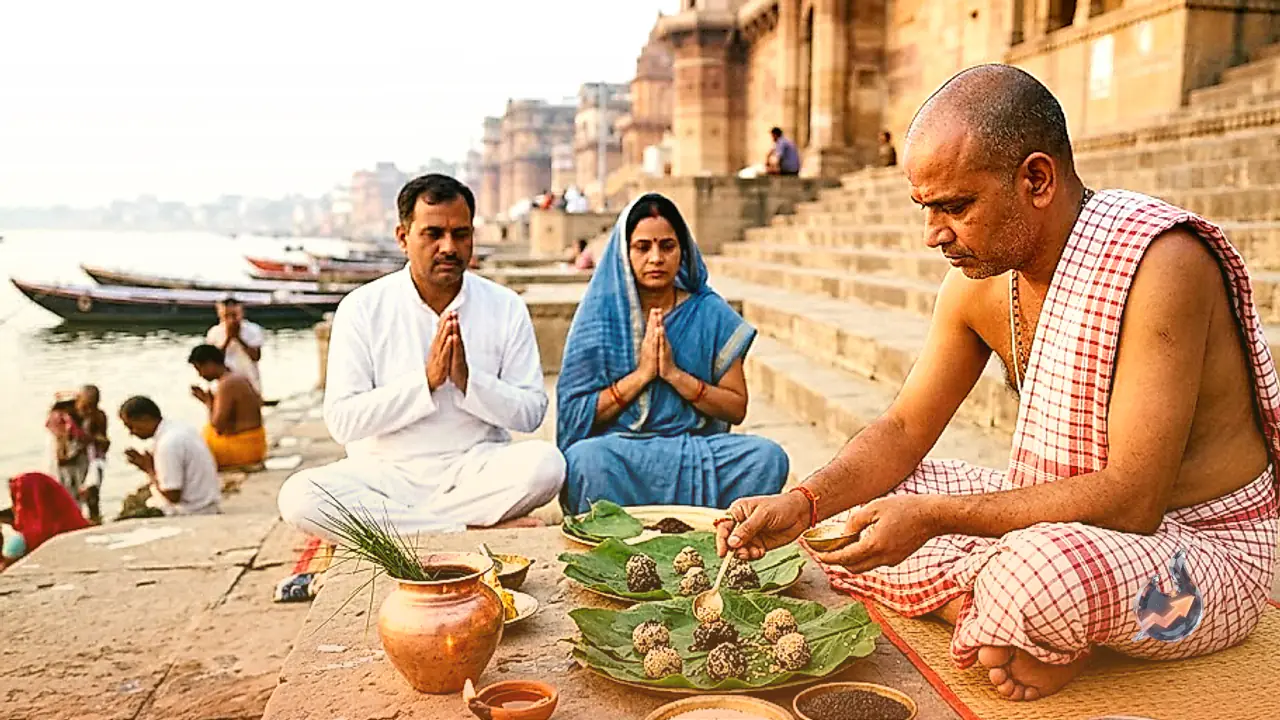























The ancient Shiv temple situated in the Paschimpuri locality of Agra, Uttar Pradesh, has become a vibrant epicenter of faith and spiritual devotion during the holy month of Sawan. Revered as a sacred shrine, the temple witnesses an extraordinary influx of pilgrims who gather to participate in traditional rituals and seek divine blessings. According to long-standing religious beliefs, performing ceremonial worship and ritualistic offerings at this revered site brings immense peace, prosperity, and the fulfillment of heartfelt wishes.
Immense Devotion Grips Shrine During Sacred Sawan Month
Throughout the auspicious period of Sawan, the temple premises brim with religious fervor from the early hours of dawn. Pilgrims from various neighborhoods across Agra as well as neighboring rural districts travel extended distances, often traversing several kilometers on foot, to reach the shrine. The entire temple atmosphere resonates continuously with traditional chants including 'Har Har Mahadev' and 'Bam Bam Bhole', creating an uplifting environment for all visiting worshippers.
Spiritual Significance and Miraculous Beliefs Surrounding the Ancient Shivling
The Paschimpuri temple holds a distinct historical and religious identity within the region. Local residents and generations of devotees regard the consecrated Shivling installed inside the sanctum sanctorum as extraordinary and miraculous. Devotees believe that sincere prayers offered at this holy site yield highly positive outcomes and spiritual clarity. While daily worship continues throughout the year, the spiritual importance of this sacred stone icon reaches its peak during Sawan.
Insights from Chief Priest Pandit Rajesh Kumar Pandey
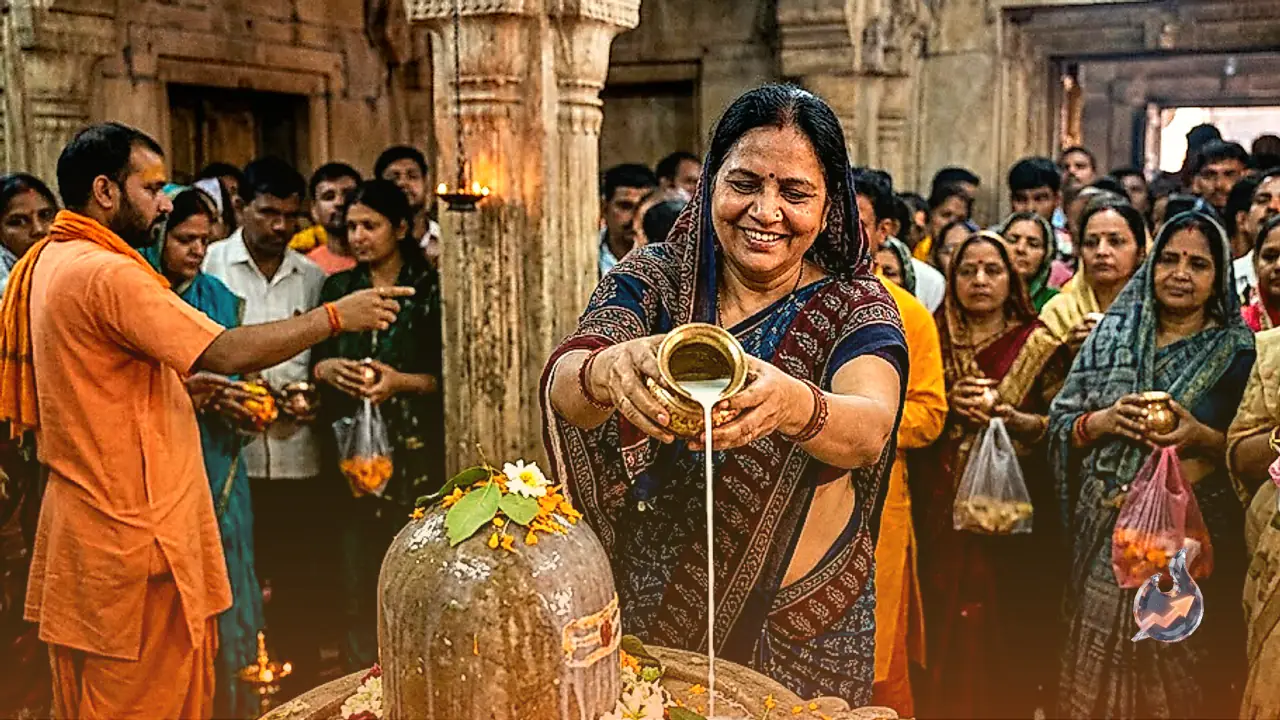
Elaborating on the temple's heritage, chief priest Pandit Rajesh Kumar Pandey highlighted that the shrine possesses a unique spiritual legacy. He noted that during Sawan, large numbers of devotees arrive not only from within Agra but also from adjacent regional territories to offer homage to Lord Shiv. Pandit Rajesh Kumar Pandey shared that worshippers travel long distances to offer holy water, fresh milk, and bael leaves onto the Shivling, praying for the health, harmony, and prosperity of their families.
Special Religious Observances Across the Four Mondays of Sawan
The four Mondays of Sawan carry exceptional religious sanctity at the Paschimpuri shrine. From early morning onwards, long queues of devotees form outside the sanctum for Jalabhishekar (water offering) and Dugdhabhishekar (milk offering). Chief priest Pandit Rajesh Kumar Pandey emphasized that according to tradition, if a devotee dedicatedly performs ceremonial worship on all four Mondays of the holy month with a pure heart, Lord Shiv fulfills their noble aspirations. Special arrangements are implemented by local volunteers to manage the smooth flow of pilgrims throughout these peak worship days.
A Pious Environment Charged with Festive Fervor
During the entire month, the surrounding precincts of the temple reflect deep religious harmony and community participation. The fragrance of fresh flowers, incense, bael leaves, and traditional offerings fills the air. The consistent gathering of worshippers reinforces the enduring cultural and spiritual heritage of Agra's Paschimpuri Shiv temple, solidifying its standing as one of the region's most cherished places of worship.