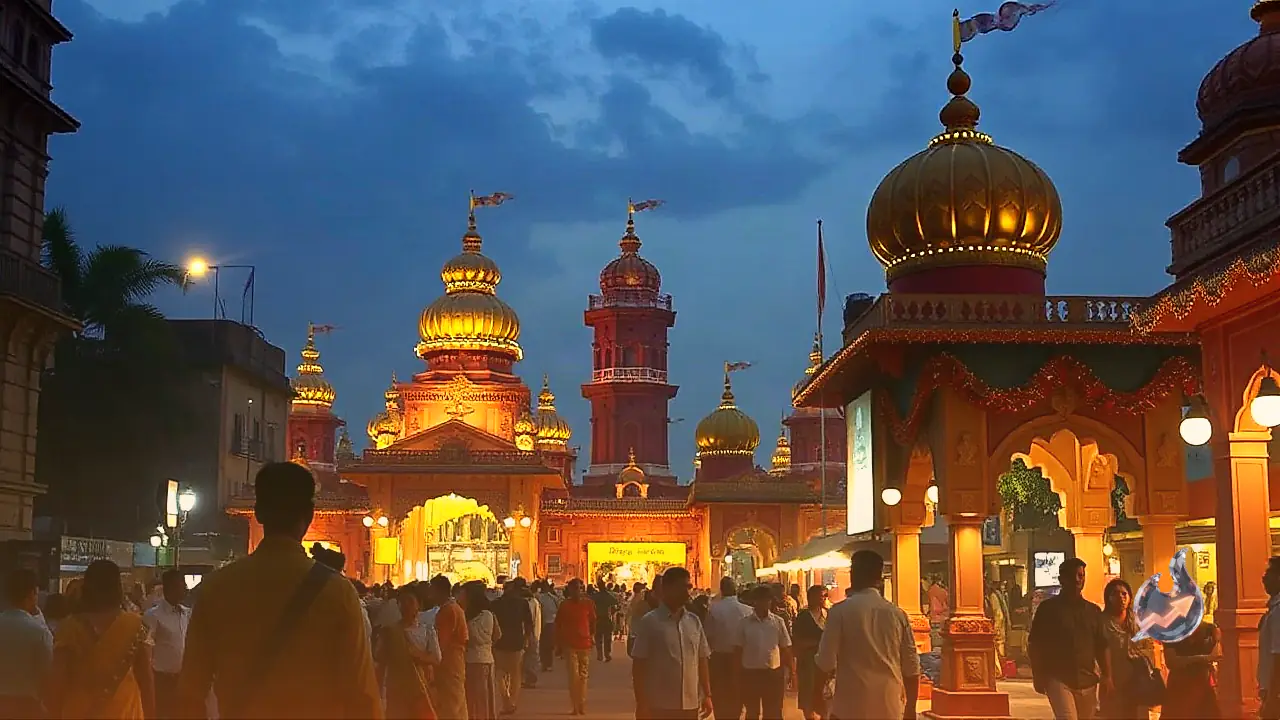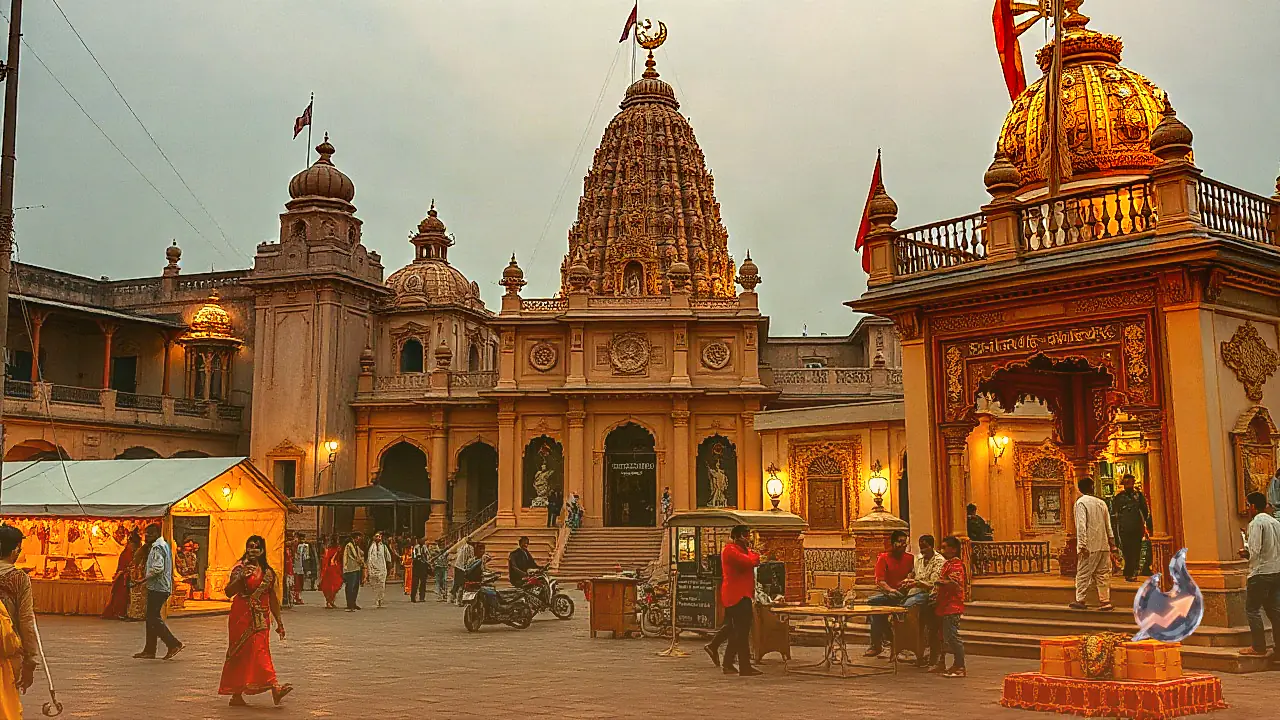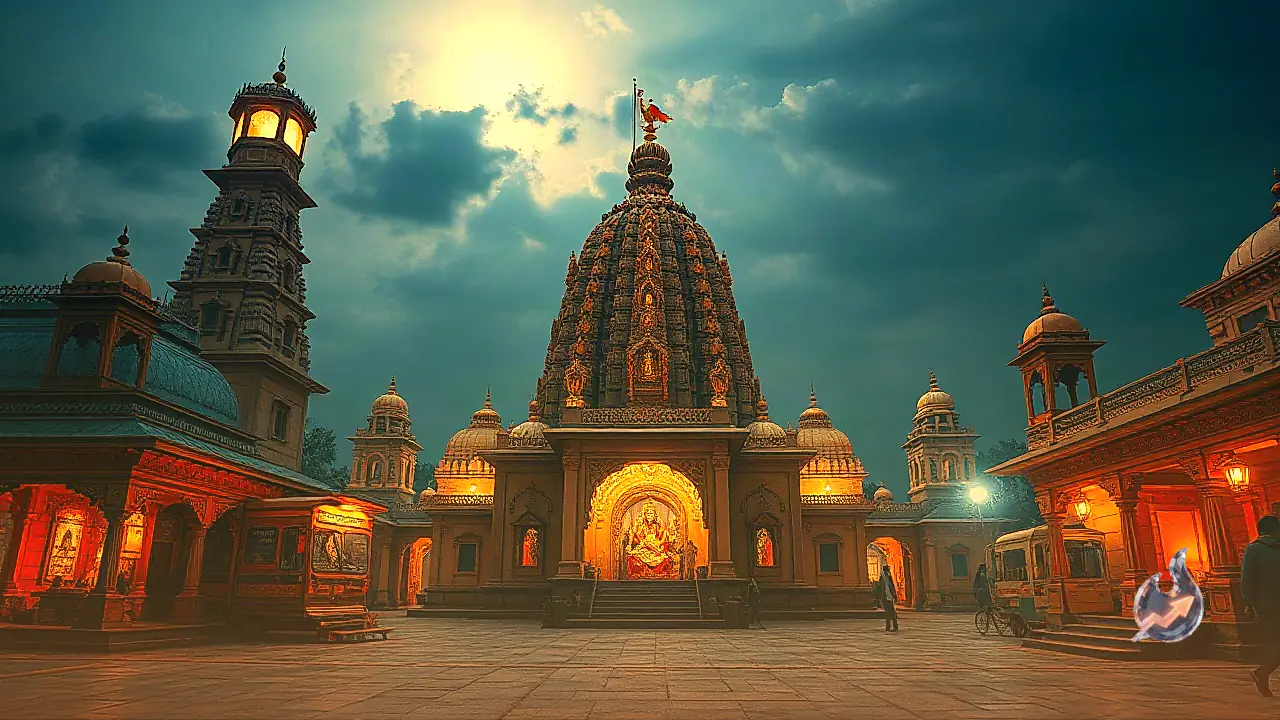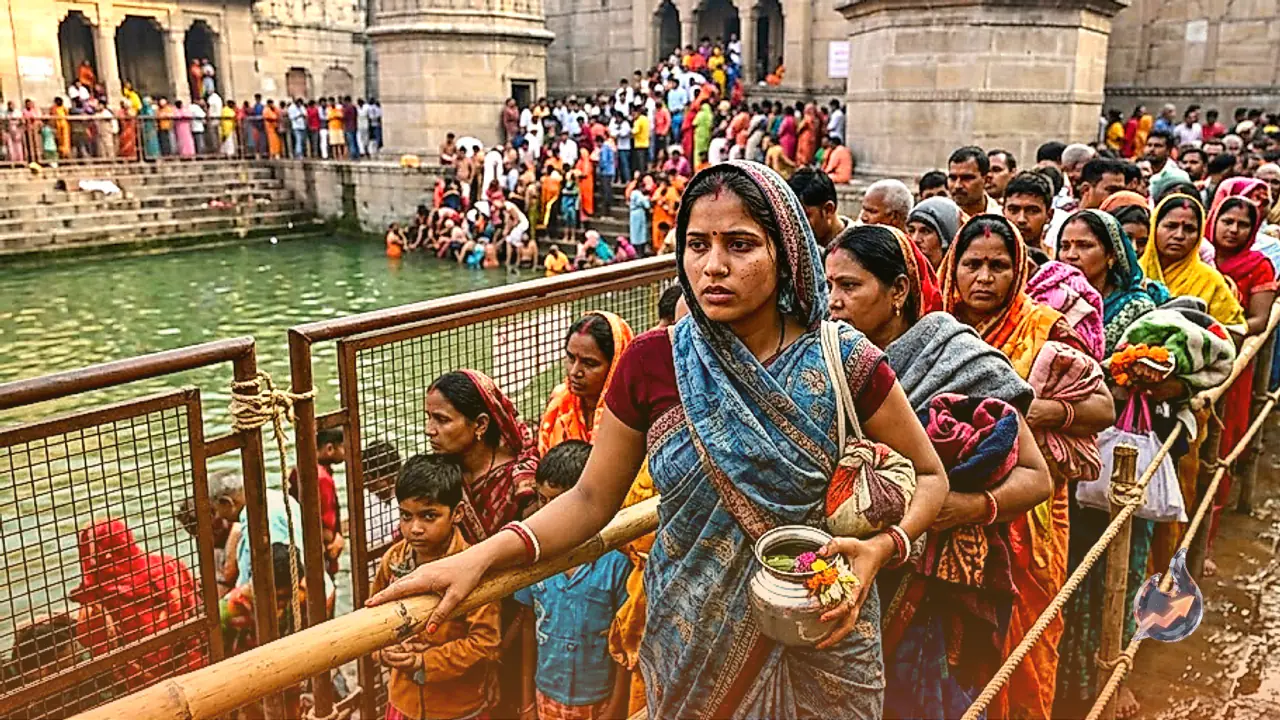






















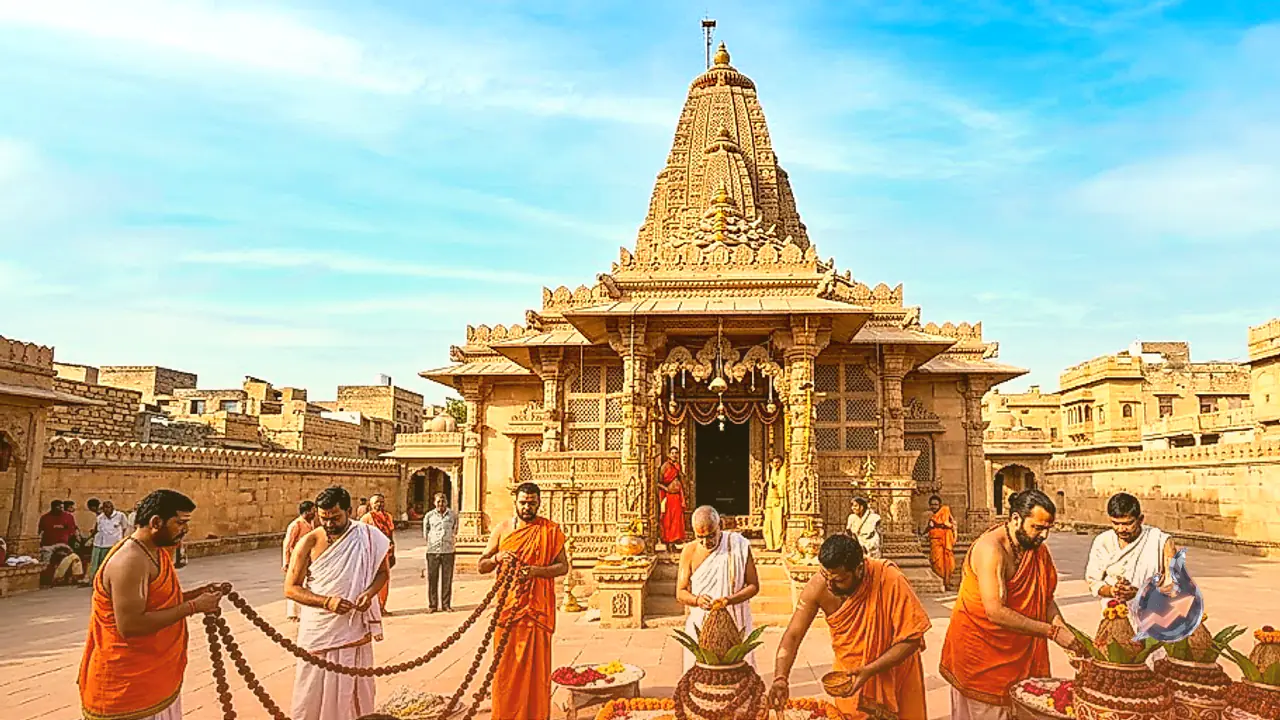

Nestled in the town of Lakshmangarh within Rajasthan's Sikar district, an ancient place of worship known as the Shikharband Mahadev Temple stands as a monumental hub of faith, heritage, and cultural devotion. Established over 133 years ago, this holy shrine draws massive crowds of devotees from early dawn until late at night, particularly during the festival of Maha Shivaratri. Beyond its spiritual significance, the temple is celebrated for its distinctive architectural design and rich traditions that have been preserved meticulously across generations.
Centuries-Old Origins and Architectural Heritage
The foundation of this historic shrine was laid approximately 133 years ago by Seth Shivchandrai Churiwala and his brother Ramsahay Churiwala, both belonging to the town's esteemed Churiwala Mahajan family. The sacred consecration ceremony, known as Pran Pratishtha, took place in the year Vikram Samvat 1975 under the guidance of Sukhdev Pandit, who was the grandfather of former municipal chairman Ramakishan Pandit. Historical accounts note that upon the directions of Rao Raja Madho Singh, a specialized priest family was brought from Banuda to Lakshmangarh to handle the temple's daily rituals, with full residence arrangements provided for them.
Architecturally, the temple holds a unique place in the region's history. Built in the grand style of South Indian temples with a prominent soaring spire, known as a shikharband, it was the very first shrine in the sub-division to feature such a superstructure. This architectural hallmark earned it the name Shikharband Mahadev Temple, though local devotees also affectionately refer to it as the Sikriband Shivalaya. Furthermore, the sanctum's Shivling is crafted in a style inspired by the renowned Rameshwaram Temple in South India.
Rare Rudraksha Beads and Sandalwood Artistry
Among the most treasured possessions housed within the temple premises are two centuries-old Rudraksha rosaries that together hold a total of 1,188 Rudraksha beads. These sacred beads are actively used on a daily basis for chanting powerful mantras, including the Mahamrityunjaya Mantra and the Vishnu Sahasranama. Another extraordinary tradition observed at the temple is the ritualistic decoration of the Shivling. On special auspicious occasions, priests create intricate artistic patterns on the deity using pure sandalwood paste, a rare visual display seldom seen in other shrines across the region.
Youth-Led Community Service and Daily Rituals
The temple is equally notable for the active involvement of local youth, who take full responsibility for its maintenance, puja arrangements, and bird feeding in the adjacent garden, alongside managing major religious gatherings. Everyday life at the shrine is marked by intense spiritual discipline. Following the evening light offering, or aarti, devotees gather for the collective chanting of the Shiva Manas Puja, Shiva Tandava Stotram, and Rudrashtakam.
People of all ages, including children, women, and the elderly, offer milk and water to perform the ritual bathing, or abhishekam, of Lord Shiva. According to long-held beliefs, worshipping here during Maha Shivaratri fulfills long-pending desires and unblocks stuck tasks, drawing an especially large number of unmarried women seeking blessings.