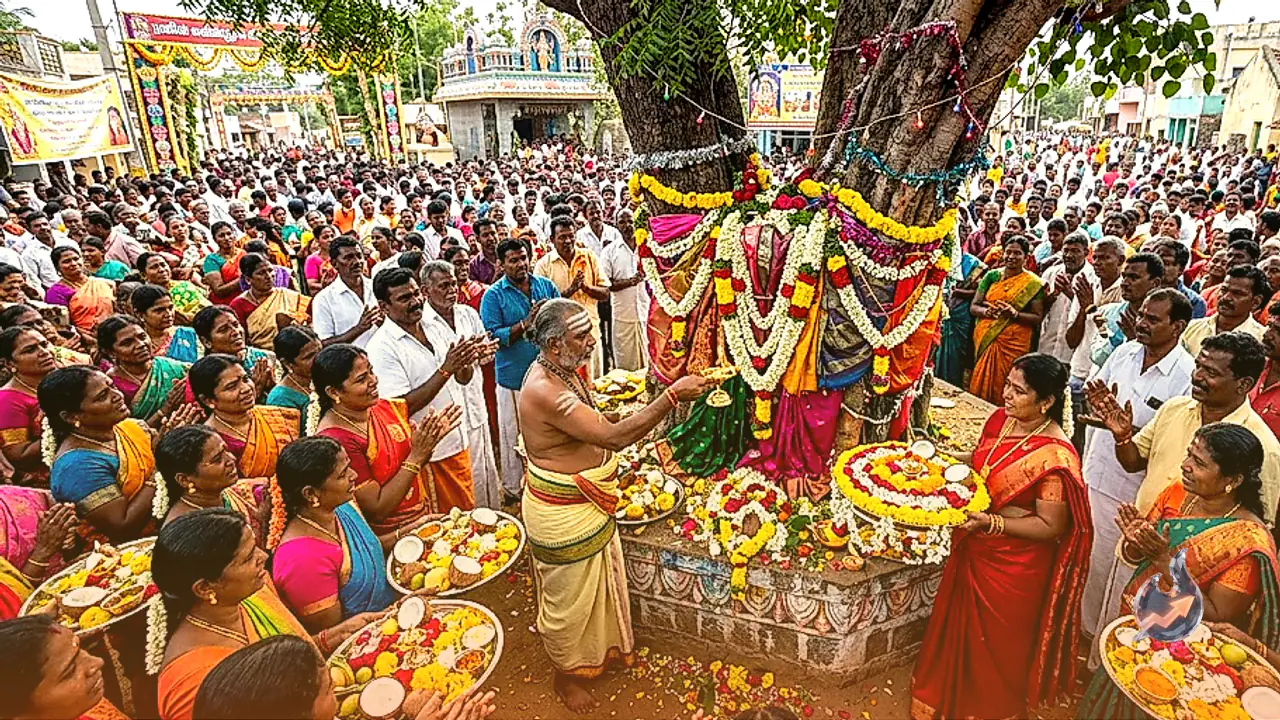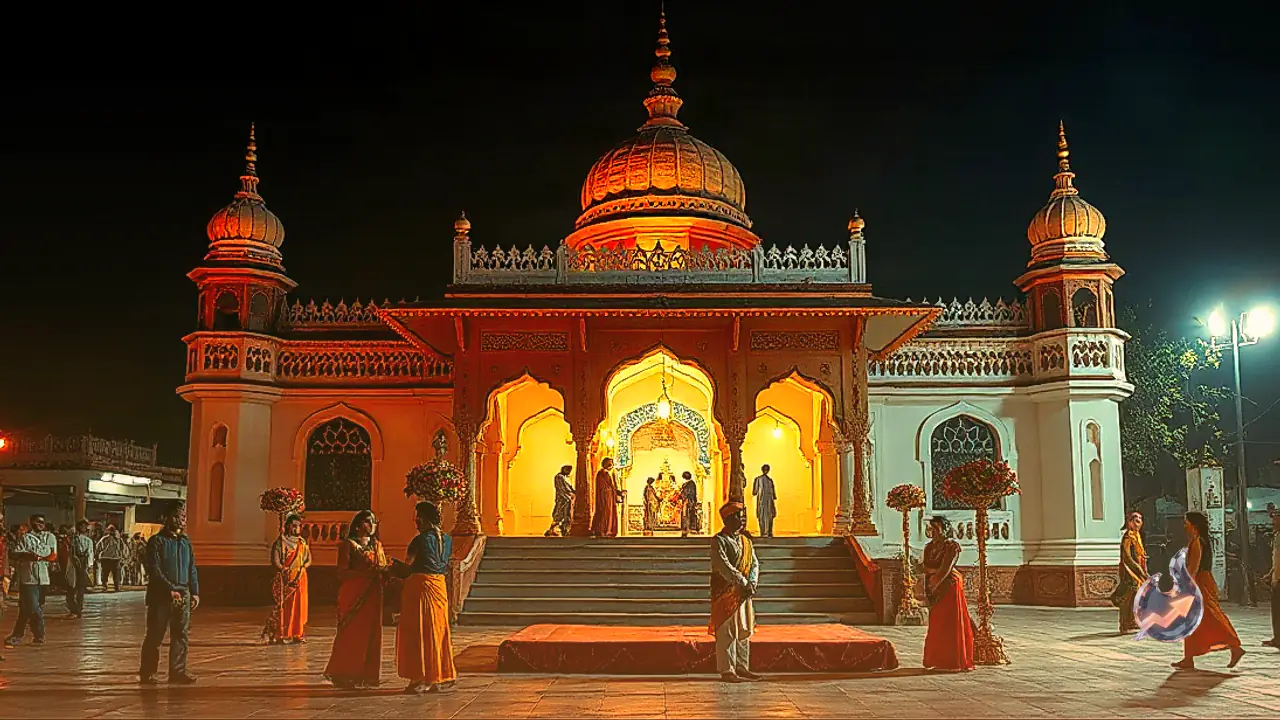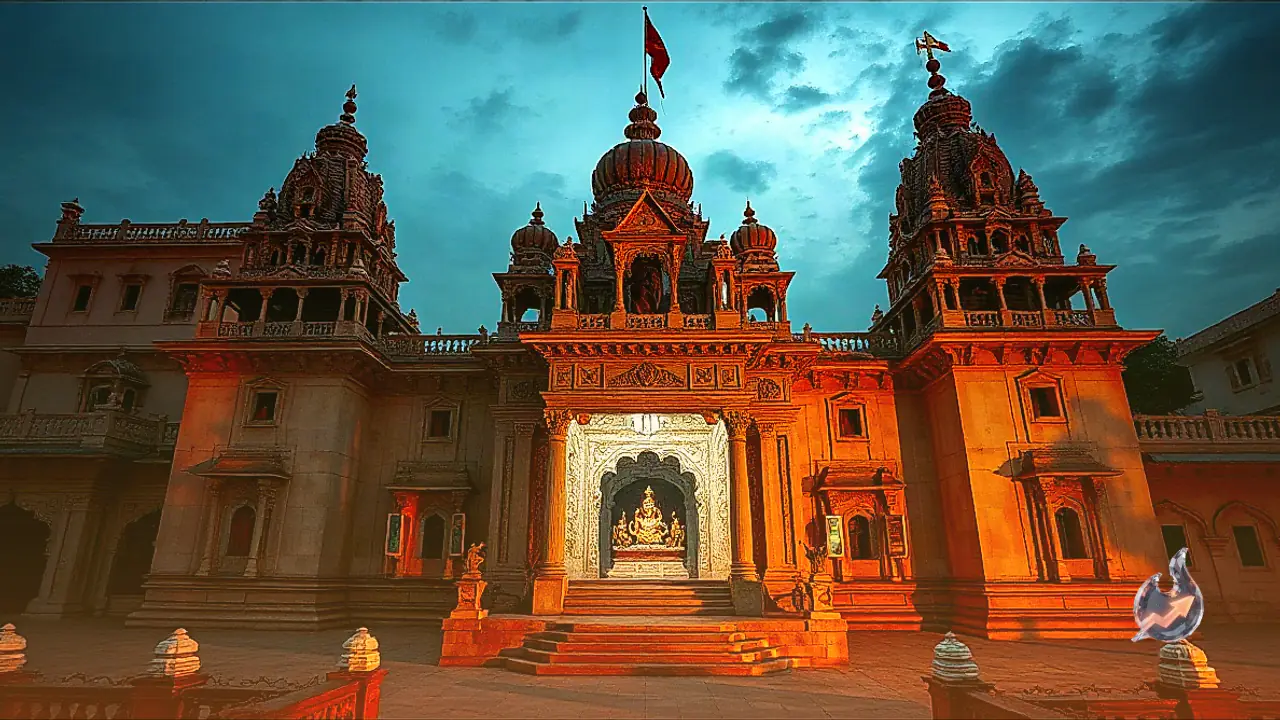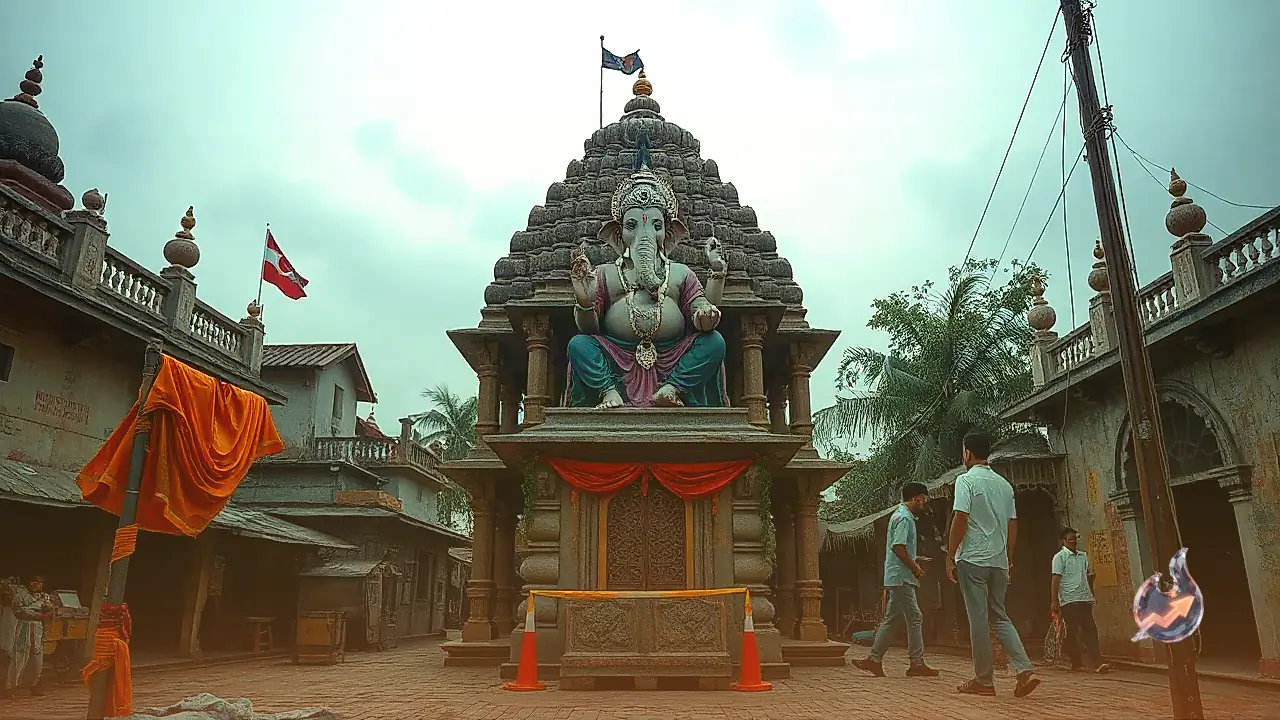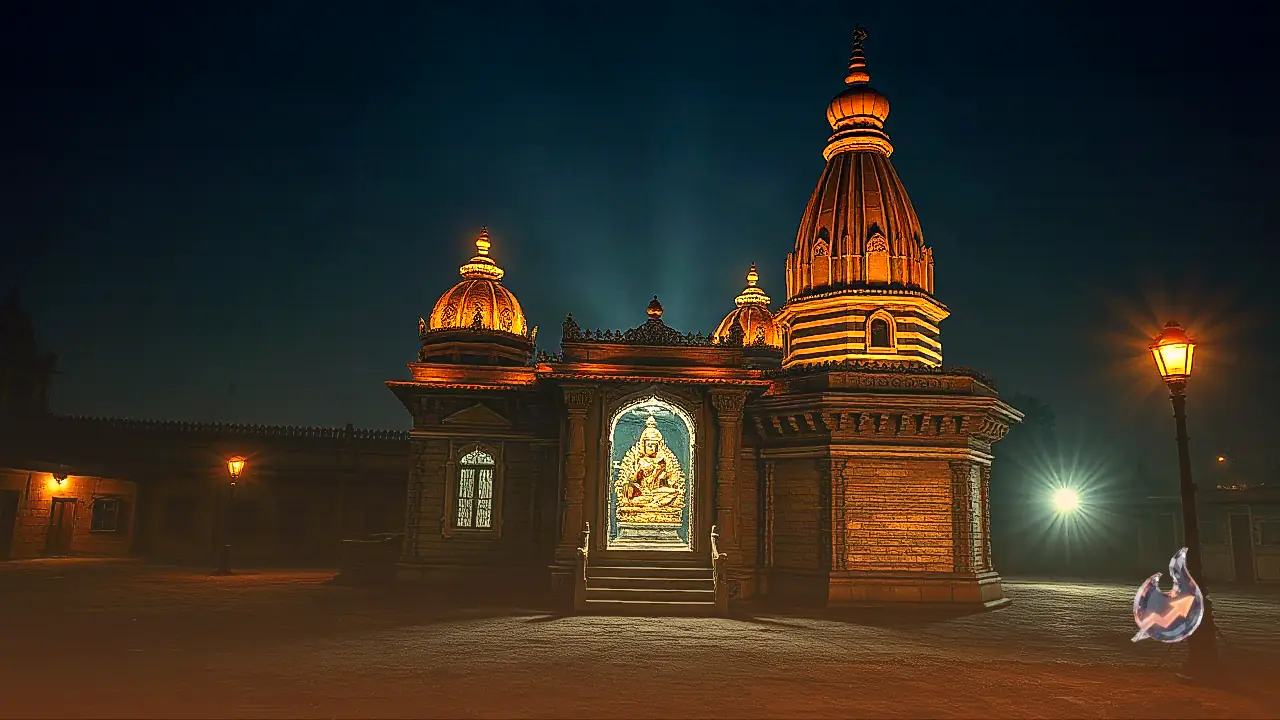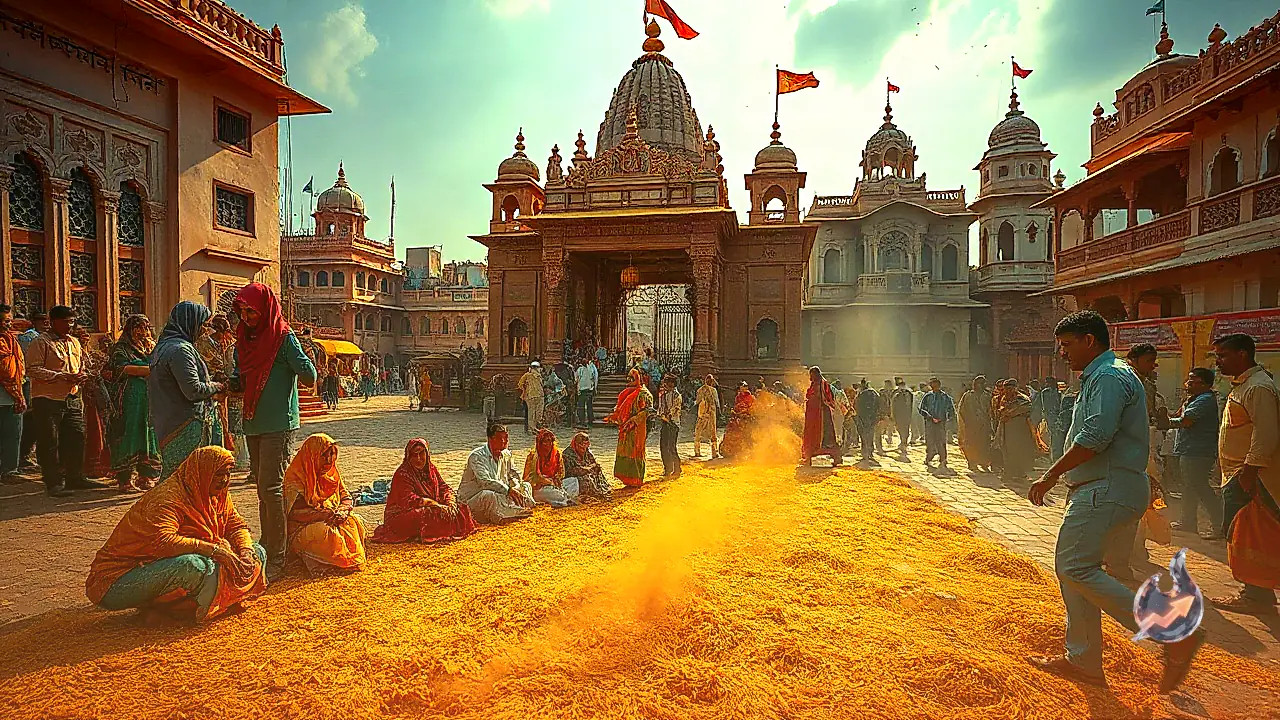
























With the arrival of the auspicious month of Sawan, lakhs of devotees across the country visit Shiva shrines to seek spiritual blessings. In the city of Khandwa in Madhya Pradesh, a 500 year old shrine stands as a prominent center of deep reverence and mystery. Located in the Ramganj Budhwara area, the Shri Tilbhandeshwar Mahadev Temple attracts worshippers not only for its historical roots but also for an extraordinary phenomenon associated with its central deity. The consecrated Shivling enshrined here is widely believed to be self manifested and undergoes a noticeable annual growth, drawing pilgrims from all directions.
A Self-Manifested Deity and the Annual Growth
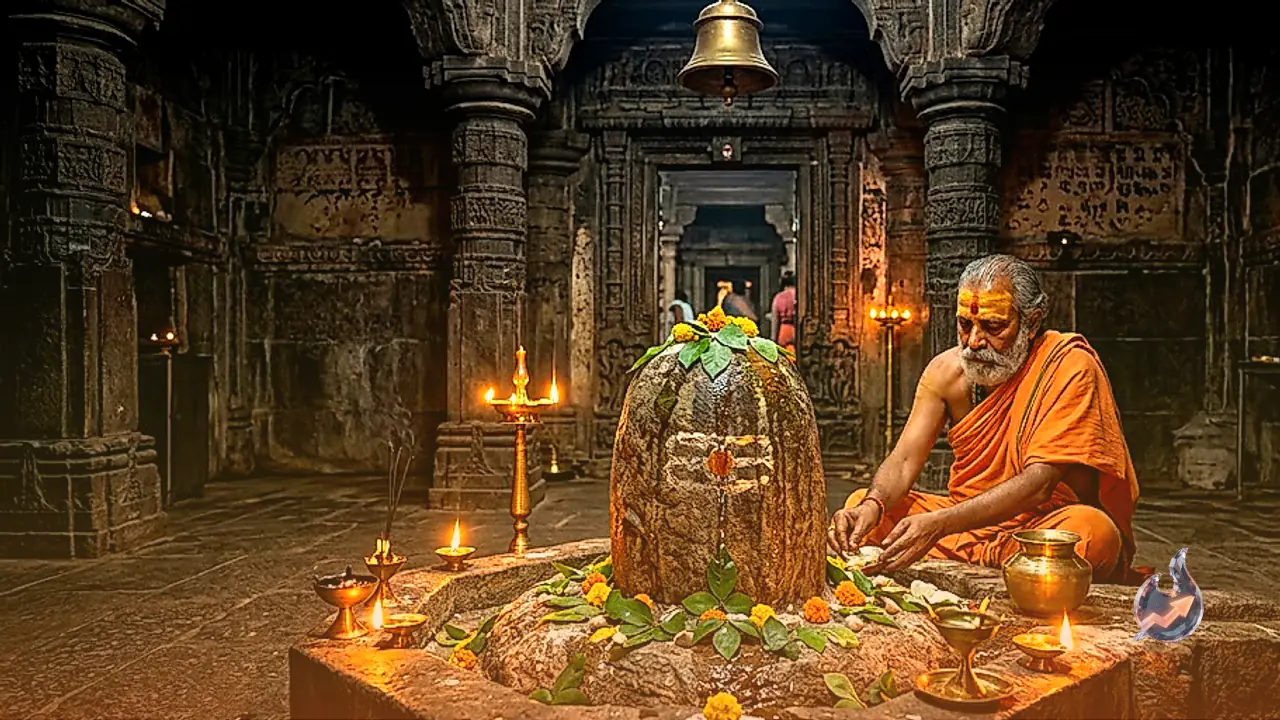
The sacred Shivling at Tilbhandeshwar Mahadev is considered Swayambhu, meaning it emerged naturally from beneath the earth rather than being crafted or installed by human hands. According to long-standing local traditions, the size of this holy stone increases slightly each year. Worshippers and local residents note that this growth specifically takes place on the festive day of Makar Sankranti, when the Shivling expands by a measure equivalent to the size of a single sesame seed. It is precisely this annual event that earned the shrine its revered name, Tilbhandeshwar Mahadev, referencing the sesame seed increment.
Sixteen Generations of Devoted Service and Testimony
The tradition surrounding the expanding Shivling is backed by centuries of continuous stewardship. Pandit Omprakash Yogi, the temple priest whose family has been associated with the shrine for approximately 16 generations, notes that every passing generation has personally observed this subtle transformation. The ancestral lineage of priests has documented the physical change over centuries, passing down the testimony through decades of ritual service. For the officiating family and the community, this recurring phenomenon remains a profound matter of faith that continues to inspire awe.
Underground Cave Architecture Creating a Sacred Ambiance
Beyond its miraculous reputation, the architectural layout of the Tilbhandeshwar Mahadev Temple provides a unique experience for visiting pilgrims. When viewed from the street level above, the structure appears like a conventional traditional temple. However, to perform darshan and reach the inner sanctum, devotees must descend a flight of stone stairs into the subterranean level. Upon descending, the atmosphere changes dramatically into a cool, quiet, and cave-like environment. The subterranean setting creates the impression of worshipping Lord Shiva inside an ancient mountain cavern, offering visitors a distinctive meditative state.
Sawan Rituals with Narmada and Ganga Water
During the holy month of Sawan, the temple premises experience a major surge in devotional activity. Pilgrims travel from near and far to offer sacred prayers and perform the ritual of Jalabhishek using holy water brought from the Narmada River and the Ganges. Resonating throughout the subterranean hall from early morning until late into the night are continuous chants of "Har Har Mahadev" and "Bam Bam Bhole". The established worship rituals are faithfully preserved and conducted with the same devotion that has sustained the temple across five centuries.
Where Faith Meets Mystery in the Modern Era
In an age dominated by scientific inquiry and rational explanation, the Tilbhandeshwar Mahadev Temple in Khandwa represents a sanctuary where faith and mystery naturally intersect. Visitors to the shrine often describe feeling a tranquil energy that defies simple explanation. For devotees seeking an impactful pilgrimage during Sawan, this historic site in Khandwa offers an opportunity to connect with centuries of living spiritual heritage and witness a tradition anchored in enduring faith.