






















Whenever the auspicious festival of Sawan Shivratri arrives, temples across the country echo with chants of Har Har Mahadev. Countless devotees line up from early morning to offer water, milk, and bilva leaves to the Shivling. However, have you ever wondered why Sawan Shivratri is so closely connected to the legend of Samudra Manthan? What actually happened that makes the worship of Lord Shiva on this particular festival carry such immense significance? This is not merely a matter of religious faith, but a narrative that delivers a powerful message of sacrifice, endurance, and the protection of the entire universe.
This is precisely why the tale of Samudra Manthan is specially remembered during Sawan Shivratri. Let us explore the exact connection between this mythological event and Sawan Shivratri, and why Jalabhishek on this day is considered the most meritorious act.
The Legend of Samudra Manthan and Sawan Shivratri
According to Hindu religious beliefs, gods and demons churned the Ksheer Sagar to obtain Amrit, the nectar of immortality. Before the nectar emerged from this cosmic ocean churning, several divine objects and gems appeared. The very first among them was a terrifying poison known as Halahal or Kalakut poison. This poison was so lethal that it threatened to destroy the entire creation. Both gods and demons were gripped with fear, and everyone prayed to Lord Shiva to protect the world.
Why Did Lord Shiva Consume the Halahal Poison?
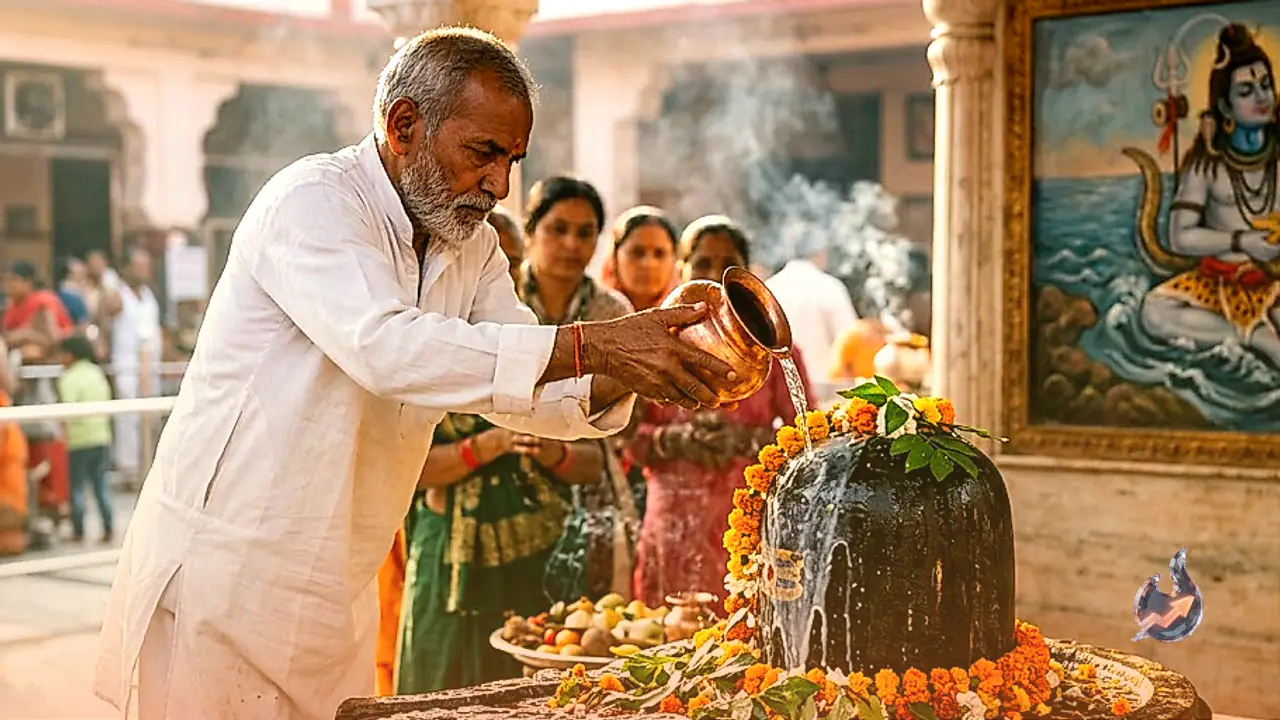
To protect the universe, Lord Shiva held the Halahal poison in his throat without any selfish motive. Mata Parvati prevented the poison from descending further down his throat, turning his neck blue and earning him the eternal title of Neelkanth. It is believed that to calm the intense heat of the poison, the deities continuously poured water over Lord Shiva. This very tradition eventually evolved into the widespread practice of performing Jalabhishek on the Shivling.
What is the Connection with the Month of Sawan?
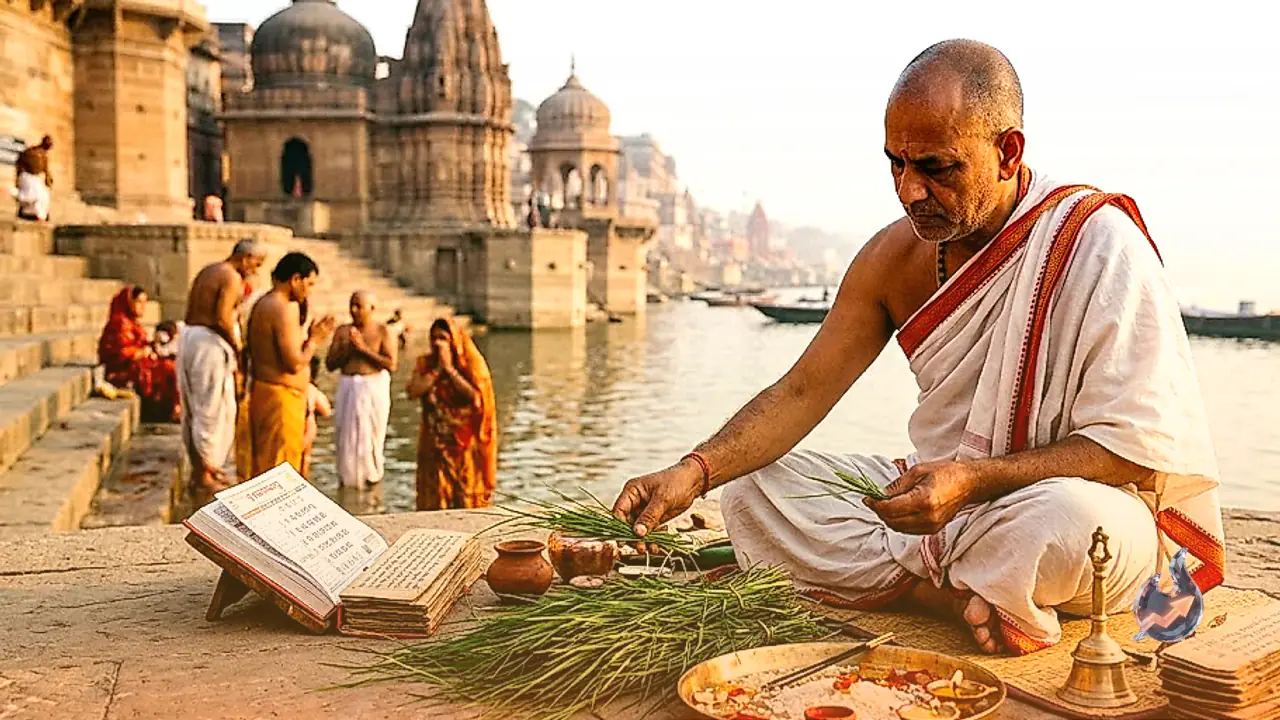
According to traditional beliefs, this momentous event took place during the month of Sawan. Consequently, special prayers are offered to Lord Shiva throughout the entire Sawan month. Sawan Shivratri is regarded as the most vital day in memory of this legend. On this day, devotees present water, Gangajal, milk, curd, honey, and bilva leaves on the Shivling. It is believed that this pleases Lord Shiva and fulfills the heartfelt desires of his devotees.
More Than Just a Tradition: A Deep Underlying Message
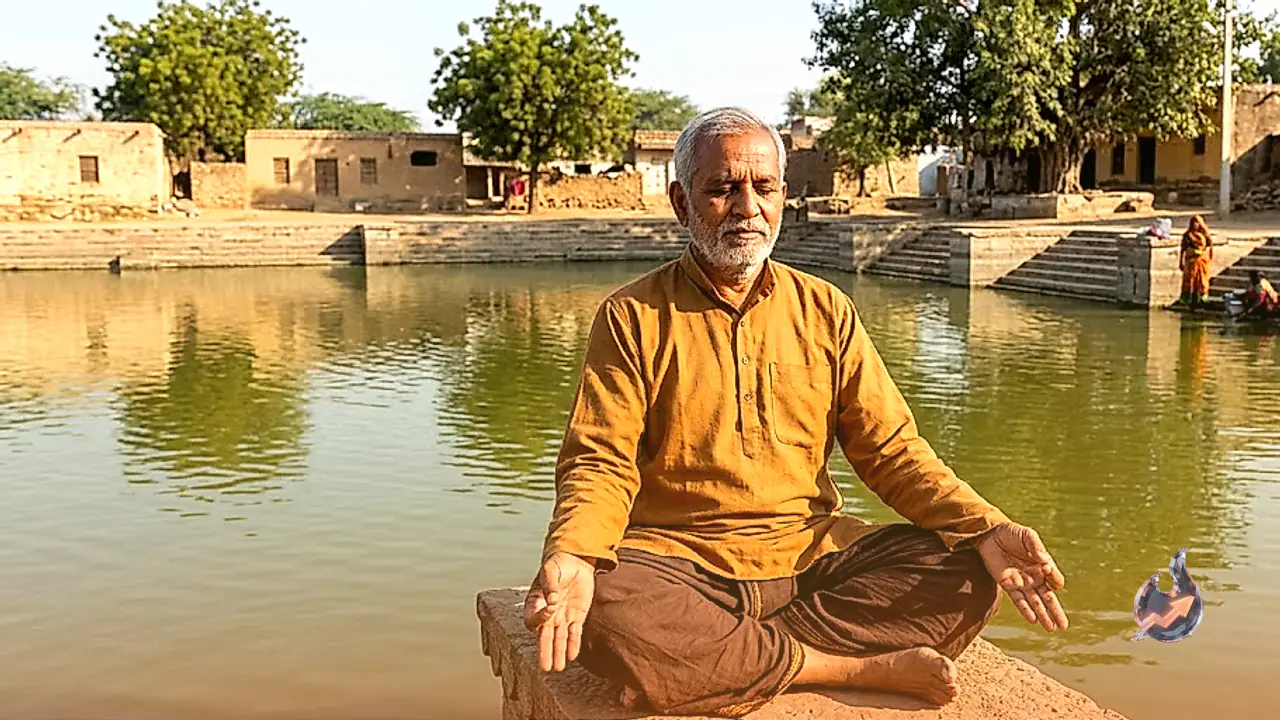
Jalabhishek is not treated merely as a religious ritual. Its underlying message is that difficult situations in life must be handled with patience and restraint. Just as Lord Shiva took the poison upon himself to save the entire universe, individuals should also cultivate a spirit of sacrifice and tolerance for the welfare of others. This is regarded as the greatest lesson taught by the Samudra Manthan narrative.
Glimpses of This Tradition Today
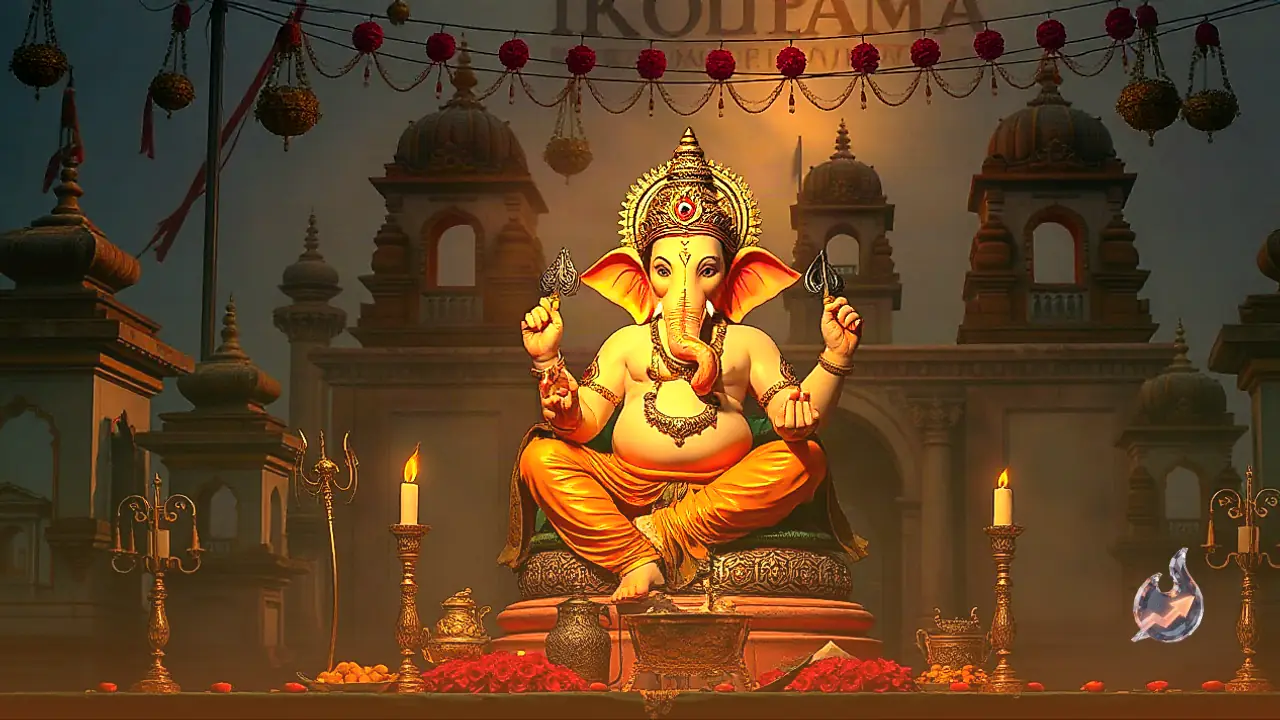
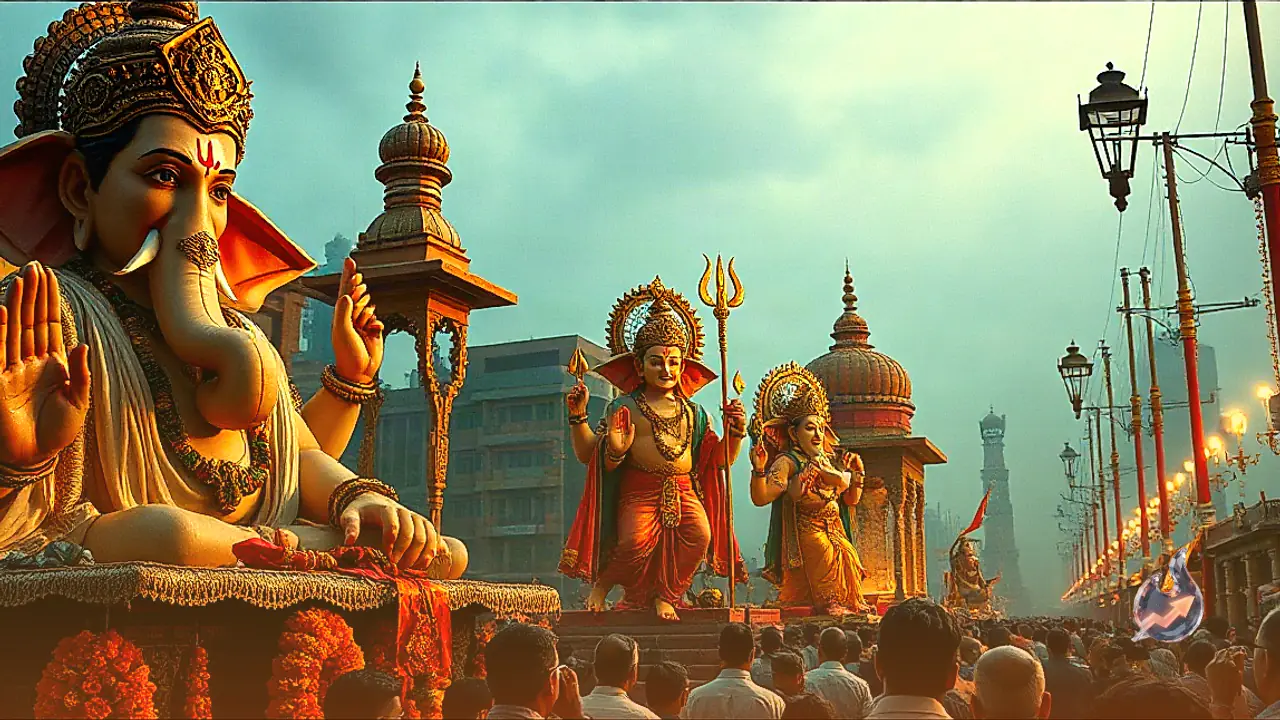
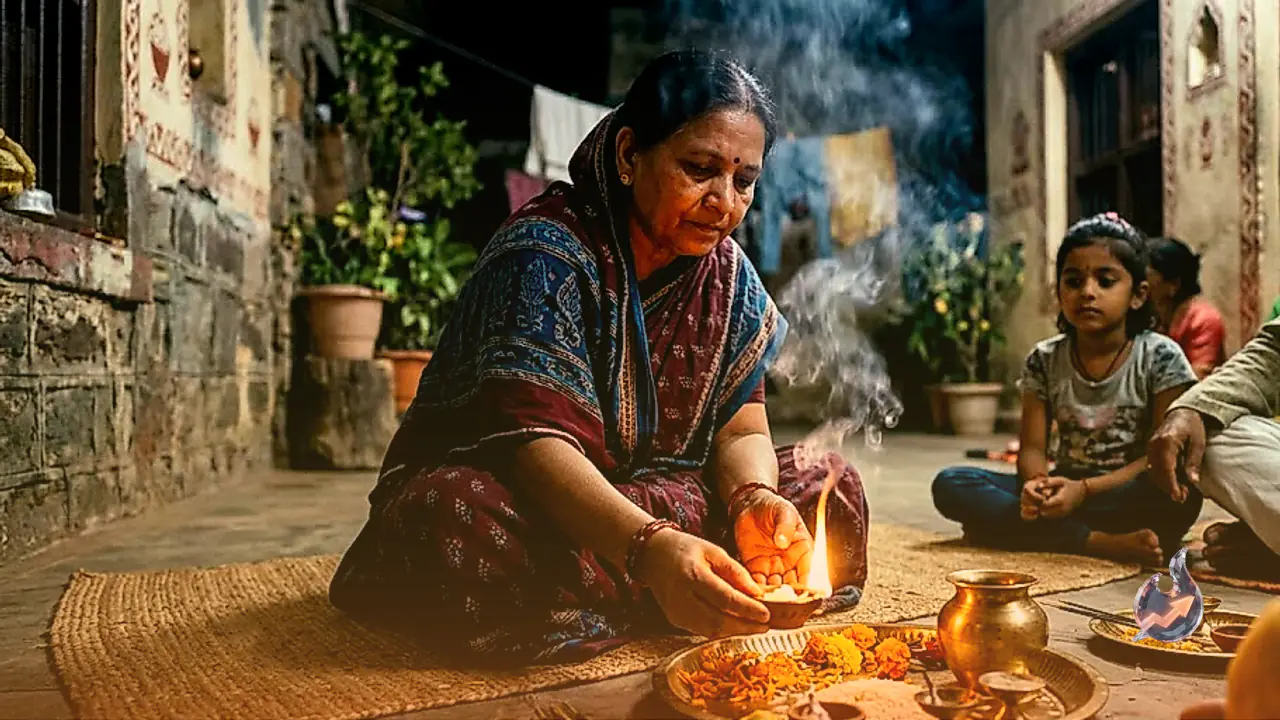
On Sawan Shivratri, crowds of devotees gather in Shiva temples across the country from the early morning hours. Many undertake the Kanwar Yatra to bring holy water from sacred rivers and perform Abhishek of Lord Shiva. From rural villages to large metropolitan cities, people observe fasts, arrange Rudrabhishek, and chant Om Namah Shivaya. In many households, night-long vigils and devotional singing are organized. This tradition has been passed down through generations and continues to be observed with the exact same devotion today.
What Lessons Does the Samudra Manthan Story Offer?
Samudra Manthan is not just a mythological episode. It illustrates that facing hardships is a prerequisite before achieving any major goal. The emergence of poison before the arrival of nectar symbolizes this very truth. The sacrifice of Lord Shiva teaches that true leadership involves protecting others during times of crisis. Worshipping him on Sawan Shivratri is considered an opportunity to remember and adopt these ideals in daily life. In summary, the connection between Sawan Shivratri and Samudra Manthan is linked to that supreme sacrifice by Lord Shiva when he held the Halahal poison in his throat to save all of creation. This is why Jalabhishek, fasting, and the worship of Shiva hold such extraordinary significance on this day.