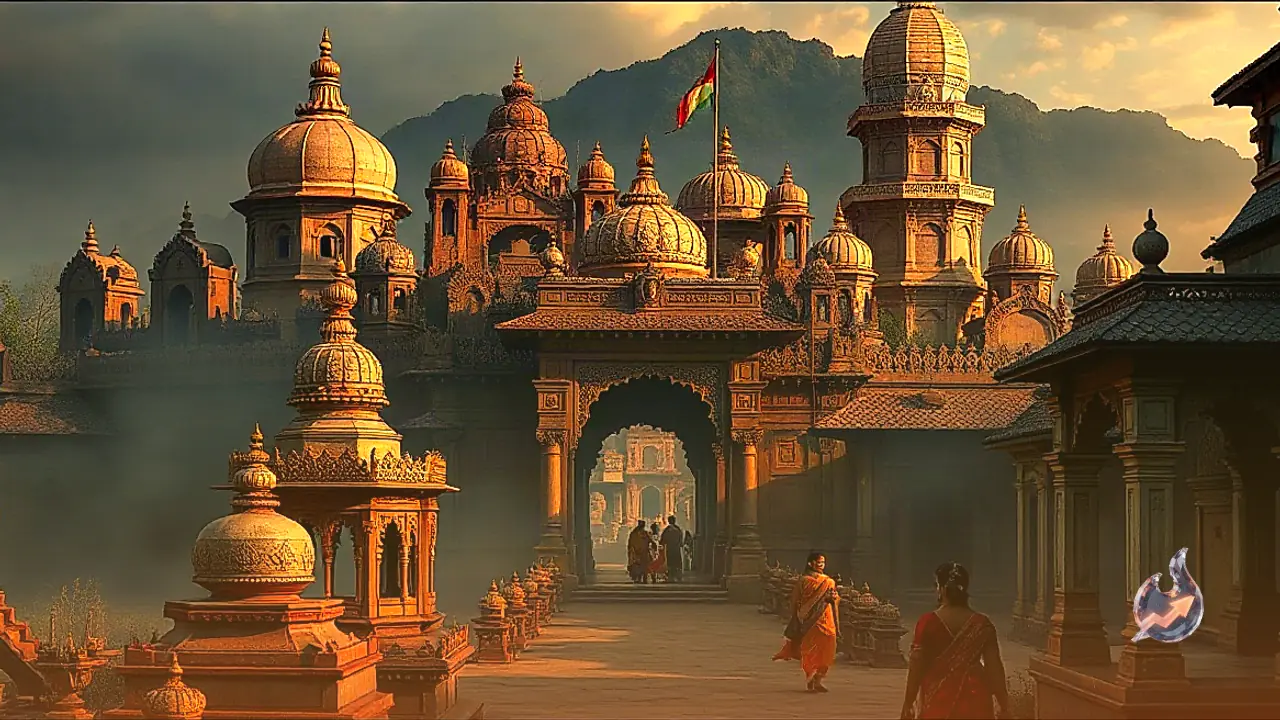

















According to Hindu traditions, the grand festival of Vishwakarma Jayanti is being celebrated with immense devotion and enthusiasm across the country today, honoring the celestial architect, craftsman, and first engineer of the universe, Lord Vishwakarma. This auspicious day is observed on Kanya Sankranti, the specific date when the Sun enters the zodiac sign of Virgo. This festival holds a very high religious significance in Hindu culture. On this sacred day, people perform rituals to worship their factories, industrial setups, shops, machinery, vehicles, and metal tools. According to ancient scriptures, Lord Vishwakarma is the one who constructed the heavenly realms, divine weapons, and magnificent palaces for the deities. He created the Sudarshan Chakra for Lord Vishnu, the Trishul for Lord Shiva, the celestial Pushpak Vimana for Ravana, and the famous Baba Baidyanath Temple complex located in Deoghar, Jharkhand. However, a lesser-known mythological legend reveals that Lord Vishnu had to once assume the form of a wild rooster to stop Lord Vishwakarma from completing one of his grandest temple constructions.
Constructing Five Grand Temples Within a Single Night
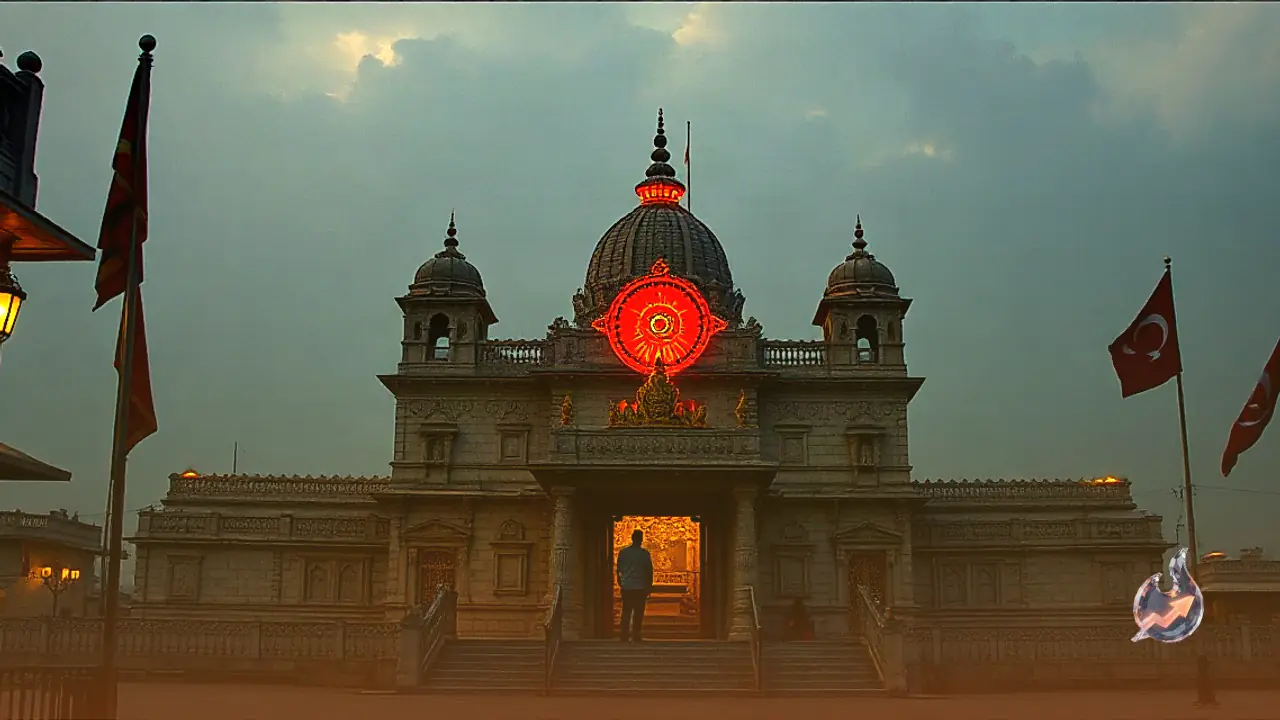
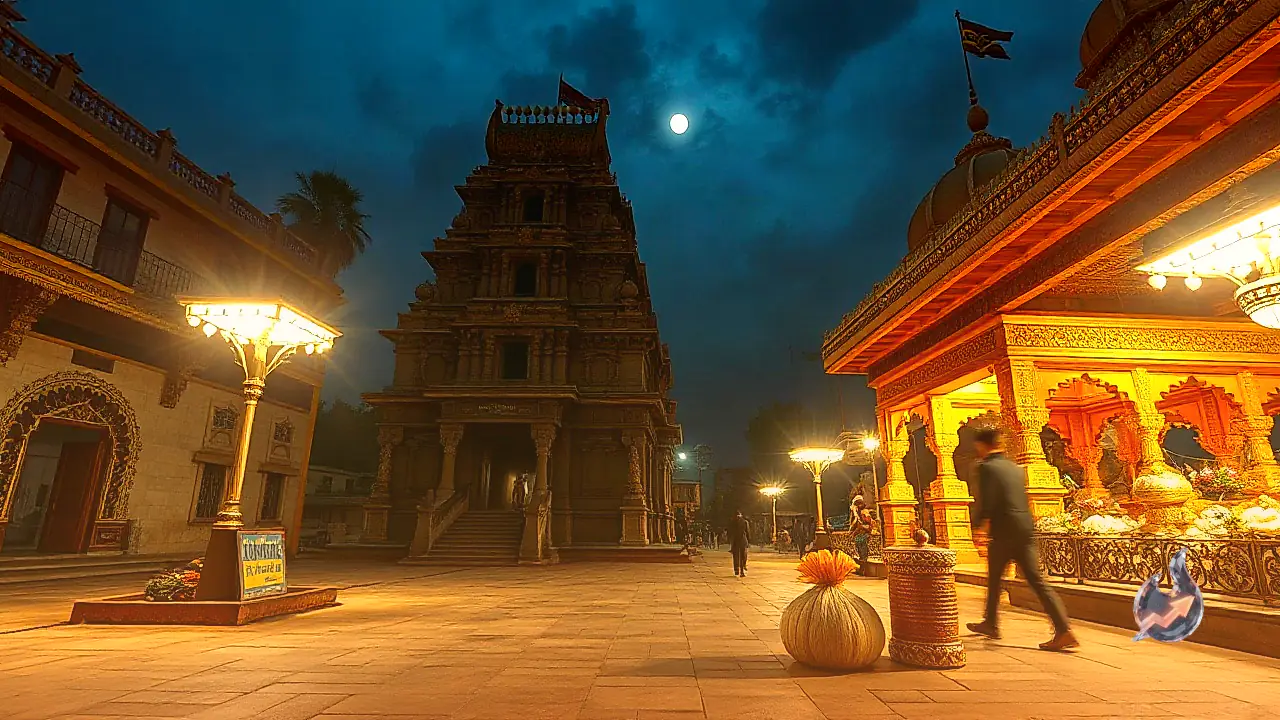
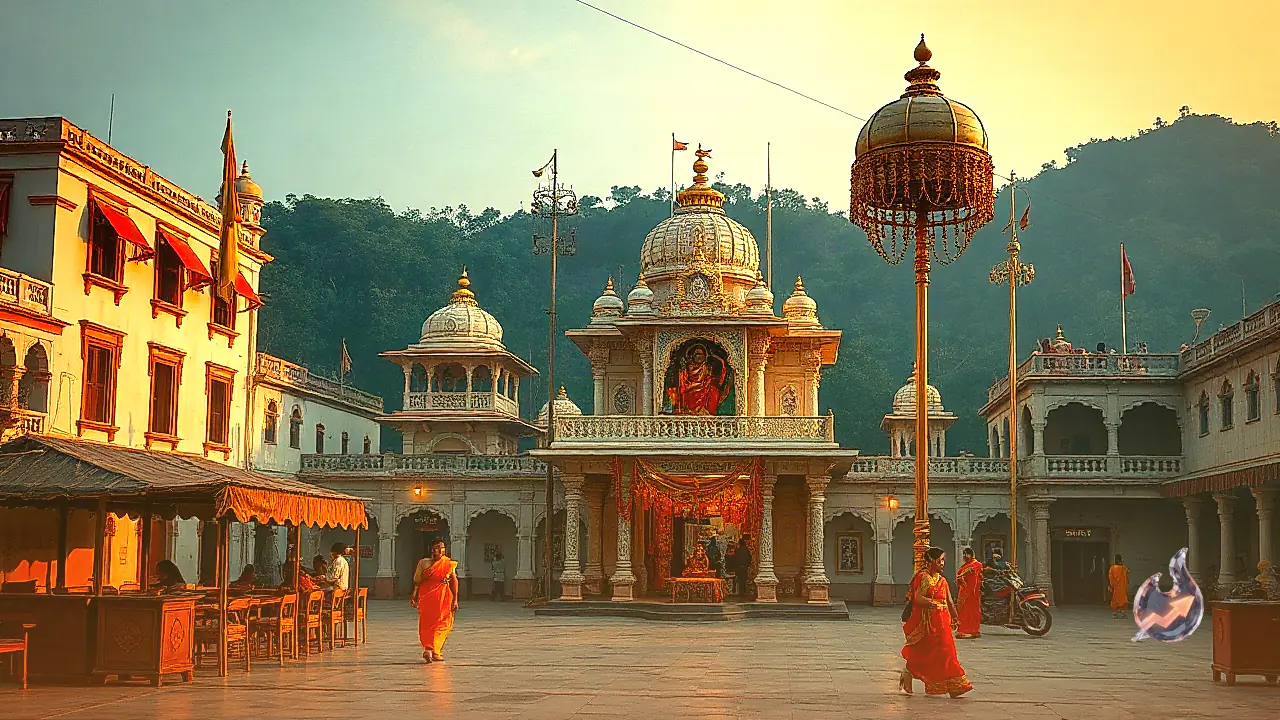
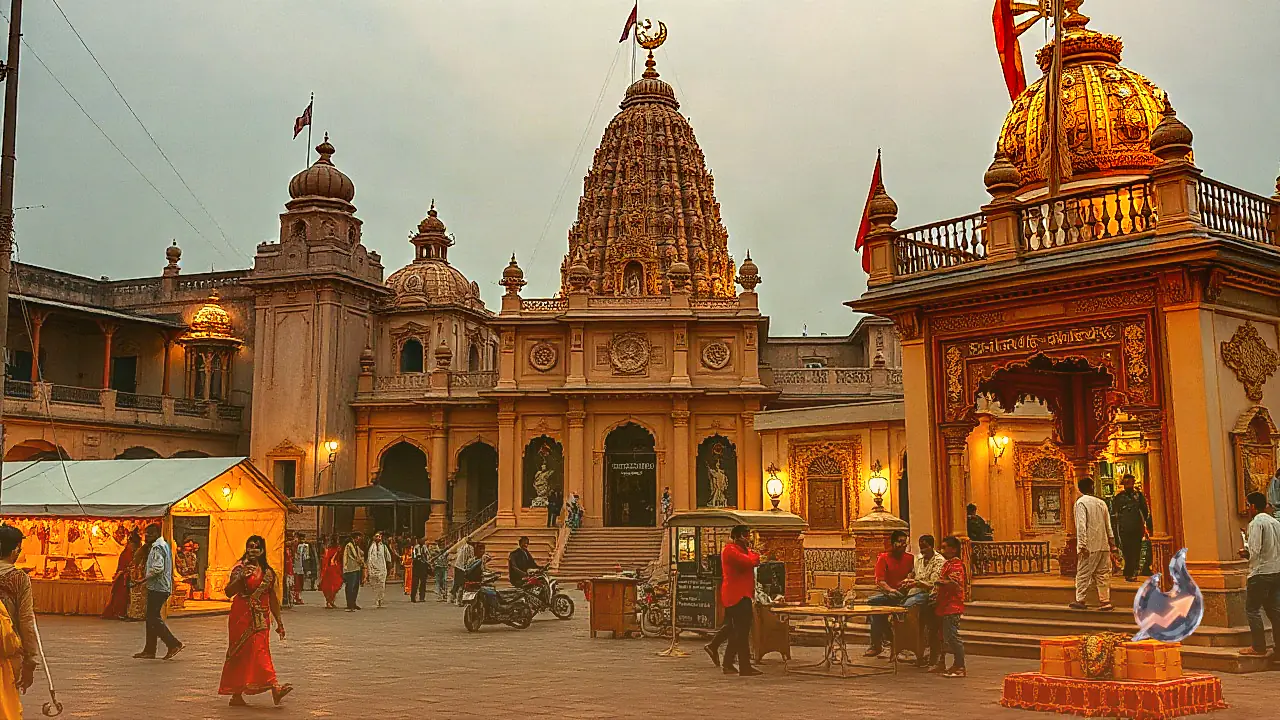
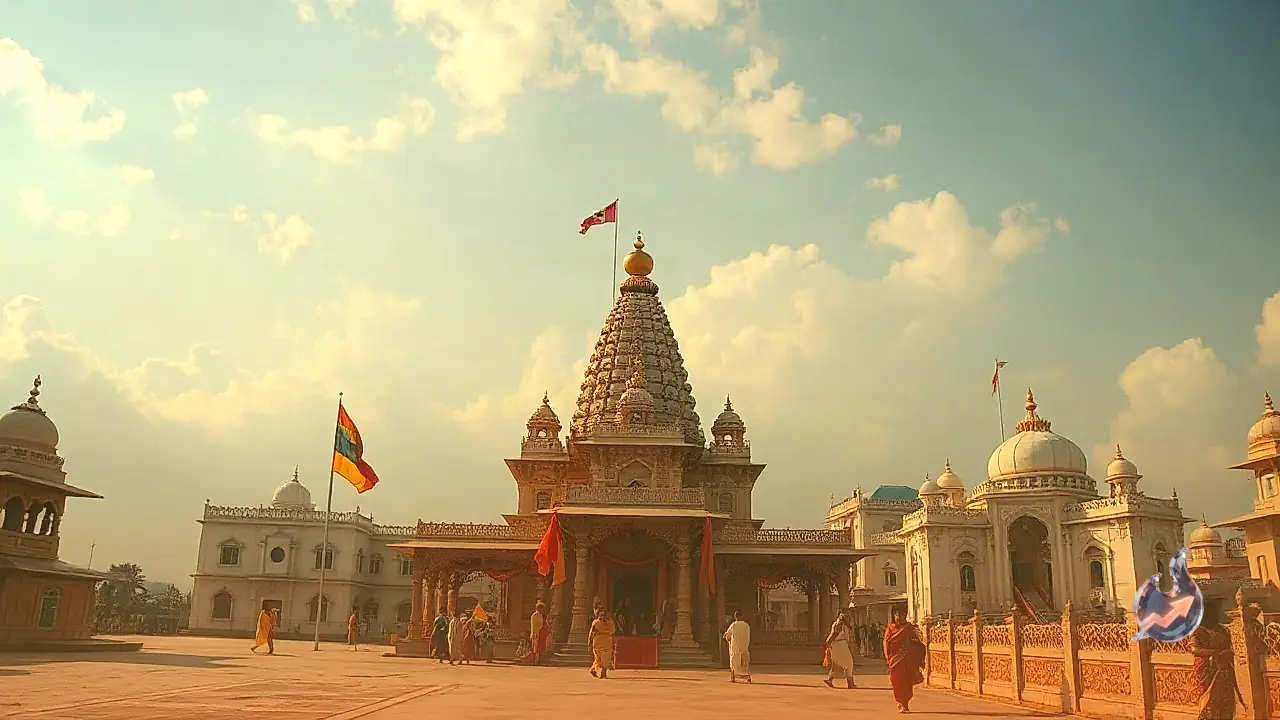
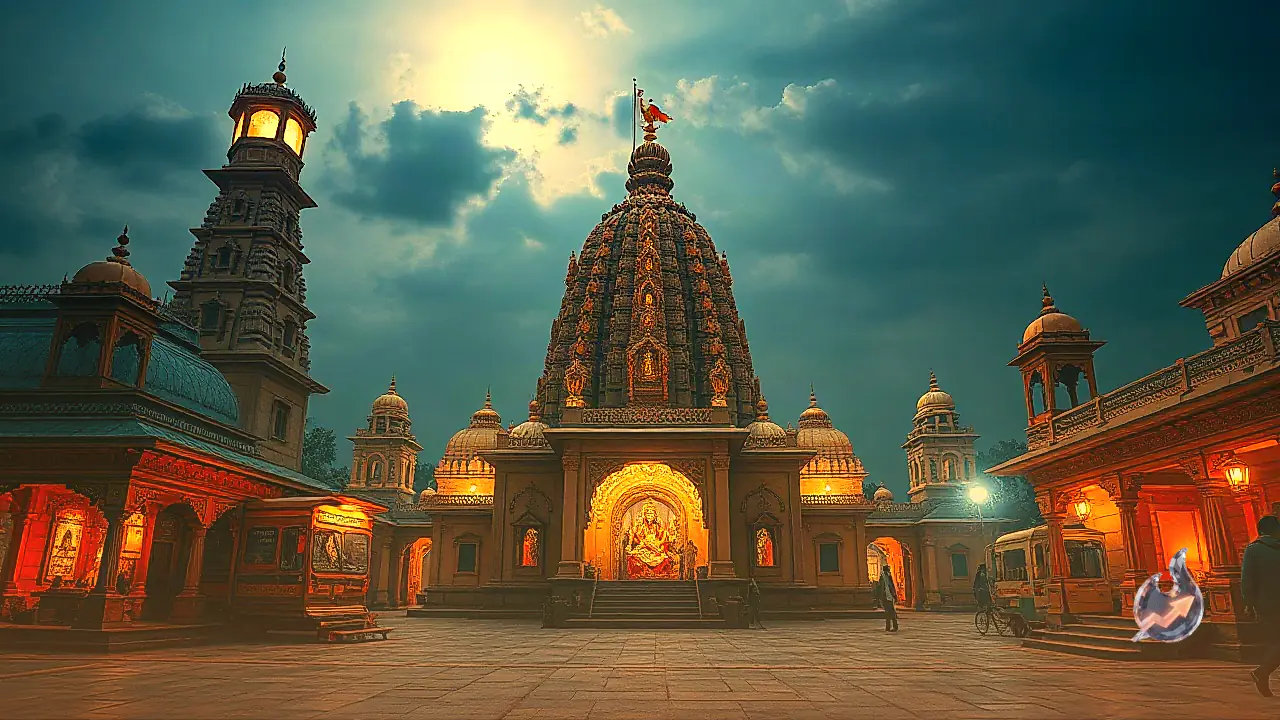
The Baidyanath Dham located in Deoghar is not just a major pilgrimage site for millions of devotees of Lord Shiva, but it is also a place deeply rooted in ancient mysteries and divine legends. It is widely believed that this sacred temple, which is one of the twelve Jyotirlingas, was built by the celestial architect himself. According to mythological scriptures, when the deities decided to establish a grand temple in this remote area surrounded by thick forests, the colossal responsibility of constructing it was handed over to Lord Vishwakarma. Accepting the divine challenge, he took a strict vow to complete the entire temple structure within the span of a single night. Working at an astonishing, supernatural pace, he began building five magnificent temples one after another.
Starting with Bholenath and Other Deities
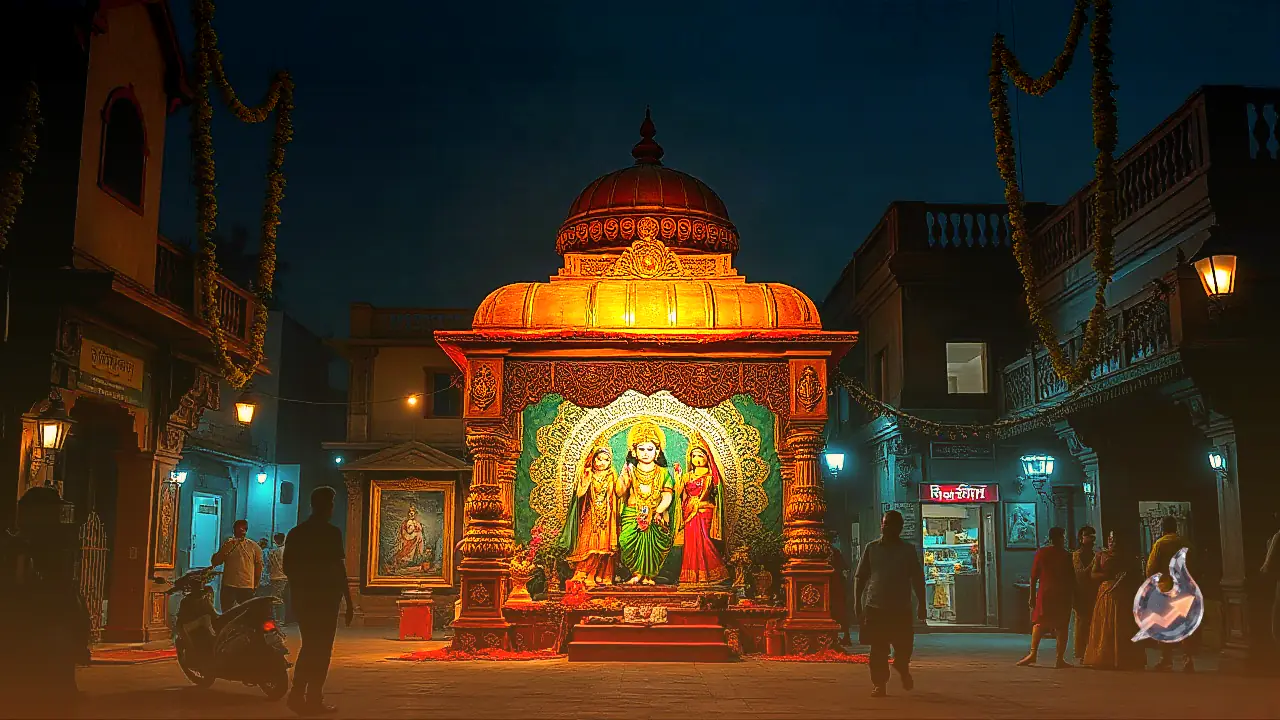
To begin his miraculous construction, Lord Vishwakarma first built the central temple dedicated to Bholenath, Lord Shiva. Following this, he raised the structure of the temple for Goddess Parvati. Once the temples for Shiva and Parvati were erected, he constructed a dedicated shrine for Lord Ganesha, followed by the creation of the Sandhya temple. After successfully completing these four major shrines, Lord Vishwakarma decided to build an incredibly massive, grand, and unmatched temple dedicated entirely to himself. Observing his ambitious project, the deities in heaven grew highly anxious. They began to worry about the implications if the architect's own temple turned out to be larger and more magnificent than the main temple of Lord Shiva, which could disrupt the spiritual hierarchy and cosmic order.
Lord Vishnu's Rooster Form and the Unfinished Resolve
To alleviate the anxiety of the deities, Lord Vishnu formulated a clever plan. He immediately transformed himself into a rooster and began crowing loudly in the middle of the night, long before the actual arrival of dawn. Hearing the sharp crowing of the rooster, Lord Vishwakarma was misled into thinking that the night had ended and the first light of morning had arrived. Since his vow strictly bound him to construct the temples only during the night, he stopped his work immediately upon hearing the call. Consequently, his grand personal temple remained unfinished. Today, this incomplete structure in the Baidyanath Dham complex is known as the Lakshmi Narayan Temple. Another local legend suggests that when Narada Muni informed Lord Shiva about Vishwakarma's grand project, Bholenath pressed the temple down with his thumb to limit its height and preserve humility.
Auspicious Timings and Muhurat Schedule for Vishwakarma Puja 2026
For performing the rituals of Vishwakarma Puja and seeking prosperity for businesses and industries, several highly auspicious timings are available today. According to the astrological scriptures, performing the puja during these specific hours brings favorable results
- Kanya Sankranti Punya Kaal: This main auspicious window is active from 07:58 AM to 12:40 PM, making it the primary duration for conducting prayers.
- Morning Puja Muhurat: For those planning to perform early rituals, the period between 07:58 AM and 10:43 AM is highly recommended.
- Afternoon Muhurat (Char-Labh-Amrit): The afternoon prayers can be comfortably performed during the window of 10:12 AM to 02:47 PM.
- Amrit Choghadiya: This highly beneficial period runs from 12:16 PM to 01:48 PM, offering excellent cosmic alignment.
- Abhijit Muhurat: The highly powerful midday Abhijit Muhurat will be active from 11:51 AM to 12:40 PM.
- Evening Puja Muhurat: For sunset prayers and performing the evening arati, the ideal time is from 04:52 PM to 06:24 PM.
- Rahu Kaal (To Be Avoided): According to traditional rules, Rahu Kaal is scheduled from 01:48 PM to 03:20 PM. Any form of worship or beginning of new work must be strictly avoided during this period.
The Legacy of the Celestial Architect
The Baba Baidyanath Temple stands not only as one of the most revered 12 Jyotirlingas in the country but also as a hub of countless legends. The miraculous construction of five temples in a single night by Lord Vishwakarma is a testament to his unmatched divine capabilities. According to sacred scriptures, Lord Vishwakarma designed majestic celestial cities, including Indra Lok, Dwarka, and Lanka, alongside creating powerful divine weapons for the gods. As the patron deity of craftsmanship, engineering, science, and technology, he is worshipped by workers, engineers, and artisans alike. Conducting prayers on this day is believed to ward off technical glitches, bring prosperity to businesses, and pave the way for professional growth.