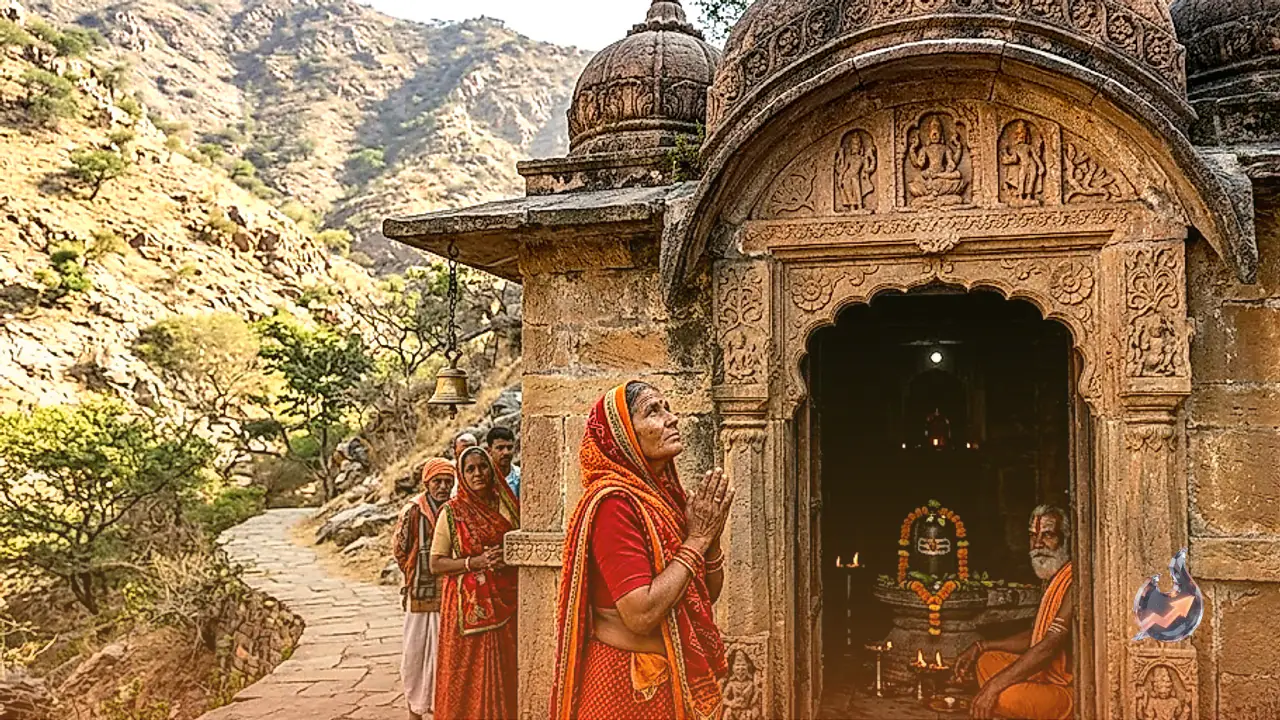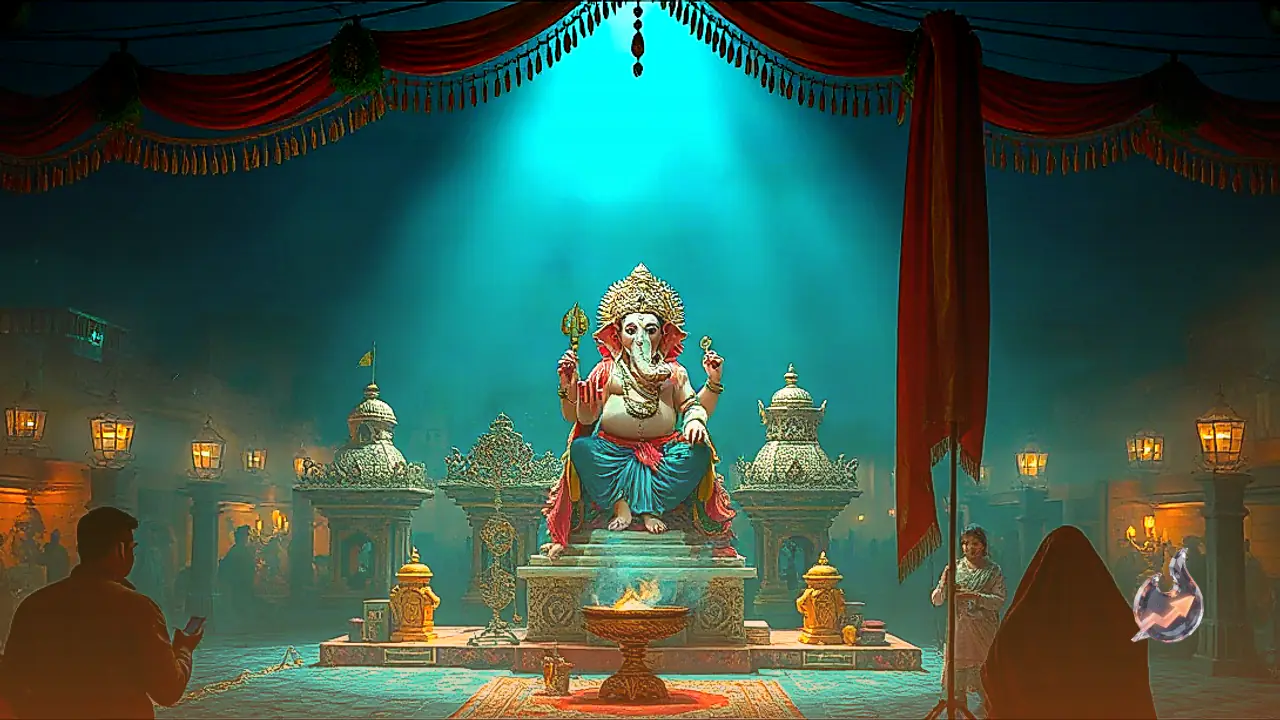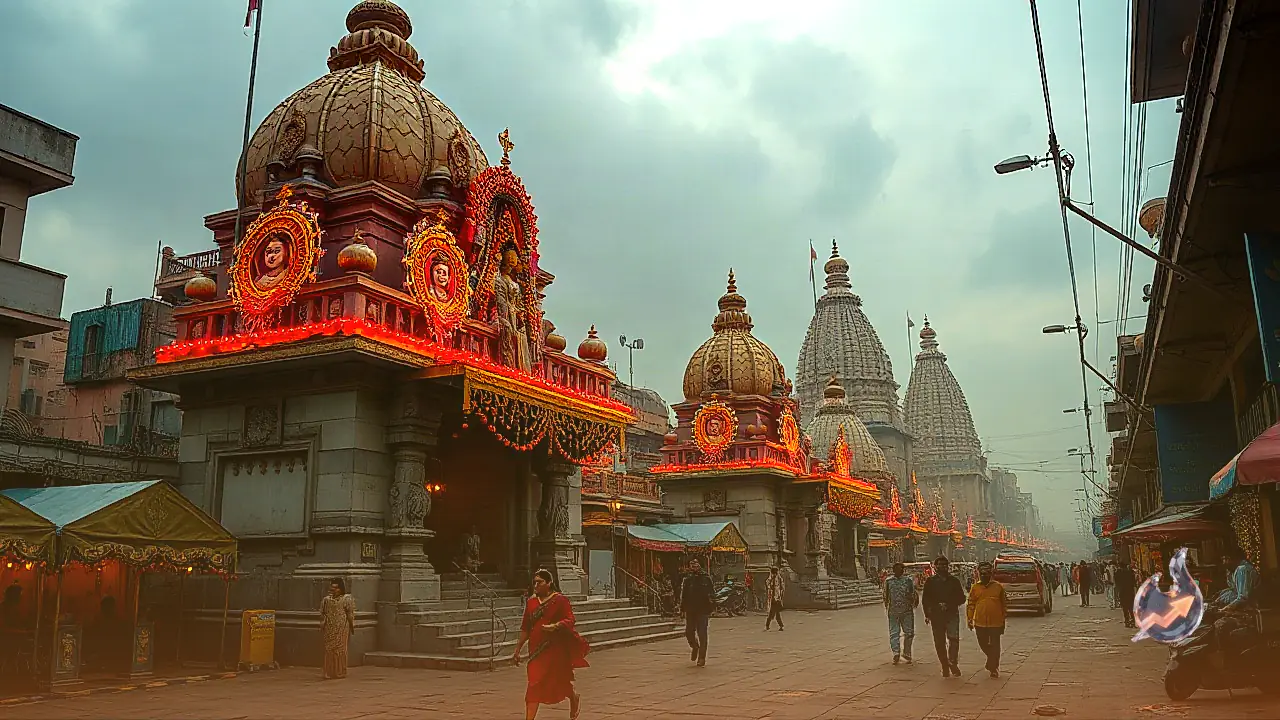



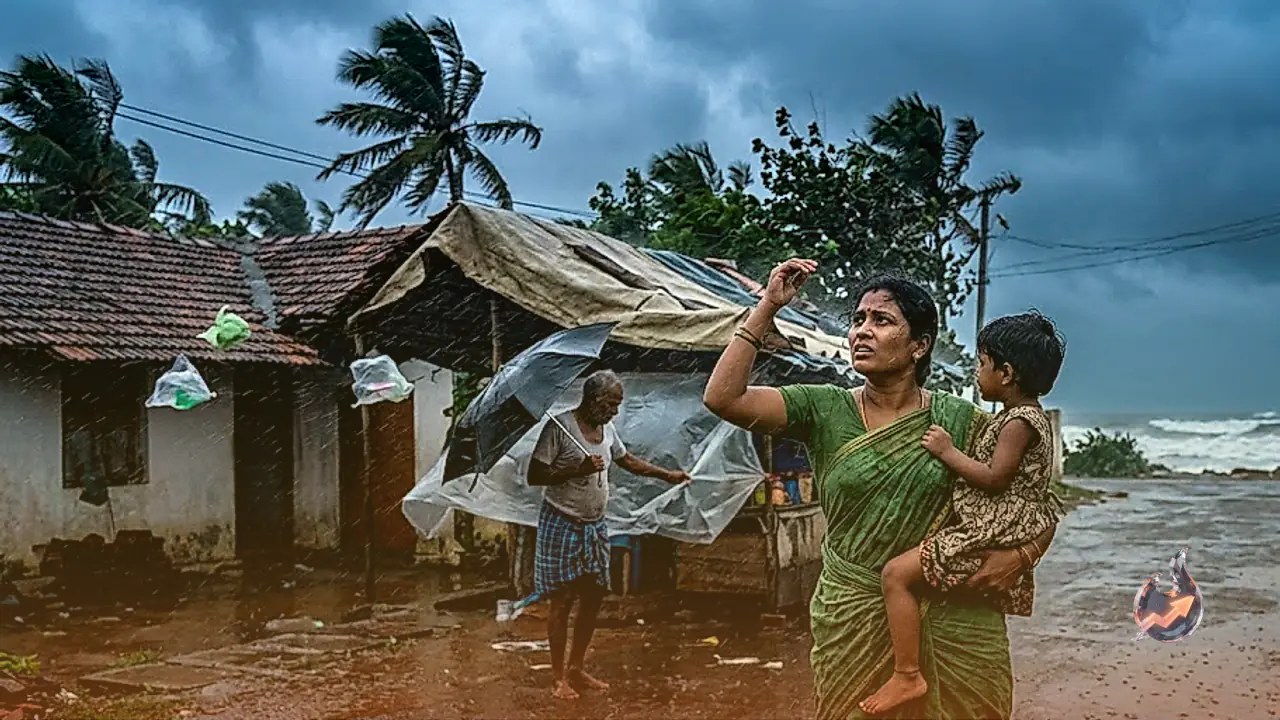



















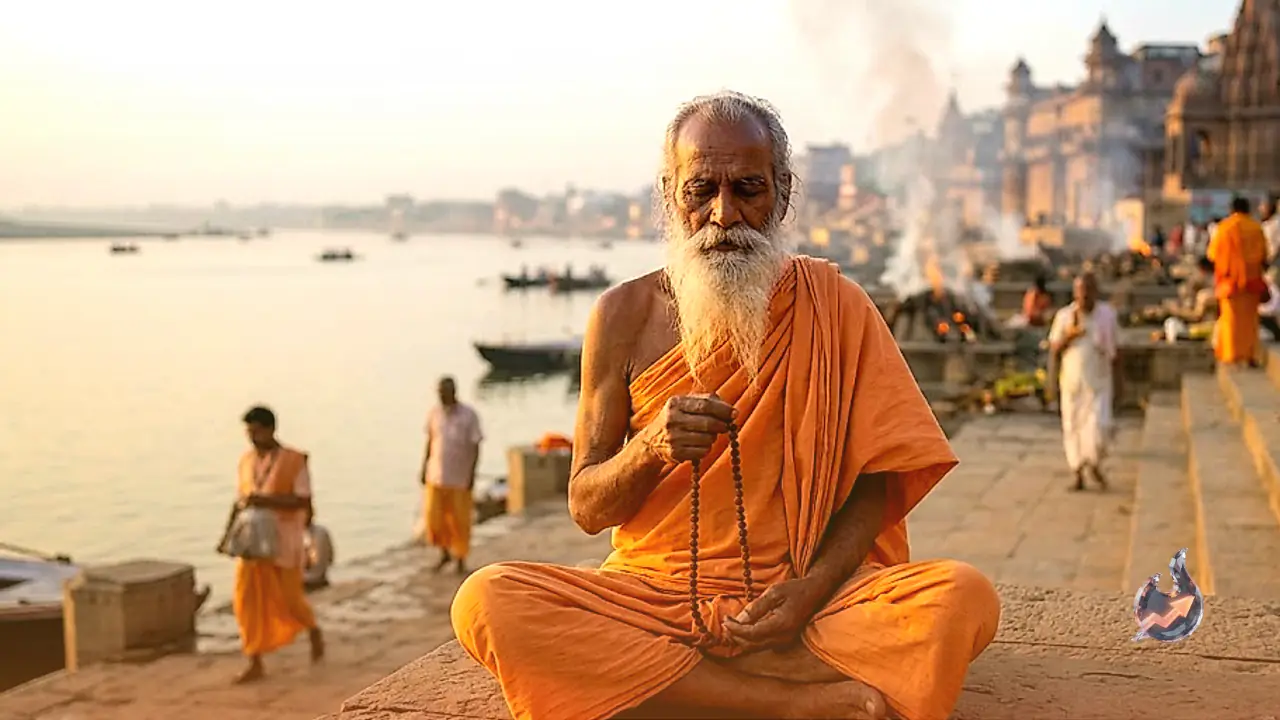

In the vast realm of Sanatan traditions, attire is not merely a tool for body coverage but holds profound spiritual and cultural significance. Since ancient times, the practice of wearing unstitched clothing during worship, daily prayers, and sacred ceremonies has been deeply ingrained in daily rituals. Whether attending temple worship, performing a havan for home peace, or participating in major religious rites, unstitched garments such as dhotis, sarees, and traditional shawls are given utmost preference. This custom remains continuous from the very beginning of human life to the final farewell. Understanding the philosophy behind these simple unstitched fabrics reveals the deep spiritual wisdom embedded within Vedic culture.
Symbol of Purity and Natural Essence
According to Vedic beliefs, once a cloth is cut and joined together using needle and thread, it undergoes artificial manipulation. In contrast, unstitched fabric remains in its original form, closest to nature. From a spiritual perspective, such garments are considered untouched by complex craftsmanship and possess a higher degree of purity and composure. For this reason, men wear dhotis and women choose unstitched sarees or wraps during religious rituals, ensuring that the sanctity and spiritual energy of the ceremony remain untainted.
Welcoming Newborns with Equality and Innocence
In many cultural regions across India, a newborn child is immediately wrapped in a piece of unstitched cloth after birth. Beyond being a customary practice, this tradition holds significant symbolic meaning regarding human existence. It signifies that every infant enters the world completely innocent, free from societal biases and worldly attachments. The unstitched cloth serves as a reminder that all human beings arrive into this world equal, unadorned, and pure before the Divine.
The Final Journey and Detachment from Worldly Belongings
Just as unstitched fabric marks the beginning of life, it also plays a crucial role during the last rites and cremation at the end of human existence. In Sanatan philosophy, wrapping the departed soul in plain unstitched cloth emphasizes the temporary nature of worldly possessions. Regardless of how much wealth, status, or material success an individual accumulates during their lifetime, everything remains behind. The plain unstitched garment signifies that a person leaves the world empty-handed, reinforcing the ultimate truth of human equality in the presence of nature.
Fostering Concentration and Discipline During Pilgrimages
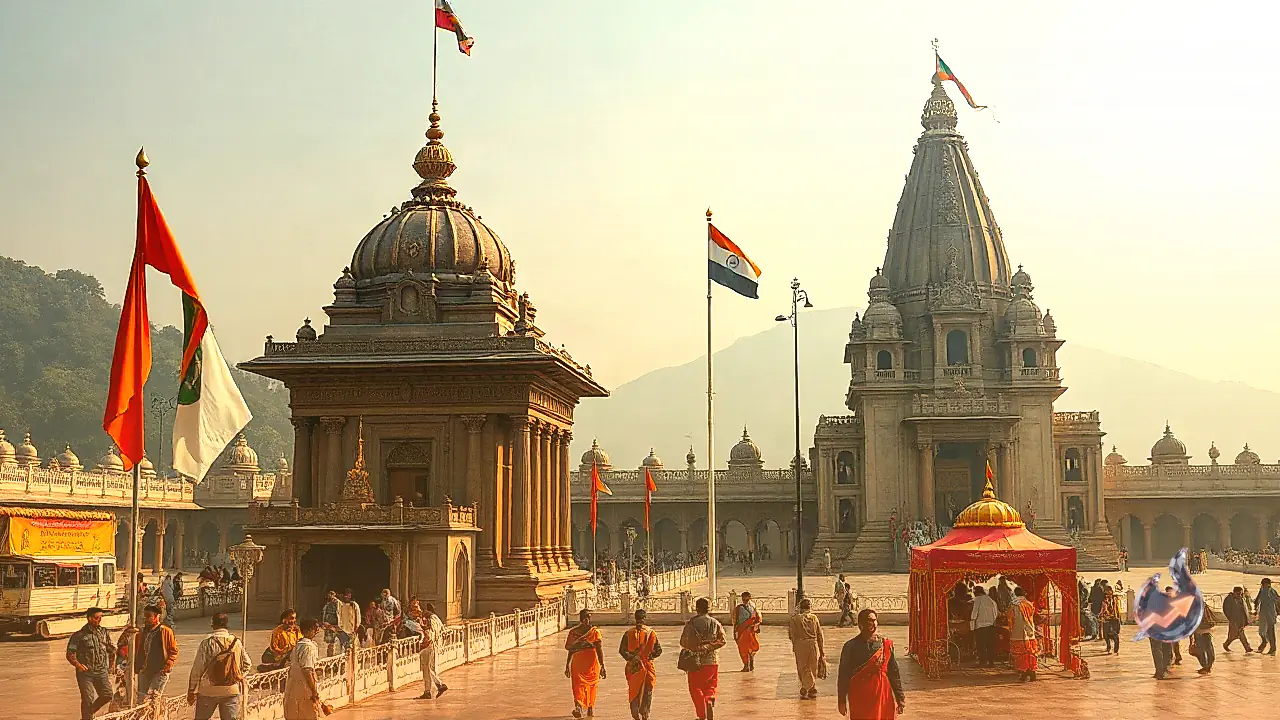
Pilgrims and devotees visiting holy shrines or undertaking strict religious fasts are often advised to wear unstitched attire. Tailored clothing can subconsciously connect an individual to modern comforts and fashion vanity. By wearing simple unstitched garments, devotees naturally cultivate self-restraint, humility, and mental discipline. Detached from external appearances, pilgrims can focus their mind entirely on prayer, meditation, and spiritual elevation.
Lessons of Renunciation from Ascetics and Saints
Saints, ascetics, and spiritual seekers habitually wear simple unstitched clothes as part of their daily lifestyle. For them, this choice of attire symbolizes complete detachment from worldly illusions and material desires. It conveys a clear message to society that true human progress is not measured by expensive wardrobe or external showmanship, but by inner purity, restraint, and spiritual devotion. This explains why this ancient custom continues to be observed with deep reverence in modern times.