





















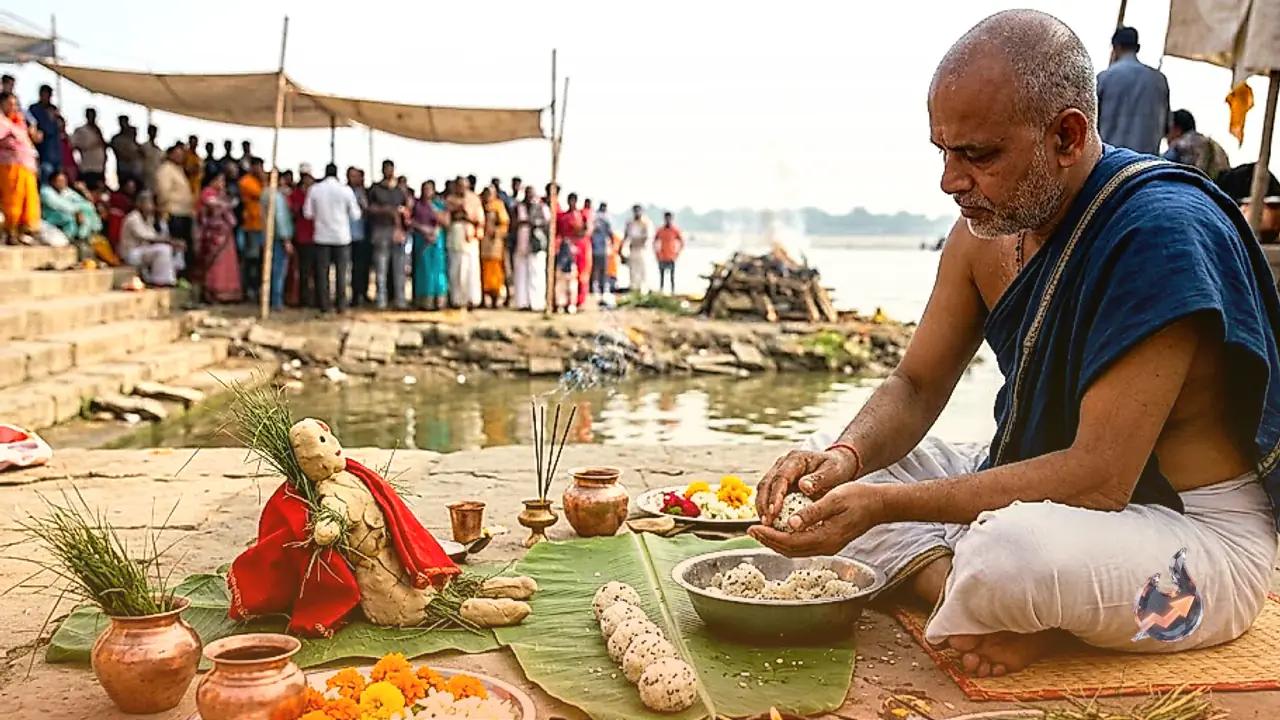

In Sanatan tradition, the rites and sacraments performed after death hold a profound significance alongside worldly life. When an individual passes away under sudden or unexpected circumstances, sacred scriptures prescribe specialized Vedic ceremonies that go far beyond standard annual offerings. Among these sacred rituals, the Narayan Bali puja stands out as a critical practice detailed in religious texts, designed specifically to bring solace, peace, and spiritual release to souls that suffered an untimely or unnatural demise.
How Narayan Bali Differs From Regular Shradh
While the annual Shradh performed during Pitru Paksha or death anniversaries is a routine family observance, Narayan Bali is categorized as an extraordinary ritual tied to specific circumstances. According to traditional beliefs, sudden death often leaves worldly desires and spiritual transitions incomplete. To release the departed soul from lingering unrest, grant complete peace, and assist in its onward spiritual journey toward liberation, this comprehensive ceremonial path is prescribed by traditional scholars.
Circumstances Requiring the Ritual According to Sacred Texts
The Garuda Purana lays out specific situations wherein performing Narayan Bali becomes an essential religious duty. The scriptures explicitly state that this ritual is meant for situations involving untimely or unnatural death. These include fatalities caused by fatal accidents, suicide, snakebites, attacks by wild animals, lightning strikes, unexpected severe illnesses, and other unforeseen, unnatural incidents. In every such unfortunate event, performing these rites is recommended to resolve spiritual blockages.
Purification in Sacred Rivers and Formal Sankalpa
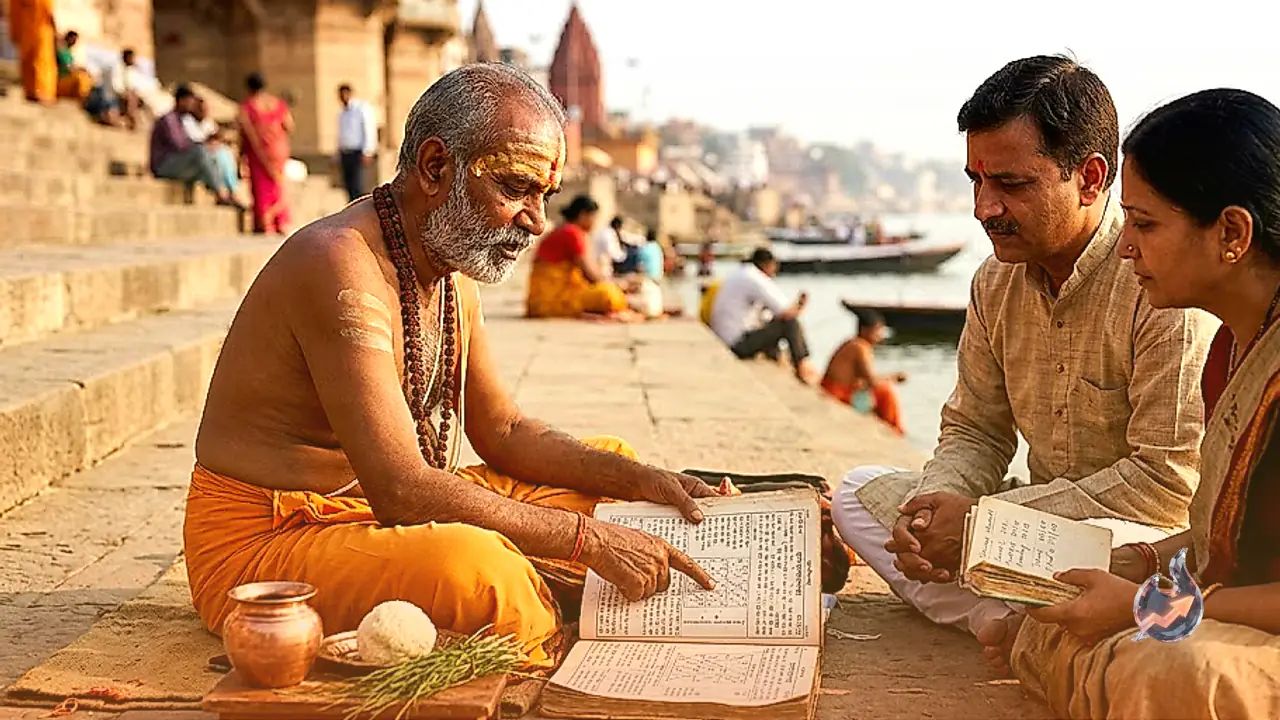
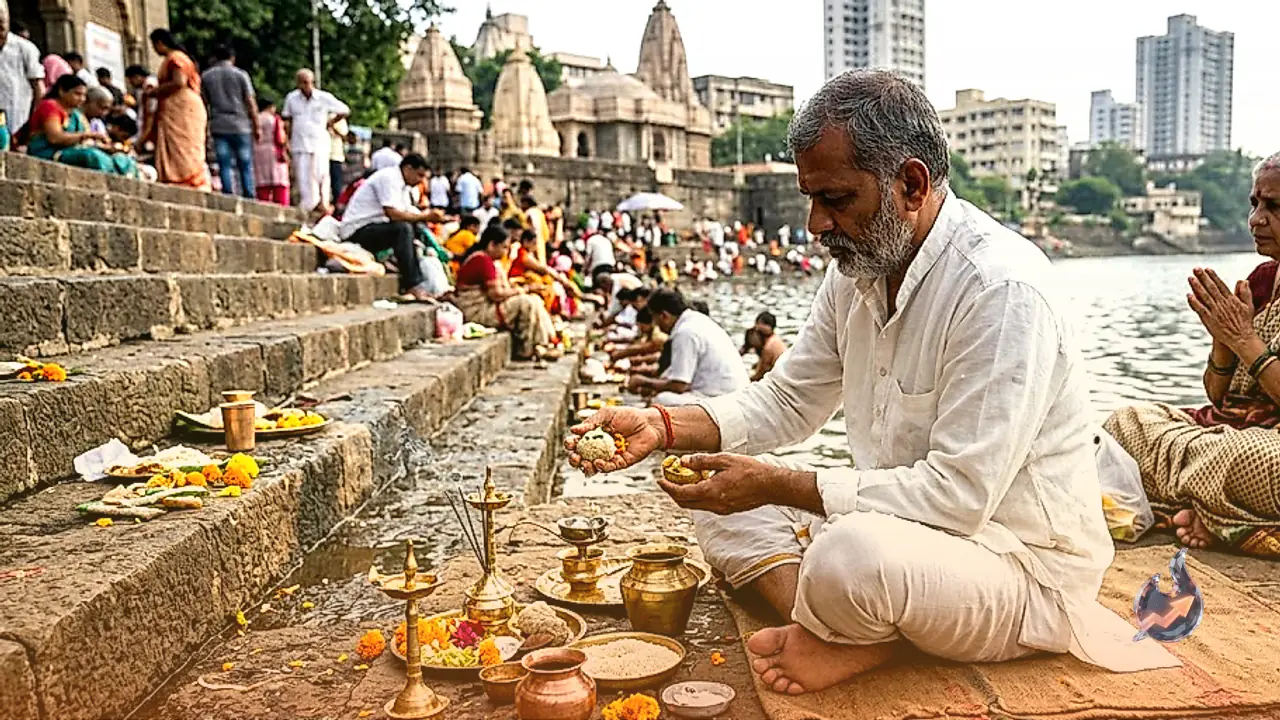
The formal procedure begins with spiritual purification and a dedicated vow, known as sankalpa. Tradition mandates that the family representative take a holy dip in sacred rivers such as the Ganga or Godavari. Following the bath, the person takes a formal sankalpa under the guidance of knowledgeable priests, clearly declaring the objective of the ceremony, which is the peace, contentment, and liberation of the departed ancestor. Once the purpose is formally declared, prayers and invocations to the divine energies commence according to scriptural codes.
Consecration of Five Kalashas and Vedic Chanting
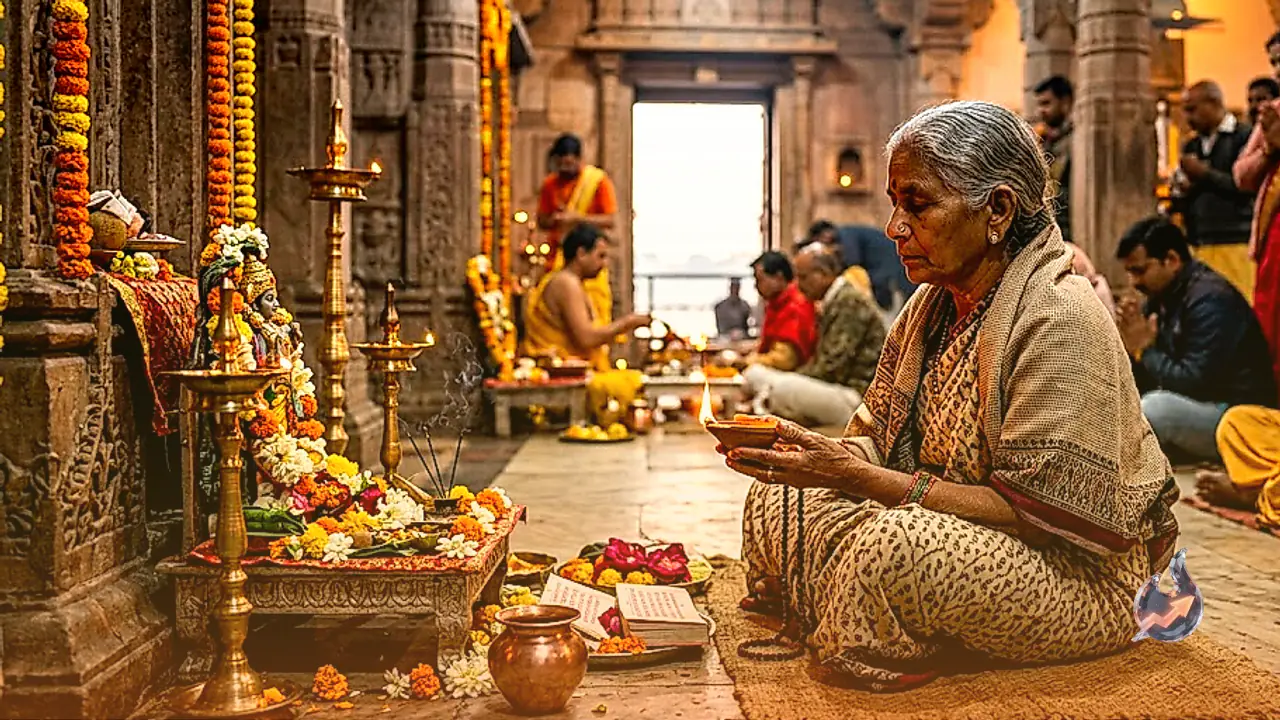
In the subsequent phase, five sacred kalashas, or water pots, are consecrated on the ceremonial altar. Each vessel serves as a sacred representation of one of five supreme deities: Brahma, Vishnu, Rudra, Yama, and Savitr. The officiating priests chant prescribed Vedic hymns to invoke these divine forces, ensuring that every subsequent step of the extensive proceedings adheres strictly to orthodox traditions.
Crafting the Symbolic Effigy From Wheat Flour
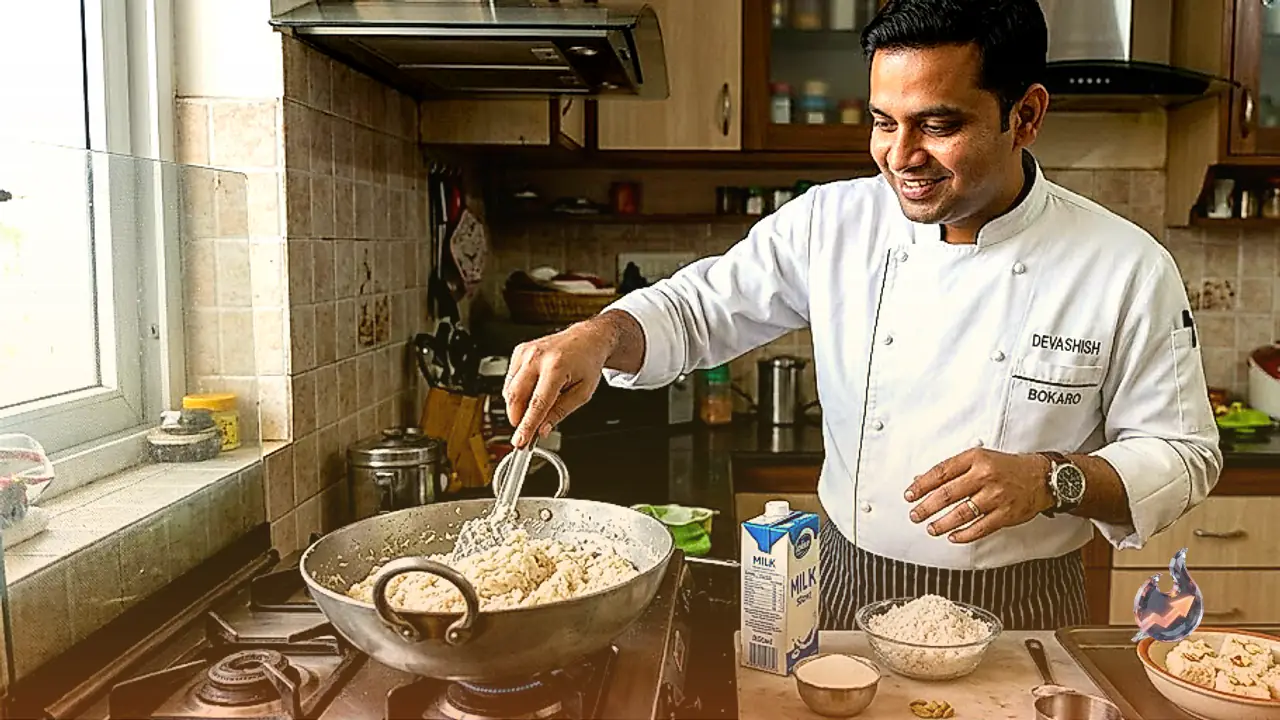
Because the physical body of the deceased has already decomposed or been cremated long before, an artificial effigy is crafted using wheat flour dough. In Vedic symbolism, this effigy acts as an exact surrogate for the departed soul's physical vessel. All subsequent funerary rites, mantras, and purification steps are directly directed toward this prepared effigy to complete the spiritual transition.
Offering Ten Pindas and the Symbolic Funeral
On the opening day of the ceremony, the ritual of offering ten pindas takes center stage. Ten sacred balls prepared from rice or wheat are offered sequentially to the wheat flour effigy. This process is spiritually connected to completing the subtle spiritual body of the deceased and satisfying any remaining worldly longings. Following this offering, a symbolic cremation of the dough effigy is performed. This acts as a secondary, rectifying funeral service intended to rectify any flaws, omissions, or shortcomings that may have occurred during the original last rites at the time of death.
Sapindikarana Shradh, Tarpan, and Final Offerings
The complex ritual spans into the second day, during which the Sapindikarana Shradh is performed. At this stage, sacred tarpan offerings are made to three preceding generations of ancestors. The offerings are conducted using clean water mixed with black sesame seeds, honey, and fresh flowers. To conclude the entire proceeding, Brahmins are served a traditional meal, followed by generous donations given according to the family's financial capacity. Serving food and distributing charity are regarded as indispensable elements for the peace of the departed soul. Because the exact procedures, timing, and qualifications may vary slightly across different regions, lineages, and regional customs, families are advised to conduct this ceremony under the direct supervision of an experienced priest or Vedic scholar.