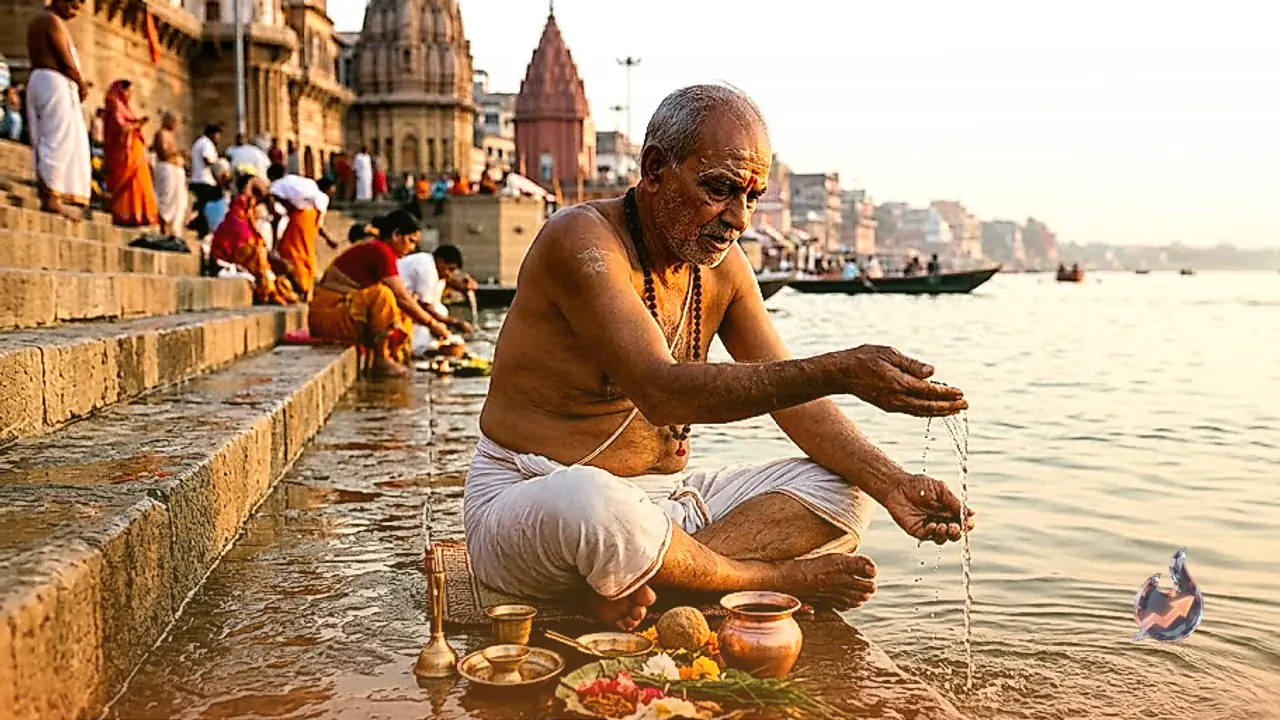






















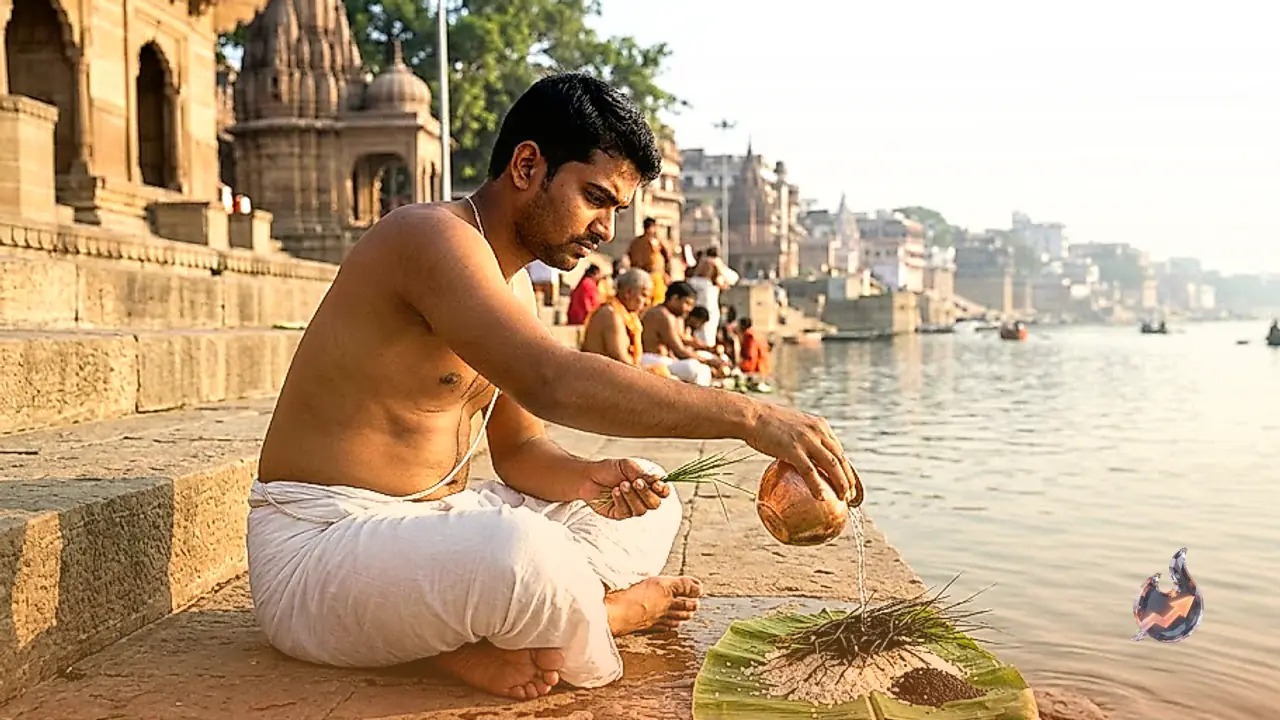

In Hindu spiritual philosophy, the sacred fortnight of Pitru Paksha is observed as a dedicated period to remember ancestors and express deep gratitude toward previous generations. During these solemn days, families perform Shraddh, Tarpan, and Pind Daan to ensure peace for the souls of their departed lineage. This ancient rite holds profound cultural and religious significance, representing an unbroken link between the living and their forebears. The roots, foundational rules, and sacred symbolism of these ceremonies are elaborated in detail within the Anushasana Parva of the Mahabharata. Spiritual guide Pt Hari Mohan Sharma from Karauli explains that within the sacred verses of the Anushasana Parva, Bhishma Pitamah enlightened Yudhishthira about the spiritual essence of Shraddh and recounted the exact narrative of how this ancient practice first emerged on Earth.
The Sacred Instructions Given to Maharshi Nimi
According to the historical lore documented in the Mahabharata, the very first mortal instructed in the discipline of Shraddh was Maharshi Nimi. Sage Atri Muni imparted the comprehensive spiritual knowledge and precise ritual techniques of ancestor worship to him. Following the divine guidance of Atri Muni, Maharshi Nimi performed the world's first formal Shraddh ceremony. Witnessing the sacred harmony of this offering, other revered sages and hermits soon adopted the practice for their own lineages. Over time, the sacred observance expanded throughout broader society, establishing a shared duty for families to offer food, sacred grains, and consecrated water to their ancestors.
As the tradition gained widespread practice, an unexpected divine dilemma occurred. The continuous and heavy consumption of Shraddh offerings caused acute indigestion among both the deities and the ancestral spirits. Troubled by this chronic physical affliction, the celestial beings and ancestors approached Lord Brahma, the creator, seeking relief from their discomfort. Brahma listened to their grievance and directed them to seek refuge in Agni Deva, the deity of fire.
The Essential Role of Agni in Ancestral Offerings
When the assembly of deities and ancestors approached Agni Deva, he formulated a lasting ritual solution. Agni declared that henceforth, whenever humans perform a Shraddh ceremony, a dedicated portion of the consecrated feast must be offered directly to the sacred fire before any other distribution. The purifying power of fire would help balance and assimilate the rich offerings, permanently resolving the digestive distress of the deities and ancestors. Because of this divine covenant, every traditional Shraddh ritual to this day strictly requires an initial oblation to Agni before the food is distributed or served.
Rules for Honoring Three Generations of Forebears
The Anushasana Parva outlines precise procedural tenets for performing Pind Daan. The scriptures stipulate that the ceremonial rice balls, or pinds, must be offered specifically across three direct generations of male ancestors: starting first with one's father, followed by the grandfather, and then the great-grandfather. Traditional belief emphasizes that unwavering mental focus, pure devotion, and profound concentration are the most crucial requirements while presenting these offerings. During the Tarpan ritual, the practitioner must clearly and accurately enunciate the name and lineage lineage identifiers of each ancestor to complete the rite properly.
Furthermore, offering sanctified water holds paramount importance throughout Tarpan. Scriptural custom dictates that a person must first offer water to the departed souls of their own immediate family and clan. Only after fulfilling this foundational duty should they pour sacred water offerings for friends, extended relatives, and well-wishers. The custom of executing Pind Daan and Tarpan along the banks of holy rivers, sacred pilgrimage reservoirs, or natural water bodies has persisted through centuries, as flowing waters are considered pure conduits for spiritual peace.
The Power of Amavasya and the Mystery of Three Pinds
The texts of the Mahabharata place immense emphasis on performing Shraddh rites on the Amavasya, the new moon day of the waning lunar phase. Performing Tarpan on this specific day is considered exceptionally auspicious and deeply rewarding, which is why the Sarva Pitru Amavasya at the end of Pitru Paksha remains the most critical date for ancestral remembrance.
The epic also records a distinct metaphysical ritual involving three separate pinds. In this ceremony, one pind is consigned to sacred water, the second is received by the practitioner's wife, and the third is offered to the sacrificial fire. Scriptural doctrine holds that the pind released into water reaches the realm of deities and ancestors through the lunar sphere, granting them supreme fulfillment. The pind consumed by the wife is associated with blessings for progeny and the preservation of family lineage, while the third pind consigned to fire cleanses the atmosphere and directs spiritual harmony to all ancestors.