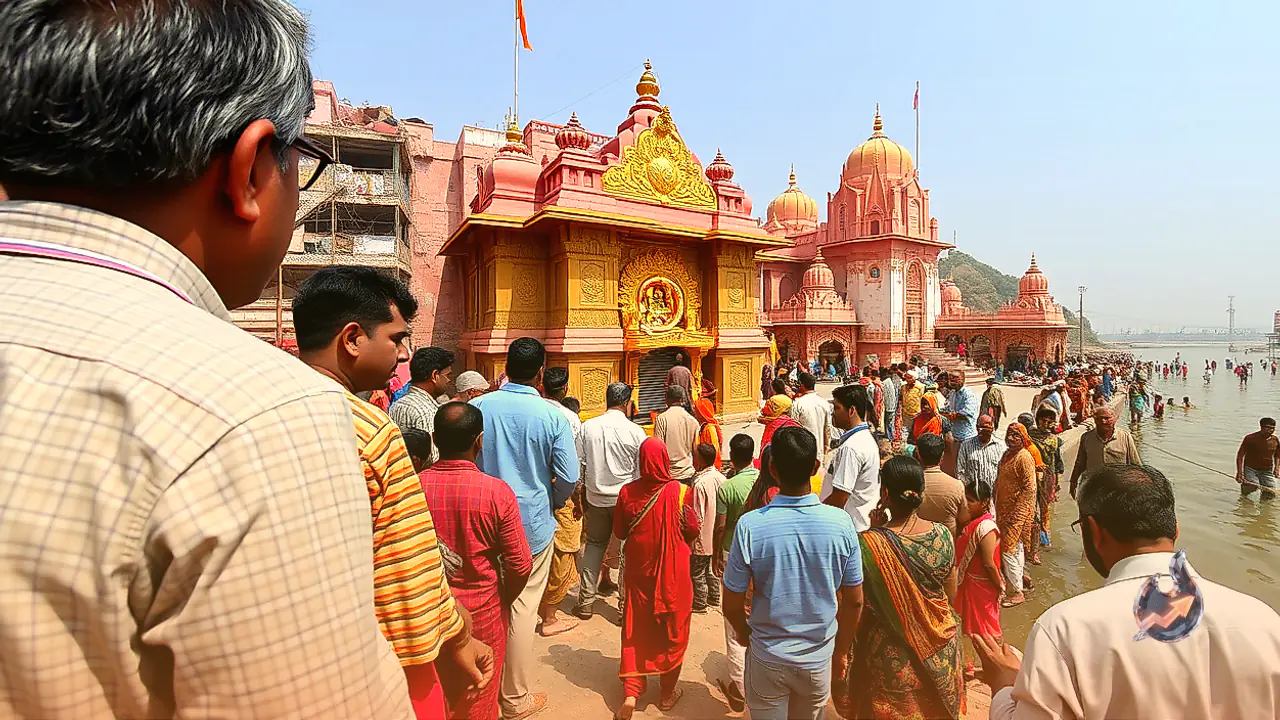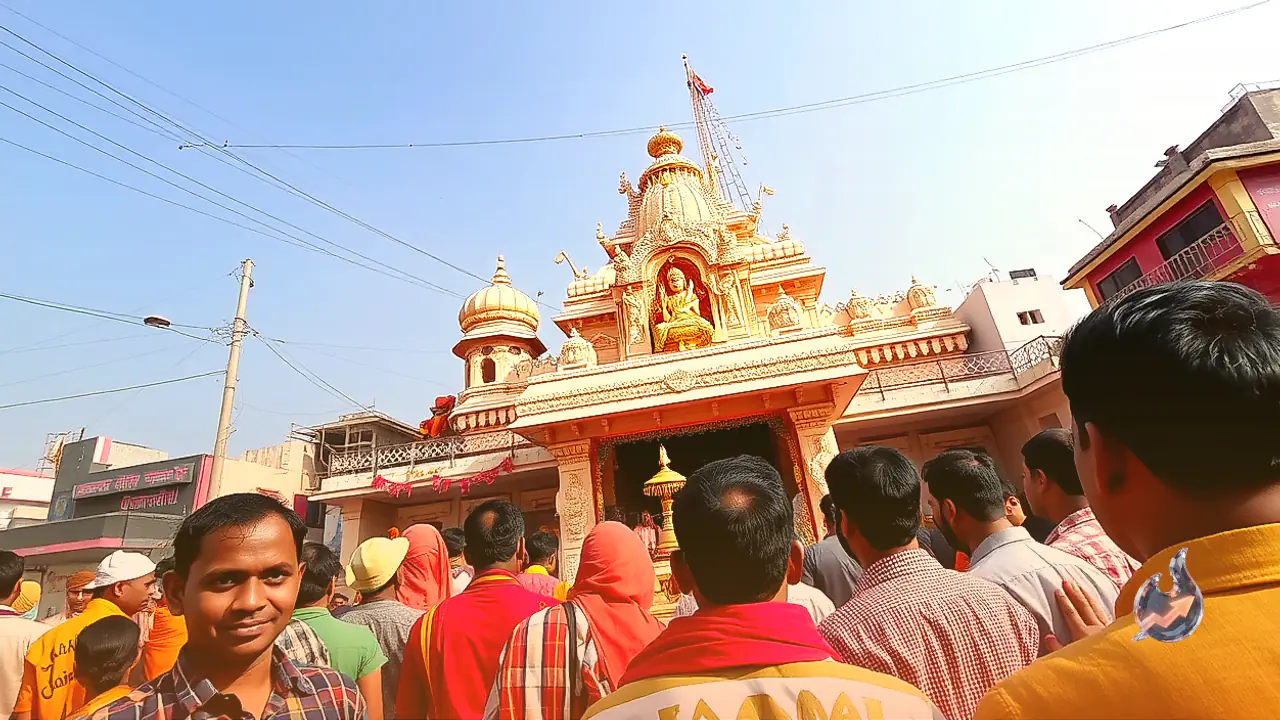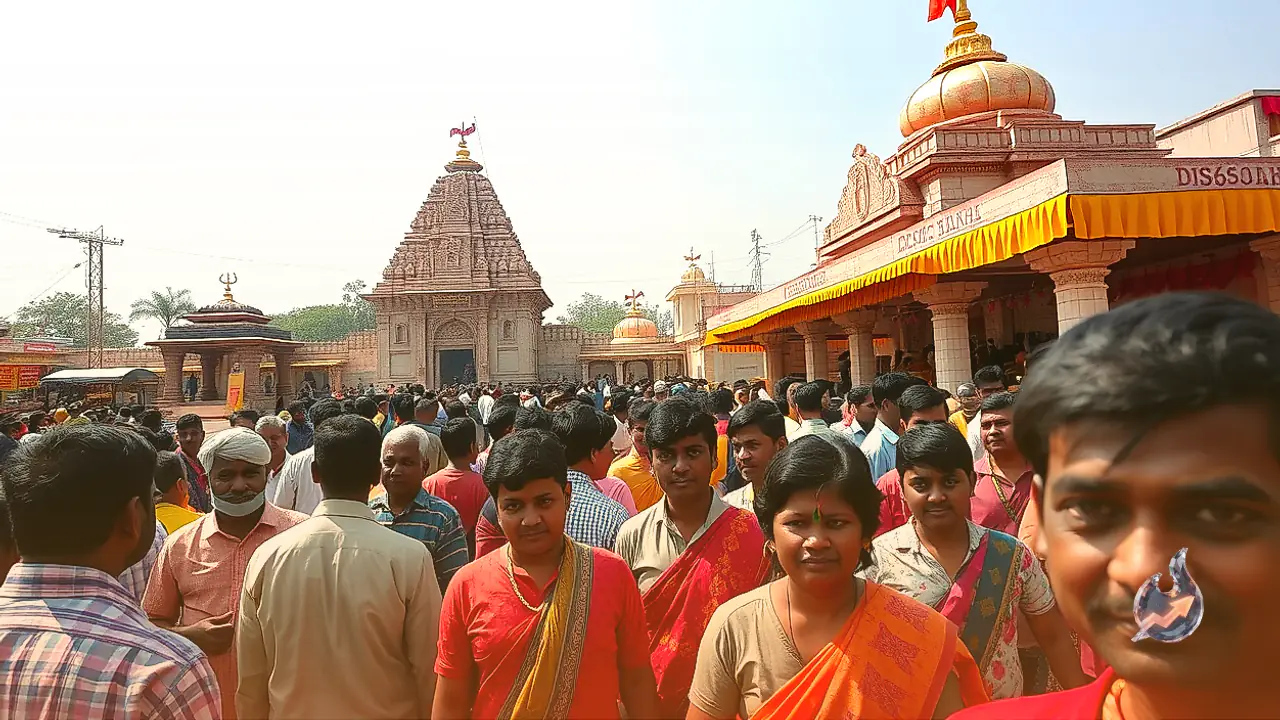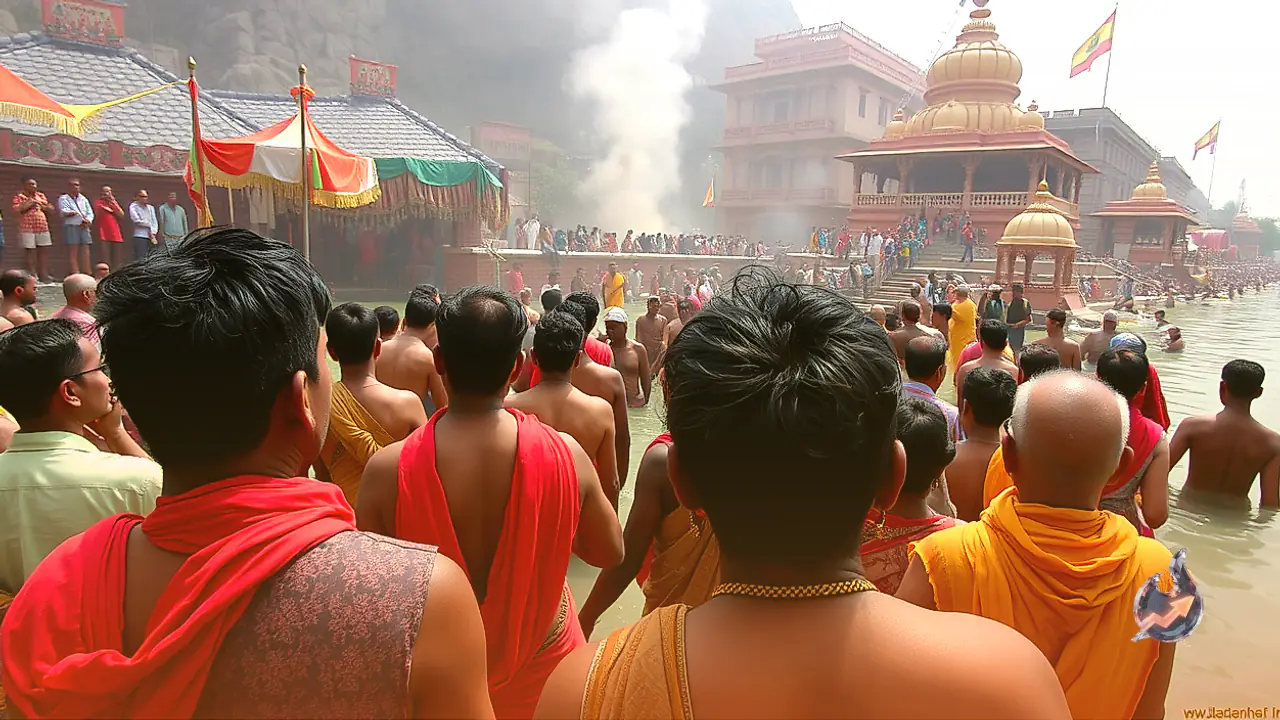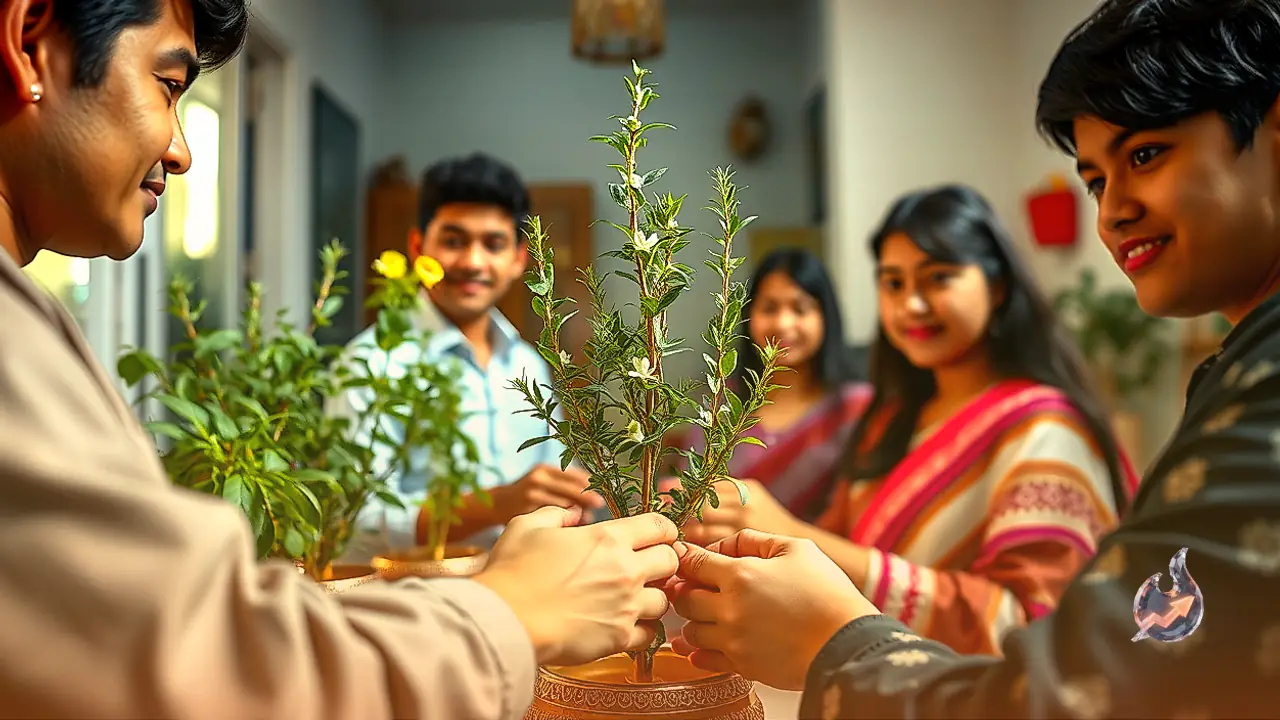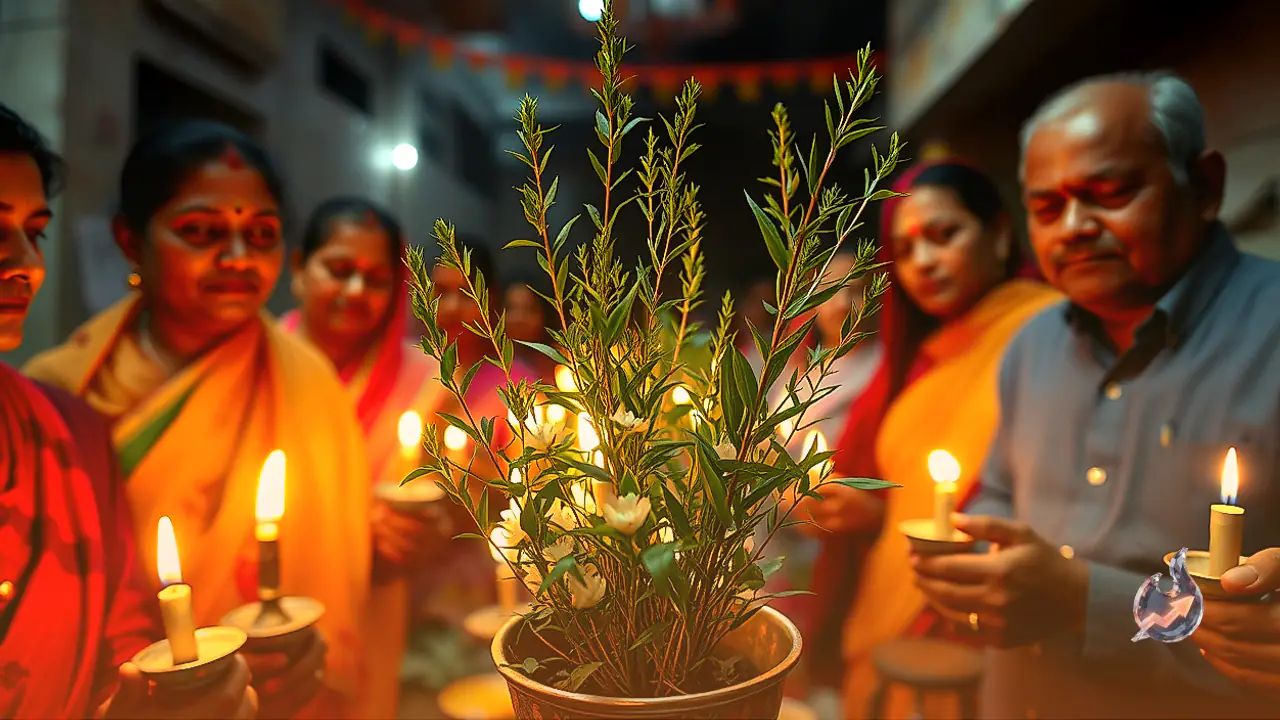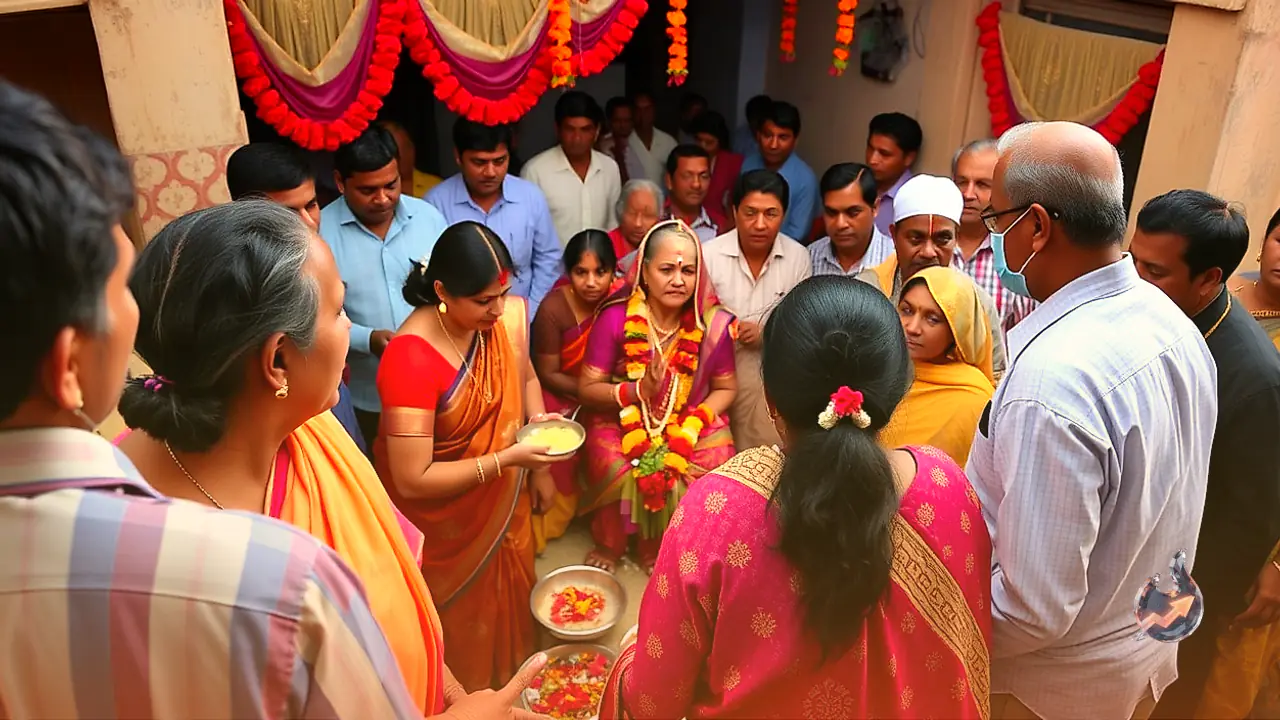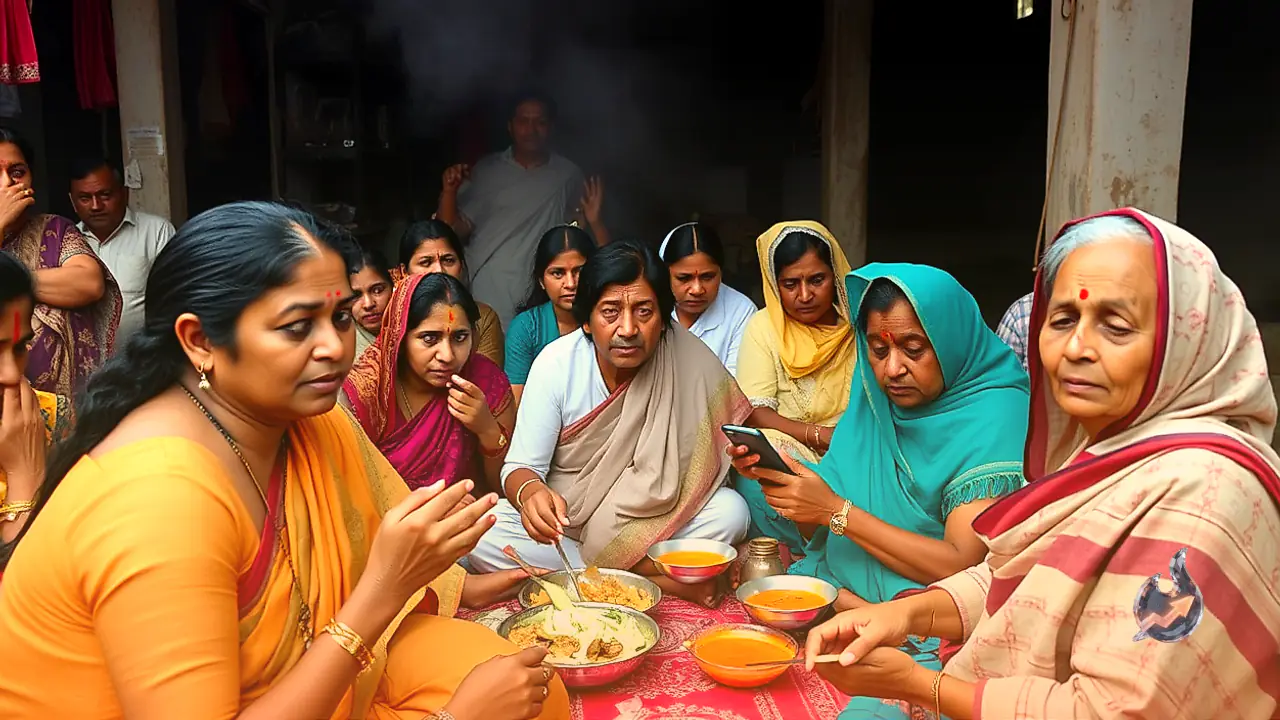

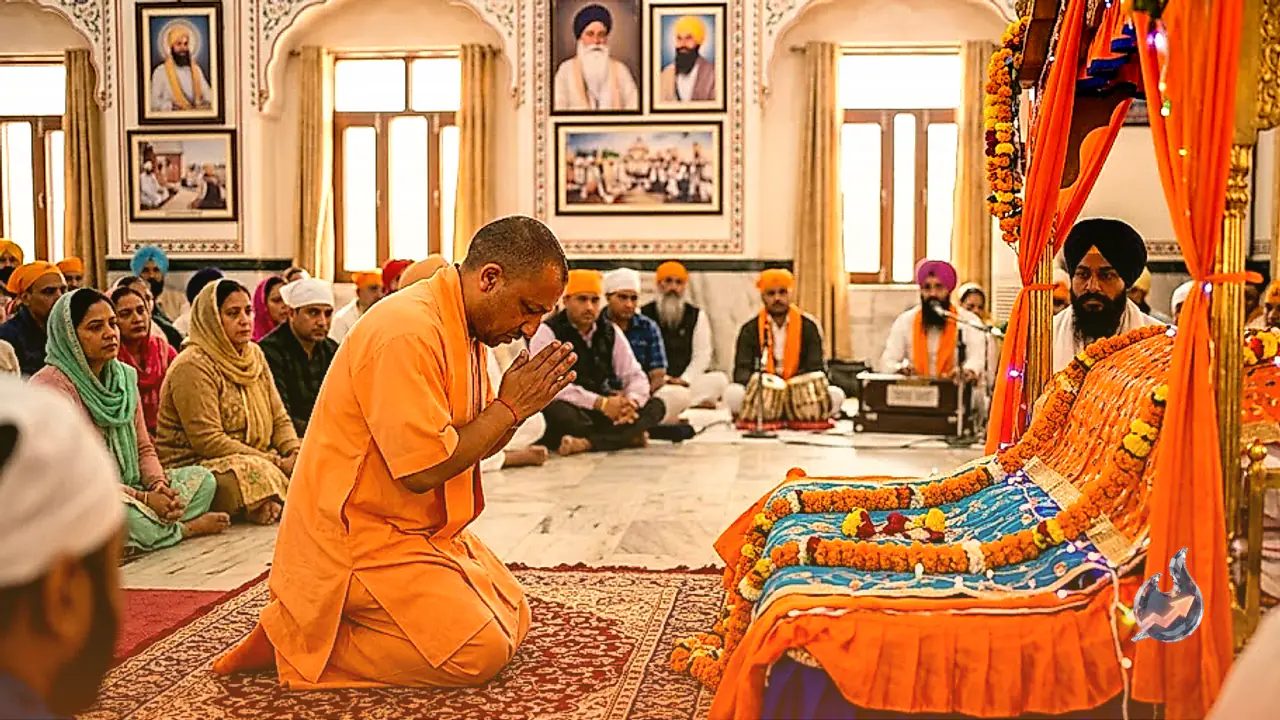

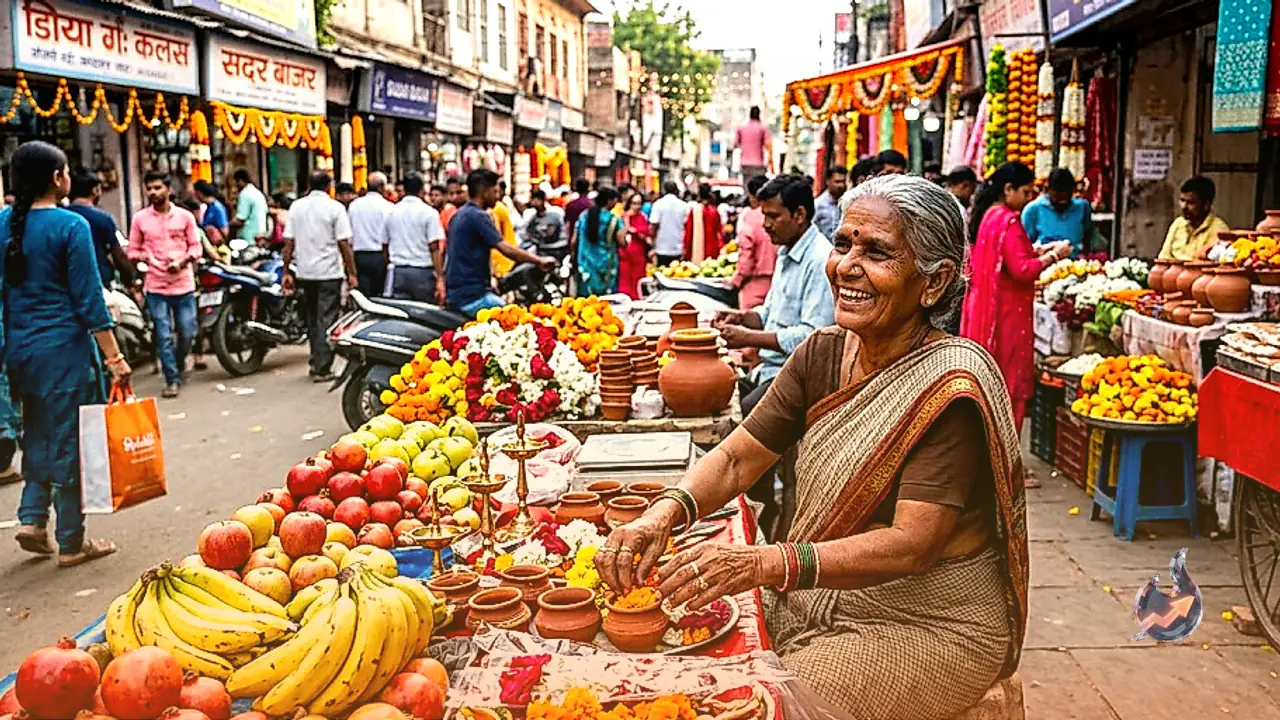

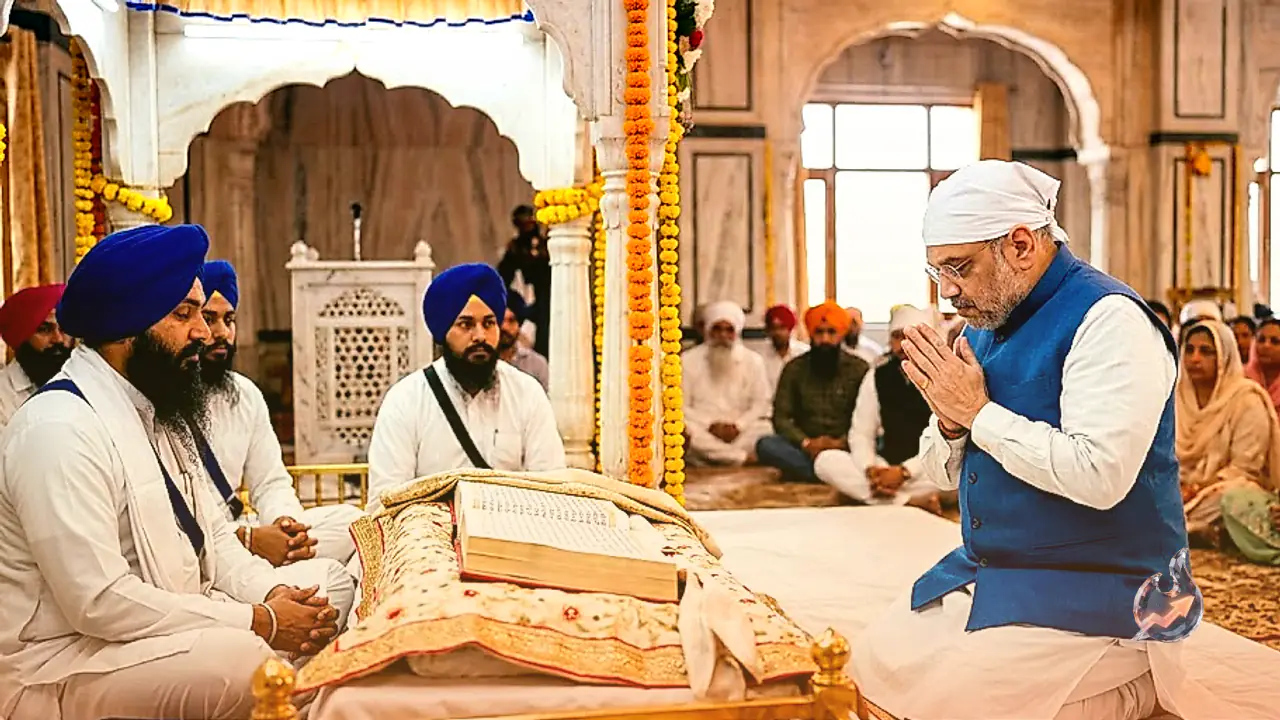
















In Hindu traditions, the Ekadashi that coincides with Pitru Paksha carries immense spiritual significance for honoring ancestors. In 2026, the sacred fast of Indira Ekadashi will be observed on Tuesday, October 6. Believers hold that observing this fast with strict devotion and performing shradh, tarpan, and charitable deeds in the name of departed souls helps ancestral spirits find relief from torment and wanderings in lower realms. Dedicating the spiritual merits of this day to ancestors is regarded as a direct path to securing their spiritual liberation. Consequently, special care and strict discipline are exercised during the traditional feast and ceremonies arranged for this holy occasion.
Indira Ekadashi Tithi Timings and Observance Date
According to the traditional calendar, the Ekadashi tithi commences on Tuesday, October 6, 2026, at 2:07 AM. The tithi will conclude on Wednesday, October 7, 2026, at 00:34 AM. Under Hindu customary rules where fasts and ancestral rites are fixed by the sunrise tithi, both the Indira Ekadashi fast and the associated shradh rituals are to be observed on Tuesday, October 6, 2026. Devotees dedicate this entire span to focused prayers and divine remembrance.
Auspicious Muhurat for Shradh Rituals
Performing ancestral offerings during specifically recognized windows of the day is believed to yield the most fruitful spiritual results. On October 6, families observing the rituals should note the following timings
- Kutup Muhurat: 11:46 AM to 12:33 PM. This is the optimal window to initiate ancestral rites and water offerings.
- Rohin Muhurat: 12:33 PM to 01:20 PM. Offerings performed in this phase are believed to bring deep spiritual satisfaction to ancestors.
- Aparahna Kaal: 01:20 PM to 03:40 PM. This extended afternoon interval is traditionally utilized to complete the pinda daan and organize meals for Brahmins.
Worship of Lord Vishnu and Deliverance of Ancestors
Religious texts state that the observance of Indira Ekadashi is centrally devoted to Lord Vishnu. A cherished belief asserts that when a devotee transfers the spiritual virtues earned from fasting to departed ancestors, it eases their afterlife journey. Even if ancestors have entered lower existential realms due to past actions or are enduring suffering in the underworld, the shradh and prayers performed on this day provide relief. Maintaining pure intention and devotion throughout the day is believed to invite long-lasting ancestral blessings into the household.
Essential Guidelines and Precautions for the Shradh Feast
To ensure that the sacred rites are performed properly, observers must keep several traditional guidelines in mind throughout the day
- Wake up before daybreak, cleanse yourself with a morning bath, and formally take the vow of fasting while invoking Lord Vishnu.
- Perform an elaborate worship of Lord Vishnu at the household altar with incense, lamps, and pure offerings.
- Offer tarpan with pure water while reverently remembering ancestors and preparing charitable gifts.
- Ensure the highest degree of personal cleanliness, purity, and spiritual devotion throughout the ritual process.
- Prepare exclusively sattvic food without any prohibited or tamasic ingredients for both the offerings and the feast.
- Invite Brahmins or feed disadvantaged individuals according to your personal financial capacity.
- Refrain strictly from disrespecting or insulting anyone, maintaining peace, humility, and emotional restraint throughout the day.
- After finishing all formal rites, distribute food, fresh clothing, and charity to those in need in the memory of ancestors.
- Avoid cutting your hair or clipping your nails, as both grooming activities are strictly prohibited on this day.
A Path Toward Grace and Ancestral Blessings
Devotees believe that dedicating oneself to Indira Ekadashi earns the divine grace of Lord Vishnu while paving the way for the liberation of departed ancestors. Because it takes place right in the heart of Pitru Paksha, the religious weight of this occasion is magnified. On October 6, families are encouraged to offer prayers to Lord Vishnu, perform tarpan with clear faith, and engage in generous charity to honor their ancestral heritage.