














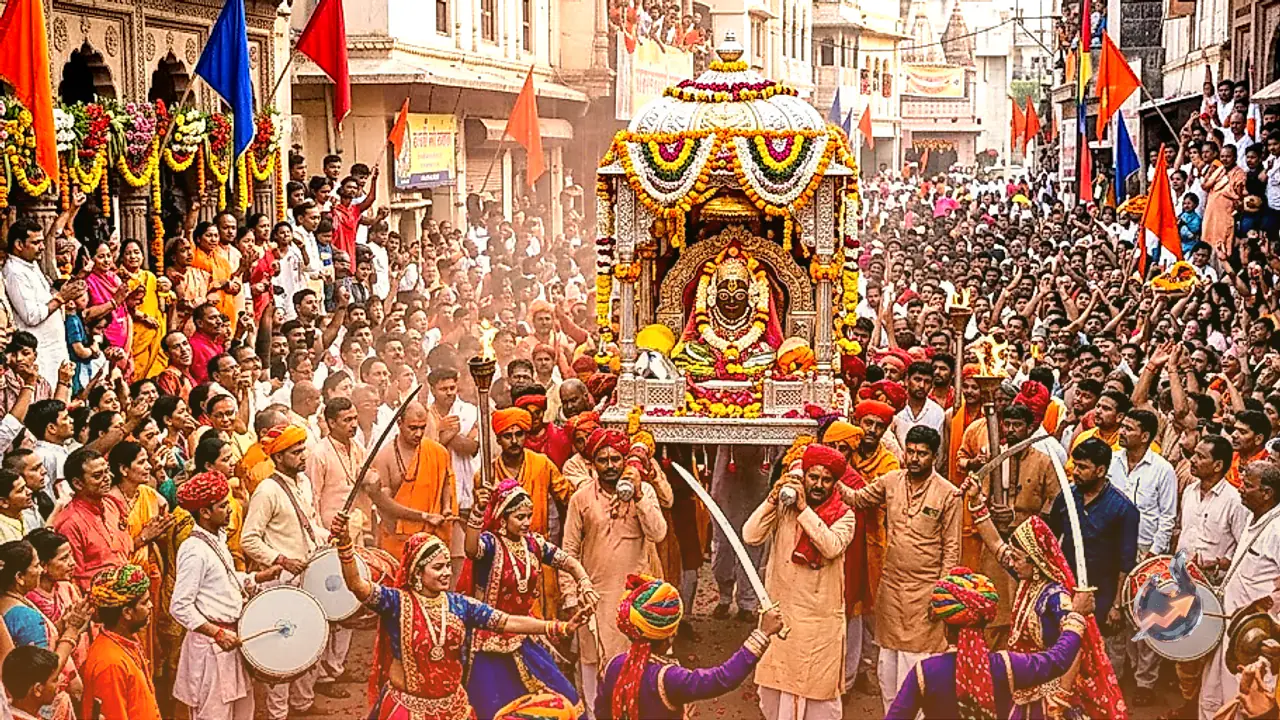
On the second Monday of the holy month of Sawan, the procession of Baba Mahakal was taken out in Ujjain amidst a grand and deeply devotional atmosphere. This time, the central theme of the procession was folk dance, where artists mesmerized the gathered devotees with their traditional performances. Lord Mahakal was seated on a silver palanquin in His Chandramoleshwar form, while the Man Mahesh form rode on an elephant. Thousands of devotees thronged the route of the procession. Worshippers caught glimpses of Baba Mahakal, showered flowers on Him, and filled the entire city with resonant chants of Jai Mahakal and Har Har Mahadev.
Vedic Chants and Guard of Honour Mark the Start
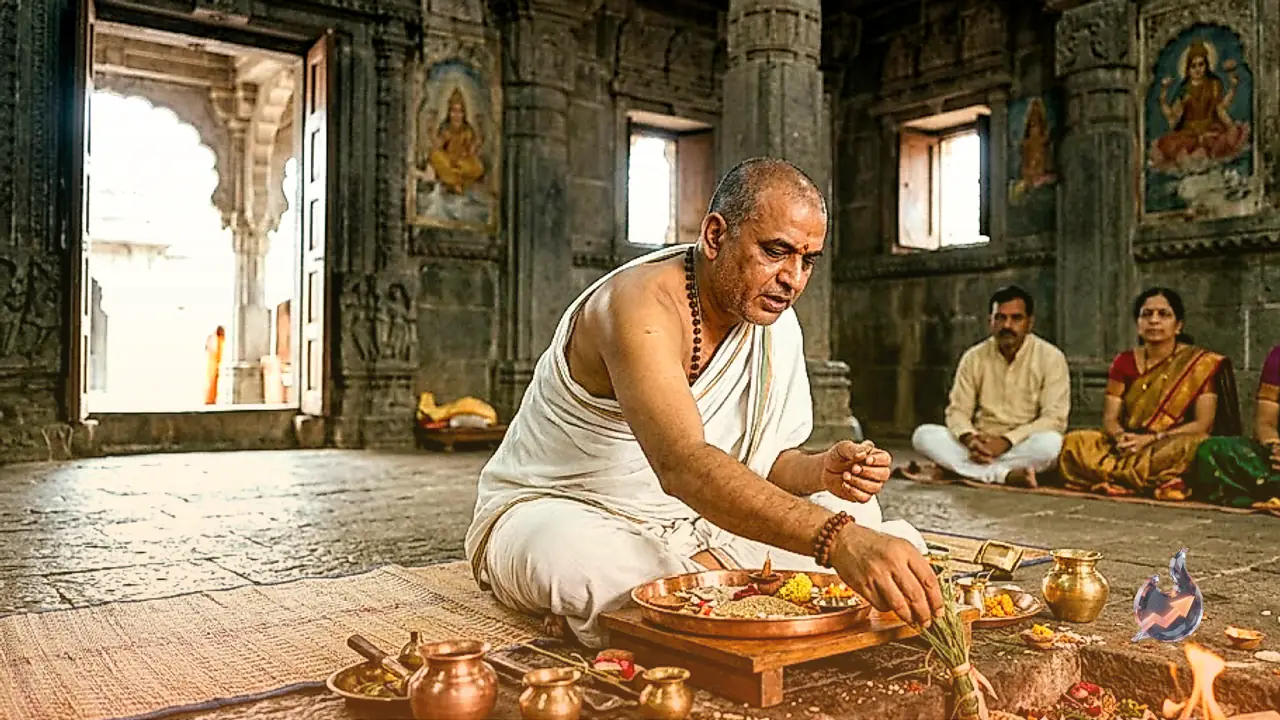
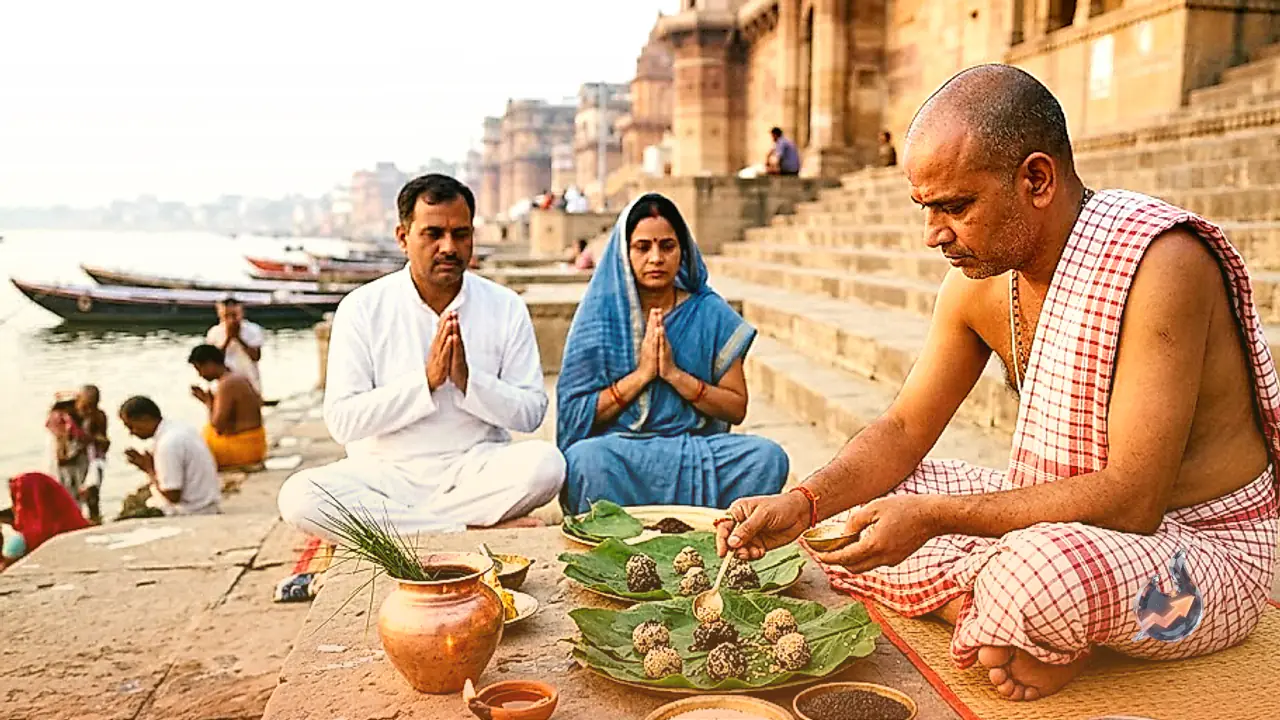
Prior to the procession, Lord Chandramoleshwar was worshipped following strict rituals inside the assembly hall of the temple. Pandit Ghanshyam Pujari completed the worship amidst Vedic chants, after which Baba Mahakal was seated in the silver palanquin in His Chandramoleshwar avatar. Meanwhile, the Man Mahesh form, which featured in the previous procession, was mounted on an elephant. As soon as the palanquin emerged from the temple premises, armed police forces offered a guard of honour to salute Baba Mahakal. This moment was met with thunderous shouts of Jai Mahakal and Har Har Mahadev echoing throughout the entire city.
The Traditional Route Reaching the Banks of Shipra
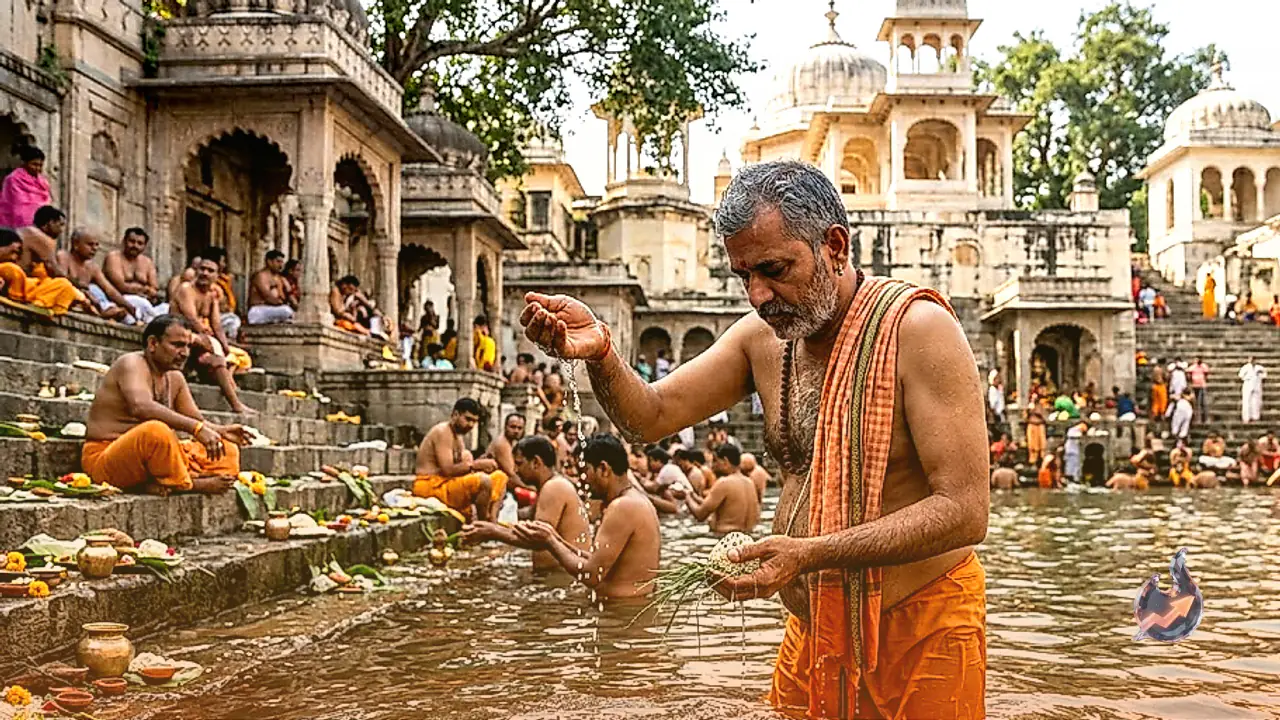
Following ancient traditions, the procession started from the Mahakaleshwar Temple and passed through Mahakal Chauraha, Gudri, Bakshi Bazaar, Kaharwadi, and eventually reached Ram Ghat. At Ram Ghat, Lord Mahakal was worshipped and bathed with the holy waters of the Shipra River. During this ritual, the resonance of Vedic mantras immersed the entire Shipra bank in an intensely spiritual environment. Afterwards, the procession made its way back through Ramanujkot, Modh ki Dharamshala, Kartik Chowk, Dhaba Road, Gopal Mandir, Patni Bazaar, and Gudri Bazaar before finally returning to the Sri Mahakaleshwar Temple.
Upcoming Themes and Schedule for Future Processions
While the very first procession of Mahakal was based on a Vedic recitation theme, the second one was centered around folk dance. In this leg, folk artists from Jhabua marched in traditional attire performing folk dances. Looking ahead, the third procession on August 17 will feature a theme of police, army, home guard, and school bands. This will be followed by the fourth procession on August 24 focusing on environmental conservation, the fifth procession on August 31 displaying the tableau of 84 Mahadevs, and finally the grand royal procession on September 7 showcasing the Simhasth-2028 tableau. Tribal dance troupes from various districts of Madhya Pradesh will give performances across all these processions.
Devotees Gather in Masses and Beliefs Associated with the Journey
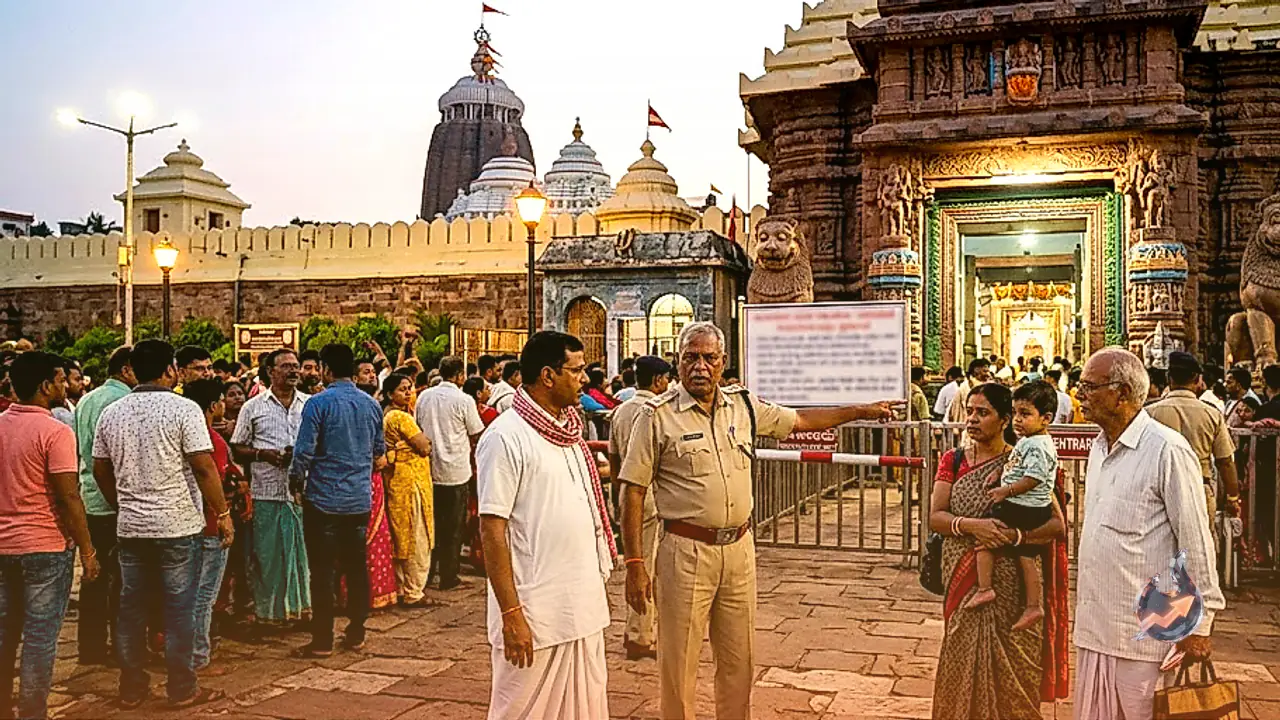
Mahesh Pujari of the Mahakal Temple explained that the month of Sawan is a period of special awakening for Lord Mahakal. During this time, He embarks on a tour of the city to check on the well-being of His people. It is a deeply held belief that mere sight of the procession dispels all diseases, fears, and afflictions. Devotees arrived from all across the country to witness Mahakal. Everyone was seen waiting for hours just to catch a single glimpse of Baba. Long queues of worshippers were visible across the temple and the main thoroughfares of the city. Along the procession route, continuous flower showers and bhajan troupes left devotees emotionally overwhelmed.