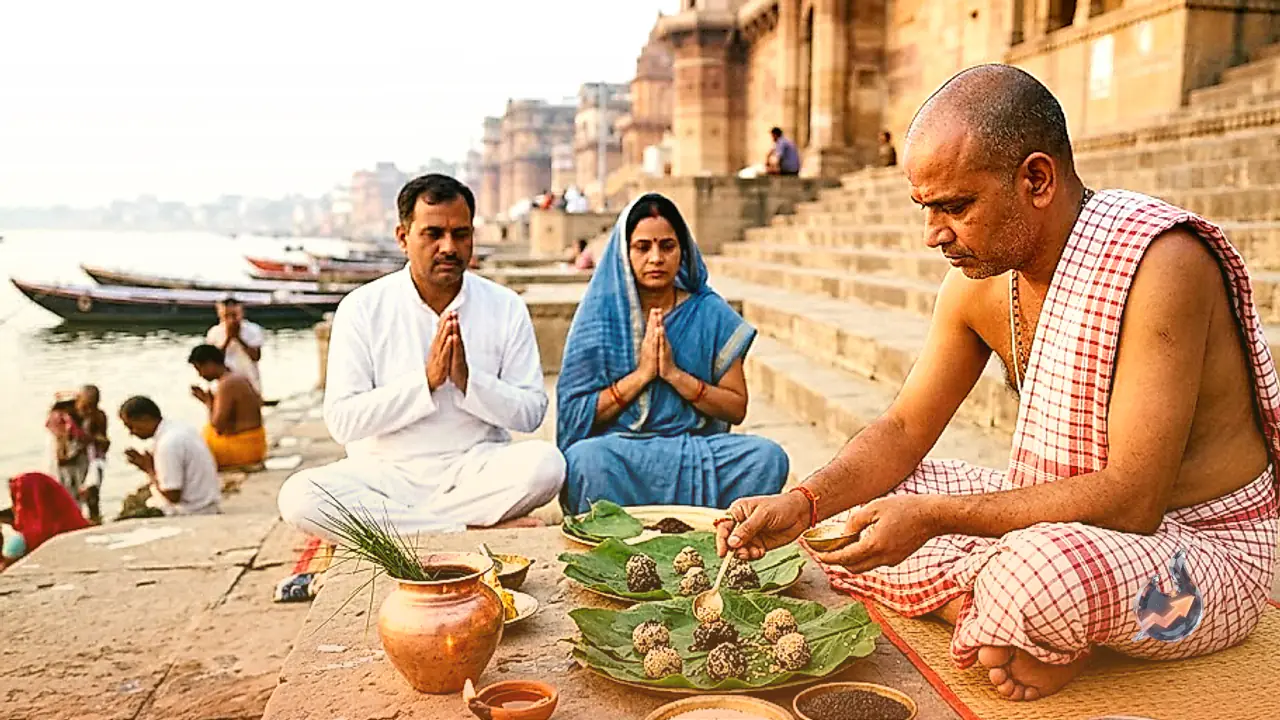

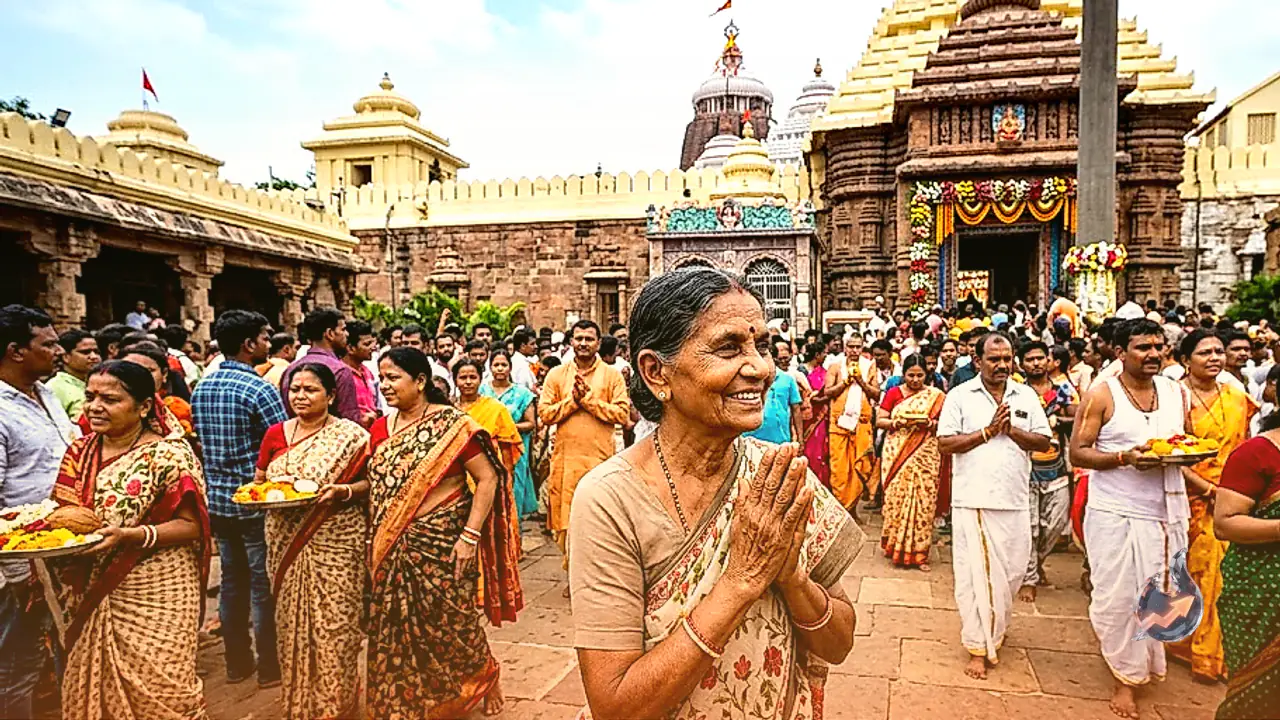



















As the month of Sawan begins, homes across the country step up the tradition of jalabhishek on the Shivling. Devotees pour water, milk, Gangajal and belpatra to please Bholenath, but once the puja is over, a common question lingers, where exactly should the sacred water left in the vessel or plate be poured. Most people treat it like ordinary water and pour it anywhere, but religious beliefs and Vastu Shastra lay out clear rules for this, and pouring it away carelessly like plain water is not considered right.
Where to offer the leftover sacred water
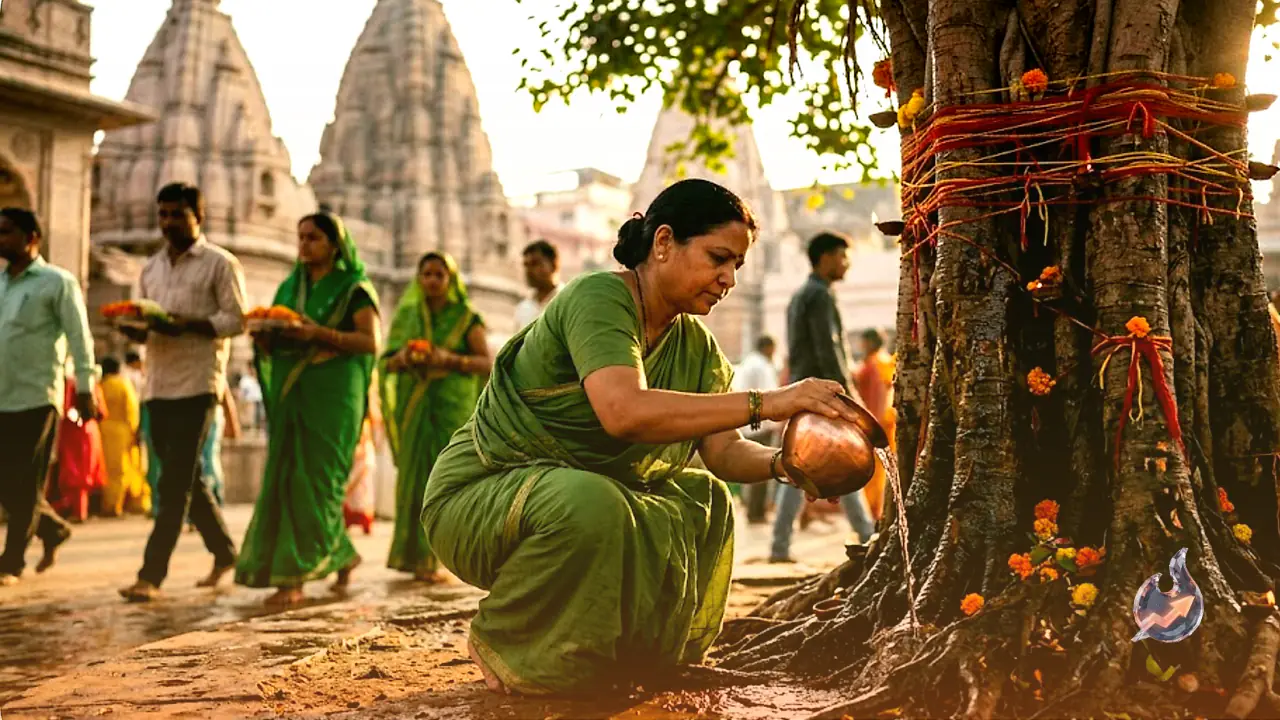
According to Vastu Shastra and religious beliefs, the water left over after jalabhishek is best offered at the roots of a Tulsi plant. If there is no Tulsi at home, it can also be poured at the roots of any green, clean plant. Those who have a small garden or potted greenery at home can use this water there as well. This is seen as a mark of respect toward nature, and it is believed to keep positive energy flowing in the household.
Why pouring it into drains or toilets is forbidden
Religious beliefs hold that leftover water used in puja should never be poured into a drain, a toilet or any dirty spot. Doing so is considered disrespectful to the sacred water and a form of impurity, and it is said to weaken the effect of the puja. That is why it is always advised to dispose of this water only in a clean, pure place, so that the full benefit of the worship is retained.
What to do if Gangajal was used
If Gangajal was used in the jalabhishek, it is considered most auspicious to let it flow into a clean water source such as a river or a pond. In cities where reaching a river or pond is not easy, offering it to a plant at home is also considered a suitable and acceptable alternative. This way, the sanctity of Gangajal is preserved while also respecting religious norms.
Importance of cleanliness and the right direction during Sawan
During Sawan, it is not just the jalabhishek that matters, the cleanliness of the home temple is also said to hold special significance. Keeping the place of worship clean and sacred throughout this month is considered auspicious. As for direction, the north-east direction, known as the Ishan corner, is said to be the best spot for worship. It is believed that keeping a picture of Lord Shiva or his family in this direction keeps positive energy flowing through the home and brings mental peace. This is why, during Sawan, attention to cleanliness and direction is considered just as important as the puja ritual itself.